- Standard depth: 6 inches – works for most soils.
- Sandy soil: 8–12 inches – drains fast, needs extra depth.
- Clay soil: 3–6 inches – avoid standing water too long.
Aim for water to drain within 24–48 hours.
A rain garden may look like a simple planted dip in the yard, but the real success of it depends on one important detail: depth. If the basin is too shallow, rainwater can overflow too quickly. If it is too deep, water may stay there too long and create problems for plants and soil.
That is why understanding the right depth is one of the most important parts of building a rain garden that actually works.
A well-designed rain garden is more than a decorative feature. It helps capture runoff from roofs, patios, driveways, and other hard surfaces.
Instead of letting water rush across the yard, it gives that water a place to slow down and soak into the ground naturally.
This can reduce puddles, limit erosion, support healthier plants, and improve the look of the landscape at the same time.
Many homeowners think the solution is to dig deeper, especially when they expect heavy rain. In reality, the best-performing rain gardens are usually broad and shallow, not narrow and deep.
Most home rain gardens work best at 4 to 8 inches deep, but the ideal depth depends on soil type, yard slope, and how much runoff enters the garden.
A homeowner planning the layout often checks the Rain Garden Calculator before digging so the depth and water load make sense together. That step often helps avoid the most common mistake: making the basin too deep when it really needs more width.
Why Rain Garden Depth Matters
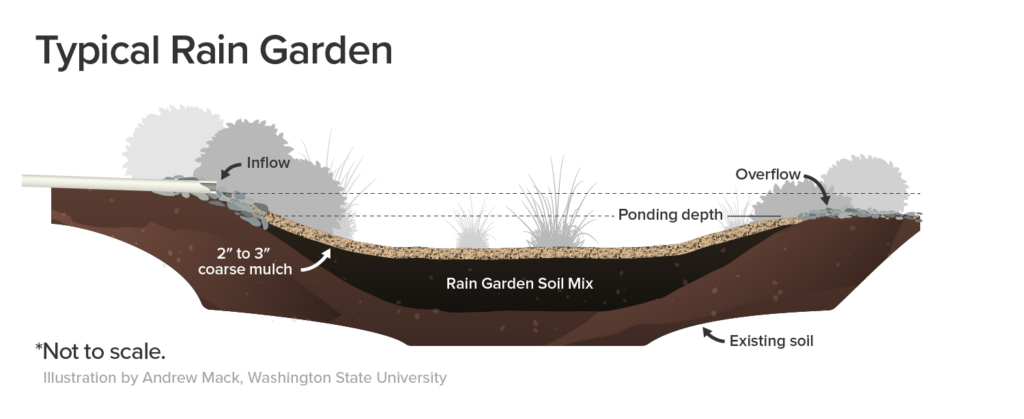
Depth affects how the rain garden stores, spreads, and drains water. It also affects how healthy the plants stay after storms. A rain garden is supposed to hold water for a short time, not act like a permanent pond.
When the depth is correct, the basin can collect runoff, allow it to settle, and then let it soak into the ground within a reasonable time. When the depth is wrong, the whole system can struggle.
Why proper depth is important
- It helps stormwater soak into the ground naturally
- It reduces water pooling in unwanted parts of the yard
- It supports healthier plant roots
- It prevents fast overflow during moderate rainfall
- It lowers the chance of erosion around the basin
- It improves the overall function of the garden
- It makes the rain garden easier to maintain
- It keeps the garden attractive and practical at the same time
A rain garden should never feel like a random hole in the yard. It should feel like a planned landscape feature that collects water gently, drains properly, and fits naturally into the space.
The Standard Depth Range for Most Rain Gardens
For most home landscapes, the best rain garden depth is between 4 and 8 inches. This range works well because it is deep enough to hold runoff, but not so deep that water stays trapped for too long.
Common depth ranges and where they fit best
- 4 to 5 inches often works well in clay soil or flatter yards
- 5 to 6 inches is a balanced option for many average home landscapes
- 6 to 7 inches suits many loamy soils with moderate runoff
- 7 to 8 inches may work in fast-draining sandy soil when the layout is correct
Why deeper is not always better
- Deep basins can stay wet for too long
- They may stress plant roots
- They can be harder to mow around and maintain
- They may look too sharp or artificial in a yard
- They often cause uneven water pooling if the base is not perfectly level
In many cases, a homeowner gets better results by increasing the surface area instead of adding more depth.
Soil Type Changes the Right Depth
Soil is one of the biggest factors in deciding how deep a rain garden should be. Two yards may receive the same amount of rainfall, but if one has sandy soil and the other has clay, the drainage behavior will be very different.
Sandy soil
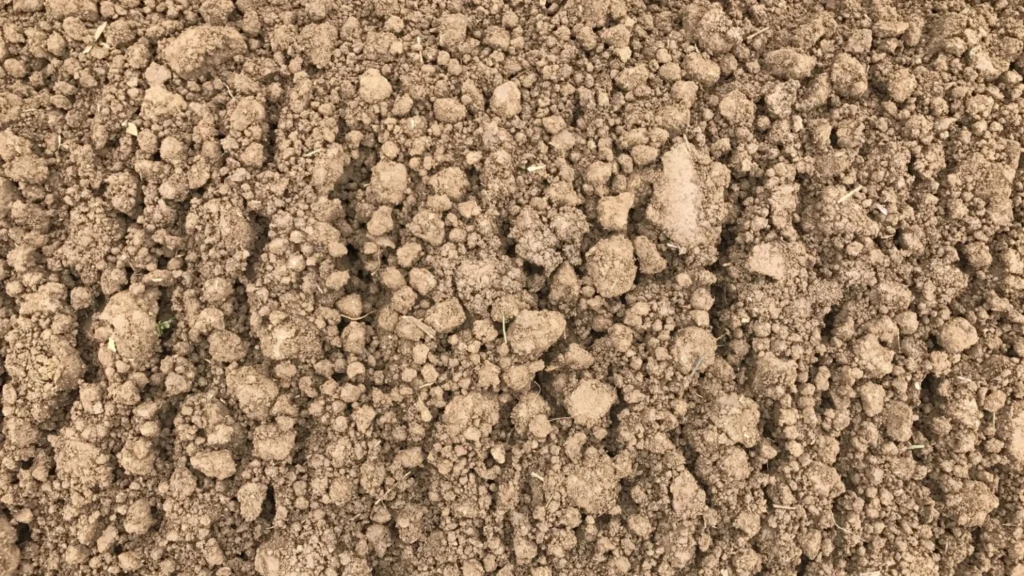
Sandy soil drains quickly. Water moves through it faster, which gives more flexibility in rain garden design.
In sandy soil, a rain garden often:
- Drains faster after rainfall
- Can handle a slightly deeper basin
- May need mulch to retain moisture for plants
- Supports quicker infiltration into the ground
A 6 to 8 inch depth may work well in sandy conditions, but the garden still needs proper grading and plant selection.
Loamy soil
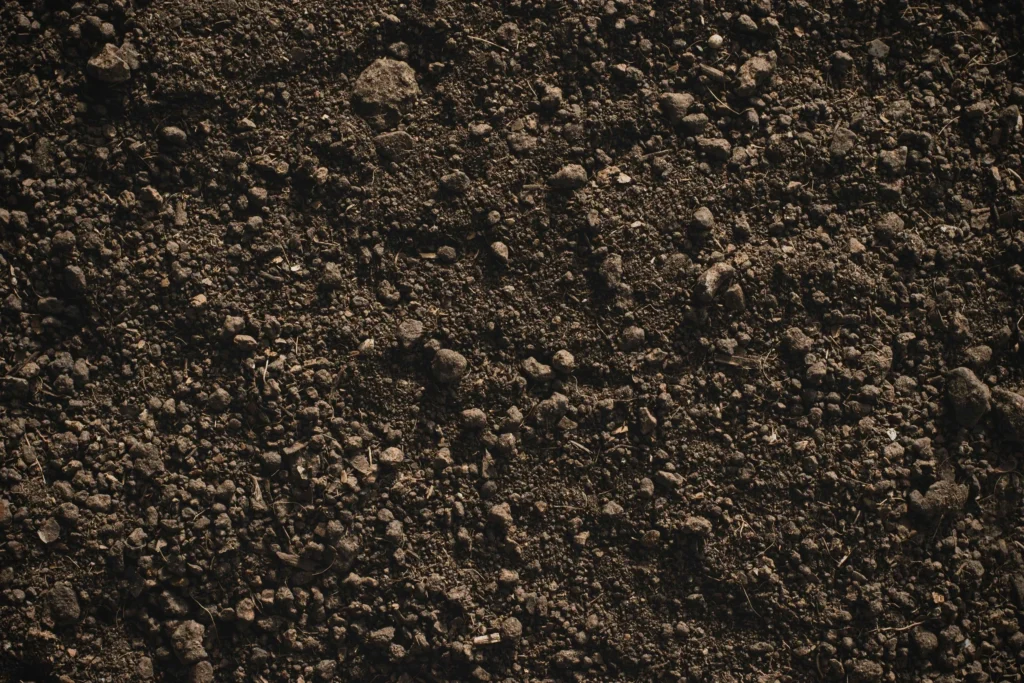
Loam is often considered the best soil type for a rain garden because it balances moisture retention and drainage.
In loamy soil, the rain garden usually:
- Drains at a healthy rate
- Holds moisture without staying soggy
- Supports a wide range of plants
- Works well with medium basin depth
A 5 to 7 inch depth is often effective in this type of soil.
Clay soil
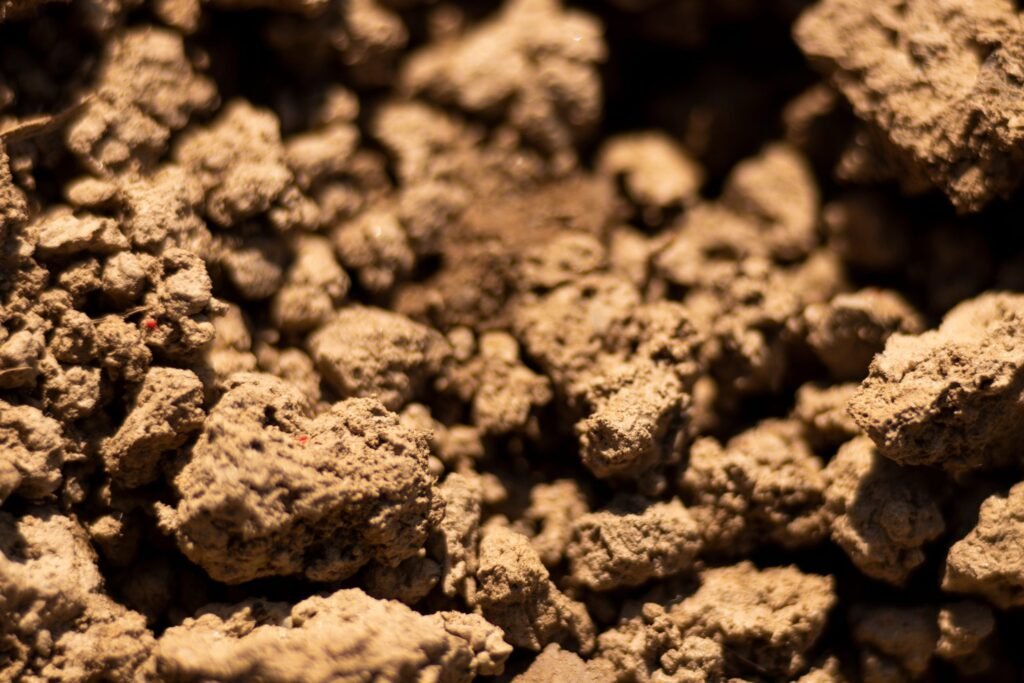
Clay soil drains slowly, which means depth needs extra attention.
In clay-heavy soil, a deeper basin may:
- Hold water too long
- Stress plant roots
- Create muddy conditions
- Increase maintenance problems
In clay soil, it is often better to:
- Keep the basin shallower
- Make the garden wider instead of deeper
- Improve the soil where possible
- Test drainage before final construction
For many clay-based yards, 4 to 5 inches is a safer starting point.
A homeowner comparing runoff needs with the Calculator rain garden tool often discovers that slow-draining soil needs more surface area, not more excavation.
Why Drainage Time Matters More Than Raw Depth
The real goal of a rain garden is not just to hold water. The goal is to hold water briefly and then let it drain away naturally. That is why drainage time matters more than depth alone.
A healthy rain garden should usually drain within 24 to 48 hours after a storm. If water remains longer than that, the basin may be too deep for the soil, the soil may be compacted, or the garden may not be sized properly.
A well-draining rain garden usually:
- Holds water during and right after a storm
- Begins soaking in steadily after the rain ends
- Drains within one to two days
- Leaves the soil moist, not flooded
Signs drainage is too slow
- Water remains for more than 48 hours
- The center stays muddy most of the week
- Plants begin yellowing or weakening
- Mosquito concerns increase
- The basin smells unpleasant after rain
Signs drainage may be too fast
- Water disappears almost immediately
- The basin never really fills
- Runoff still escapes to other parts of the yard
- The rain garden may be too small or placed poorly
A simple test hole can help a homeowner understand how quickly the soil drains before deciding on final depth.
Broad and Shallow Works Better Than Narrow and Deep
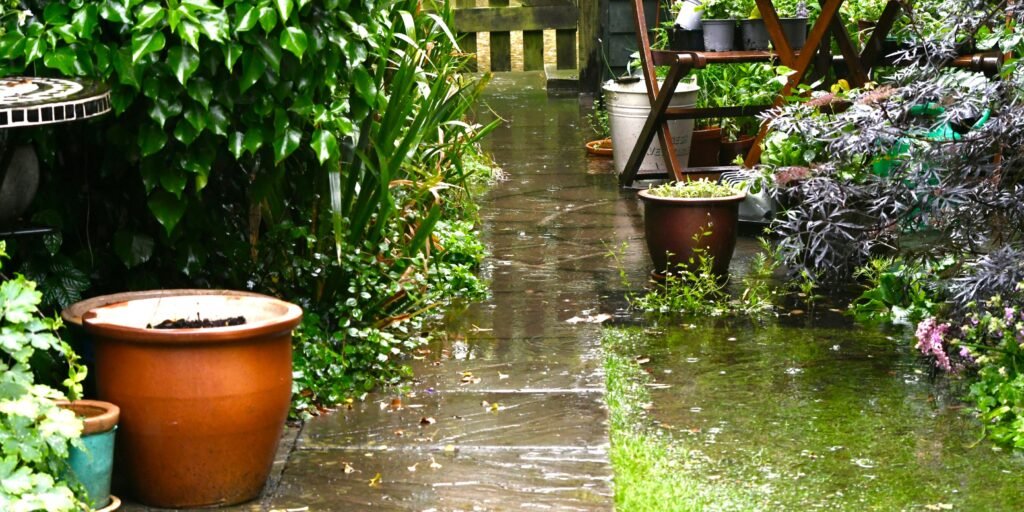
One of the best design rules for rain gardens is simple: broad and shallow works better than narrow and deep. Water needs room to spread out. When it spreads over a wider surface, it soaks into more soil and drains more evenly.
Benefits of a wider rain garden
- Better water distribution
- More infiltration area
- Less pressure on one small section of soil
- Better plant placement options
- A more natural look in the landscape
- Lower risk of deep standing water
Problems with a narrow deep basin
- Water collects in one concentrated spot
- Plant roots stay wet longer
- Soil erosion becomes more likely at the inflow point
- The basin may look harsh or unfinished
- Maintenance can become harder
This is why the Rain Garden Size is just as important as the depth. A properly sized garden often performs better with moderate depth than a small over-dug basin.
The Bottom of the Basin Should Be Level
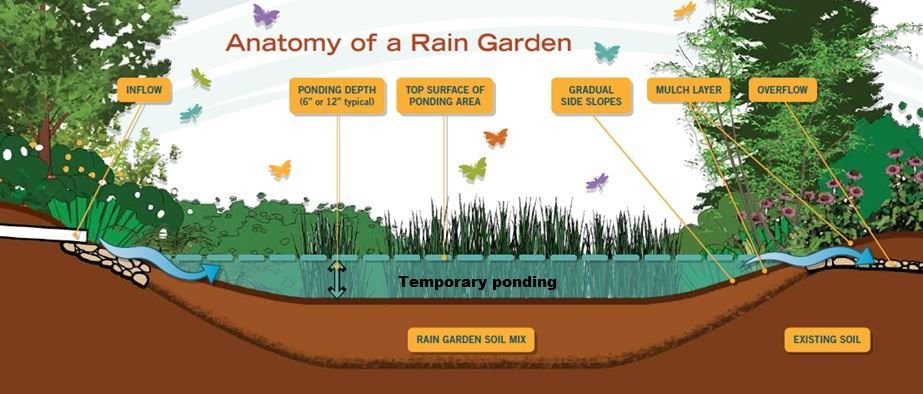
A rain garden should not be shaped like a funnel. The bottom should be level so water spreads across the whole basin instead of collecting in one low corner.
A level basin bottom helps by:
- Allowing water to fill evenly
- Preventing one side from becoming too wet
- Reducing erosion
- Supporting more even plant growth
- Making the full depth useful
The side slopes should also be gentle
- Gentle sides look more natural
- They are easier to plant
- They reduce soil collapse
- They make the rain garden safer to walk near
- They help blend the basin into the yard
A smooth bowl shape works better than a steep pit. Even when the basin depth is only a few inches, the quality of the shape makes a big difference.
How Yard Slope Affects Rain Garden Depth
Slope changes how a rain garden is built. On flat ground, the design is easier because the basin can be shaped evenly without much grading. For sloped ground, extra care is needed to create a level base.
On a flat or gently sloped yard
- Depth is easier to keep consistent
- Water spreads more evenly
- Construction is simpler
- The garden usually blends in more naturally
On a more noticeable slope
- One side may need more cutting
- The lower side may need a berm
- Overflow planning becomes more important
- Erosion risk increases if the inflow is too strong
A sloped yard does not always need a deeper rain garden. It often needs better grading and smarter placement. In some cases, multiple smaller basins work better than one large deep one.
Rain Garden Depth Near a Downspout
Downspouts often deliver a lot of water very quickly, especially during heavy rain. That makes placement and sizing more important than simply increasing depth.
A rain garden near a downspout should:
- Receive water gently, not forcefully
- Have a protected inflow area
- Be placed a safe distance from the house
- Include room for overflow during large storms
A good inflow setup may include
- Stones to slow the water
- A small gravel splash zone
- Dense plants near the inlet
- A shallow channel to guide the runoff
Digging a very deep hole under a downspout is usually not the best solution. A wider basin with a controlled entry point works much better for long-term performance.
Common Mistakes With Rain Garden Depth
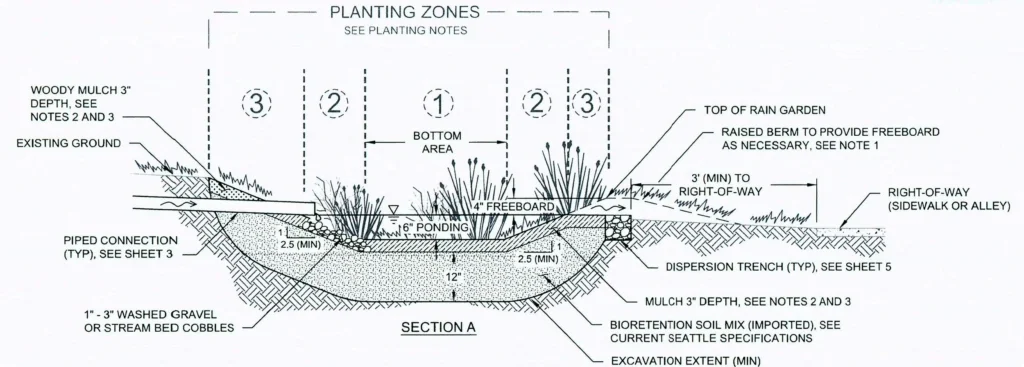
Many rain gardens fail because of avoidable design mistakes. Most of these problems begin before planting even starts.
Common mistakes people make
- Digging too deep without testing soil
- Making the basin too small for the runoff source
- Forgetting to keep the bottom level
- Building steep side walls
- Ignoring overflow direction
- Placing the garden too close to the foundation
- Sending water into the garden too fast
- Choosing depth before checking drainage speed
Why these mistakes matter
- Water may sit too long
- Plants may struggle or die
- The yard may still flood
- The basin may erode during storms
- The rain garden may need to be rebuilt later
Planning carefully at the beginning saves much more time than fixing problems after the first few storms.
Signs a Rain Garden Is Too Deep
Sometimes the rain garden is already built, and the only way to judge the depth is by performance. A rain garden that is too deep often shows clear signs.
Signs the basin may be too deep
- Water remains for more than two days
- Soil stays soggy between storms
- Plants in the center look weak
- The basin feels more like a pond
- Mulch floats and gathers in one area
- There is a smell from standing water
- Mosquito activity becomes noticeable
When these problems appear, the solution is not always to rebuild the whole garden. Sometimes adjusting the inflow, improving the soil, or reshaping the surface can help. But in many cases, the original basin was simply deeper than the soil could support.
Signs a Rain Garden Is Too Shallow
A shallow rain garden can also cause problems if it cannot hold enough runoff.
Signs the basin may be too shallow
- Water overflows too quickly
- Runoff escapes into the lawn
- The basin fills instantly and spills out
- Mulch washes away often
- Erosion appears around the entry point
- The garden does not reduce puddles in the yard
In this case, slightly increasing depth may help, but the better fix is often to increase width or length. Surface area is a major part of rain garden performance.
Rain Garden Depth and Plant Health
Plants in a rain garden need a balance of water and oxygen. They may tolerate wet conditions for a short time, but most still need the soil to drain between rain events.
Proper depth helps plants by:
- Preventing long-term root stress
- Supporting healthy oxygen flow in the soil
- Creating natural moisture zones
- Making it easier to match plants with their ideal conditions
Planting zones in a rain garden often work like this
- Center zone: for plants that handle the most moisture
- Middle zone: for plants that like occasional wet soil
- Edge zone: for plants that prefer drier conditions
Good plant health also depends on
- Correct mulch depth
- Native or adaptable plant choices
- Controlled inflow speed
- Proper sunlight for the selected plants
A rain garden is not just about drainage. It is also a living planting system, and depth directly affects how well that planting system survives.
How to Choose the Best Depth for a Specific Yard
The right depth comes from looking at the whole yard, not just guessing one number.
A smart depth decision usually considers
- Soil drainage speed
- Roof or driveway runoff volume
- Available space in the yard
- Yard slope
- Distance from the house
- Overflow route
- Planned plant selection
A simple planning process might include
- Watching where water flows during rain
- Testing the soil with a small hole
- Measuring the runoff source
- Marking out a possible basin shape
- Adjusting size before deciding final depth
The garden calculator rain can help estimate how much water the basin may need to handle, especially when runoff comes from a larger roof area or multiple surfaces.
When Wider Is Better Than Deeper
This is one of the most useful lessons in rain garden design. When the garden needs to hold more water, the better choice is often more width, not more depth.
Why width usually helps more
- More surface area means better infiltration
- Water spreads out instead of concentrating
- Plants have more room to grow
- The design looks more natural
- The basin drains more evenly
- There is less risk of long standing water
When homeowners should think about width first
- When the soil drains slowly
- When the garden receives roof runoff
- When the yard has enough open space
- When the current basin overflows too quickly
- When a deeper hole would look too harsh
That is where the Size of the Rain Garden becomes a major factor. A balanced design always considers both area and depth together.
Practical Depth Recommendations by Yard Condition
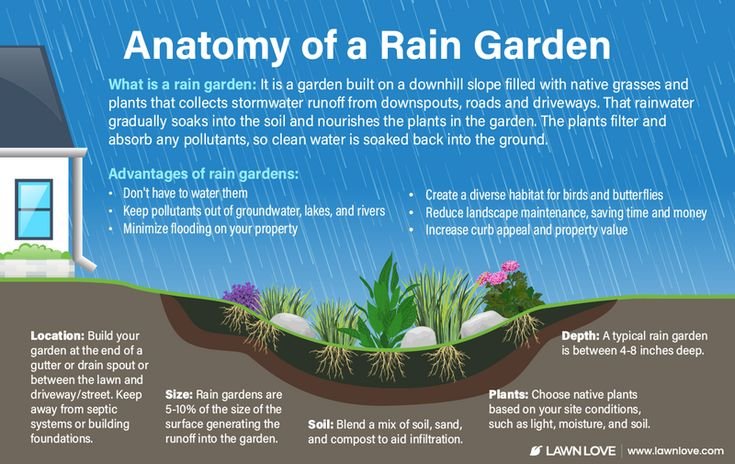
There is no one perfect number for every yard, but these practical ranges help most homeowners start in the right direction.
Recommended depth by condition
- Clay soil: 4 to 5 inches
- Average loam: 5 to 7 inches
- Sandy soil: 6 to 8 inches
- Small decorative basin with light runoff: 4 to 6 inches
- Larger runoff area: stay within normal depth and increase surface area
Quick takeaways
- Most residential rain gardens do not need to exceed 8 inches
- A level bottom is just as important as depth
- Drainage within 24 to 48 hours is the real goal
- Soil type should guide the final decision
- Wider basins usually perform better than deeper ones
How to Make the Rain Garden More Effective
A good depth alone does not guarantee success. The rest of the design should support the way water moves and drains.
Helpful ways to improve rain garden performance
- Add stones at the inflow to slow runoff
- Use shredded mulch that stays in place better
- Choose plants suited to wet and dry cycles
- Keep the basin free from heavy compaction
- Create a clear overflow exit
- Maintain gentle side slopes
- Remove sediment buildup over time
- Check the garden after major storms
Routine maintenance points
- Refill mulch if it washes away
- Replace struggling plants with better-suited varieties
- Clear blockages at the inflow area
- Watch for erosion at the edges
- Confirm that water still drains within a healthy time
Even a well-built rain garden needs occasional attention, especially during the first year when the soil and plants are still settling.
Summary
The ideal depth for a rain garden is typically 6 inches—deep enough to hold runoff but shallow enough to prevent prolonged standing water. However, soil type matters:
- Sandy soils can go 8–12 inches (fast drainage).
- Clay soils should stay 3–6 inches (to avoid waterlogging).
No matter the depth, ensure water drains completely within 24–48 hours to protect plants and prevent mosquito breeding. Stick to these simple guidelines, and your rain garden will function beautifully.
Final Thoughts
So, how deep should a rain garden be? For most residential yards, the answer is 4 to 8 inches, but the best number depends on how the yard behaves. Soil type, drainage speed, runoff volume, and basin width all matter. The most successful rain gardens are not the deepest ones. They are the ones that hold water briefly, drain well, support healthy plants, and fit naturally into the landscape.
A shallow, wide basin often performs better than a deep narrow one. Clay soil usually needs a shallower setup. Sandy soil may allow slightly more depth. Loamy soil often gives the most flexibility. Whatever the exact number, the real goal is balance.
The best rain garden usually has these qualities
- Moderate depth
- Good drainage
- A level basin bottom
- Gentle side slopes
- Suitable plant zones
- Safe overflow planning
- Enough surface area for the runoff source
Careful planning before digging can make the difference between a rain garden that struggles and one that works beautifully for years. A homeowner who thinks about runoff, soil, and the Size Rain Garden for Yard early in the process is much more likely to build a garden that is both beautiful and effective.
FAQs
How deep should a rain garden be in clay soil?
A rain garden in clay soil is often best kept around 4 to 5 inches deep because clay drains slowly. A wider basin is usually better than a deeper one in that kind of soil.
Is 12 inches too deep for a rain garden?
For most home landscapes, yes. 12 inches is usually deeper than necessary and may cause water to stay too long unless the soil drains very quickly.
How long should water stay in a rain garden?
Water should usually drain within 24 to 48 hours. If it remains longer, the depth, soil, or sizing may need adjustment.
Can a rain garden be too shallow?
Yes. If it is too shallow, it may overflow too quickly and fail to capture enough runoff during rain.
What matters more, size or depth?
Both matter, but many rain gardens perform better when they are made wider instead of deeper. Surface area often improves performance more than extra depth.