- Blue Flag Iris – Loves wet springs, handles summer dry spells.
- Switchgrass – Deep roots thrive in both extremes.
- Joe Pye Weed – Soaks up moisture but won’t wilt in drought.
- Black-Eyed Susan – Tolerates temporary flooding, loves dry heat.
- Cardinal Flower – Needs some moisture but survives dry periods.
- Obedient Plant – Spreads easily, handles wet or dry soil.
Pro tip: Avoid obligate wetland plants (they’ll crisp up) and strict upland plants (they’ll rot). Stick with natives for your region.
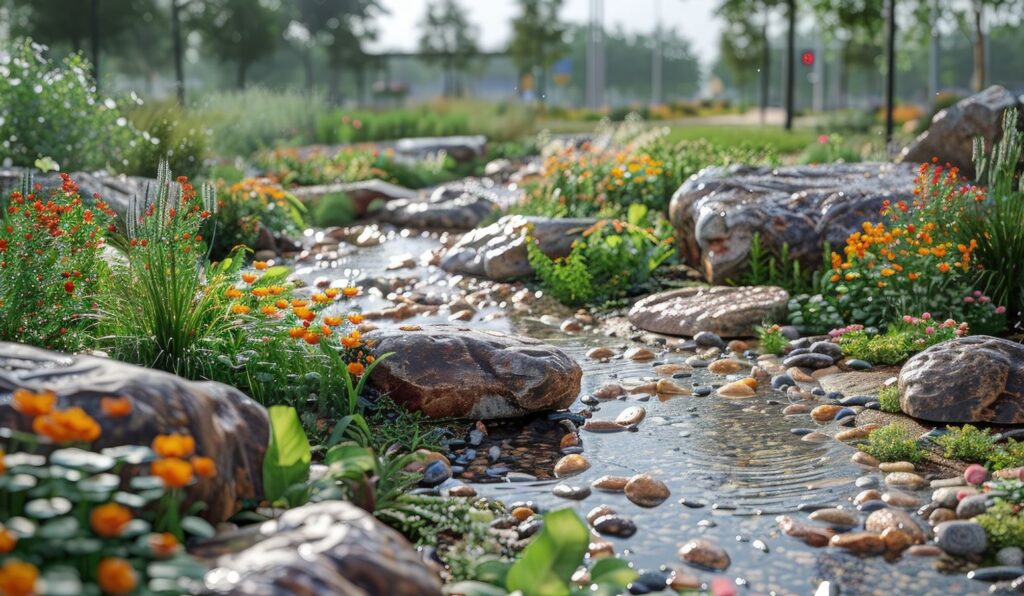
A rain garden can turn a problem area into one of the most useful and attractive parts of a yard. It collects runoff from roofs, paths, and driveways, then lets that water soak slowly into the soil instead of rushing away. This helps reduce standing water, supports pollinators, and gives plants a better place to grow.
The real secret to a successful rain garden is choosing the right plants for the right zone. Not every part of a rain garden stays equally wet.
The lowest part usually holds water for a short time after rain. The middle area gets moist but dries out faster. The upper edge often becomes fairly dry between storms. A strong planting plan works with these natural zones instead of fighting them.
Many gardeners make the same mistake at the start. They see the word rain and assume every plant should love constant wet soil. In real gardens, that usually leads to poor growth, yellow leaves, and plants that fade after one hot spell.
A better approach is to mix species that can handle both extremes. The best rain garden plants are not just water lovers. They are flexible, hardy, and able to cope with wet days and dry days.
In this Blog post we will explain exactly how to choose the best plants for wet and dry zones, how to arrange them, and how to build a rain garden that looks good in every season.
What Makes a Rain Garden Different
A rain garden is not the same as a bog garden or a pond edge. Water collects there after rain, but it should not stay for days and days.
In a healthy design, water enters, spreads out, sinks into the ground, and disappears within a short time. That cycle creates changing soil conditions. This is why plant selection matters so much.
The lowest zone gets the most water. During storms, this area may hold water for several hours. Plants here need strong roots and tolerance for saturated soil.
The middle zone gets periodic moisture. It stays damp longer than the rest of the garden, but it also dries between rains. Plants here need balance.
The upper zone acts more like a regular bed. It may receive extra moisture from runoff, but it often becomes dry in warm weather.
Plants here should handle drought, heat, and occasional overflow. When a gardener understands these differences, the planting plan becomes much easier.
Why the Right Planting Plan Matters
A well-planted rain garden does more than look nice. It works harder for the whole landscape. Deep-rooted native plants improve soil structure and help water move down into the ground. Dense foliage slows erosion.
Flowers feed bees, butterflies, and other helpful insects. Seed heads support birds. Good plant coverage also cuts down on weeds, which means less work later.
From experience in many home gardens, the biggest improvement usually comes after the first full growing season. In the beginning, the bed may look a little open.
By year two, the roots deepen, the plants knit together, and the rain garden starts acting like a living system rather than a new planting project. That is why it pays to think long term. Fast results are nice, but durable plants are better.
Understanding the Zones of a Rain Garden
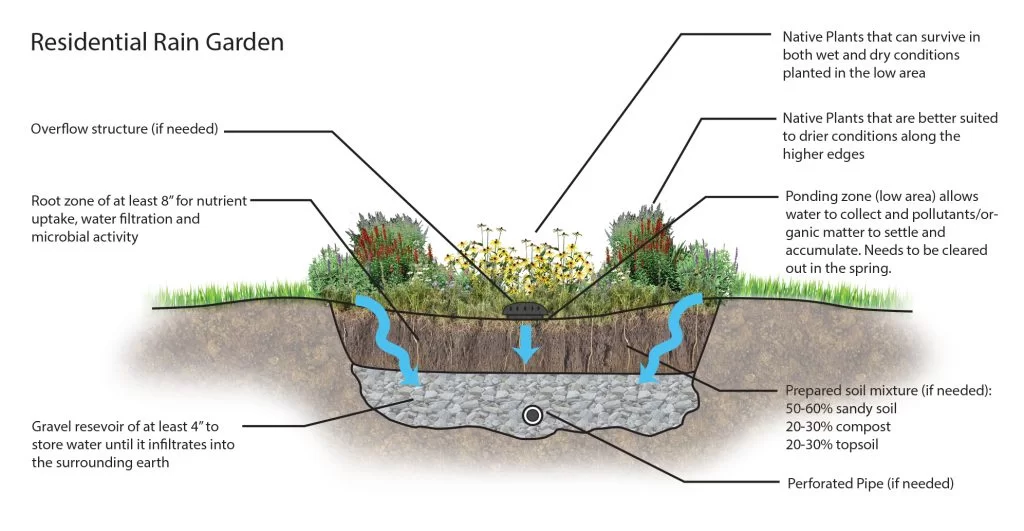
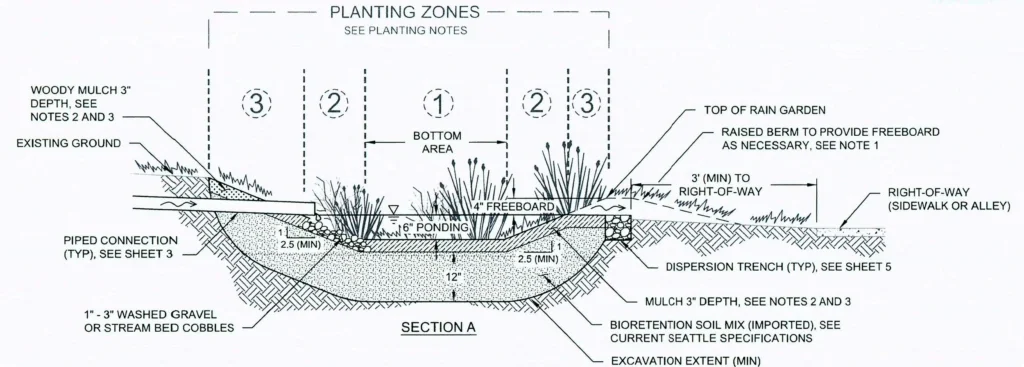
Before choosing plants, it helps to divide the rain garden into three simple areas.
Zone 1: The Wet Bottom
This is the lowest part of the basin. It receives the most runoff and stays wet the longest after rain. Plants here must tolerate brief flooding and soggy soil.
Zone 2: The Moist Middle
This area sits above the lowest point. It stays moist for longer than the edges, but it usually does not hold standing water for long. Plants here should tolerate both damp and moderately dry conditions.
Zone 3: The Dry Edge
This is the highest part of the rain garden. It gets some extra moisture from runoff, but it often dries out between rains. Plants here need to survive dry spells without losing shape or color.
A successful rain garden uses all three zones together. That layered structure makes the garden more natural and much easier to maintain.
Best Plants for the Wet Zone
The wet zone needs plants that can handle waterlogged soil after storms and still stay healthy when the surface dries later. These plants do the hardest work in the garden.
Blue Flag Iris
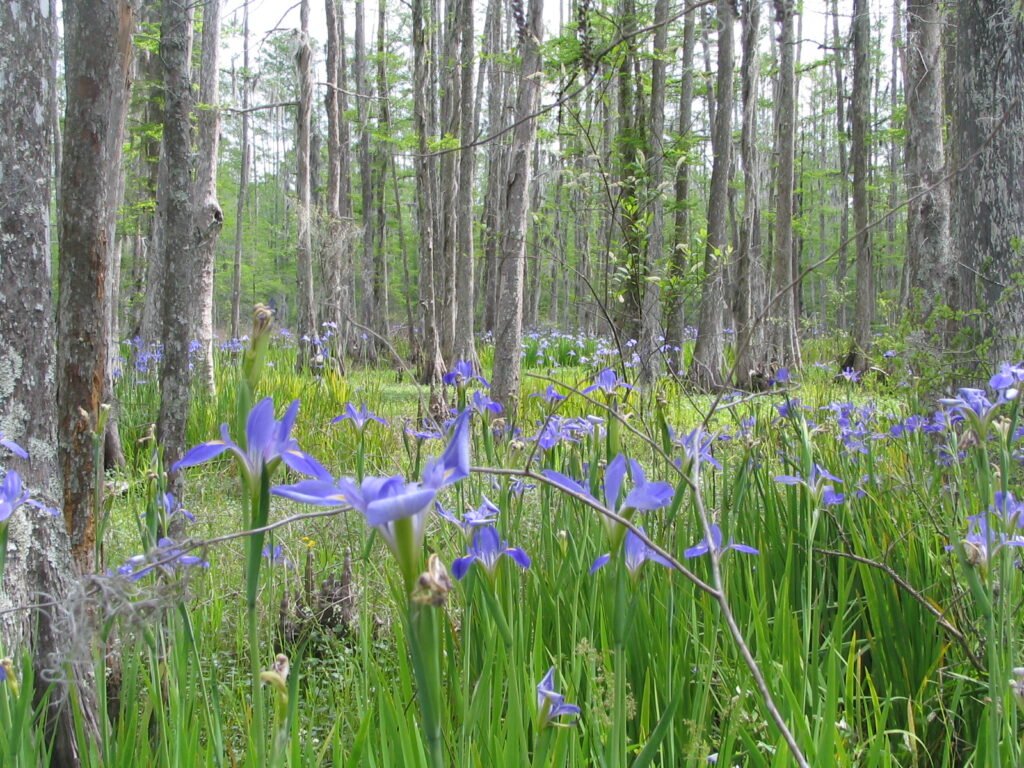
Blue flag iris is one of the best choices for the bottom of a rain garden. It enjoys moist to wet soil and produces elegant purple-blue flowers that brighten the garden in late spring to early summer.
Its upright leaves add structure even when it is not blooming. Gardeners often like it because it brings a clean, natural look without needing much care.
Swamp Milkweed
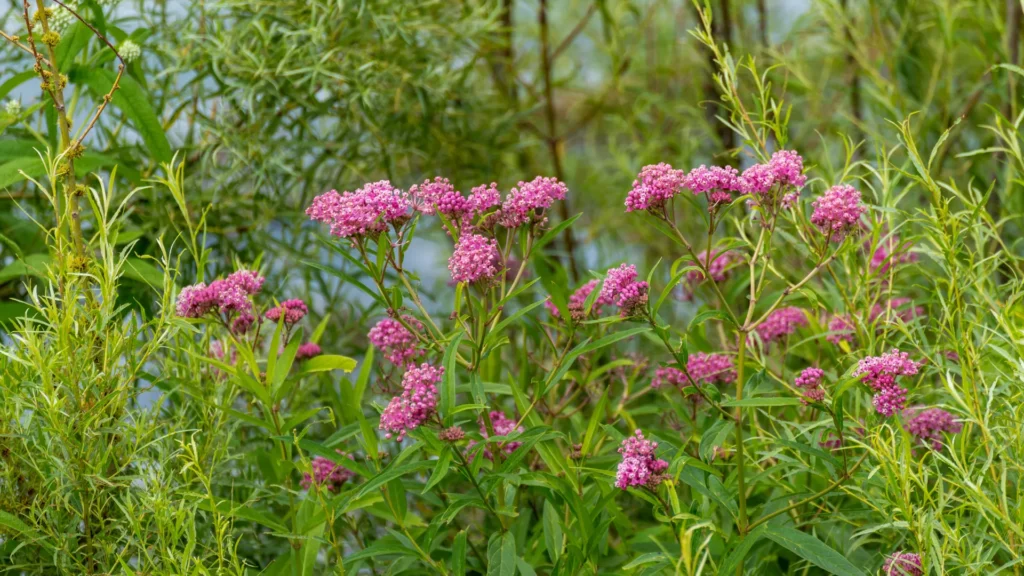
Swamp milkweed is a strong performer in wet soil, but it can also handle average summer conditions once established. It produces clusters of soft pink flowers and attracts butterflies, especially monarchs.
This plant works well in the center or lower middle of a rain garden. It also adds a wild but tidy feel that fits natural landscapes.
Joe Pye Weed
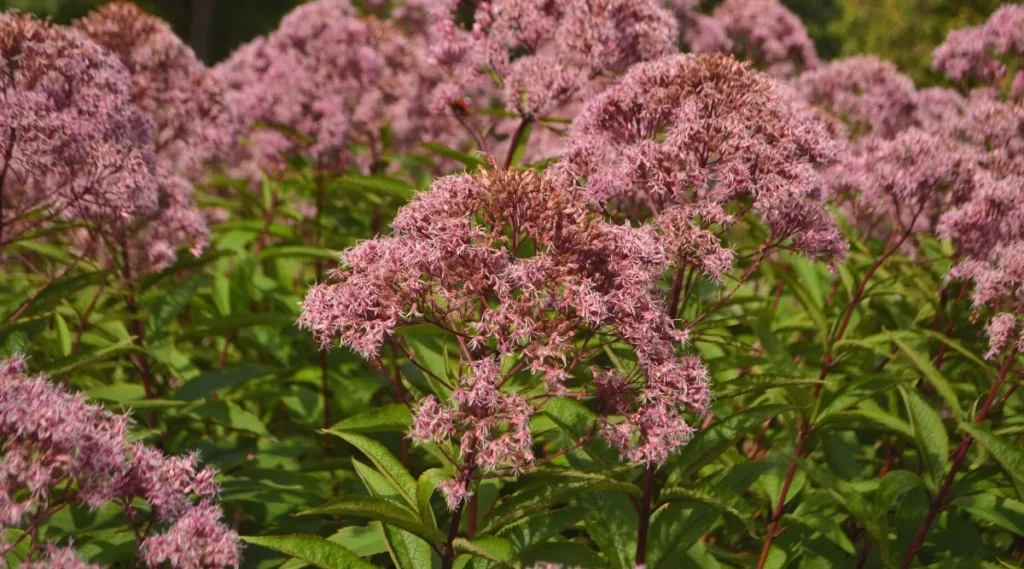
Joe Pye weed is tall, bold, and excellent for larger rain gardens. It thrives in moist soil and produces large pink flower heads that pollinators love.
A gardener often places it toward the back of the rain garden because of its height. It brings movement, height, and late-season color. In late summer, it becomes one of the busiest spots for bees and butterflies.
Soft Rush
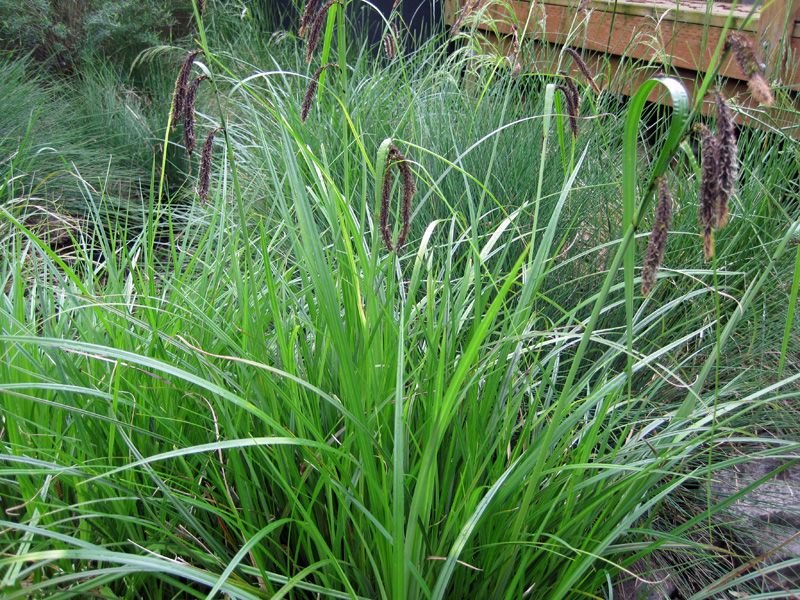
Soft rush is a useful plant for the deepest wet spots. Its upright stems give the garden a strong vertical shape and help soften the transition between water flow areas and flowering plants. It is not flashy, but it is dependable. In many rain gardens, dependable plants matter more than showy ones.
Cardinal Flower
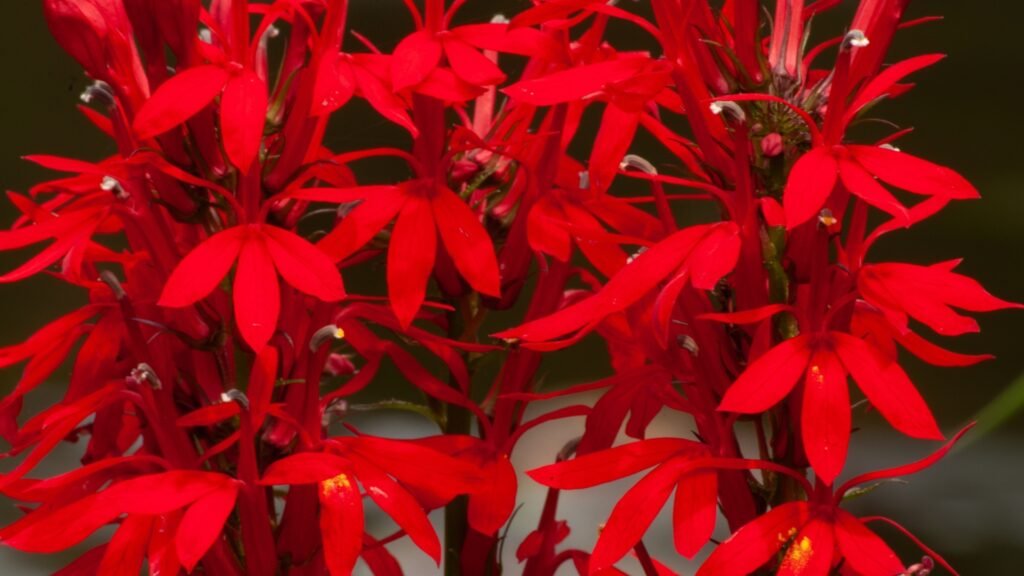
Cardinal flower stands out with brilliant red blooms. It thrives in moist soil and adds strong summer color. Hummingbirds are especially drawn to it.
This plant prefers consistent moisture, so it fits best in the wetter sections. In the right place, it can become a highlight of the whole garden.
Sedge Varieties
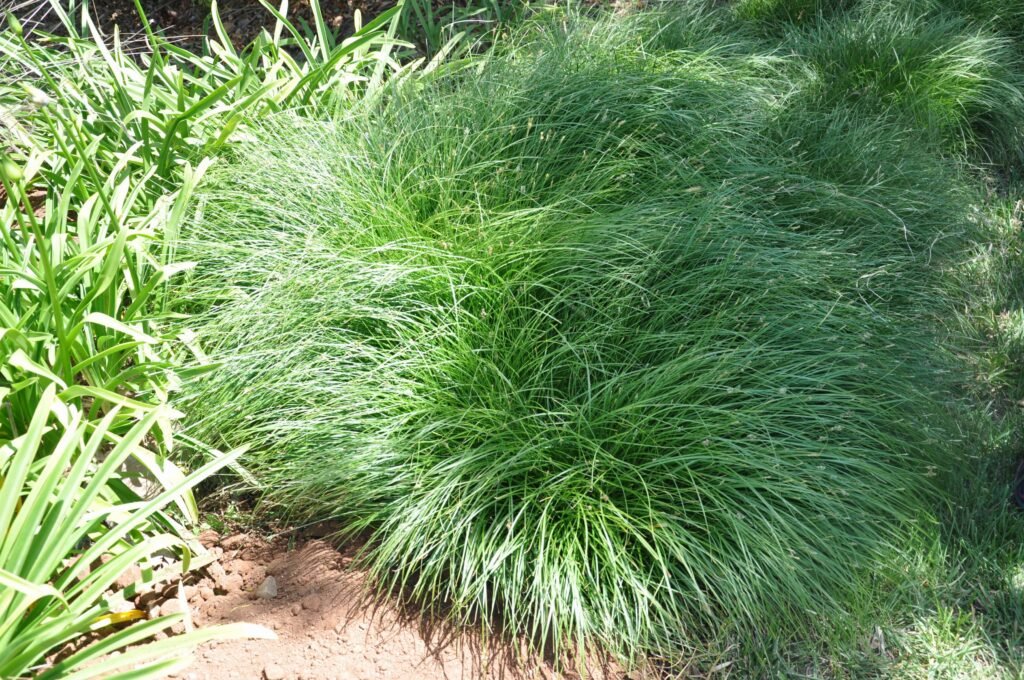
Native sedges are often overlooked, but they are some of the best plants for rain gardens. Many sedges tolerate wet feet, stabilize soil, and blend beautifully with flowering plants.
They also help fill gaps and reduce weed growth. A rain garden with sedges usually looks more complete and more natural.
Best Plants for the Moist Middle Zone
The middle zone is where many of the most versatile plants thrive. These plants handle shifting moisture well and often form the heart of the rain garden.
Black-Eyed Susan
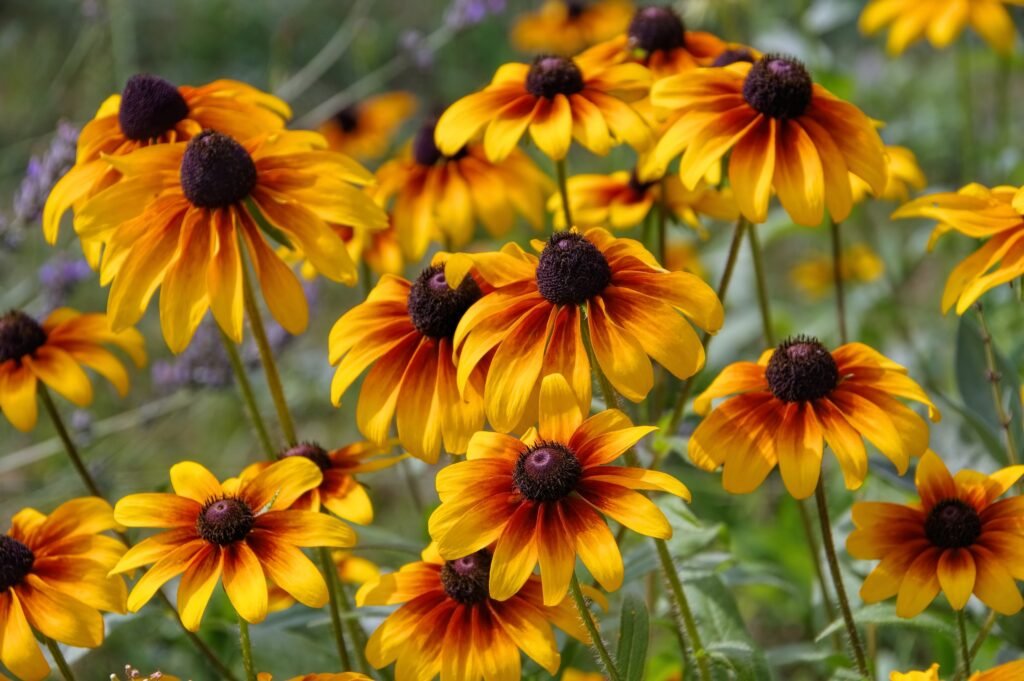
Black-eyed Susan is bright, cheerful, and easy to grow. It handles moist conditions but also tolerates short dry periods once established. Its golden flowers keep the garden lively for weeks. This is a useful plant for gardeners who want reliable color without a lot of maintenance.
Coneflower
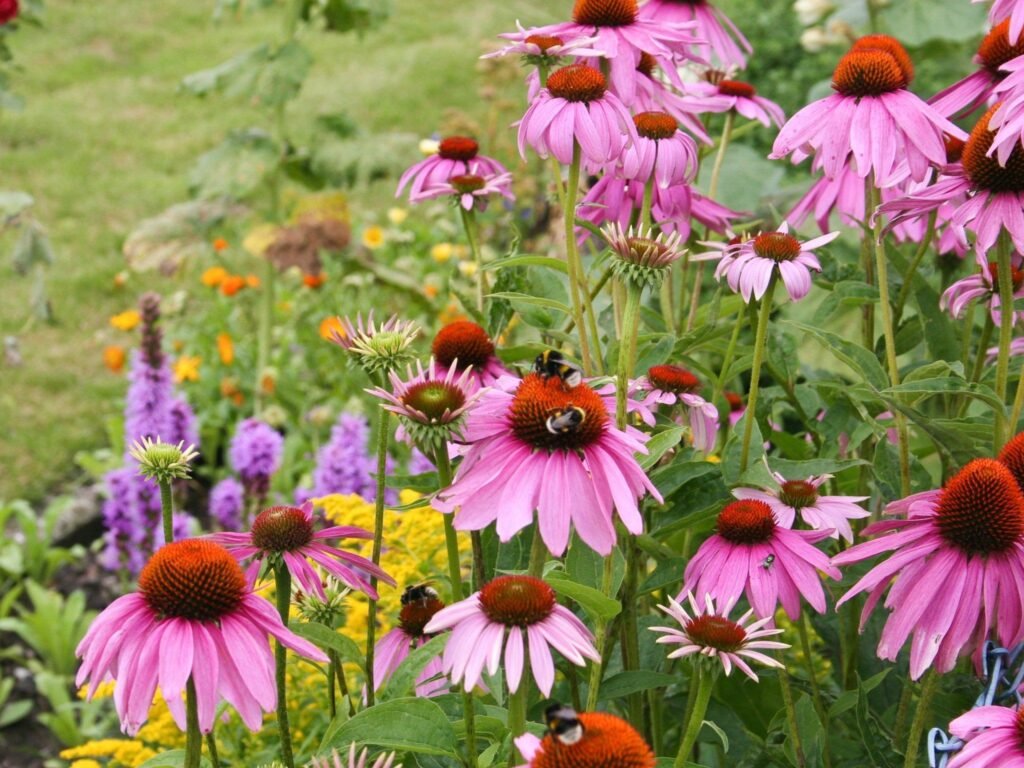
Coneflower is a favorite for good reason. It handles a wide range of soil moisture, attracts pollinators, and keeps its shape well in mixed plantings.
Its long bloom period and strong stems make it ideal for the middle zone. Birds also enjoy the seed heads later in the season.
Bee Balm
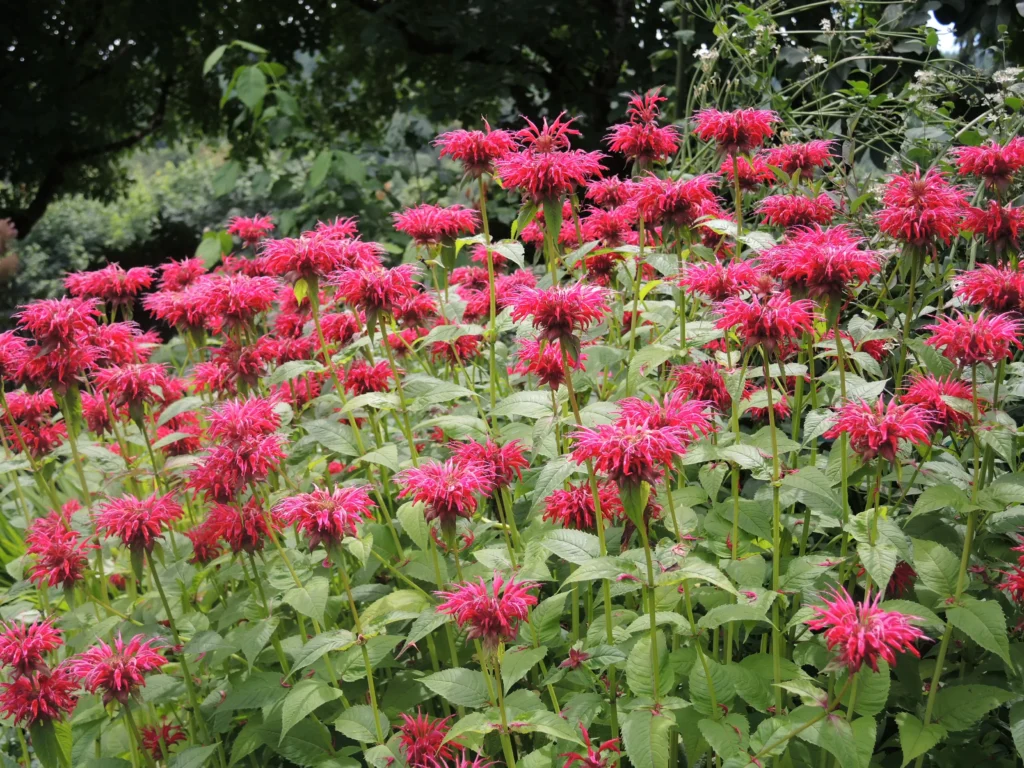
Bee balm grows well in moist soil and produces bright flowers in shades of red, pink, purple, or lavender. It attracts bees, butterflies, and hummingbirds.
It spreads over time, so it works best where it has room to form a healthy clump. Good airflow helps reduce mildew, especially in humid regions.
Switchgrass
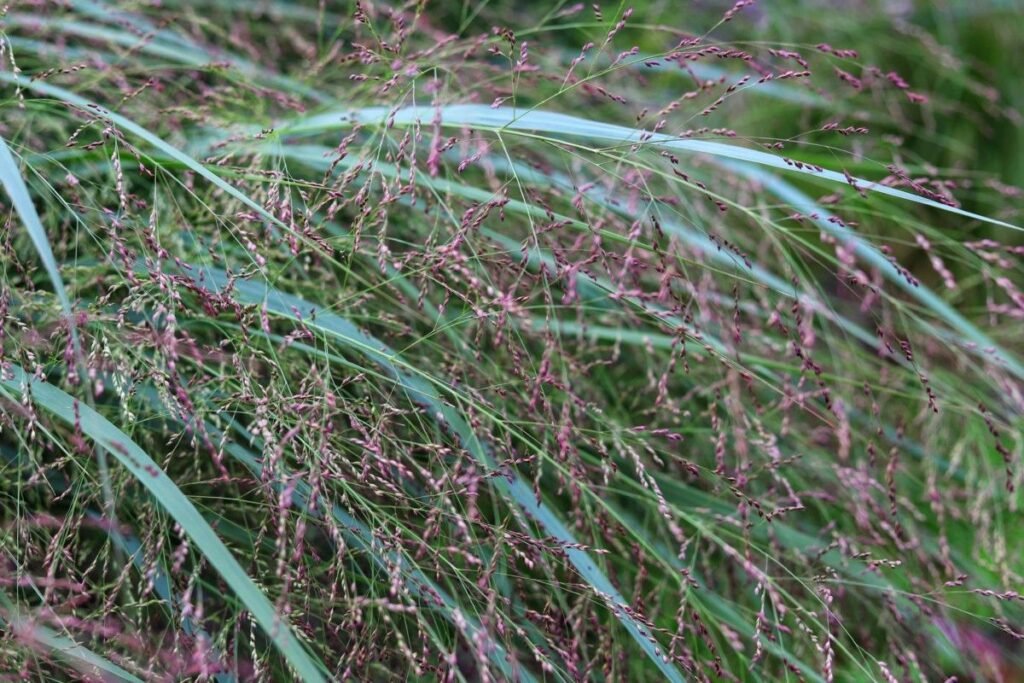
Switchgrass is one of the best grasses for a rain garden. It tolerates moisture but also survives dry periods. Its deep roots help improve the soil and support infiltration. In fall, it adds warm color and graceful movement. In winter, it continues to provide structure.
Blazing Star
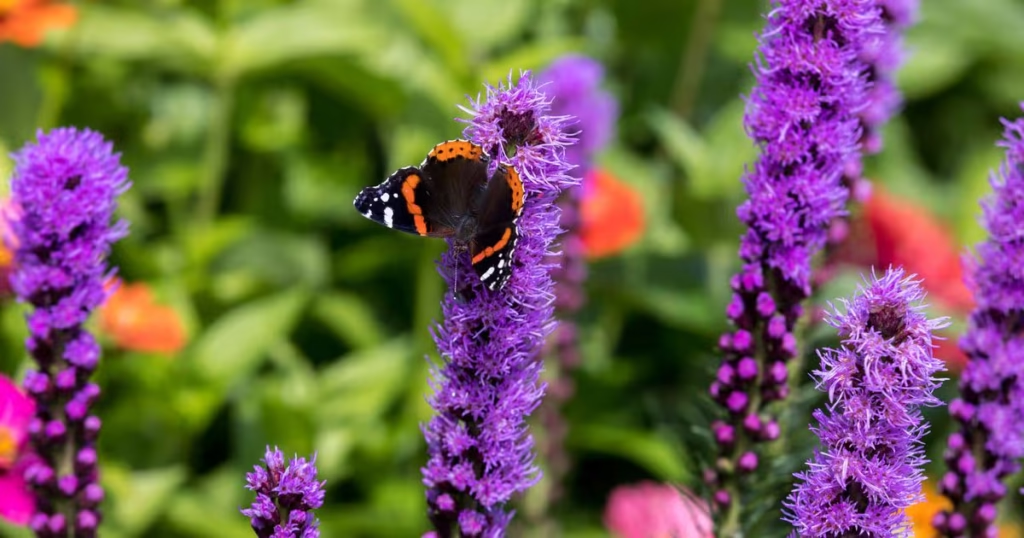
Blazing star adds vertical flower spikes and strong pollinator value. It likes moisture during establishment but can handle drier periods later.
This plant works especially well when paired with broader flowers like coneflower and black-eyed Susan. The contrast in shape makes the garden feel richer and more natural.
Turtlehead
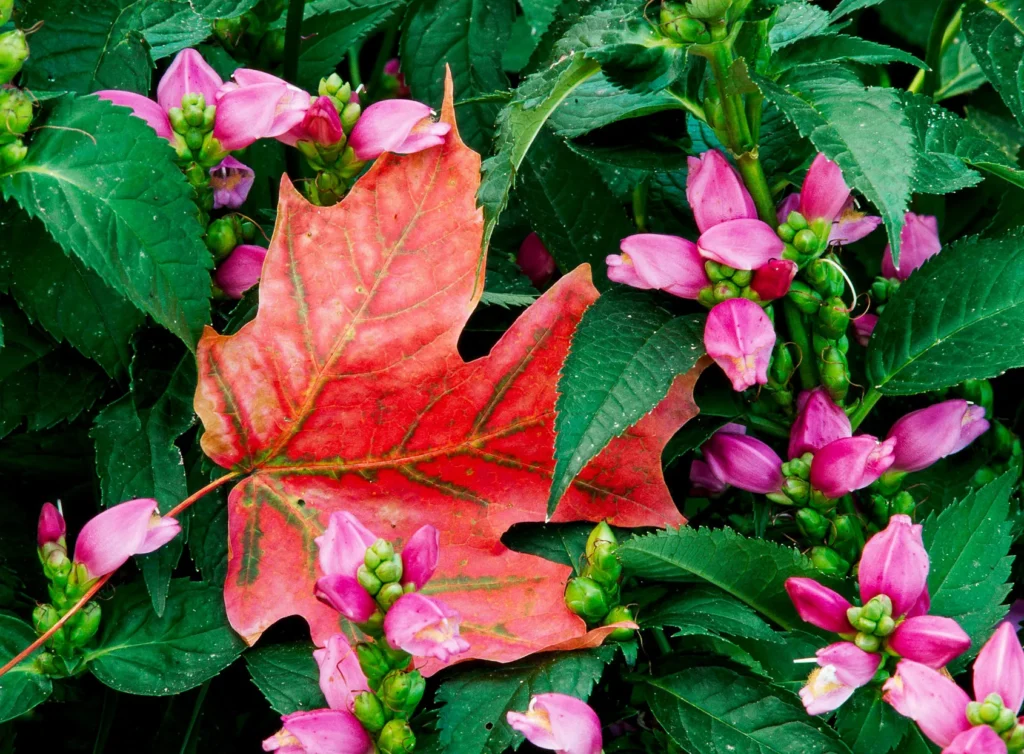
Turtlehead is a great middle-to-lower-zone plant for gardeners who want something less common. It likes moist soil and produces unique flowers that attract bees.
It fits especially well in partially shaded rain gardens where some sun-loving flowers may struggle.
Best Plants for the Dry Edge Zone
The upper edge of a rain garden often dries out much faster than the center. This is where drought-tolerant plants should go. These plants keep the garden looking full and healthy during hot weather.
Little Bluestem
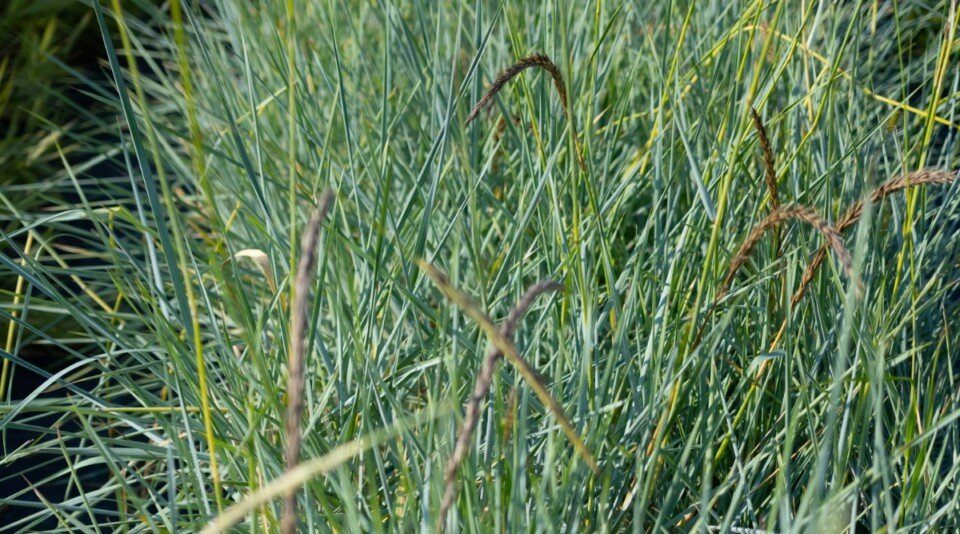
Little bluestem is a beautiful native grass that handles dry soil very well. It brings fine texture, seasonal color, and excellent structure.
Its blue-green summer tones shift to copper and orange later in the year. It is one of the best choices for the outer edge of a rain garden.
Butterfly Weed
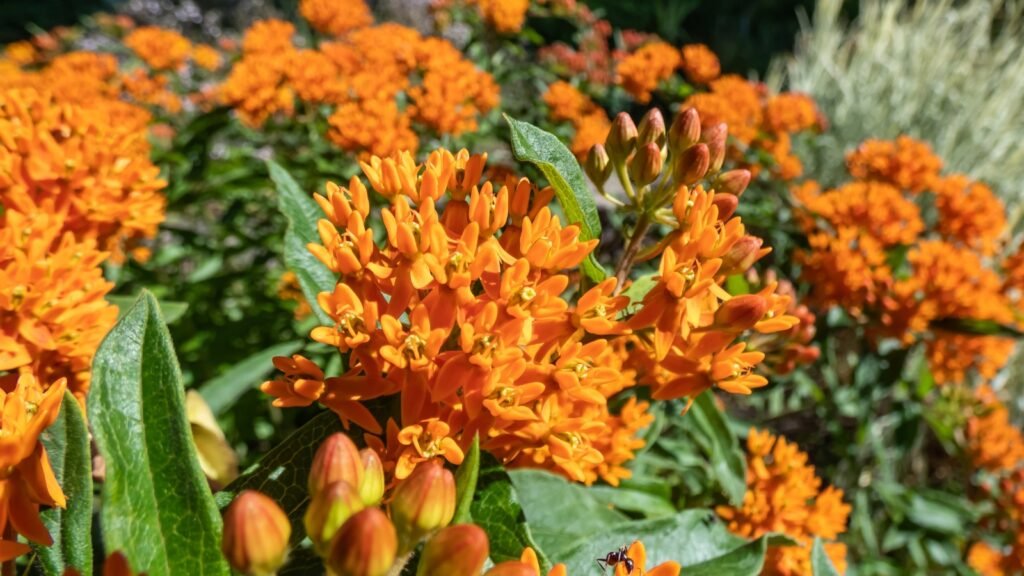
Butterfly weed loves sun and well-drained soil. It does not want to sit in soggy conditions, so the dry edge is the perfect place for it.
Its bright orange flowers attract pollinators and give the garden strong summer color. Once established, it needs very little care.
Lavender
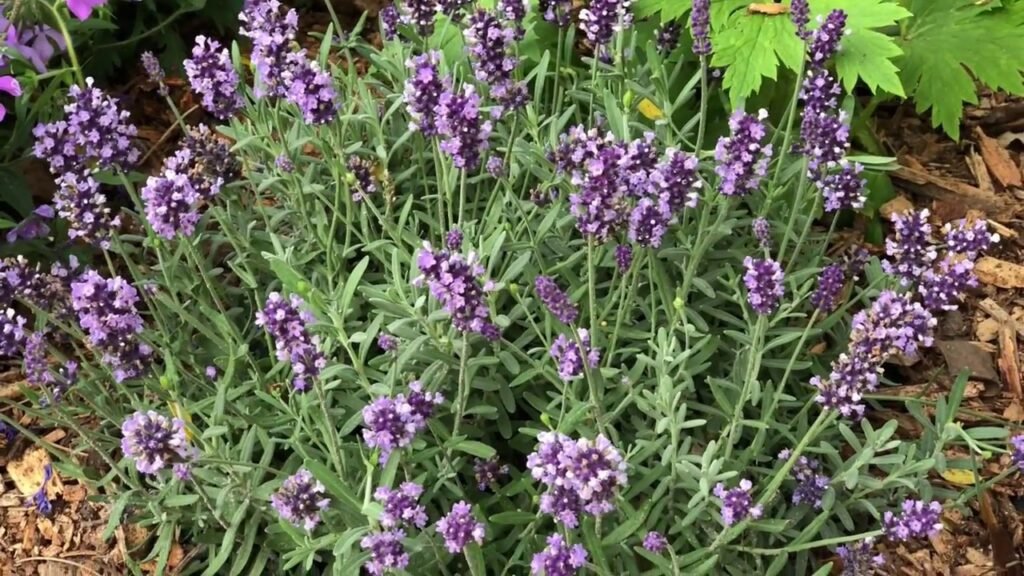
In drier climates or sharply drained upper edges, lavender can work well. It prefers dry feet and lots of sun, adds fragrance and a neat, tidy shape.
It is better suited to the very top edge than the main basin. A gardener should not place it where water collects.
Yarrow
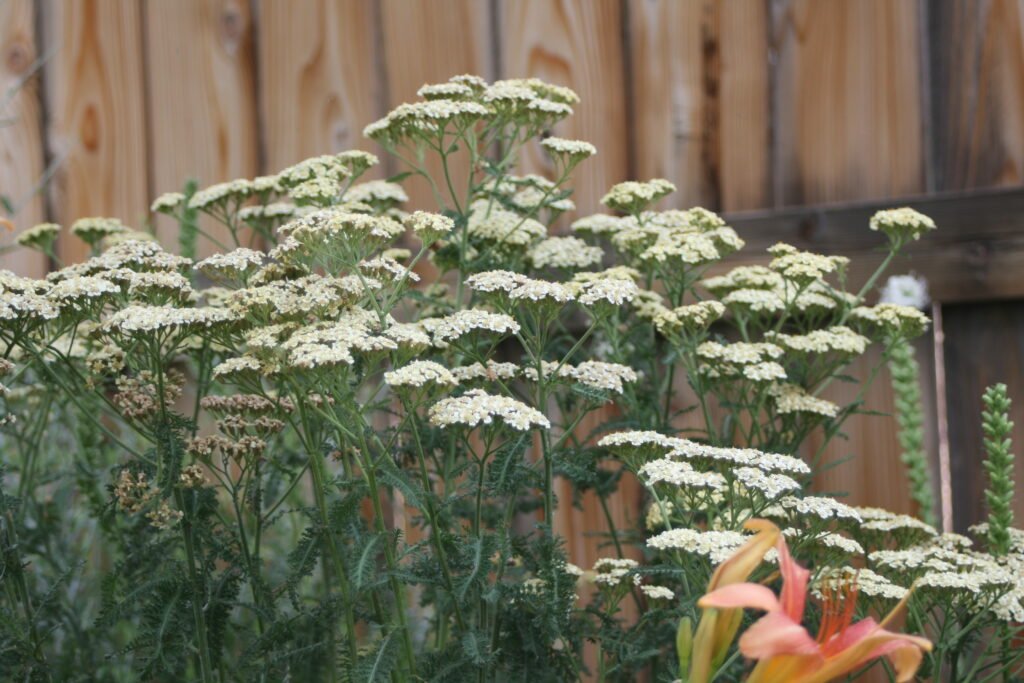
Yarrow is tough, easy, and long-blooming. It handles dry spells with ease and adds flat flower clusters that contrast nicely with upright grasses and cone-shaped blooms. It is a useful plant when the upper edge needs dependable color with little effort.
Russian Sage
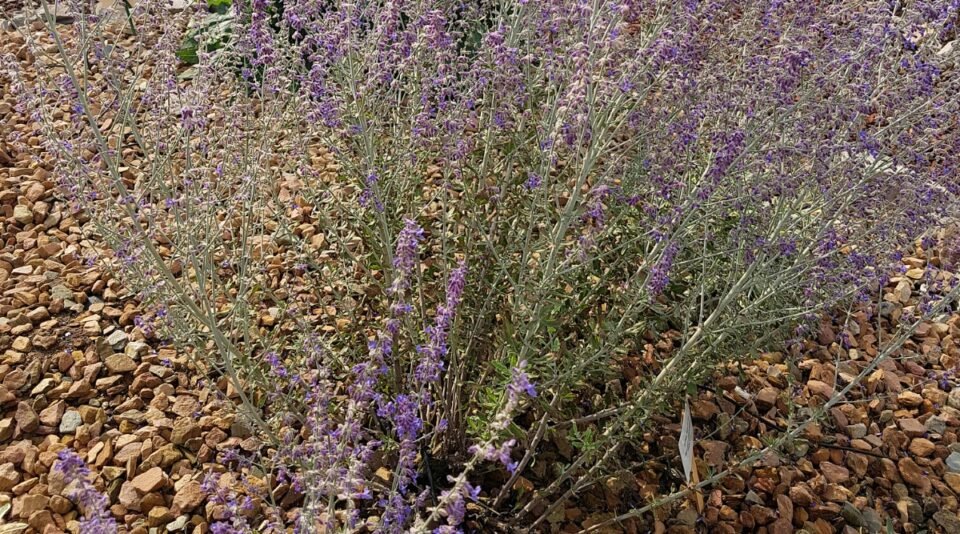
Russian sage thrives in dry, sunny areas and adds airy purple color through much of the season. It works best at the highest edge of the rain garden, where soil dries quickly. Its soft texture pairs well with bolder flowers and grasses.
Prairie Dropseed
Prairie dropseed is a fine-textured grass that brings softness and elegance to the outer zone. It tolerates dry conditions and forms neat clumps that help frame the rain garden. It is especially useful when a gardener wants the edge to look polished rather than wild.
How to Combine Wet and Dry Zone Plants for the Best Result
The strongest rain gardens use layers. Tall plants like Joe Pye weed, switchgrass, or soft rush can go toward the back or center, depending on the view.
Medium-height flowers like coneflower, bee balm, and black-eyed Susan fill the middle. Lower edging plants like sedges, yarrow, or prairie dropseed help soften the borders.
A mixed planting usually performs better than large blocks of one plant. Diversity improves resilience. If one plant struggles in a strange season, the rest of the garden still looks strong.
It also helps to repeat a few plant types across different areas. Repetition gives the garden rhythm. It keeps the design from looking random.
Native Plants Are Often the Best Choice
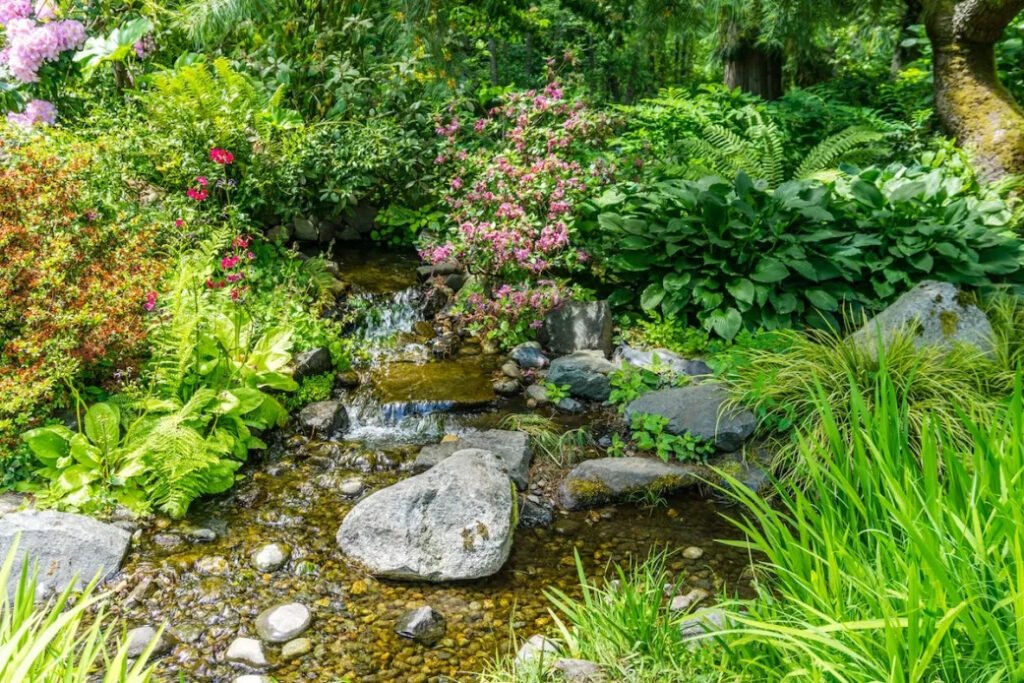
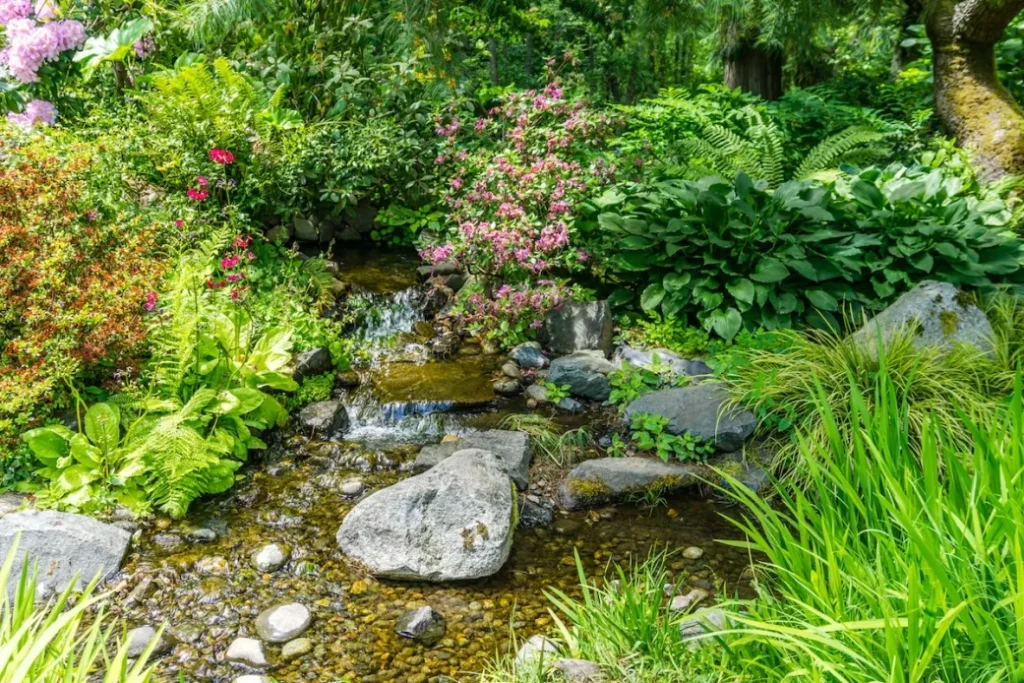
In most regions, native plants are the best option for rain gardens. They already know how to handle local weather patterns, insects, and soil conditions. They usually need less water once established, and they support more wildlife than many imported ornamentals.
A home gardener often notices this clearly by the second year. Native grasses root deeply. Native perennials return with less fuss. Pollinators find them quickly. The garden starts to feel alive in a way that many standard flower beds do not.
That does not mean every plant must be native. But native plants should form the backbone of the design whenever possible.
How Soil and Sun Affect Plant Choice
Not all rain gardens are the same. Soil type changes everything. Heavy clay holds water longer. Sandy soil drains faster.
Loamy soil sits somewhere in between. A plant that thrives in one yard may struggle in another because the soil behaves differently.
Sun exposure matters too. A full-sun rain garden can support flowering perennials and prairie grasses. A partly shaded rain garden may need plants like turtlehead, blue flag iris, sedges, and cardinal flower.
This is why a good gardener watches the site before planting. They check where water sits, how long it stays, and how much sunlight reaches each area during the day. That simple observation often prevents the biggest planting mistakes.
Common Mistakes to Avoid
Many rain gardens fail because of a few basic errors. One common mistake is planting water-loving species everywhere. Even in a rain garden, some zones dry out quickly. Plants that need constant moisture often struggle at the edge.
Another mistake is ignoring mature plant size. Small nursery plants can look far apart at first, but many rain garden species grow wide and tall. Crowding becomes a problem later.
Poor weed control is another issue. During the first year, empty soil invites weeds. Mulch helps, but careful spacing and early maintenance matter too.
Some gardeners also use shallow-rooted annuals when deep-rooted perennials would perform much better. A rain garden is meant to function, not just decorate.
How to Keep a Rain Garden Looking Good All Year
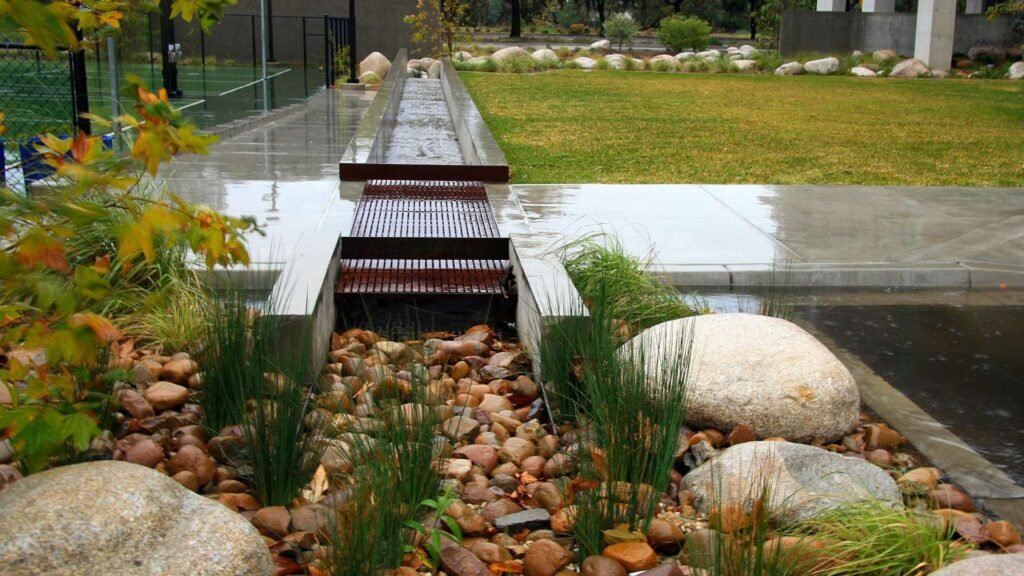
A beautiful rain garden changes with the seasons. Spring brings fresh foliage and early blooms like iris. Summer fills the garden with milkweed, bee balm, coneflower, and black-eyed Susan. Fall gives grasses and seed heads their moment. Winter shows structure, stems, and movement.
Leaving some seed heads and grasses standing through winter helps wildlife and keeps the garden interesting. Cutting everything down too early can make the space feel empty and remove habitat.
A rain garden does not need to look perfect every week. It should look alive, balanced, and seasonal. That natural quality is part of its charm.
Practical Planting Tips from Real Garden Experience
In many home landscapes, the first year teaches the most. New plants often need more care than expected while roots settle in. Even drought-tolerant species need regular watering at the start.
Spacing also matters more than most beginners think. When plants are spaced too tightly, airflow drops and disease becomes more likely. When spaced too far apart, weeds take over. A moderate middle path usually works best.
It also helps to group plants by similar needs. Wet-zone plants should stay together. Dry-edge plants should stay near the top. That sounds obvious, but many gardeners mix them for color and then wonder why the garden looks uneven by midsummer.
Another practical lesson is patience. Rain gardens often improve slowly, then all at once. The first season builds roots. The second season builds presence. By the third season, the garden usually starts showing its full strength.
Planning with a Rain Garden Calculator
Before digging, it helps to estimate how much runoff the garden needs to handle. A tool like rain garden calculator can make that first step easier and more accurate.
Some homeowners also search for calculator rain garden tools when planning the layout. This helps avoid building a basin that is too small for the space.
Choosing the Right Rain Garden Depth
The success of a rain garden depends a lot on proper depth. A good guide on rain garden depth helps explain how deep the basin should be for healthy drainage.
It is also important to understand the depth of the rain garden before selecting plants for wet and dry zones. The right depth supports better plant survival.
Deciding the Right Rain Garden Size
The overall size of the rain garden should match the yard space and the amount of runoff entering the area. This keeps the design useful and manageable.
Many people also look for the correct size of rain garden for yard before starting the project. Proper sizing helps the garden perform well in both light and heavy rain.
If you want, I can now fix the full article properly with this heading structure.
A Simple Planting Example
A basic rain garden might place blue flag iris, swamp milkweed, and sedges in the lowest part. The middle zone could hold coneflower, black-eyed Susan, bee balm, and switchgrass. The upper edge could use little bluestem, butterfly weed, yarrow, and prairie dropseed.
This combination gives the garden flowers, texture, structure, and strong seasonal interest. It also supports bees, butterflies, birds, and beneficial insects.
Most importantly, it matches plant needs to real site conditions.
Final Thoughts
The best plants for a rain garden in wet and dry zones are the ones that fit the land as it actually behaves. The wet bottom needs plants that can stand short periods of flooding. The middle zone needs flexible, moisture-tolerant plants. The dry edge needs tough species that can handle heat and lower moisture.
When a gardener respects those zones, the whole project becomes easier. Plants settle in faster. Maintenance drops. Wildlife increases. The garden looks natural because it is working with nature instead of against it.
A rain garden should not be treated like a standard flower bed with a few extra water-loving plants. It is a living system. The best designs use deep-rooted, adaptable plants that support drainage, beauty, and biodiversity at the same time.
With the right choices, even a difficult patch of yard can become one of the most rewarding parts of the landscape. A well-planted rain garden does more than manage runoff. It gives the yard a purpose, a rhythm, and a healthier future.
FAQs
1. What plants grow best in a rain garden?
The best plants for a rain garden are those that can handle changing moisture levels. For wet zones, plants like blue flag iris, swamp milkweed, and cardinal flower grow very well. For drier edges, little bluestem, yarrow, and butterfly weed are strong choices.
2. Can a rain garden have both wet and dry plants?
Yes, a rain garden should include both wet-zone and dry-zone plants. The center usually stays wetter after rain, while the edges dry out faster. Choosing plants based on these zones helps the garden stay healthy and balanced.
3. How do I choose plants for different rain garden zones?
The lowest part of the rain garden needs plants that tolerate standing water for short periods. The middle zone needs plants that like moist soil. The upper edge should have plants that can handle drier conditions between rains.
4. Are native plants better for a rain garden?
Native plants are often the best option for a rain garden because they adapt well to local weather and soil. They usually need less maintenance, develop deeper roots, and support bees, butterflies, and birds better than many non-native plants.
5. How deep should a rain garden be for healthy plant growth?
A rain garden should be deep enough to collect runoff but not so deep that water sits too long. Most home rain gardens are shallow, which helps plants in both wet and dry zones grow properly. The exact depth depends on soil type, drainage, and yard size.