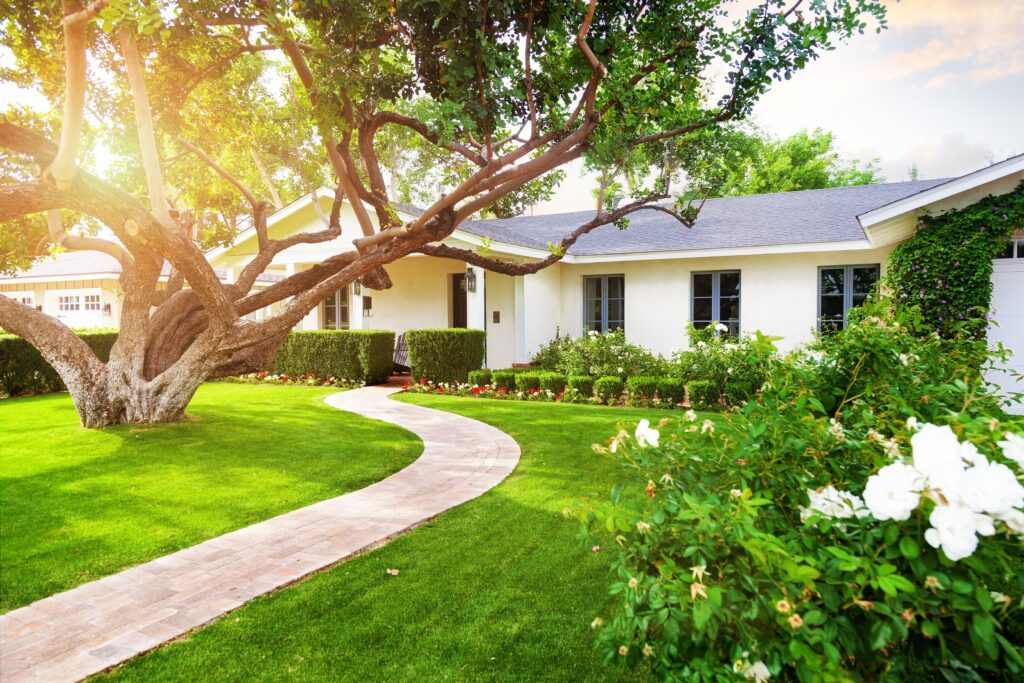
A sun calculator measures exactly how many hours of direct sunlight different parts of your yard receive. Use it to stop guessing and start matching plants correctly.
Quick steps:
- Mark 3–5 potential garden spots
- Measure each spot every hour from sunrise to sunset for 7 days
- Calculate total daily sun hours and note morning vs. afternoon
- Match plants:
- 6+ hours → tomatoes, peppers, squash
- 3–6 hours → lettuce, carrots, broccoli
- <3 hours → hostas, ferns, mint
Key tip: Remeasure with seasons—trees grow and sun angles change.
Every gardener has been there. They plant a beautiful row of tomatoes in what looks like a sunny spot, only to watch the plants grow leggy and produce a handful of small fruits. Or they tuck shade-loving hostas under a tree, and the leaves turn crisp and brown by July. The problem isn’t the soil, the water, or the gardener’s effort. The problem is sunlight.
Most people guess how much sun their garden gets. They step outside at noon, see bright light, and assume the spot is perfect. But the sun moves. Trees grow. Neighbors add fences. A spot that gets 6 hours of morning sun might drop to just 2 hours by afternoon. Guessing leads to disappointment. Measuring leads to success.
This article shares practical garden planning tips using a sun calculator. It draws from real experiences of home gardeners who turned struggling plots into productive paradises. By the end, you will know exactly how to use this tool to grow a better garden.
What Is a Sun Calculator and Why Does Your Garden Need One?
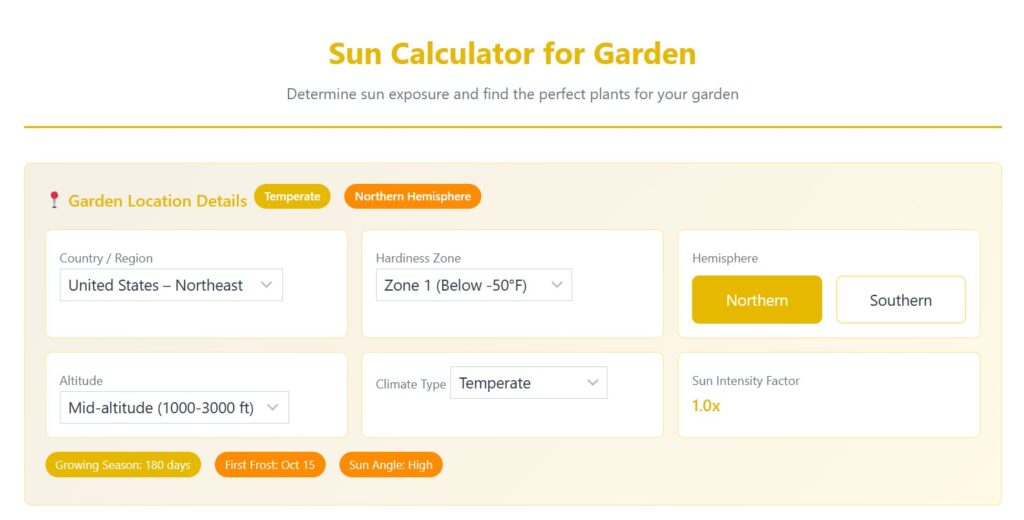
A sun calculator is a simple yet powerful device or app that measures sunlight exposure over time. Some versions are handheld meters. Others are smartphone apps that use the phone’s camera and sensors. The most advanced ones track the sun’s path throughout an entire day and even across seasons.
But why does a garden need such a tool? Here is the reality: Plants are picky about light. A tomato plant needs 6 to 8 hours of direct sun daily to produce sweet, juicy fruits. Lettuce, on the other hand, wilts and bolts under that much heat. It prefers 3 to 4 hours of morning sun with afternoon shade.
Without accurate measurements, gardeners waste money on plants that never reach their potential. They also waste time moving pots or digging up beds to try new locations. One gardener from Oregon shared her experience: “I spent three years moving my vegetable beds around the yard.
Every year, something failed. Then I used a sun tracker for one week. I discovered my ‘sunny’ spot only got 4.5 hours of real direct light. I moved my tomatoes to a different area with 7 hours, and my harvest doubled.”
That is the power of measurement. A sun tracker turns a mystery into a map.
For those ready to start, a reliable option is the Sun Calculator for Garden. It provides easy-to-read reports that help plan any garden layout.
Understanding Sun Exposure: Full Sun, Partial Shade, Full Shade
Before using any tool, it helps to know what the numbers mean. Gardeners and seed packets use specific terms to describe light needs. Here is a simple breakdown:
- Full Sun: 6 or more hours of direct sunlight per day. This includes vegetables like tomatoes, peppers, eggplants, squash, cucumbers, and most fruiting plants. Flowers like roses, zinnias, and marigolds also need full sun.
- Partial Sun / Partial Shade: 3 to 6 hours of direct sun daily. Many leafy greens thrive here, including lettuce, spinach, kale, and chard. Root vegetables like carrots, beets, and radishes also do well. Some flowers like impatiens and begonias prefer this range.
- Full Shade: Less than 3 hours of direct sun. No vegetable produces well in full shade, but many beautiful foliage plants like ferns, hostas, and some types of moss thrive. Herbs like mint and parsley can tolerate shade.
- Dappled Sun: This is sunlight that filters through tree leaves. It creates a pattern of light and shadow. Some woodland plants love this condition.
Here is a critical point that surprises many beginners: Morning sun is gentler than afternoon sun. A spot with 5 hours of morning sun may be perfect for lettuce, while the same 5 hours of scorching afternoon sun will fry it. A sun analyzer records not just hours but also the intensity and time of day.
One experienced gardener noted, “I always thought ‘partial shade’ meant any spot with less than half a day of sun. But after using a sun analyzer, I learned my east-facing bed got 4 hours of cool morning light, while my west-facing bed got 3 hours of harsh afternoon light. The plants in those two spots grew completely differently. Now I match each plant to the right time of day.”
How to Use a Sun Calculator for Garden Planning (Step-by-Step)
Using a sun tracker sounds technical, but it is surprisingly simple. Follow these steps to get accurate, useful data for your garden.
Step 1: Choose Your Sun Calculator Tool
Decide between a physical light meter or a smartphone app. Physical meters cost between 20 and $100 and are very accurate. Smartphone apps are often free or under $10 and convenient for most home gardeners. The key is consistency. Use the same tool throughout the process.
Step 2: Mark Potential Garden Spots
Walk around the yard and identify 3 to 5 areas that could become garden beds. Use small flags, rocks, or stakes to mark each spot. Label them A, B, C, and so on.
Step 3: Measure on a Clear Day
Pick a day with no clouds. Start measuring at sunrise. Place the sun tracker in spot A and record the reading. Return every hour until sunset. Write down whether each hour shows direct sun, partial sun (filtered through branches), or shade.
Step 4: Repeat for a Week
Sunlight changes with weather and seasons. Measure for at least 7 days to get an average. If possible, measure during different seasons. A spot that gets 8 hours of sun in June might get only 3 hours in October because of the lower sun angle.
Step 5: Calculate Total Daily Sun
Add up all the hours of direct sun for each spot. Also note the time of day. For example, spot A might have 4 hours (8 AM to 12 PM) of direct sun. Spot B might have 5 hours (1 PM to 6 PM), spot A is better for leafy greens and Spot B is better for tomatoes.
Step 6: Map Your Garden
Transfer the data to a simple sketch of the yard. Draw the sun patterns. Some gardeners use colored pencils: yellow for full sun, orange for partial, blue for shade. This visual map becomes the blueprint for planting.
One gardener shared, “I used to just look at my yard and guess. After I did this 7-day measurement, I was shocked. My ‘sunniest’ bed only got 5 hours because a neighbor’s oak tree blocked afternoon light. I moved my peppers to a different bed with 8 hours, and they produced twice as many fruits.”
For those who prefer a digital approach, the calculator sun for garden automates much of this process. It uses location data and weather patterns to estimate sunlight without manual hourly checks.
Real-Life Experience: How a Sun Calculator Changed a Gardener’s Yield
Theory is helpful, but real stories stick. Meet Sarah, a home gardener in suburban Michigan. She had been gardening for 5 years with mixed results. Some years her beans were amazing. Other years her tomatoes produced almost nothing. She blamed seeds, soil, and weather.
Then a friend lent her a sun calculator. Sarah decided to measure her three raised beds for one full week. Bed 1 was against the south fence, Bed 2 was in the middle of the lawn and bed 3 was near the garage.
The results stunned her. Bed 1 (south fence) received 7.5 hours of sun, but 5 of those hours were in the brutal afternoon heat, bed 2 (middle of lawn) received 6 hours of gentle morning and midday sun and Bed 3 (near garage) received only 3.5 hours because the garage cast a long shadow.
Before the sun calculator, Sarah had planted tomatoes in Bed 1. The tomatoes survived but often got sunscald—white patches on the fruits. She planted lettuce in Bed 2, but it bolted early. She put peppers in Bed 3, and they barely grew.
After the data, she swapped everything. Tomatoes went to Bed 2 (6 hours of gentle sun). Lettuce and spinach went to Bed 1, where only morning sun hit them before the harsh afternoon shade from the fence protected them. Peppers moved to Bed 3? No, she realized Bed 3 was useless for vegetables. She turned it into a shade garden with hostas and ferns.
The result? Sarah’s tomato harvest increased by 40%. Her lettuce lasted 3 weeks longer before bolting. And her pepper plants, now in a different spot entirely, produced 25% more fruits.
She said, “I felt foolish for wasting 5 years guessing. But also relieved. The sun calculator didn’t cost much, but it saved me years more of frustration.”
Tips for Placing Vegetables Based on Sun Calculator Data
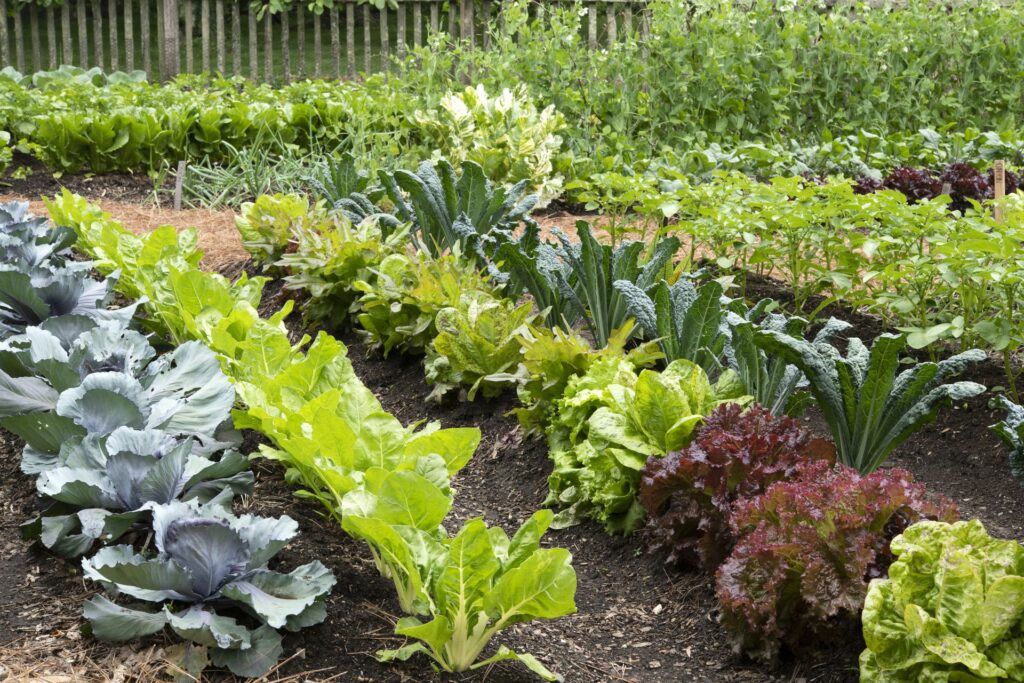
Once you have sun data, matching vegetables to spots becomes easy. Here is a practical guide based on real garden results:
High-Sun Vegetables (6+ hours needed)
These plants crave sunlight. Put them in your brightest measured spots:
- Tomatoes – 6 to 8 hours minimum. More is better.
- Peppers (bell and hot) – 6 to 8 hours.
- Eggplants – 6 to 8 hours.
- Squash and Zucchini – 6 to 8 hours.
- Cucumbers – 6 to 8 hours.
- Corn – 8 hours.
- Beans (pole and bush) – 6 to 8 hours.
- Okra – 8+ hours.
Medium-Sun Vegetables (4 to 6 hours)
These tolerate some shade, especially in hot climates:
- Carrots – 4 to 6 hours.
- Beets – 4 to 6 hours.
- Radishes – 4 to 6 hours.
- Broccoli – 4 to 6 hours (prefers morning sun).
- Cauliflower – 4 to 6 hours.
- Peas – 4 to 5 hours (they like cool weather).
- Potatoes – 5 to 6 hours.
Low-Sun Vegetables (3 to 4 hours)
These are your shade-tolerant champions:
- Lettuce – 3 to 4 hours (morning only in hot regions).
- Spinach – 3 to 4 hours.
- Kale – 3 to 4 hours (can handle more but doesn’t need it).
- Swiss Chard – 3 to 4 hours.
- Arugula – 3 hours.
- Mustard Greens – 3 to 4 hours.
- Parsley – 3 to 4 hours.
- Mint – 3 hours (grows almost anywhere).
A Pro Tip from Experienced Gardeners
Here is something most guides won’t tell you: Sun calculator data changes with the seasons. A spot that gets 7 hours in June might only get 4 hours in September because the sun’s arc drops lower. For fall gardens, measure in late summer. For spring gardens, measure in early spring.
One gardener explained, “I planted a fall carrot crop in a spot that had 6 hours in August. By October, a nearby tree plus the lower sun angle reduced it to 3 hours. The carrots were tiny. Now I measure each bed in the actual season I plan to plant.”
Using Sun Calculators for Perennial Beds and Flower Gardens
Vegetable gardens get most of the attention, but sun calculators work just as well for flowers and perennials. Perennials live for years, so mistakes hurt longer. Planting a sun-loving rose in a shady spot means years of poor blooms. Planting a shade-loving astilbe in full sun means years of crispy leaves.
Matching Flowers to Sun Data
Use your sun calculator to map flower beds the same way as vegetable beds. Then match these common flowers:
Full Sun (6+ hours):
- Roses
- Lavender
- Black-eyed Susans
- Coneflowers
- Zinnias
- Marigolds
- Sunflowers
- Salvia
Partial Sun (3 to 6 hours):
- Hydrangeas (some varieties need morning sun only)
- Bleeding Heart
- Coral Bells
- Foxglove
- Primrose
- Lobelia
Full Shade (less than 3 hours):
- Hostas
- Ferns
- Astilbe
- Hellebores
- Impatiens
- Begonias (wax varieties)
One perennial gardener shared her experience: “I had a hosta that looked terrible every August. The leaves turned yellow and brown. I assumed it needed more water. But after using a sun calculator, I found the spot got 5 hours of afternoon sun. Hostas want less than 3 hours. I moved it to a north-facing bed with 2 hours of dappled light. It never looked better.”
Common Mistakes Gardeners Make When Assessing Sunlight
Even with a sun calculator, gardeners make errors. Avoid these common pitfalls:
Mistake 1: Measuring Only Once
Sunlight changes every day. A cloudy Tuesday is different from a clear Saturday. Measure over multiple days. The average tells the truth.
Mistake 2: Ignoring Seasonal Changes
That maple tree has no leaves in April but full foliage by June. A spot that gets 6 hours in spring might get 2 hours in summer after the tree leafs out. Measure during the season you will garden.
Mistake 3: Forgetting Reflected Light
White walls, fences, or patios reflect sunlight. A spot with 4 hours of direct sun might actually give plants 5.5 hours of effective light because of reflection. A sun calculator that measures intensity (lux or foot-candles) captures this better than simple timers.
Mistake 4: Confusing Shade with Shade
Not all shade is equal. Dense shade under a thick evergreen is dark all day. Dappled shade under a birch tree lets light filter through. Most sun calculators distinguish between these. Pay attention.
Mistake 5: Trusting Old Measurements
Trees grow. Neighbors build structures. That open spot from three years ago might now be shaded by a 15-foot maple. Remeasure every 2 to 3 years or after any landscape change.
A gardener from Texas learned this the hard way: “My vegetable bed was perfect for 6 years. Then my neighbor’s oak tree grew 12 feet taller. I didn’t remeasure. My tomatoes struggled for two seasons before I realized the bed now only got 3.5 hours. I felt so silly.”
Combining Sun Calculator Results with Other Garden Planning Tools
A sun calculator is powerful alone, but combined with other tools, it becomes unstoppable. Here are complementary tools that experienced gardeners use:
Soil Testing Kits
Sun and soil work together. A sun-loving plant in poor soil still fails. Test soil pH and nutrients. Most vegetables prefer pH between 6.0 and 7.0. Home test kits cost 10 to 20.
Rain Gauges
Water needs change with sun exposure. A full-sun bed dries out faster than a shady bed. A rain gauge helps track how much water plants actually receive. Vegetables need about 1 inch of water per week. More in full sun, less in shade.
Compass or Sun Path App
Understanding the sun’s path helps plan beyond just hours. South-facing beds get the most total light in the Northern Hemisphere. East-facing gets cool morning light. West-facing gets hot afternoon light. A compass (or a free compass app) tells you orientation instantly.
Garden Planning Software
Several online tools let you draw your garden map, input sun data, and drag-and-drop plants into optimal spots. Some even send reminders for planting dates. The Sun Calculator Garden tool integrates with basic planning features to simplify the process.
One dedicated gardener said, “I used a sun calculator plus a soil test kit plus a rain gauge. Together, they gave me a complete picture. My yields went up by 50% in just one season. The sun calculator was the starting point, but all three tools worked as a team.”
Summary
A sun calculator measures exact sunlight hours in your yard, removing guesswork from garden planning. Use it to map different spots over 7 days, recording daily sun exposure and noting morning versus afternoon light.
Key findings:
- Full sun (6+ hours) = tomatoes, peppers, squash
- Partial sun (3–6 hours) = lettuce, carrots, broccoli
- Full shade (<3 hours) = hostas, ferns, mint
Common mistakes: measuring only once, ignoring seasonal changes (trees, sun angle), and forgetting reflected light.
Real result: One gardener increased tomato harvest by 40% after relocating plants based on sun calculator data.
Bottom line: Measure, match plants to their light needs, and remeasure every 2–3 years. Stop guessing—start growing.
Conclusion: Stop Guessing, Start Growing
Gardening should be joyful, not frustrating. Yet countless gardeners quit every year because their plants fail for reasons they cannot figure out. Most of the time, the culprit is sunlight—too much or too little.
A sun calculator removes the mystery. It provides clear, actionable data. Anyone can use it, regardless of experience level. The tool costs little but saves years of trial and error.
Remember the key steps: measure for multiple days, note the time of day for sun exposure, match plants to their light needs, and remeasure when seasons or landscapes change. Avoid common mistakes like measuring once or ignoring reflected light.
The stories shared here prove that real gardeners have transformed their plots with this simple tool. Sarah increased her tomato harvest by 40%. The Oregon gardener doubled her yield. The Texas gardener corrected a hidden shade problem. These are not rare exceptions. They are typical results when guessing stops and measuring begins.
Now it is your turn. Grab a sun calculator, pick 3 spots in your yard, and measure for one week. Create a sun map. Then match your favorite plants to the right locations. The difference will surprise you.
Happy gardening, and may your harvests be bountiful.
FAQs
How many hours of sun do tomatoes need?
Tomatoes need 6 to 8 hours of direct sunlight daily to produce sweet, high-yielding fruits. Less than 6 hours leads to leggy plants and poor harvests. Use a sun calculator to measure your garden spots before planting.
Can I use a sun calculator for a shady garden?
Yes. A sun calculator helps identify which areas receive less than 3 hours of direct sun. Those spots are perfect for shade-loving plants like hostas, ferns, mint, and lettuce (which prefers 3–4 hours of cool morning light). Without measurement, you risk planting sun lovers in shade.
What is the best free sun calculator app?
Many reliable free apps include Lux Light Meter, Sun Seeker, and PhotoPills (trial version). For a dedicated garden tool, look for online sun calculators that offer easy-to-read reports based on your location. Always measure for at least 7 days to get accurate averages.
Does morning sun count the same as afternoon sun for plants?
No. Morning sun is cooler and gentler, making it ideal for leafy greens like lettuce and spinach. Afternoon sun is hotter and more intense—better for fruiting plants like tomatoes and peppers. A sun calculator records both the number of hours and the time of day, helping you match each plant to the right conditions.
How often should I remeasure sunlight in my garden?
Remeasure every 2 to 3 years or after any landscape change. Trees grow, neighbors add fences, and seasonal sun angles shift. One gardener lost 3.5 hours of sun after a neighbor’s oak tree grew just 12 feet. Using a sun calculator tool regularly prevents wasted time and failed crops.