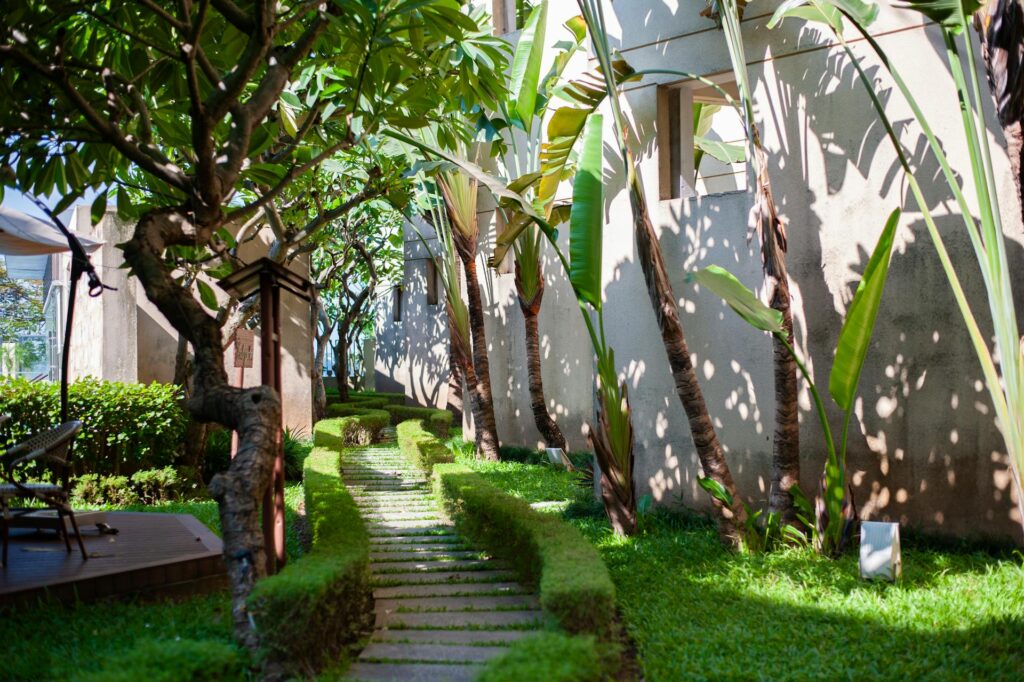
The sun shifts position every season, changing light levels across your garden. Winter sun sits low = long shadows, less light. Summer sun sits high = short shadows, more light. The same spot can gain or lose 3–4 hours of sunlight between seasons. So always plan your garden layout based on year-round sunlight, not just one season.
Every gardener knows that feeling — you plant something in what seems like the perfect sunny spot in spring, and by midsummer, it sits in heavy shade. Or maybe a bed that looked too shady in winter suddenly bursts with full sunlight come July. This is not bad luck. This is simply the sun doing what it always does: moving.
Seasonal sun changes are one of the most overlooked factors in garden planning, and understanding them can completely transform the way a garden grows. A garden that works with the sun’s annual journey will always outperform one that fights against it.
In this blog post we breaks down exactly how the sun shifts through the seasons, why that matters for plant placement, and how real gardeners use this knowledge to build thriving, beautiful spaces.
Why the Sun Does Not Stay in One Place
Most people know the sun rises in the east and sets in the west. But what many do not realize is that the path the sun takes across the sky changes dramatically throughout the year. In the Northern Hemisphere, the sun tracks low and southward during winter months. By summer, it rides high and nearly overhead at midday.
This shift changes everything about how light reaches the garden.
In winter, the sun sits so low in the sky that tall fences, hedges, large trees, and even nearby buildings cast shadows that stretch far across the garden — sometimes covering two to three times the area they shade in summer. In summer, those same structures may cast shadows that barely reach past their own base.
This means a spot that gets full sun in June might receive only 2 to 3 hours of direct sunlight in December. And a spot that seems completely shaded in February might actually be one of the sunniest corners of the garden by late spring.
Understanding this is not just interesting garden trivia — it is the foundation of smart garden design.
How Seasonal Sun Shifts Play Out Month by Month
Winter: The Low-Angle Challenge

From November through February, the sun rises in the southeast, travels low across the southern sky, and sets in the southwest. This low angle means that anything tall creates long, sweeping shadows. North-facing garden beds can go weeks with barely any direct sunlight at all.
During this season, many gardeners are surprised to find that areas they thought were sunny suddenly feel dark and damp. Cold-tolerant crops like kale, spinach, and garlic often struggle not because of cold alone, but because they end up in a spot that loses 3 to 4 hours of sunlight compared to summertime.
South-facing slopes and walls become valuable real estate in winter. They capture the low southern sun and warm up faster than flat ground. Experienced gardeners often place their earliest spring beds against south-facing walls precisely because of this.
Spring: The Garden Wakes Up — But the Sun Is Still Shifting

By March and April, the sun begins climbing higher in the sky. The days grow longer, and shaded patches start shrinking. This is the trickiest season for garden planning because conditions are changing fast.
A bed that looks sunny in early March may already be different by late April. Trees that were bare all winter begin leafing out, and suddenly a previously bright spot turns shady. This is something many first-time gardeners encounter — they plant sun-loving tomatoes or peppers in spring, only to realize in June that a large deciduous tree now blocks four hours of afternoon sun that was freely available in March.
Paying attention to where shadows fall during this transitional period helps gardeners make smarter decisions about placement. Watching the garden during a full day in early spring — noting where sun lands in morning, midday, and late afternoon — gives real data to work with. Tools like a sun calculator for plants can make this process much more precise and remove the guesswork entirely.
Summer: The High-Sun Season

June and July bring the most generous sunlight of the year. The sun rises in the northeast, travels high overhead, and sets in the northwest. Shadows are short and light reaches nearly every corner of the garden.
This is the season most gardeners design for — and that is actually a mistake. Designing entirely around summer sunlight ignores what happens for the other eight or nine months of the year.
That said, understanding the summer sun pattern still matters enormously. During peak summer, south-facing beds can become too hot and dry, especially for delicate greens or shallow-rooted herbs. Afternoon shade from a pergola, tall companion plants, or strategically placed structures can actually improve growing conditions for many crops during this intense period.
Full-sun plants — tomatoes, cucumbers, zucchini, basil, most flowering annuals — thrive in spots that receive at least 6 to 8 hours of direct sunlight in summer. Placing them well means knowing not just that a spot is sunny, but when it is sunny. Morning sun is gentler and less likely to cause heat stress. Afternoon sun, especially in hot climates, can be harsh and drying.
Autumn: A Gentle Fade

From September through October, the sun follows a path very similar to spring — it sits at a moderate angle and the days shorten steadily. Shadows grow longer again as the season progresses.
For many cool-season crops like lettuce, arugula, and broccoli, autumn is actually a more productive growing window than summer. But success depends on choosing spots where the sun still reaches adequately, even as it begins its winter retreat.
Gardeners who understand the autumn sun angle can extend their growing season significantly. Placing cold frames, low tunnels, or cloches in spots that catch the lower autumn sun — rather than spots that were sunny all summer — gives plants the best chance of thriving deep into the season.
Structures, Trees, and Buildings: The Shade Creators That Shift
One of the most practical things a gardener can learn is how the fixed elements of their landscape interact with changing seasonal sun. Structures do not move — but the shadows they cast shift dramatically throughout the year.
A 2-metre-tall fence running east to west will cast a shadow that stretches only a metre or two northward at midday in June. In December, that same fence casts a shadow that may reach 6 to 8 metres northward. Anyone planning a vegetable garden on the north side of such a fence needs to account for this.
Trees are equally complex. A large oak or apple tree in full summer leaf can shade an area 10 to 15 metres in diameter. Strip that tree of its leaves in winter, and suddenly the garden beneath it receives far more light — which is why many gardeners successfully grow winter vegetables under deciduous trees that would otherwise be too shady in summer.
Tracking these shifting shadow patterns is something experienced gardeners do automatically. They walk their garden at different times of day and different times of year and they notice where frost lingers longest (a reliable clue about where the sun reaches last). They also observe which areas dry out fastest after rain, which usually indicates the most sun exposure.
For those who want to approach this more systematically, measuring sunlight in the garden across multiple seasons gives a much clearer picture than any single observation can provide.
What Different Plants Actually Need — And When
Understanding seasonal sun shifts matters most when matched with an understanding of what different plants actually need.
Full-sun plants (requiring 6+ hours of direct sunlight daily): Tomatoes, peppers, eggplant, cucumbers, squash, melons, most herbs like basil and rosemary, lavender, sunflowers, and most fruiting crops fall into this category. These plants need to be placed where summer sun is long and reliable, but the gardener should also check that the same spot does not turn into a dark corner by autumn when cool-season crops might follow.
Part-sun or part-shade plants (requiring 3 to 6 hours of direct sunlight): Lettuce, spinach, kale, cilantro, mint, impatiens, hostas, ferns, and many native woodland flowers thrive in this range. These plants often appreciate spots that get morning sun but afternoon shade — especially in warmer climates where summer afternoon heat is intense.
Shade-tolerant plants (requiring fewer than 3 hours of direct sunlight): Astilbe, bleeding heart, many ferns, wild ginger, and some ground covers do well in spots that are shaded for most of the day. These are the plants to reach for in those tricky north-facing beds that lose so much winter light.
Matching the right plant to the right seasonal light conditions — rather than just the summer conditions — leads to far better outcomes throughout the year.
Practical Steps to Map Seasonal Sunlight in Your Garden
The most reliable way to understand how the sun moves through a specific garden is to observe it directly across all four seasons. Here is how many experienced gardeners approach this:
Step One: Create a simple sun map. Sketch the garden from above and mark any tall features — fences, buildings, trees, hedges. Note which direction is north.
Step Two: Observe at three key times. On a clear day, note where the sun falls at 9 AM, noon, and 3 PM. Do this in at least two seasons — ideally midsummer and midwinter.
Step Three: Mark seasonal patterns. Use different colours or symbols to show summer and winter sun zones. Areas that stay sunny in both seasons are the most reliable spots for year-round growing. Areas that shift from sunny to shaded are best used for seasonally appropriate planting.
Step Four: Use that information to plan. The garden’s permanent features — raised beds, fruit trees, paths, greenhouses — should always be placed based on year-round light, not just the season they happen to be installed in.
For gardeners who want guidance on this planning process, exploring garden tips using sun calculator offers a practical framework for turning sun observations into confident planting decisions.
The Real Cost of Ignoring Seasonal Sun Shifts
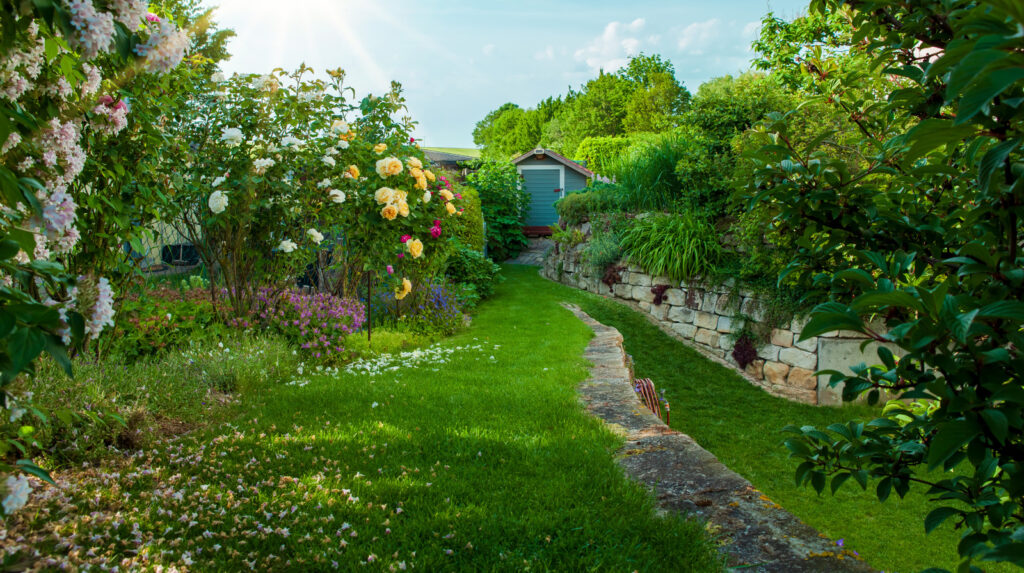
Gardeners who do not account for seasonal sun changes often repeat the same frustrating patterns year after year. They wonder why their tomatoes never produce as much as expected, not realizing the bed loses two hours of afternoon sun by late August as the sun shifts southward again.
They cannot understand why their spring greens bolt immediately, not noticing that a border bed that seemed nicely shaded in April actually turns into a heat trap by June as the sun climbs.
These are not failures of effort or care. They are failures of information. A gardener who understands how their specific space receives light across all four seasons can plan around these shifts deliberately — and the results show dramatically in plant health, yield, and overall garden satisfaction.
Soil, water, and fertiliser all matter enormously. But sunlight is the one resource that cannot be supplemented. It either reaches the plant, or it does not. That is why choosing the right garden spot — with full awareness of how the sun moves through it seasonally — may be the single highest-impact decision any gardener makes.
Layout Strategies That Work With Seasonal Sunlight
Here are approaches that experienced gardeners use to build layouts that work across the whole year:
Tall plants to the north. In the Northern Hemisphere, placing the tallest plants — climbing beans, staked tomatoes, sunflowers, corn — on the northern end of beds prevents them from shading shorter plants during the long summer days. This simple principle allows more even sunlight distribution across the whole bed.
Year-round edibles in the sunniest zones. Areas that receive reliable sun in both summer and winter are the best investment spots. These should hold the most productive crops — raised vegetable beds, herb spirals, or polytunnel positions.
Deciduous trees as strategic shade tools. A deciduous tree on the west or southwest side of the garden provides welcome afternoon shade to tender plants in summer, then drops its leaves in autumn and winter — allowing light to reach cool-season beds when it is most needed.
Rotate crops with the sun in mind. Crop rotation is standard practice for soil health, but it also offers the opportunity to match different crops to the light levels their particular growing season demands. Cool-season brassicas can follow summer squash in a partly shaded autumn bed, for example.
Use slopes and microclimates. South-facing slopes receive more direct winter sun and warm up earlier in spring. A small raised bed positioned on even a gentle south-facing slope can extend the growing season by two to three weeks compared to flat ground.
Final Thoughts
The garden is a dynamic place. Conditions change hour by hour, day by day, and season by season. The sun that floods a border in July is not the same sun that grazes that same spot in January.
Buildings cast longer shadows in winter. Trees fill with leaves in summer. Even a new structure added to a neighbouring property can permanently change a garden’s light patterns.
The gardeners who get the most out of their spaces are not necessarily the ones with the best soil or the most expensive tools.
They are the ones who take time to understand their specific light environment — who walk their gardens at different times of day and different times of year, who note where the frost lingers and where the soil dries first, who plan beds not just for how they look in planting season but for how they will perform all year round.
Seasonal sunlight is not a problem to solve. It is a rhythm to learn. Once a gardener understands how the sun moves through their space — through winter’s low southern arc and summer’s high overhead passage — everything about planting, layout, and timing starts to make more sense. The garden rewards that understanding generously, season after season.
Take the time to learn the sun. It is the most honest guide in the garden.
FAQs
How does the sun position change between summer and winter in the garden?
In summer, the sun travels high overhead, giving gardens long hours of direct light and short shadows. In winter, it sits low in the sky, creating long shadows that can block sunlight from beds that were fully sunny just months before. The difference can mean 3 to 4 fewer hours of daily sunlight in the same spot.
Why is my garden sunny in spring but shady in summer?
Deciduous trees are usually the cause. In early spring they are bare, so light passes through freely. By summer, their full canopy can block 4 to 6 hours of sunlight that was available just weeks earlier. Always observe your garden after trees have fully leafed out before finalizing plant placement.
Which garden spots get the most sun year-round?
South-facing beds and slopes receive the most consistent sunlight across all seasons in the Northern Hemisphere. Avoid placing important growing areas on the north side of tall fences, walls, or buildings, as these spots lose the most light in winter when the sun tracks low and southward.
How many hours of sunlight do vegetables need per day?
Most vegetables need 6 to 8 hours of direct sunlight daily to produce well. Leafy greens like lettuce and spinach can manage on 3 to 4 hours, making them better choices for partly shaded spots. Fruiting crops like tomatoes, peppers, and cucumbers always need the sunniest position available.
How do I track seasonal sunlight changes in my garden?
Observe your garden at 9 AM, noon, and 3 PM on a clear day in at least two different seasons — midsummer and midwinter give the most contrast. Sketch where shadows fall each time. This simple method reveals which areas are reliably sunny year-round and which shift dramatically, helping you place plants and beds with confidence.