For most gardens, a 5/8 inch hose is the sweet spot—good balance of flow and weight, fine for spaces up to about 3,000 square feet with lengths of 50–75 feet.
For really large gardens (over 5,000 square feet), or whenever the hose needs to stretch past 100 feet or run multiple sprinklers at once, upgrade to a 3/4 inch hose since it carries much more water with less pressure loss.
1/2 inch hoses are fine only for small patios, pots, or quick rinsing jobs—they choke flow over long distances.
Anyone who has spent a weekend dragging a hose across a big backyard knows the struggle. The water trickles out slower than expected, the hose feels heavy, and by the time the last bed gets watered, the first one has already dried out again.
After years of trial and error with different hoses, lengths, and nozzles, it becomes clear that the size of the hose makes a bigger difference than most people realize. This guide walks through everything needed to pick the right hose size for a large garden, based on real testing, real mistakes, and what actually works in the long run.
Why Hose Size Actually Matters More Than People Think
Most gardeners focus on the length of a hose and forget about the diameter completely. That is a mistake. The diameter of a hose controls how much water can move through it at any given time. A longer hose with a small diameter will always struggle to deliver enough water pressure to reach the far corners of a big yard.
Think of it like a drinking straw versus a wide pipe. Both can carry water, but the wider one moves far more volume in the same amount of time. For a small patio with a few pots, this difference barely matters. For a large garden that covers several hundred square feet, it becomes the deciding factor between a healthy lawn and a patchy one.
After testing several hoses across different garden sizes, the pattern becomes obvious. Smaller diameter hoses work fine for short distances and light watering tasks like filling a small birdbath or washing off garden tools. But once the garden stretches beyond 50 feet from the water source, or once multiple sprinklers and soaker hoses are connected together, the diameter starts to matter a lot.
Standard Hose Diameters Explained
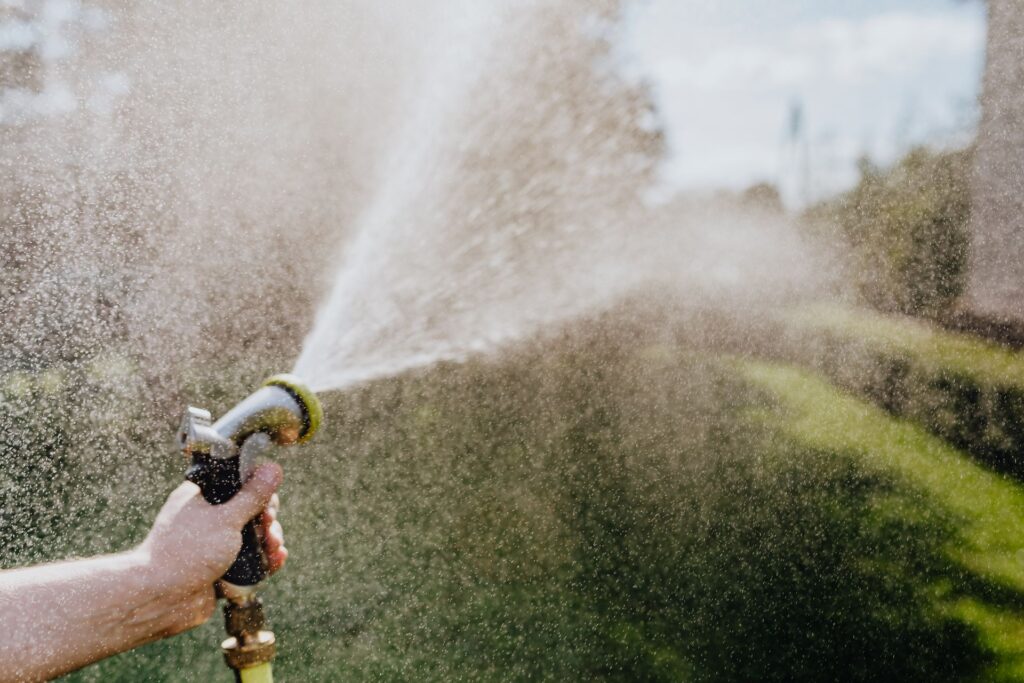
Garden hoses generally come in three common diameters: 1/2 inch, 5/8 inch, and 3/4 inch. There are also a few specialty sizes like 3/8 inch, but those are mostly used for light-duty tasks around small patios or balconies.
1/2 Inch Hoses
These are the lightest and easiest to carry around. They work well for container gardens, small flower beds, and quick tasks like rinsing off a deck. However, for anyone with a large garden, this size usually falls short. The water flow is noticeably weaker, especially when the hose is stretched out to 75 feet or more.
5/8 Inch Hoses
This is the size most experienced gardeners recommend as a starting point for medium to large gardens. It strikes a good balance between water flow and weight. A 5/8 inch hose can comfortably handle most sprinklers, soaker hoses, and standard nozzles without a major drop in pressure, even at longer lengths.
3/4 Inch Hoses
These are the heavy hitters. A 3/4 inch hose moves significantly more water per minute compared to the smaller sizes. For someone watering a garden that spans half an acre or more, or for anyone running multiple sprinklers from one outdoor faucet, this size often becomes necessary. The downside is that these hoses are heavier, bulkier, and usually cost more.
How Garden Size Should Guide Hose Diameter Choice
There is no single “best” hose size that works for every garden. The right choice depends heavily on how big the space is, how far the water needs to travel, and what kind of watering tools are being used.
For a garden under 1,000 square feet, a 5/8 inch hose at a length of 50 to 75 feet is usually more than enough. This size handles hand watering, basic sprinklers, and most garden tasks without any noticeable drop in pressure.
For a garden between 1,000 and 5,000 square feet, things start to change. At this size, a 5/8 inch hose can still work, but only if the water source has decent pressure to begin with. If the garden has multiple zones that need watering at the same time, or if the hose needs to stretch beyond 100 feet, upgrading to a 3/4 inch hose makes a noticeable difference.
For anything larger than 5,000 square feet, especially properties with multiple garden beds spread across a yard, a 3/4 inch hose becomes almost essential. At this scale, water pressure drops significantly over distance, and a smaller hose simply cannot keep up with the demand from sprinklers, drip systems, or multiple connected hoses.
The Connection Between Hose Length and Diameter
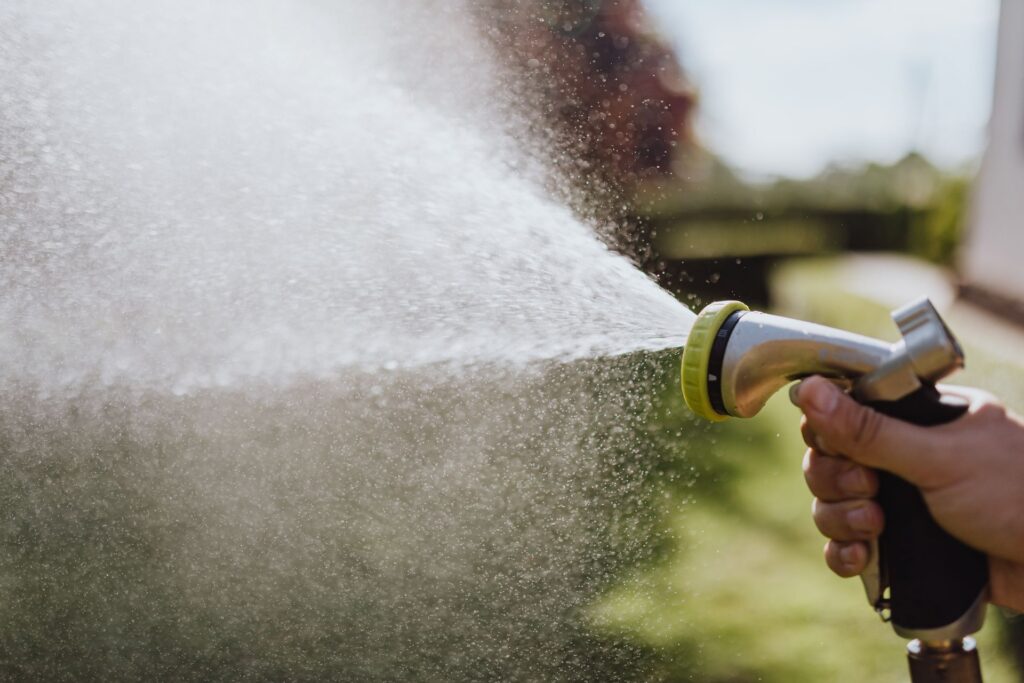
This is the part many people overlook completely. A hose that is too long for its diameter will lose pressure no matter how good the water source is. This is why a 100-foot hose with a 1/2 inch diameter often performs worse than a 50-foot hose of the same diameter, even though both are technically “the same size” of hose.
The longer the hose, the more friction the water experiences as it travels through. This friction slows the water down and reduces the overall flow rate by the time it reaches the nozzle or sprinkler. For large gardens that require long hoses, pairing that length with a wider diameter helps offset this natural pressure loss.
A simple way to think about it: if doubling the length of a hose, it often helps to go up one size in diameter to maintain similar water flow. So someone moving from a 50-foot 1/2 inch hose to a 100-foot hose for a bigger garden should seriously consider switching to 5/8 inch or even 3/4 inch, depending on the overall size of the space.
Water Pressure and Flow Rate: The Hidden Factor
Hose diameter is only one piece of the puzzle. The other major factor is the water pressure and flow rate coming from the home’s plumbing system itself. Even the widest, best-quality hose cannot perform well if the water source itself has weak pressure.
Before buying a new hose, it helps to actually test the current water flow. This can be done by timing how long it takes to fill a 5-gallon bucket using the outdoor faucet directly, without any hose attached. If it takes less than 20 seconds, the water pressure is generally strong. If it takes closer to a minute or more, the pressure may be on the lower side, and a wider hose will help compensate for that.
For anyone wanting a clearer picture of what counts as a good flow rate for a garden hose, there are detailed breakdowns available that explain the numbers in a simple, practical way. Understanding these numbers ahead of time saves a lot of frustration later, especially when trying to run sprinklers across a wide garden bed.
Real Experience: What Happens When the Hose Is Too Small
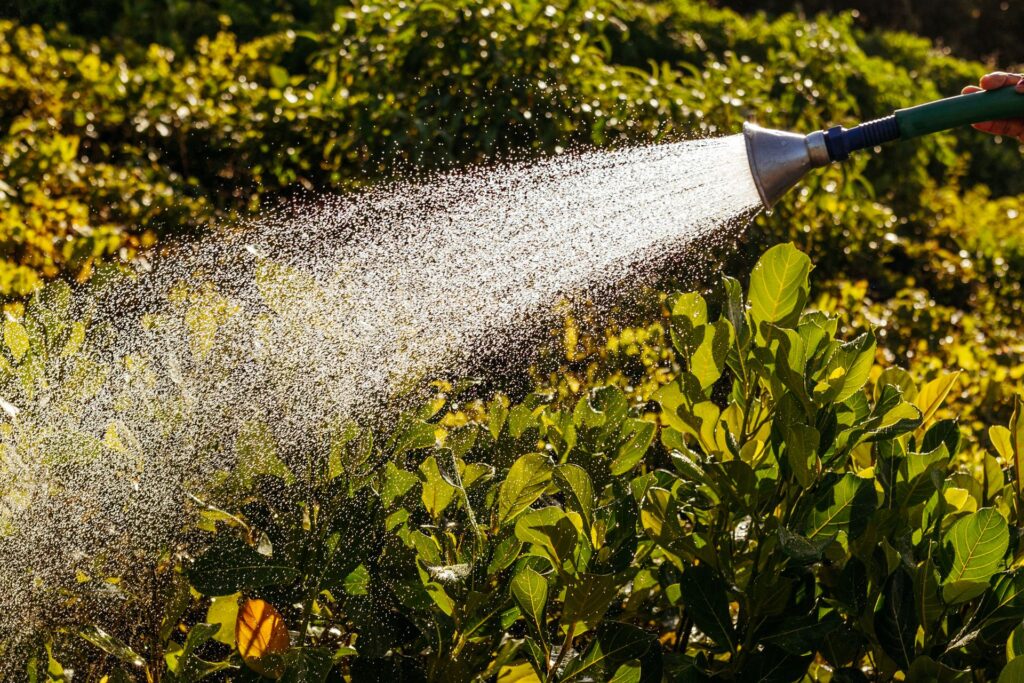
During one particularly dry summer, a gardener with a backyard spanning roughly 3,000 square feet decided to stick with the 1/2 inch hose that came bundled with a new sprinkler kit. The sprinkler was rated for a coverage area that should have easily handled the space, but the actual results told a different story.
The sprinkler barely reached two-thirds of its rated distance. Water pooled near the faucet end of the hose while the far end of the garden stayed dry. After switching to a 5/8 inch hose of the same length, the difference was immediate. The sprinkler reached its full rated distance, and watering time for the entire garden dropped by almost 15 minutes per session.
This kind of real-world testing highlights something that specs on a box often do not show clearly. The hose itself can become the bottleneck, even when every other piece of equipment is rated correctly for the job.
Material Matters Too: Rubber vs Vinyl vs Hybrid
While diameter gets most of the attention, the material of the hose also plays a role in how well it performs for large gardens.
Vinyl hoses are the lightest and cheapest option. They work fine for small spaces but tend to kink easily, especially when stretched across longer distances. Kinks restrict water flow, which defeats the purpose of choosing a wider diameter in the first place.
Rubber hoses are heavier but far more durable. They resist kinking much better and tend to hold up well in both hot and cold weather. For large gardens where the hose gets dragged across grass, gravel, or mulch regularly, rubber tends to last longer.
Hybrid hoses, which combine rubber and synthetic materials, have become popular in recent years. They offer a good middle ground, staying flexible even in cooler temperatures while still resisting kinks better than basic vinyl. For someone investing in a 3/4 inch hose for a large garden, choosing a hybrid or rubber option is usually worth the extra cost.
Nozzles, Sprinklers, and Attachments: Do They Need to Match the Hose Size?
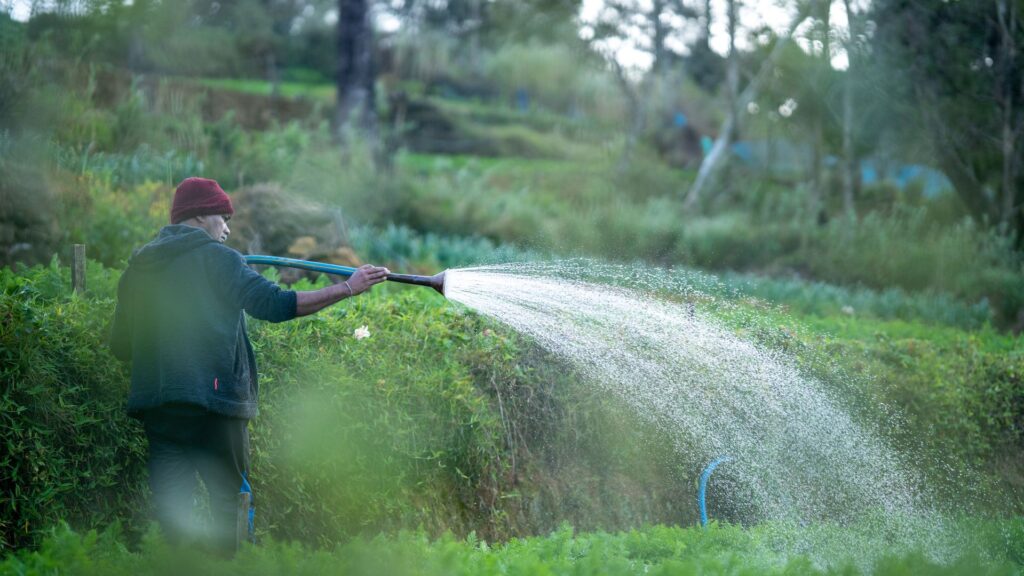
This is a common point of confusion. Most nozzles and sprinklers are designed to fit standard hose threads, regardless of the internal diameter. However, the internal diameter of the attachment itself can still create a bottleneck.
For example, attaching a narrow nozzle to a wide 3/4 inch hose will not provide much benefit if the nozzle opening itself restricts the flow down to something closer to a 1/2 inch equivalent. This is another reason why testing the whole system together matters more than just looking at the hose alone.
For anyone setting up a new watering system for a large garden, it helps to check the flow rating of sprinklers and attachments separately from the hose. A Garden Hose Flow Rate Calculator can be useful here, since it allows for plugging in hose diameter, length, and water pressure together to get a realistic estimate of what the system can actually deliver, rather than relying on guesswork.
How Many Hoses Should a Large Garden Have?
For very large properties, relying on a single long hose is often not the most efficient approach. Instead, many experienced gardeners use a combination of shorter hoses connected to multiple outdoor faucets, or they split a single long hose into sections using Y-connectors.
A 75-foot 3/4 inch hose connected to a 25-foot 5/8 inch extension for tighter corners is a common setup that balances flow and flexibility. The thicker hose carries the bulk of the water across the main distance, while the thinner, more flexible section makes it easier to maneuver around flower beds, trees, or garden furniture.
This kind of mixed setup often performs better than trying to use one extremely long hose of a single diameter, since it reduces overall pressure loss while still keeping things manageable to move around.
Common Mistakes to Avoid When Choosing Hose Size
After years of working with different hose setups, a few mistakes come up again and again.
The first mistake is buying based on length alone. A 100-foot hose sounds impressive, but if the diameter is too small, that extra length becomes a liability rather than a benefit.
The second mistake is ignoring the water source’s existing pressure. Even a perfectly sized hose cannot make up for weak pressure at the faucet. In these cases, upgrading the diameter helps, but it has limits.
The third mistake is forgetting about storage and handling. A 3/4 inch hose that is 100 feet long can be quite heavy when filled with water. For anyone with mobility concerns or limited storage space, this is worth considering before buying the biggest size available.
The fourth mistake is mixing hose sizes without checking compatibility. Connecting a 1/2 inch hose to a 3/4 inch hose using a basic connector can create a pressure drop at the connection point, reducing the benefits of the larger hose entirely.
Practical Recommendations Based on Garden Size
To make things simple, here is a general breakdown based on real-world testing across different garden sizes.
For small to medium gardens up to 1,000 square feet, a 5/8 inch hose between 25 and 50 feet works well for most needs.
For medium to large gardens between 1,000 and 3,000 square feet, a 5/8 inch hose between 50 and 75 feet is usually sufficient, especially if water pressure at the source is strong.
For large gardens between 3,000 and 5,000 square feet, a 3/4 inch hose between 75 and 100 feet tends to perform better, particularly when running sprinklers or multiple attachments.
For very large properties over 5,000 square feet, a combination approach works best. A 3/4 inch main hose paired with shorter 5/8 inch extensions for detail work around beds and corners offers the best balance of flow and flexibility.
Seasonal Considerations for Large Garden Hoses
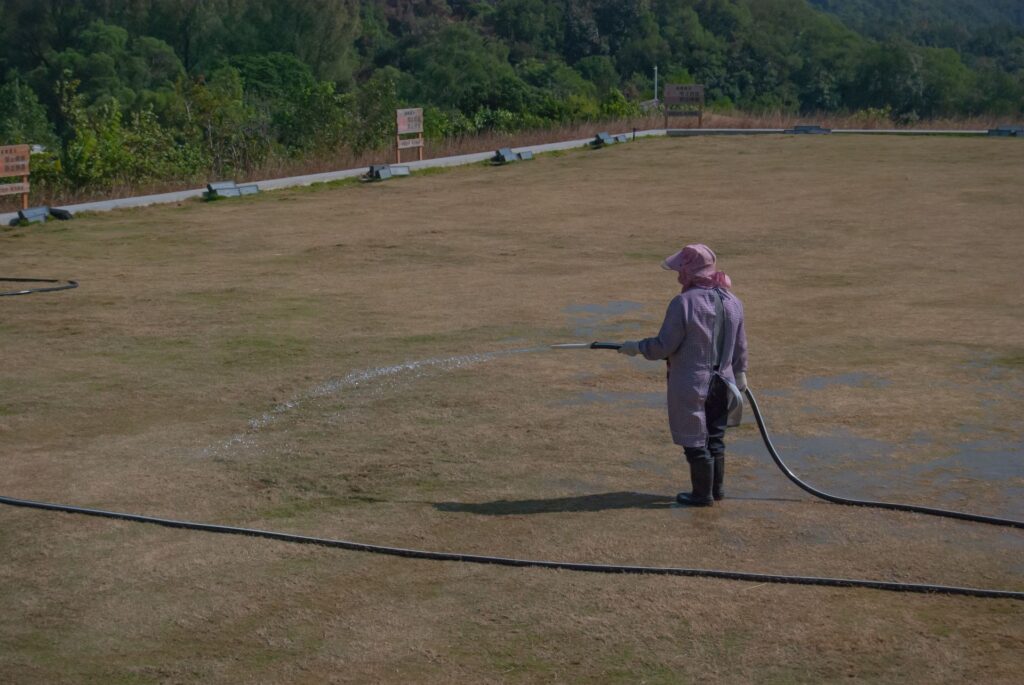
Weather plays a bigger role in hose performance than most people expect. During the hottest months of summer, plastic and vinyl hoses tend to become softer and more prone to bulging at weak points, especially under higher water pressure. A 3/4 inch hose handles this better simply because there is more material spread across a wider surface, reducing the chance of a sudden burst near a connector.
In colder months, the opposite problem appears. Vinyl hoses can become stiff and brittle, making them harder to coil and more likely to crack at the fittings. Rubber and hybrid hoses tend to stay more flexible in cooler temperatures, which matters for anyone watering a large garden during early spring or late autumn when temperatures swing throughout the day.
For gardeners in areas with hot summers, storing the hose in a shaded spot when not in use helps extend its life significantly. A hose left coiled in direct sunlight for an entire season often degrades faster than one stored in a hose reel or under a porch, regardless of its diameter.
Caring for a Large Diameter Hose So It Lasts Longer
A 3/4 inch hose is a bigger investment than a standard 1/2 inch hose, both in terms of cost and in terms of effort to move around. Taking care of it properly helps it last for many seasons rather than needing replacement after just one or two.
Draining the hose fully before storing it is one of the simplest habits that makes a big difference. Water left sitting inside a hose over winter can freeze, expand, and crack the inner lining, which leads to leaks that are often hard to spot until the next watering season begins.
Avoiding sharp bends near the connectors is another small habit that pays off over time. The areas right behind the brass fittings are usually the first to wear out, since they experience the most stress whenever the hose is dragged or coiled. A hose reel with a wide drum helps reduce this stress by keeping the bends gentle rather than tight.
Checking the rubber washers inside the connectors every season is also worth the few minutes it takes. A worn washer can cause leaks at the connection point, which reduces water pressure to the rest of the hose, even if the hose itself is in perfect condition. This is an easy fix that often gets overlooked simply because it is hidden inside the fitting.
Budget Considerations: Is a Bigger Hose Worth the Cost?
Price is often the first thing people look at, and it is true that a 3/4 inch hose usually costs more than a 5/8 inch or 1/2 inch hose of the same length and material. However, looking only at the upfront price misses the bigger picture.
A hose that delivers better flow means less time spent watering, which can translate into real savings on water usage, especially for anyone on a metered water supply. It also means less wear and tear on pumps or irrigation timers, since the system is not working harder than it needs to in order to push water through a restrictive hose.
For someone with a genuinely large garden, spending a bit more upfront on a wider, more durable hose often pays for itself within a season or two, simply through reduced watering time and fewer replacements. On the other hand, for smaller gardens, paying extra for a 3/4 inch hose may not provide enough benefit to justify the added cost and weight.
Summary
Why Hose Size Matters
- Diameter, not just length, controls how much water flows through a hose at any given time.
- A wider hose moves significantly more water in the same amount of time, similar to comparing a straw to a wide pipe.
- For small patios, diameter barely matters; for large gardens, it becomes the deciding factor for healthy plants.
- Once a garden extends beyond 50 feet from the water source, or multiple sprinklers/soaker hoses are connected, diameter becomes critical.
Standard Hose Diameters Explained
- 1/2 inch hoses: Lightest and easiest to carry; good for containers, small flower beds, quick rinsing tasks; weak flow over 75 feet or more.
- 5/8 inch hoses: Best balance of flow and weight; handles most sprinklers and nozzles well even at longer lengths; recommended starting point for medium-to-large gardens.
- 3/4 inch hoses: Move the most water; necessary for gardens over half an acre or multiple sprinklers running at once; heavier and pricier.
Matching Hose Diameter to Garden Size
- Under 1,000 sq ft: 5/8 inch hose, 50–75 feet, is enough.
- 1,000–5,000 sq ft: 5/8 inch can still work with strong pressure, but 3/4 inch is better beyond 100 feet or for multiple zones.
- Over 5,000 sq ft: 3/4 inch hose becomes essential due to significant pressure drop over distance.
Hose Length and Diameter Relationship
- Longer hoses create more friction, reducing flow rate by the time water reaches the nozzle.
- A 100-foot 1/2 inch hose often performs worse than a 50-foot hose of the same diameter.
- Rule of thumb: doubling hose length often means going up one diameter size to maintain flow.
Water Pressure and Flow Rate
- Even the best hose can’t compensate for weak water pressure from home plumbing.
- Test pressure by timing how long it takes to fill a 5-gallon bucket directly from the faucet:
- Under 20 seconds = strong pressure.
- Around a minute or more = weak pressure, requiring a wider hose.
- A resource on what counts as a good flow rate for a garden hose can help clarify these numbers.
Real Experience Example
- A 3,000 sq ft garden with a 1/2 inch hose saw the sprinkler reach only two-thirds of its rated distance.
- Switching to a 5/8 inch hose of the same length restored full sprinkler range and cut watering time by almost 15 minutes per session.
Material Comparison
- Vinyl: Lightest and cheapest, but kinks easily, restricting flow.
- Rubber: Heavier, more durable, resists kinking, holds up in hot and cold weather.
- Hybrid: Combines flexibility and kink-resistance; a good middle ground, especially for 3/4 inch hoses.
Nozzles, Sprinklers, and Attachments
- Attachments can create bottlenecks even on a wide hose if their internal diameter is narrow.
- A Garden Hose Flow Rate Calculator helps estimate real system performance by combining diameter, length, and pressure.
Using Multiple Hoses for Large Gardens
- Instead of one very long hose, many gardeners use:
- Multiple shorter hoses from different faucets, or
- A main 3/4 inch hose split with Y-connectors into smaller 5/8 inch extensions for tighter areas.
- This setup reduces pressure loss while improving maneuverability.
Common Mistakes to Avoid
- Buying based on length alone without considering diameter.
- Ignoring existing water pressure at the source.
- Choosing oversized hoses without considering weight and storage.
- Mixing hose sizes with basic connectors, causing pressure drops at the joint.
Practical Recommendations by Garden Size
- Up to 1,000 sq ft: 5/8 inch, 25–50 feet.
- 1,000–3,000 sq ft: 5/8 inch, 50–75 feet.
- 3,000–5,000 sq ft: 3/4 inch, 75–100 feet.
- Over 5,000 sq ft: 3/4 inch main hose + 5/8 inch extensions for detail areas.
Seasonal Considerations
- Hot weather: Vinyl hoses soften and bulge; 3/4 inch hoses handle pressure better.
- Cold weather: Vinyl becomes brittle and cracks; rubber/hybrid hoses stay flexible.
- Store hoses in shaded areas to prevent sun damage.
Maintenance Tips for Longevity
- Drain hoses fully before storage to prevent freezing and cracking.
- Avoid sharp bends near connectors; use a wide hose reel.
- Check rubber washers each season to prevent leaks and pressure loss.
Budget Considerations
- 3/4 inch hoses cost more upfront but reduce watering time and water usage.
- For large gardens, the investment often pays off within one to two seasons.
- For smaller gardens, the extra cost and weight may not be worth it.
Final Takeaway
- The right hose size balances flow, length, pressure, and practicality.
- 5/8 inch suits most medium-to-large gardens.
- 3/4 inch is worth the extra weight and cost for gardens over a few thousand square feet or with multiple watering tools running simultaneously.
Final Thoughts
Choosing the right hose size for a large garden comes down to balancing flow, length, pressure, and practicality. While it might seem tempting to simply buy the biggest, longest hose available, that approach often leads to a heavy, hard-to-manage hose that does not actually solve the watering problem.
Instead, taking the time to measure the garden, test the existing water pressure, and think about how the hose will be used day to day leads to a much better outcome. A 5/8 inch hose works well for most medium to large gardens, while a 3/4 inch hose becomes worth the extra weight and cost once the garden grows beyond a few thousand square feet or requires running multiple watering tools at once.
At the end of the day, the goal is simple: every corner of the garden should get the water it needs, without wasting time, water, or energy dragging around equipment that is not suited for the job. With the right hose size, watering a large garden becomes a much easier and more enjoyable task, season after season.
FAQs
What size garden hose is best for a large garden?
For most large gardens, a 5/8 inch hose offers the best balance of water flow and weight. Gardens over 5,000 square feet, or setups running multiple sprinklers at once, benefit more from a 3/4 inch hose, which carries significantly more water with less pressure loss over distance.
Does a longer garden hose reduce water pressure?
Yes. The longer the hose, the more friction the water experiences, which reduces flow rate by the time it reaches the nozzle. A 100-foot hose with a small diameter (like 1/2 inch) often loses more pressure than a shorter hose of the same size, so longer hoses usually need a wider diameter to maintain good flow.
Is a 3/4 inch hose better than a 5/8 inch hose?
A 3/4 inch hose moves more water per minute, making it better for very large gardens, multiple sprinklers, or hoses longer than 100 feet. However, it’s heavier, bulkier, and costs more. For gardens under 5,000 square feet, a 5/8 inch hose is usually sufficient and easier to handle.
How do I know if my water pressure is good enough for a large garden hose?
A simple test is timing how long it takes to fill a 5-gallon bucket directly from the outdoor faucet, without a hose attached. If it takes under 20 seconds, pressure is strong. If it takes around a minute or longer, the pressure is weak, and a wider hose diameter will help compensate.
What is the best hose material for watering a large garden?
Rubber and hybrid hoses are best for large gardens because they resist kinking, handle temperature changes well, and last longer than vinyl. Vinyl is cheaper and lighter but kinks easily, especially over long distances, which restricts water flow and reduces the benefit of a wider diameter hose.