Pick a hose that matches your garden’s size, water pressure, and flow needs. Use 5/8″ for most gardens, 3/4″ for large ones. Choose rubber or hybrid material for durability, brass fittings to avoid leaks, and keep the length as short as possible to maintain pressure. Drain and store it out of the sun to make it last longer.
Anyone who has ever dragged a stiff, kinking hose across a lawn on a hot afternoon knows that not all hoses are created equal. A good hose can make watering feel almost relaxing, while a poor one turns a five-minute job into a frustrating fight with tangles, leaks, and weak trickles of water.
This guide walks through everything a gardener needs to know before buying a new hose, based on real-world experience with different gardens, soil types, and watering systems. By the end, choosing the right hose should feel less like guesswork and more like common sense.
Why the Right Hose Matters More Than People Think
Many gardeners assume a hose is just a tube that moves water from point A to point B. In reality, the hose is one of the most important parts of the entire irrigation setup. It affects water pressure, flow rate, how evenly water reaches the soil, and even how healthy plants stay over time.
A hose that’s too narrow can starve a sprinkler or drip system of the water it needs, leaving some plants dry while others get plenty. A hose that’s too long can drop pressure so much that water barely dribbles out the end. And a hose made from low-quality material can crack, leak, or kink after just one season in the sun.
Think of it this way: the water source is like a heart, and the hose is like an artery. If that artery is too narrow, too long, or partially blocked, the rest of the system simply doesn’t get what it needs, no matter how strong the water source is.
Step One: Understand Your Garden’s Water Needs
Before looking at hoses, it helps to think about the garden itself. A small balcony garden with a few pots has very different needs than a half-acre vegetable patch or a yard with multiple flower beds spread far apart.
A few questions worth asking:
- How far is the garden from the nearest outdoor faucet?
- How many separate watering zones need to be covered?
- Is the water being used for hand watering, a sprinkler, soaker hoses, or drip irrigation?
- Are there raised beds, hanging baskets, or areas with uneven ground?
For small spaces, almost any decent hose will do the job. But for larger or more spread-out gardens, the hose becomes part of a bigger irrigation puzzle, and small details like diameter and length start to matter a lot more.
Hose Material: Rubber, Vinyl, or Hybrid?
Walking down the garden aisle, most hoses fall into three main categories: rubber, vinyl, and hybrid (sometimes called polyurethane) hoses. Each one has its own strengths and weaknesses.
Rubber hoses are the heavyweights of the bunch. They’re thick, durable, and resist kinking even when bent sharply. They also handle hot and cold weather well, which makes them a popular choice for people who leave hoses outside year-round. The downside is that they’re heavier to carry around and usually cost more upfront.
Vinyl hoses are lightweight and budget-friendly, which makes them appealing for casual gardeners. However, they tend to kink more easily, crack in cold weather, and don’t last as long under direct sun exposure. For someone watering a small garden a few times a week, a vinyl hose might be perfectly fine. For daily use in a larger garden, it can wear out fast.
Hybrid hoses try to combine the best of both worlds. They’re flexible like vinyl but more durable like rubber, and many resist kinking better than either option alone. They tend to be a bit more expensive, but for gardeners who use their hose almost every day, the extra durability often pays off over time.
From a practical standpoint, anyone watering a garden regularly, especially during summer months, will likely get the most value from a rubber or hybrid hose. The slightly higher price tag is usually worth it when the hose lasts three to five years instead of falling apart after one.
Hose Diameter: Why Size Affects Water Flow
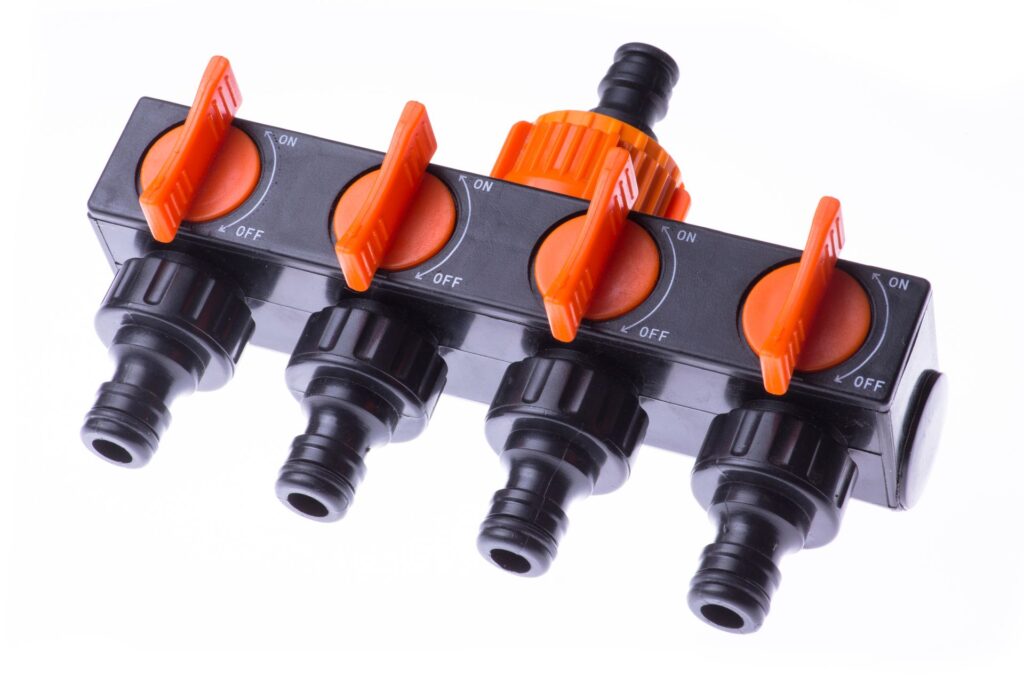
This is one of the most overlooked parts of choosing a hose, yet it makes a huge difference. Garden hoses typically come in three common diameters: 1/2 inch, 5/8 inch, and 3/4 inch.
A 1/2 inch hose is lightweight and easy to handle, which makes it great for small gardens, container plants, or quick top-ups. However, it carries less water per minute, so it’s not ideal for larger areas or for running multiple sprinklers at once.
A 5/8 inch hose is the most common choice for average-sized home gardens. It strikes a nice balance between flow and weight, making it suitable for most sprinklers, soaker hoses, and general watering tasks.
A 3/4 inch hose moves the most water, which is helpful for large properties, multiple connected hoses, or systems that need higher flow to work properly. The trade-off is that it’s heavier and a bit more awkward to coil and store.
Choosing the right diameter really comes down to matching the hose to the watering tools being used. A high-output sprinkler connected to a narrow hose will never perform at its best, no matter how strong the water pressure from the tap is. This is one reason it’s worth understanding what counts as a good flow rate for garden hose setups before settling on a size, since flow rate and diameter are closely linked.
Hose Length: Bigger Isn’t Always Better
It’s tempting to buy the longest hose available just to be safe, but length comes with trade-offs. The longer the hose, the more friction water experiences as it travels through, which naturally reduces pressure by the time it reaches the nozzle or sprinkler.
A general rule of thumb: choose the shortest length that comfortably reaches every part of the garden. If a 50-foot hose is enough to reach the farthest corner, there’s usually no need to buy a 100-foot hose “just in case.” Extra length means extra weight, extra storage space, and extra pressure loss.
For larger gardens that genuinely need more length, it sometimes makes more sense to connect two shorter hoses of a larger diameter rather than relying on one extremely long, narrow hose. This helps maintain better pressure throughout the line.
Water Pressure: The Hidden Factor Behind Every Hose
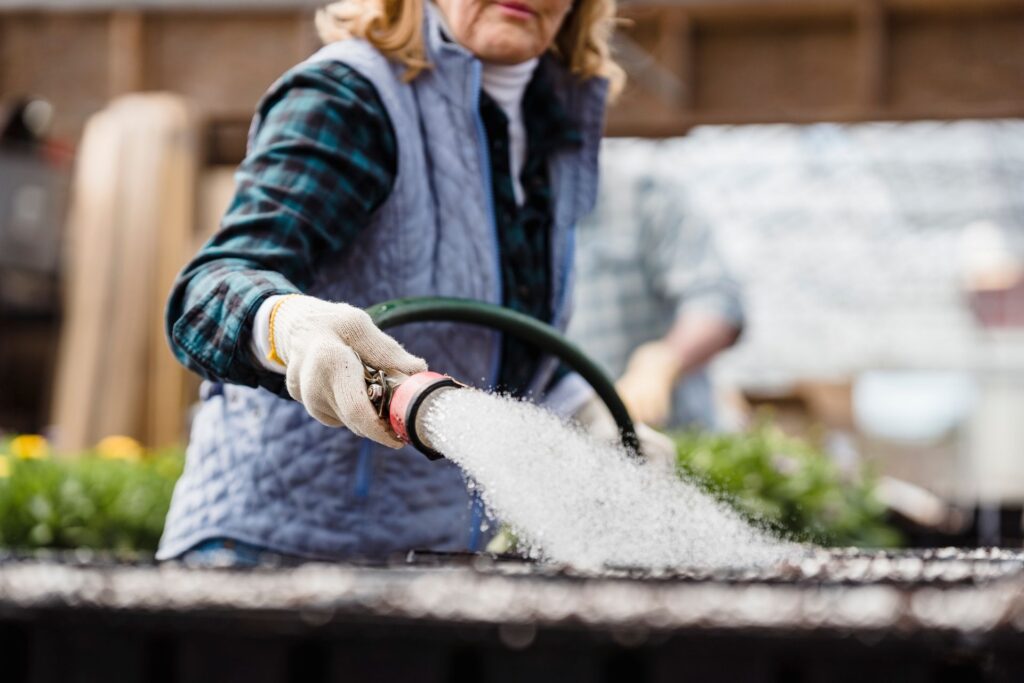
Water pressure is often the silent decision-maker when it comes to hose performance. Two people can buy the exact same hose, yet one gets a strong, steady stream while the other barely gets a trickle, simply because their home’s water pressure is different.
Before choosing a hose, it helps to have a rough idea of the household’s water pressure. Many hardware stores sell simple pressure gauges that screw onto an outdoor faucet, and checking this just once can save a lot of guesswork later.
If pressure turns out to be lower than expected, it doesn’t necessarily mean a bigger hose is the answer. Sometimes the issue lies elsewhere in the plumbing system, and there are practical ways to improve low water pressure before assuming the hose itself is the problem. Addressing pressure issues at the source often makes a bigger difference than any hose upgrade ever could.
Flow Rate: The Number Every Gardener Should Know
If there’s one number worth understanding before buying a hose, it’s flow rate, usually measured in gallons per minute (GPM). Flow rate determines how much water actually reaches the plants in a given amount of time, and it’s influenced by hose diameter, length, and water pressure all working together.
A hose with a low flow rate might be fine for hand watering a few pots, but it can seriously slow down anyone trying to run a sprinkler system, fill a watering can quickly, or water a large vegetable bed before the sun gets too hot.
The good news is that flow rate isn’t something gardeners need to guess at. There are tools designed specifically to help with this, including a Garden Hose Flow Rate Calculator, which takes basic details like hose diameter, length, and pressure to estimate how much water will actually come out the other end. Using a tool like this before buying a hose can prevent a lot of disappointment later, especially for anyone setting up sprinklers or drip systems that depend on a steady supply.
It’s also worth checking flow rate occasionally even with an existing hose, since mineral buildup, kinks, or worn-out fittings can quietly reduce performance over time without anyone noticing right away.
Choosing Hoses for Large or Spread-Out Gardens
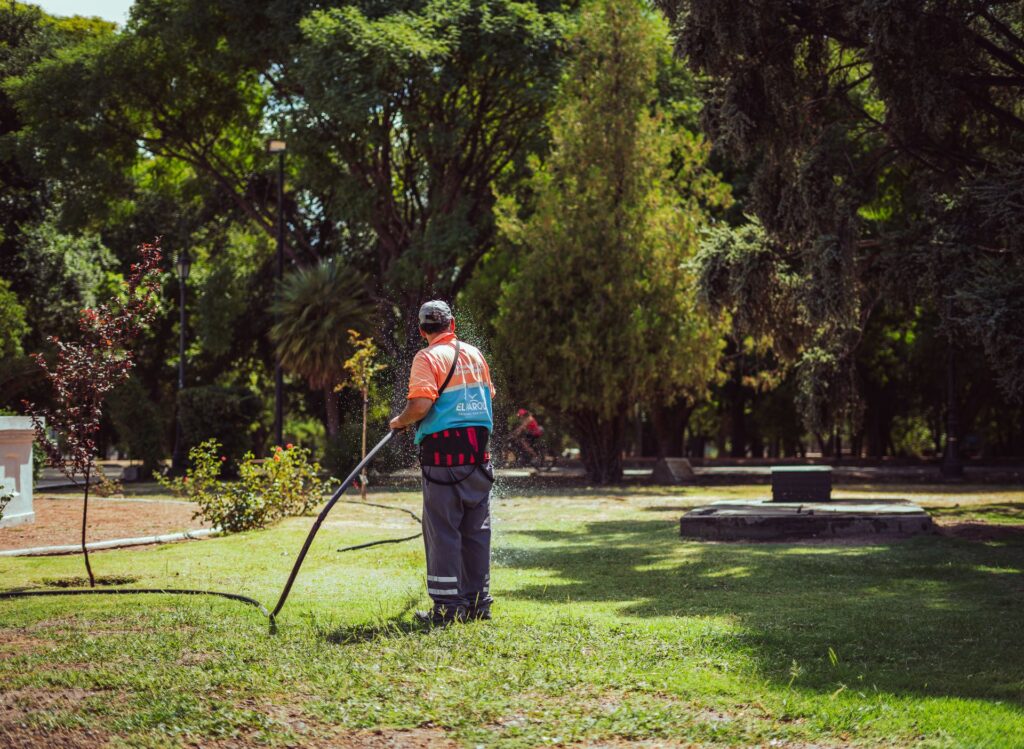
Larger gardens come with their own set of challenges. Watering a small flower bed near the house is one thing, but watering a property with multiple zones, raised beds, and maybe even a small orchard requires a bit more planning.
For these situations, a single narrow hose almost never cuts it. Instead, many experienced gardeners rely on a combination of wider-diameter hoses, multiple connection points, and sometimes dedicated irrigation lines that branch off from the main hose. This setup helps maintain consistent pressure across the entire garden instead of leaving the far end starved of water.
Anyone planning irrigation for a bigger space will benefit from learning about the best hose size for large gardens, since the right combination of diameter and length can completely change how evenly water is distributed. Skipping this step often leads to uneven growth, where plants closer to the faucet thrive while those farther away struggle.
It’s also worth considering how the hose will be moved around. A heavy, oversized hose might carry plenty of water, but if it’s too bulky to drag across the yard daily, it quickly becomes more trouble than it’s worth. Comfort and practicality matter just as much as raw performance.
Fittings, Connectors, and Build Quality
The hose itself isn’t the only part that matters. The fittings on each end, usually made of brass or plastic, play a big role in how well the hose performs and how long it lasts.
Brass fittings are generally more durable, resist cracking, and create a tighter seal, which means fewer annoying leaks at the connection point. Plastic fittings are lighter and cheaper but tend to crack over time, especially if they’re left in cold weather or get stepped on accidentally.
A hose with a great body but cheap fittings can still leak, drip, and lose pressure right at the connection point, undoing a lot of the benefits of choosing a quality hose in the first place. It’s worth spending a little extra to get solid brass connectors, since they’re often the first thing to fail on a budget hose.
Reinforced layers inside the hose, sometimes made of mesh or woven fabric, also help prevent kinking and bursting under pressure. These details aren’t always obvious from the packaging, so reading product descriptions carefully or checking reviews from other gardeners can help avoid surprises.
Common Mistakes Gardeners Make When Choosing a Hose
After years of trial and error, certain mistakes tend to come up again and again:
- Buying based on price alone, without considering how often the hose will be used.
- Choosing the longest hose available “just in case,” even when it’s far more than needed.
- Ignoring diameter, especially when using sprinklers or drip systems that need a certain flow to function properly.
- Leaving hoses in direct sunlight for long periods, which speeds up cracking and material breakdown.
- Forgetting to check water pressure, then blaming the hose when performance feels weak.
Avoiding these mistakes doesn’t require any special tools or expertise, just a bit of awareness before making a purchase. Many of these issues only become obvious after a season of frustration, so thinking ahead can save both money and headaches.
Testing and Measuring Hose Performance at Home
One of the most underrated steps in choosing the right hose is testing performance after buying it. It only takes a few minutes, but it gives a clear picture of whether the hose is actually delivering the water flow needed for the garden.
A simple way to do this is by timing how long it takes to fill a container of a known size, like a 5-gallon bucket, while the hose runs at full pressure. From there, it’s easy to calculate the actual flow rate in gallons per minute.
For anyone who wants a more structured approach, there are simple methods to measure flow rate at home using basic household items, no special equipment required. This kind of quick test can confirm whether a hose matches the needs of a sprinkler system or whether it’s time to consider a wider or shorter hose instead.
Doing this test once a season, especially before busy watering periods in spring and summer, helps catch problems early, like a slowly clogging fitting or a hose that’s starting to wear out internally.
Maintenance Tips to Make Any Hose Last Longer
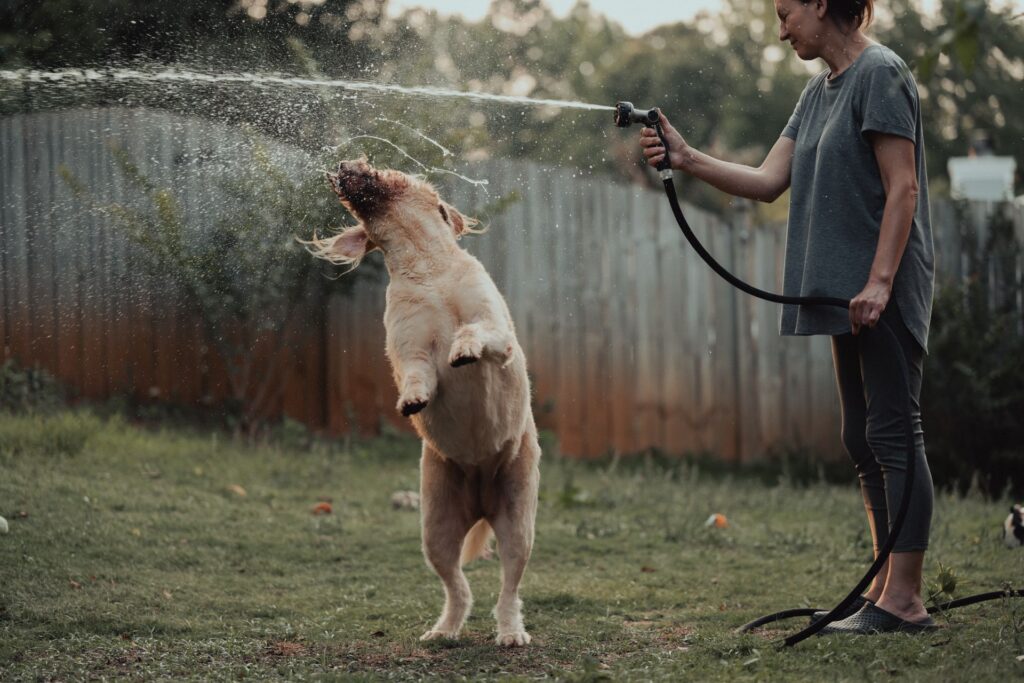
Even the best hose won’t last forever, but good habits can stretch its lifespan significantly. A few simple practices make a noticeable difference:
Draining the hose fully before storing it prevents water from sitting inside and breaking down the material over time, especially in colder climates where leftover water can freeze and crack the hose from the inside.
Storing the hose out of direct sunlight, ideally coiled loosely in a shaded spot or hose reel, reduces UV damage, which is one of the biggest causes of cracking and brittleness.
Checking fittings regularly for small leaks or wobbling connections helps catch problems before they turn into bigger leaks that waste water and reduce pressure.
Avoiding sharp bends and kinks, especially near the fittings, keeps internal layers from weakening, which helps maintain both durability and flow rate over time.
These habits take only a few extra minutes here and there, but they often mean the difference between a hose that lasts two seasons versus one that lasts five or more.
Summary
Choosing the right garden hose comes down to a few key factors working together. First, think about your garden’s size and layout, since a small patio garden needs far less than a spread-out yard with multiple watering zones. Next, consider the hose diameter: 1/2 inch works for light tasks, 5/8 inch suits most home gardens, and 3/4 inch is better for larger properties or systems with high flow needs. Material matters too: rubber and hybrid hoses last longer and resist kinking better than cheaper vinyl options, especially with daily use.
Length should match your actual reach rather than going as long as possible, since longer hoses lose water pressure along the way. Speaking of pressure, it’s worth checking your home’s water pressure before buying, since this affects how well any hose performs regardless of its size. Flow rate is another important number, as it determines how much water actually reaches your plants, and tools exist to help calculate this based on your hose setup.
For larger gardens, using wider hoses or connecting multiple sections helps keep water pressure even across the whole space. Good fittings, ideally brass rather than plastic, prevent leaks at connection points. Finally, simple habits like draining the hose after use and storing it away from direct sunlight can extend its lifespan from a single season to several years.
Bringing It All Together
Choosing the right hose for garden irrigation doesn’t need to be complicated, but it does benefit from a little thought before buying. Start by understanding the garden’s actual needs, including its size, layout, and distance from the water source. From there, think about material, diameter, and length together, since these three factors work as a team rather than separately.
Pay attention to water pressure and flow rate, since these numbers often explain why one hose performs beautifully while another feels weak, even when they look almost identical on the shelf. For larger or more complex gardens, it’s worth spending extra time matching hose size to the layout, rather than assuming a single hose will cover everything equally well.
Finally, remember that good habits, like proper storage and occasional performance checks, can extend the life of almost any hose, protecting the investment for years to come. With these basics in mind, picking the right hose becomes far less about luck and far more about making a smart, informed choice that fits the garden’s real needs.
FAQs
What size garden hose is best for irrigation?
A 5/8 inch hose works best for most home gardens, offering a good balance between water flow and weight. Larger properties or high-flow sprinkler systems may benefit from a 3/4 inch hose instead.
How long can a garden hose be before it loses water pressure?
Most hoses start losing noticeable pressure beyond 50 to 100 feet, depending on diameter and water source pressure. Shorter, wider hoses generally maintain pressure better than long, narrow ones.
What is a good flow rate for a garden hose?
A flow rate between 9 and 17 gallons per minute is typically considered good for standard garden hoses, though this depends on hose diameter, length, and your home’s water pressure.
Is rubber or vinyl better for a garden hose?
Rubber hoses are more durable, resist kinking, and handle temperature changes better, making them ideal for daily use. Vinyl hoses are lighter and cheaper but tend to crack and wear out faster, especially in sunlight.
How do I know if my garden hose has low water pressure?
If water flow feels weak even at full pressure, the issue could be the hose diameter, length, kinks, or your home’s overall water pressure. Testing flow rate with a timed bucket method can help identify whether the hose or the water source is the cause.