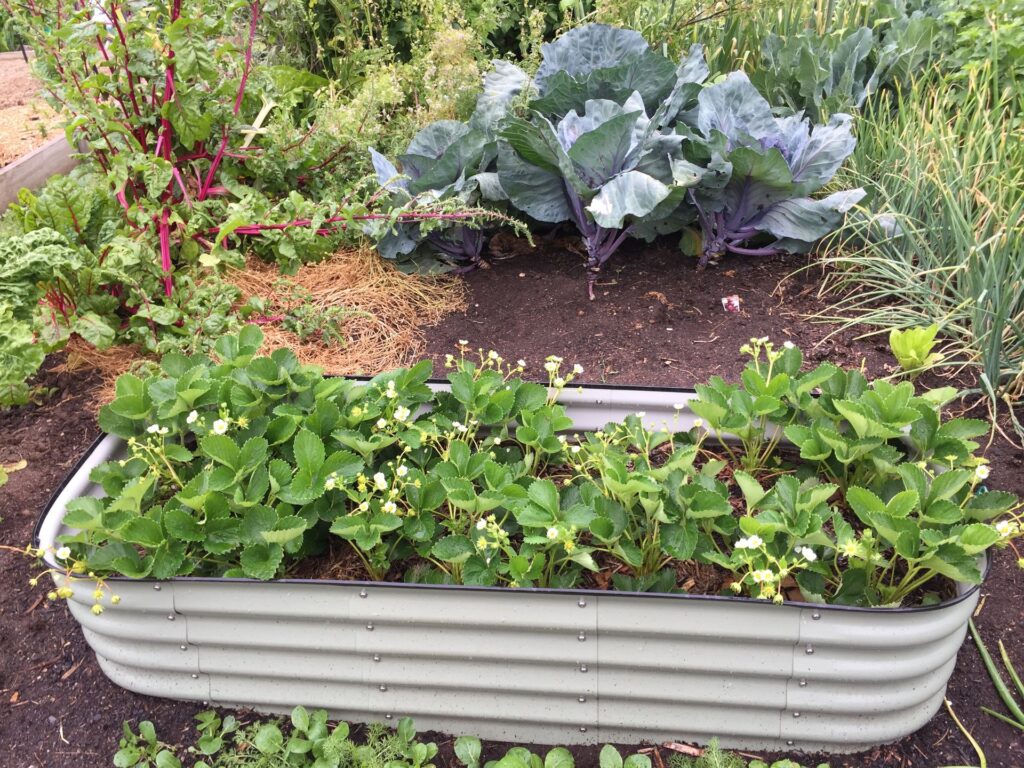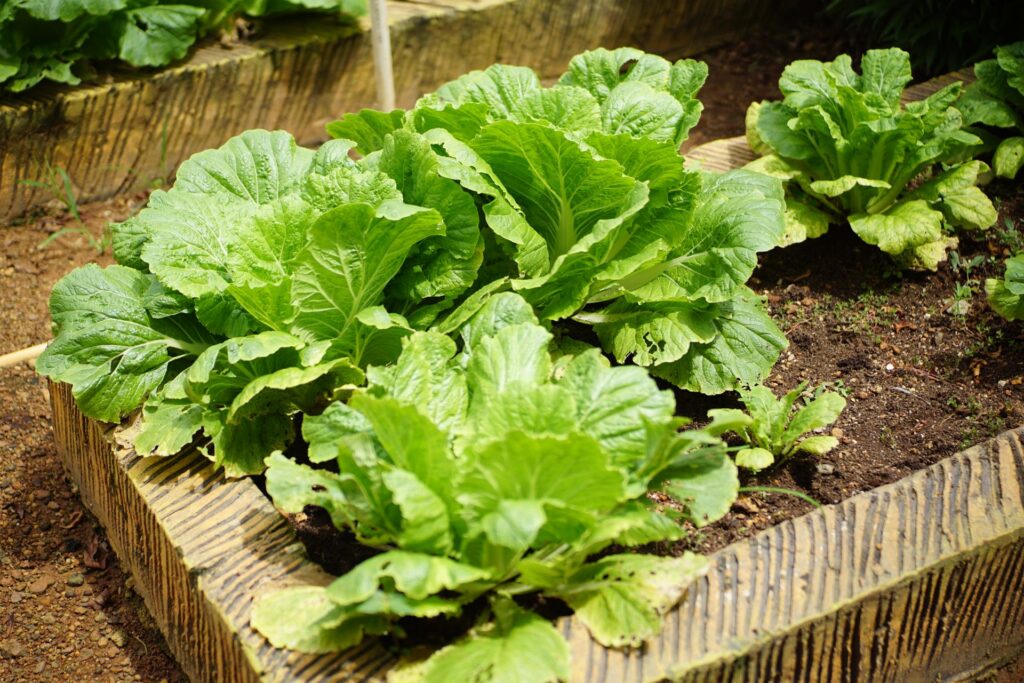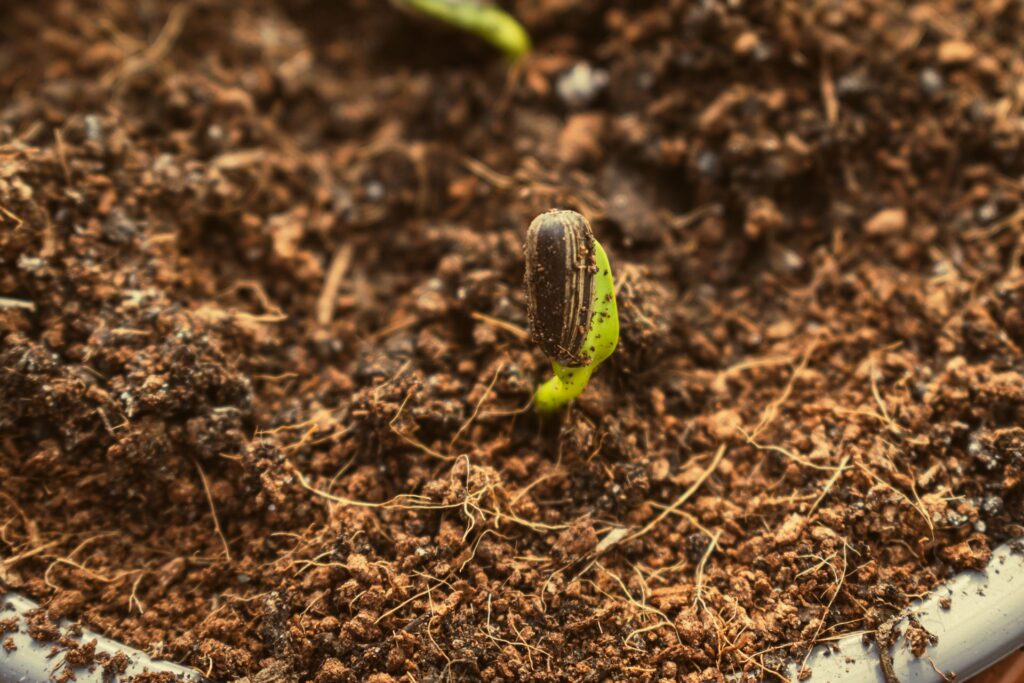
- Vegetable beds: 2 to 4 inches of compost mixed into the top 6 to 8 inches of soil
- New vegetable beds: go heavier, 3 to 4 inches tilled into the top 8 to 10 inches
- Flower beds: 1 to 2 inches as a top dressing each spring
- Bulbs: 2 inches mixed into the bottom of the planting hole
- Shrubs and trees: 2 to 4 inches spread around the base, extending to the drip line
- Trunk gap: leave 2 to 3 inches clear around stems and trunks to prevent rot
- Sandy soil: lean toward the higher end of each range
- Clay soil: benefits most from deeper mixing, around 3 to 4 inches
- Loamy soil: the lower end of each range is usually enough
Anyone who has spent a weekend hauling bags of compost to the backyard knows the same question pops up every single time: how much is actually enough? Too little and the soil barely changes. Too much and the plants either drown in nutrients or the budget takes a hit for nothing.
This guide breaks down exactly how deep to apply compost for vegetables, flowers, and shrubs, based on what experienced gardeners actually do season after season, not just what sounds good on paper.
By the end of this article, the goal is simple: never stand in the garden again wondering “is this enough compost or way too much?”
Why Compost Depth Actually Matters
Compost is often treated like a magic fix-all, and in many ways it really is helpful. But the depth at which it is applied changes how it behaves in the soil.
A thin layer of compost mostly acts like a light snack for the soil’s microbial life. A medium layer feeds plants steadily over several months. A thick layer can act almost like a mulch, blocking weeds, holding moisture, and slowly breaking down into the topsoil over the following year.
The mistake many beginner gardeners make is assuming “more is always better.” In reality, piling on too much compost, especially fresh or partially finished compost, can lead to nitrogen burn, root suffocation, or even attract pests looking for that rich organic material. On the flip side, a layer that’s too thin (think less than half an inch) often disappears within a few weeks and barely makes a dent in soil quality.
So the right depth really does depend on what’s growing, how the soil currently looks, and what the long-term goal is — building soil structure, feeding plants quickly, or both.
General Compost Depth Guidelines at a Glance
Before diving into specifics for vegetables, flowers, and shrubs, here’s a quick overview that many experienced gardeners keep in their back pocket:
For vegetable beds, a depth of 2 to 3 inches worked into the top 6 to 8 inches of soil is usually ideal before planting. For flower beds, 1 to 2 inches as a top dressing works well for most annuals and perennials. For shrubs and trees, 2 to 4 inches spread around the base (without touching the trunk) gives roots a steady supply of nutrients while also acting as mulch.
These numbers aren’t pulled from thin air — they come from years of trial and error in real gardens, compared against what soil tests typically show before and after compost application. Of course, every garden is a little different, so the sections below go into more detail on how to adjust based on soil type, plant needs, and the season.
Best Compost Depth for Vegetable Gardens
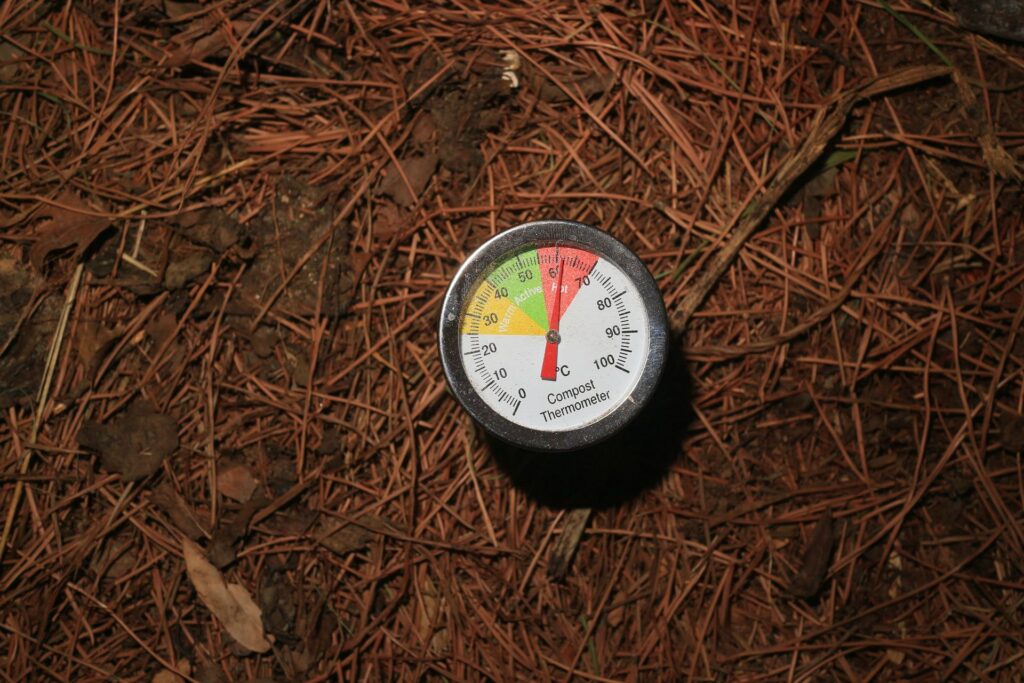
Vegetables are heavy feeders. Tomatoes, peppers, squash, and leafy greens all pull a lot of nutrients out of the soil during a single growing season, which is why compost depth matters so much here.
New Vegetable Beds
When starting a brand-new vegetable bed, the recommendation that tends to produce the best results is spreading 3 to 4 inches of finished compost over the soil surface and then digging or tilling it into the top 8 to 10 inches. This depth helps loosen compacted soil, improves drainage in clay-heavy ground, and gives roots plenty of room to spread out right from the start.
A common experience among gardeners who’ve tried both shallow and deep applications is that beds prepared with this 3 to 4 inch layer in spring often need little to no additional fertilizer for the first 60 to 70 days of the growing season. That’s a noticeable difference compared to beds where compost was just sprinkled on top.
Established Vegetable Beds
For beds that have been growing vegetables for a season or more, a lighter touch usually works best. Adding 1 to 2 inches of compost as a top dressing each spring, then lightly raking it into the top 2 to 3 inches of soil, keeps the nutrient cycle going without overwhelming the existing soil structure.
Many gardeners who maintain raised beds find that this annual 1 to 2 inch refresh keeps the soil level topped up too, since compost naturally settles and breaks down over the year.
Container Vegetables
Containers are a slightly different story because there’s no surrounding soil to buffer excess nutrients. For pots and raised containers, mixing compost at about 20% to 30% of the total soil volume tends to give the best balance. Adding more than a 1 inch top dressing on a container that’s already mostly compost-based can sometimes lead to soggy roots, especially in pots with poor drainage.
Side-Dressing During the Growing Season
For plants like tomatoes, corn, and squash that are in the ground for several months, a mid-season boost can make a real difference. A thin layer, around half an inch to 1 inch, applied in a ring around the base of the plant (without piling it against the stem) gives an extra nutrient push right when fruiting begins. This technique is often called side-dressing, and it’s one of those small habits that experienced vegetable growers swear by.
Best Compost Depth for Flower Beds
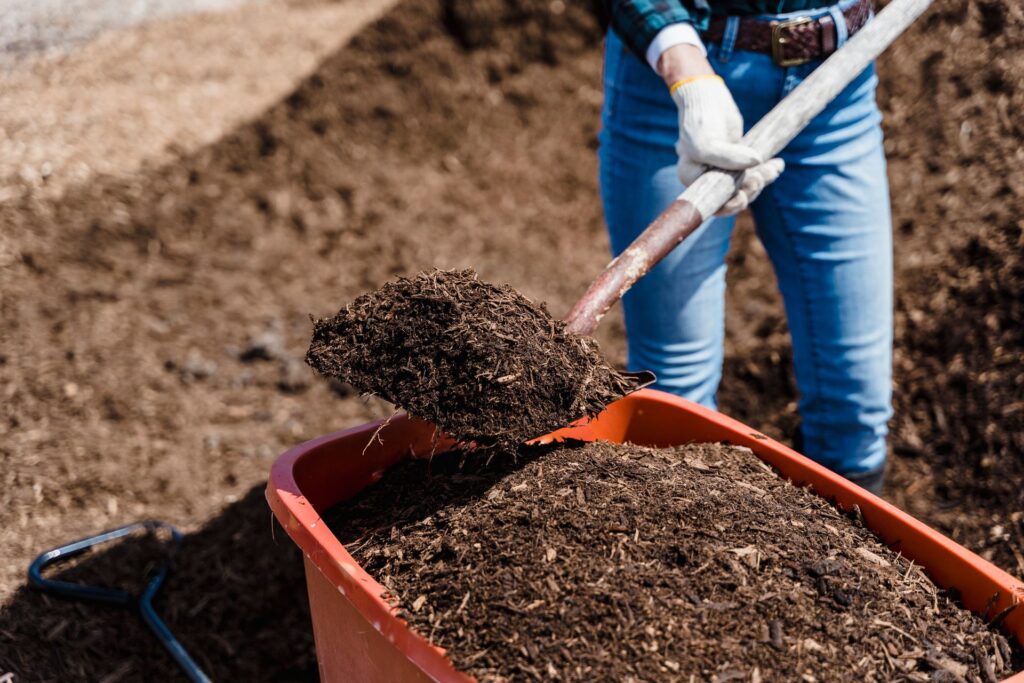
Flowers, whether annuals or perennials, generally need less compost than vegetables, but the timing and placement still matter quite a bit.
Annual Flower Beds
For beds that get replanted every year — think marigolds, petunias, zinnias — working 1 to 2 inches of compost into the top 4 to 6 inches of soil before planting gives young roots a soft, nutrient-rich environment to establish in. This depth is usually enough to support a full season of blooming without making the soil too rich, which can sometimes cause leggy growth with fewer flowers.
Perennial Flower Beds
Perennials live in the same spot for years, so soil quality builds up over time. A yearly top dressing of 1 inch of compost in early spring, spread around (but not piled on top of) the crowns of the plants, helps maintain soil fertility without disturbing established root systems. Over 3 to 5 years, this gentle annual habit noticeably improves soil texture, especially in heavier clay soils where compaction is common.
Bulbs
Bulbs like tulips, daffodils, and dahlias benefit from compost mixed into the planting hole rather than just layered on top. A general rule that works well is mixing about 2 inches of compost into the bottom of the planting hole before placing the bulb, then covering as usual. This gives the bulb’s roots immediate access to nutrients as they establish in fall or early spring.
Cut Flower Gardens
For dedicated cut flower beds, where plants are often spaced closely and harvested repeatedly, a slightly heavier application can help sustain the constant regrowth. 2 to 3 inches worked into the top 6 inches of soil before the season starts, combined with a light half-inch refresh mid-season, tends to keep blooms coming steadily.
Best Compost Depth for Shrubs and Trees
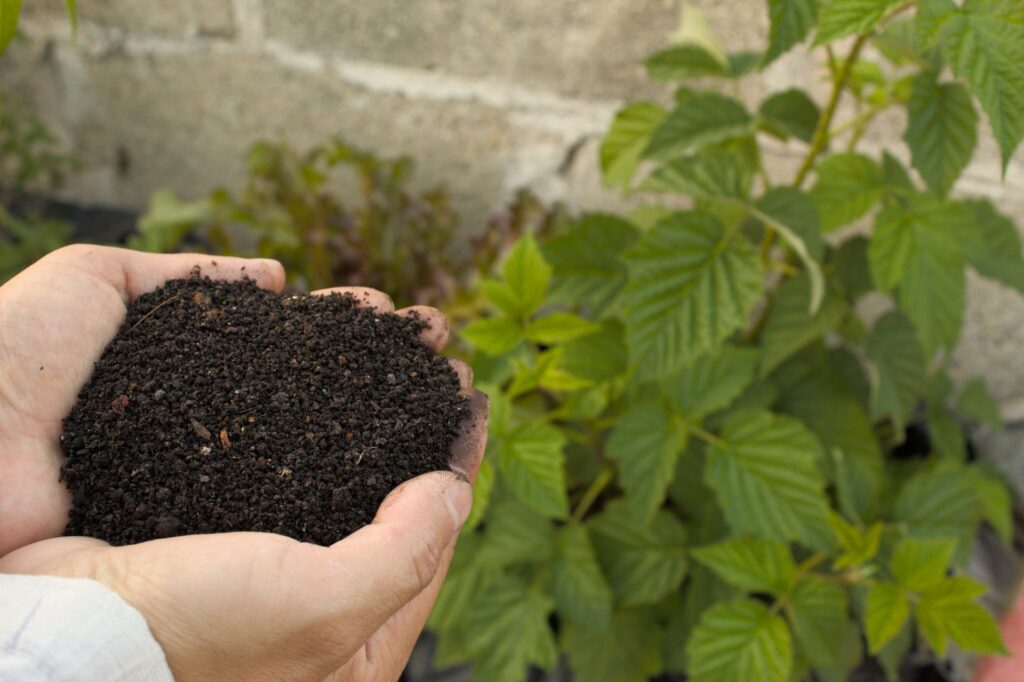
Shrubs and small trees are long-term residents of the garden, so the approach here is less about quick feeding and more about building a healthy root zone over time.
Newly Planted Shrubs
When planting a new shrub, mixing 2 to 3 inches of compost into the native soil that goes back into the planting hole helps roots establish faster. It’s generally better to mix compost into the surrounding soil rather than filling the hole entirely with compost, since pure compost can create a “bathtub effect” where water pools instead of draining properly.
Established Shrubs and Trees
For shrubs and trees that have been in the ground for a while, applying a 2 to 4 inch layer of compost around the base each year, extending out to the edge of the canopy (often called the drip line), works extremely well. This layer should taper off near the trunk, leaving a gap of about 2 to 3 inches around the base to prevent rot.
This depth does double duty: it slowly feeds the roots as it breaks down, and it also acts like mulch, helping the soil retain moisture during hot summer months. Many gardeners who maintain fruit trees and ornamental shrubs report noticeably less watering needed during dry spells after switching to this annual compost layer.
Hedges and Privacy Screens
For long rows of shrubs used as hedges, applying compost in a continuous strip along the base, 2 to 3 inches deep and extending about 12 to 18 inches out from the stems on each side, gives the whole row even access to nutrients. This is usually done once a year, ideally in early spring or fall.
How Soil Type Changes the Right Depth
Not all soil behaves the same way, and this is something that often gets overlooked in generic gardening advice.
Sandy Soil
Sandy soil drains quickly and doesn’t hold nutrients well, so compost tends to wash through or break down faster. For sandy soil, leaning toward the higher end of each recommended range — and sometimes adding compost slightly more often — helps compensate. For example, instead of 1 inch annually for perennials, sandy soil might benefit from 1.5 to 2 inches.
Clay Soil
Clay soil holds onto nutrients and moisture but can become compacted and poorly drained. Here, the structural benefits of compost are especially valuable. Working compost deeper into the soil (toward the higher end of the depth range, like 3 to 4 inches for vegetable beds) helps break up compaction over time and improves drainage.
Loamy Soil
Loamy soil is the gardener’s dream — it already holds a good balance of nutrients, water, and air. For loamy soil, the lower to middle end of the recommended ranges is usually plenty, since the soil structure doesn’t need as much help.
Timing
Depth and timing go hand in hand. Applying 3 inches of compost in late fall behaves very differently than applying the same amount right before planting in spring.
Fall Application
Fall is often considered one of the best times to apply a slightly thicker layer of compost, since it has months to break down before the next growing season. A 2 to 4 inch layer applied in fall, especially over vegetable beds that are resting for winter, gives soil microbes plenty of time to work the material into the topsoil.
Spring Application
Spring applications tend to work best with slightly thinner layers, especially if planting is happening soon after. A 1 to 2 inch layer that’s lightly worked into the soil a few weeks before planting avoids overwhelming young seedlings with too much fresh organic material.
Mid-Season Application
As covered earlier with side-dressing, mid-season applications should always be on the thinner side — generally no more than 1 inch — and kept away from direct contact with stems or trunks.
Signs That Compost Depth Needs Adjusting
Sometimes the best feedback comes directly from the plants and soil themselves.
If plants are growing very fast with lots of leafy growth but few flowers or fruits, that can be a sign that compost depth (or frequency) is on the higher side and could be reduced slightly. On the other hand, if soil still feels hard, drains poorly, or plants seem to stall mid-season despite regular watering, it might be worth increasing the depth slightly or applying compost more consistently.
Another helpful sign is earthworm activity. Healthy compost-enriched soil tends to attract earthworms, and digging down 4 to 6 inches to check for them can give a quick read on how well the soil is responding to the current compost routine.
A Simple Way to Calculate Exactly How Much Compost Is Needed
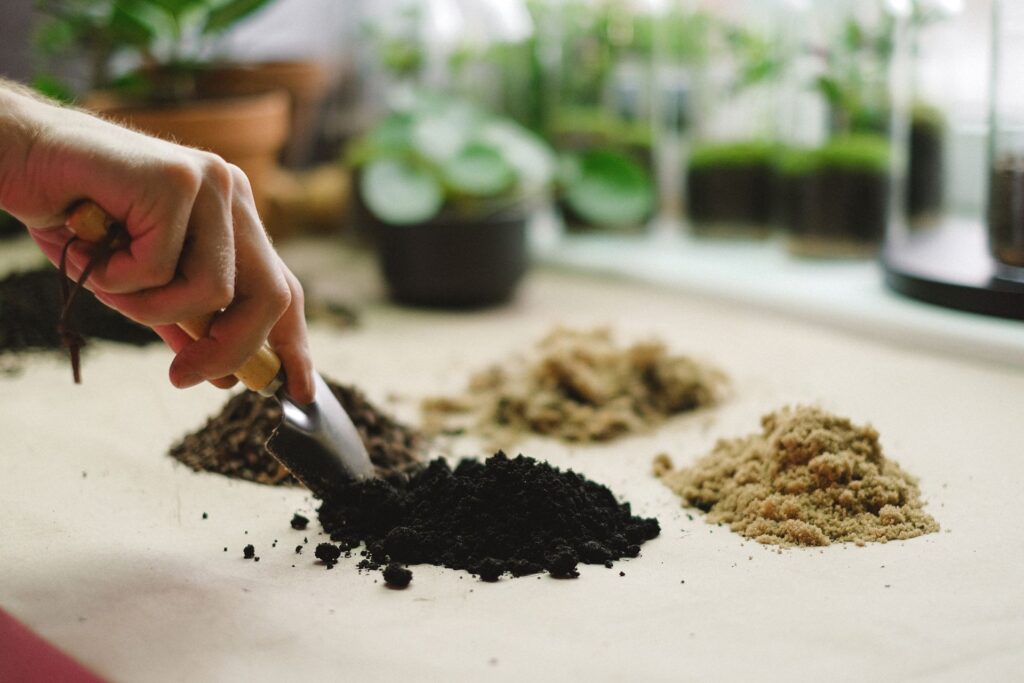
One of the trickiest parts of all this isn’t deciding on depth — it’s figuring out how much compost (in bags, cubic feet, or yards) is actually needed to achieve that depth across a specific garden bed size. This is where a lot of gardeners end up either guessing and running short, or over-ordering and wasting money on extra bags.
Rather than doing the math by hand every time, using the Garden Compost Calculator makes this part painless. By entering the length, width, and desired depth of a bed (whether that’s 2 inches for a flower bed or 4 inches around a shrub), it instantly calculates the exact volume of compost needed. This takes the guesswork out completely and helps avoid both shortages and unnecessary leftover bags sitting in the garage.
Common Mistakes to Avoid
A few habits tend to show up again and again, even among gardeners who’ve been at it for years.
Piling compost directly against plant stems or tree trunks is one of the most common issues, since it traps moisture against the bark and can lead to rot. Keeping a small gap of 2 to 3 inches around stems and trunks avoids this entirely.
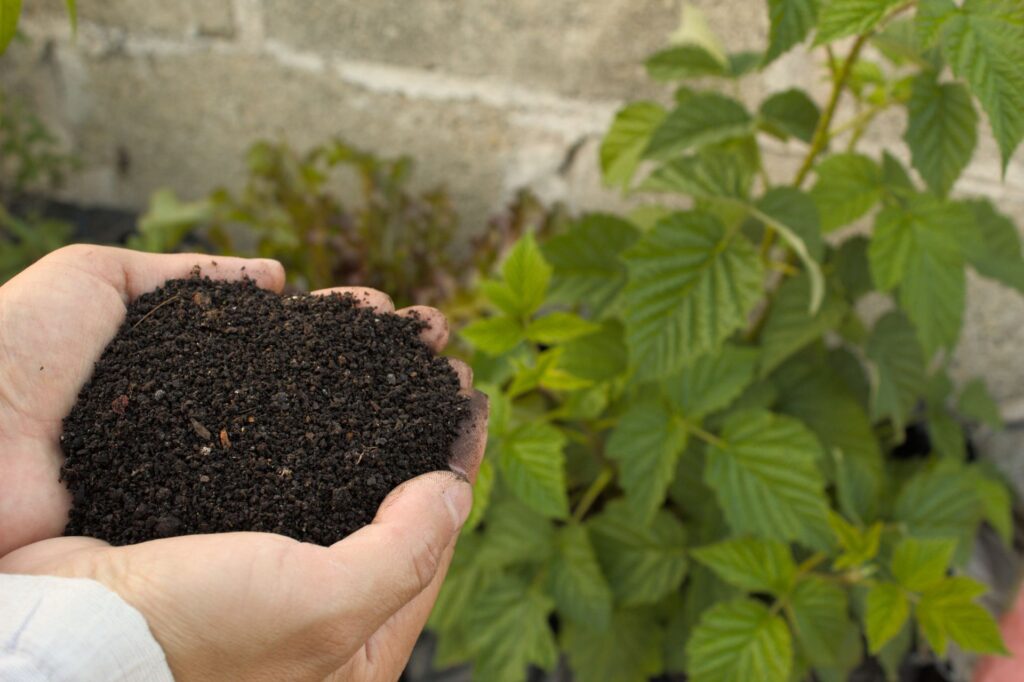
Using unfinished compost is another frequent mistake. Compost that still smells strongly, feels hot to the touch, or contains recognizable food scraps hasn’t fully broken down yet, and applying it at any significant depth can actually harm young plants due to heat and nitrogen imbalances. Finished compost should look dark, crumbly, and smell earthy, almost like fresh soil after rain.
Finally, applying the same depth everywhere regardless of plant type is a missed opportunity. As shown throughout this article, vegetables, flowers, and shrubs all have slightly different needs, and adjusting depth accordingly leads to noticeably better results over time.
Summary
- Compost depth matters: thin layers (under half an inch) break down too fast to help much, while overly thick layers of fresh compost can cause nitrogen burn, root suffocation, or attract pests
- General guidelines at a glance: vegetable beds need 2 to 3 inches worked into the top 6 to 8 inches, flower beds need 1 to 2 inches as a top dressing, and shrubs/trees need 2 to 4 inches around the base
- New vegetable beds: apply 3 to 4 inches and till into the top 8 to 10 inches; this often removes the need for extra fertilizer for the first 60 to 70 days
- Established vegetable beds: refresh annually with 1 to 2 inches raked into the top 2 to 3 inches
- Container vegetables: compost should make up about 20% to 30% of the total soil mix, with no more than a 1 inch top dressing
- Side-dressing during the season: add half an inch to 1 inch in a ring around plants like tomatoes and corn for a mid-season nutrient boost
- Annual flower beds: work 1 to 2 inches into the top 4 to 6 inches before planting
- Perennial flower beds: top dress yearly with 1 inch around (not on top of) the crowns
- Bulbs: mix 2 inches of compost into the bottom of the planting hole
- Cut flower gardens: use 2 to 3 inches worked into the top 6 inches, plus a half-inch mid-season refresh
- Newly planted shrubs: mix 2 to 3 inches of compost into the backfill soil, avoiding pure compost in the hole
- Established shrubs and trees: apply 2 to 4 inches yearly from the base to the drip line, leaving 2 to 3 inches clear around the trunk
- Hedges: apply 2 to 3 inches in a strip extending 12 to 18 inches out from the stems
- Sandy soil: lean toward the higher end of each range, sometimes increasing perennial dressing to 1.5 to 2 inches
- Clay soil: go deeper (up to 3 to 4 inches) to help break up compaction
- Loamy soil: the lower to middle end of each range is usually sufficient
- Fall application: heavier layers (2 to 4 inches) work well since compost has months to break down
- Spring application: lighter layers (1 to 2 inches) are better right before planting
- Mid-season application: keep it thin, no more than 1 inch, and away from stems
- Signs to adjust depth: excess leafy growth with few flowers suggests reducing depth, while poor drainage or stalled growth suggests increasing it
- Earthworm check: dig 4 to 6 inches down to gauge soil health
- Calculating compost needs: the Garden Compost Calculator helps determine exact compost volume based on bed size and desired depth
- Common mistakes: piling compost against stems/trunks, using unfinished compost, and applying the same depth everywhere regardless of plant type
Final Thoughts
Getting compost depth right isn’t about following one magic number — it’s about matching the depth to the plant, the soil type, and the season. Vegetable beds generally do best with 2 to 4 inches worked into the soil, flower beds thrive with 1 to 2 inches as a refresh, and shrubs benefit from a 2 to 4 inch layer spread around their base each year.
Soil type, timing, and a bit of observation from season to season all play a role in fine-tuning these numbers for any specific garden. And when it’s time to figure out exactly how much compost to buy or make, tools like the Compost Garden Calculator take a lot of the guesswork out, leaving more time for the actually enjoyable part of gardening — watching everything grow.
With a little attention to depth, compost can do what it does best: quietly build healthier soil, season after season, for vegetables, flowers, and shrubs alike.
FAQs
How deep should compost be for vegetable gardens?
For most vegetable gardens, 2 to 4 inches of compost worked into the top 6 to 8 inches of soil is ideal. New beds can go slightly deeper, around 3 to 4 inches tilled into the top 8 to 10 inches, while established beds only need a 1 to 2 inch annual refresh.
Can you put too much compost around plants?
Yes, applying too much compost, especially fresh or unfinished compost, can lead to nitrogen burn, poor drainage, and root suffocation. It can also attract pests. Sticking to 2 to 4 inches for most plants, and leaving a 2 to 3 inch gap around stems and trunks, helps avoid these issues.
How much compost do I need for a flower bed?
Most flower beds, whether for annuals or perennials, do well with 1 to 2 inches of compost spread as a top dressing each spring. Bulbs are a bit different, since mixing 2 inches of compost directly into the planting hole gives roots immediate access to nutrients.
How often should compost be added to shrubs and trees?
Once a year is usually enough. Spreading 2 to 4 inches of compost around the base, extending out to the drip line, gives shrubs and trees a steady nutrient supply while also helping the soil hold moisture. Keep a 2 to 3 inch gap near the trunk to prevent rot.
Does soil type affect how much compost to use?
Yes. Sandy soil drains quickly, so leaning toward the higher end of each compost depth range works best. Clay soil benefits from deeper mixing, around 3 to 4 inches, to help break up compaction. Loamy soil already has good structure, so the lower end of each range is usually sufficient.