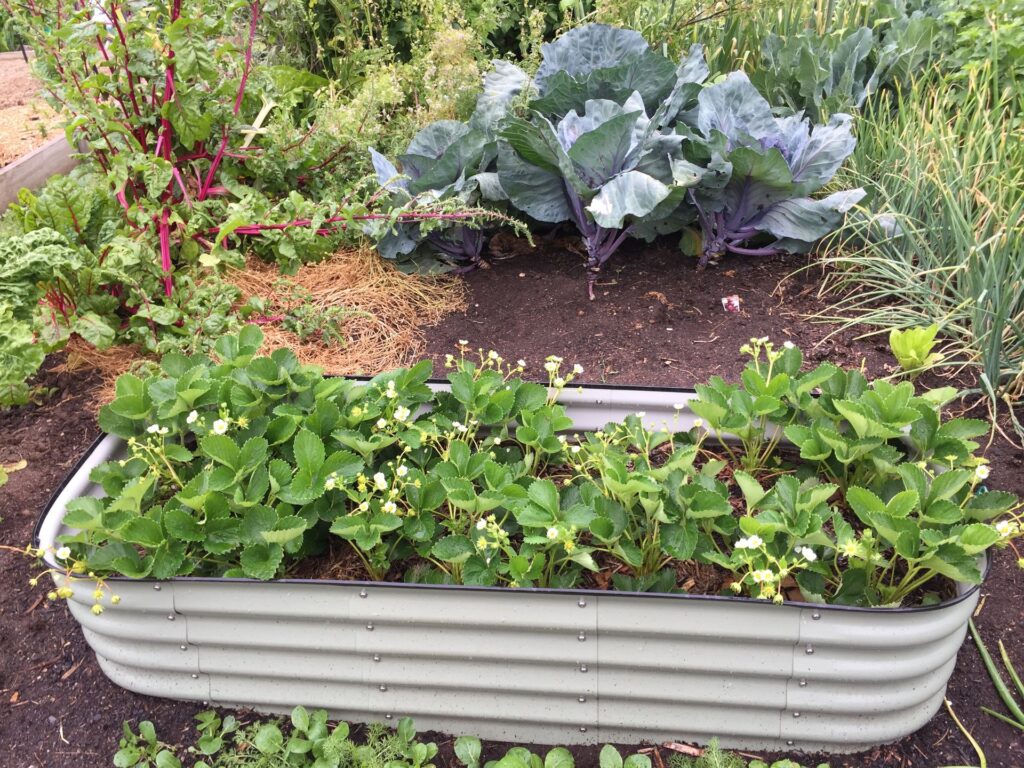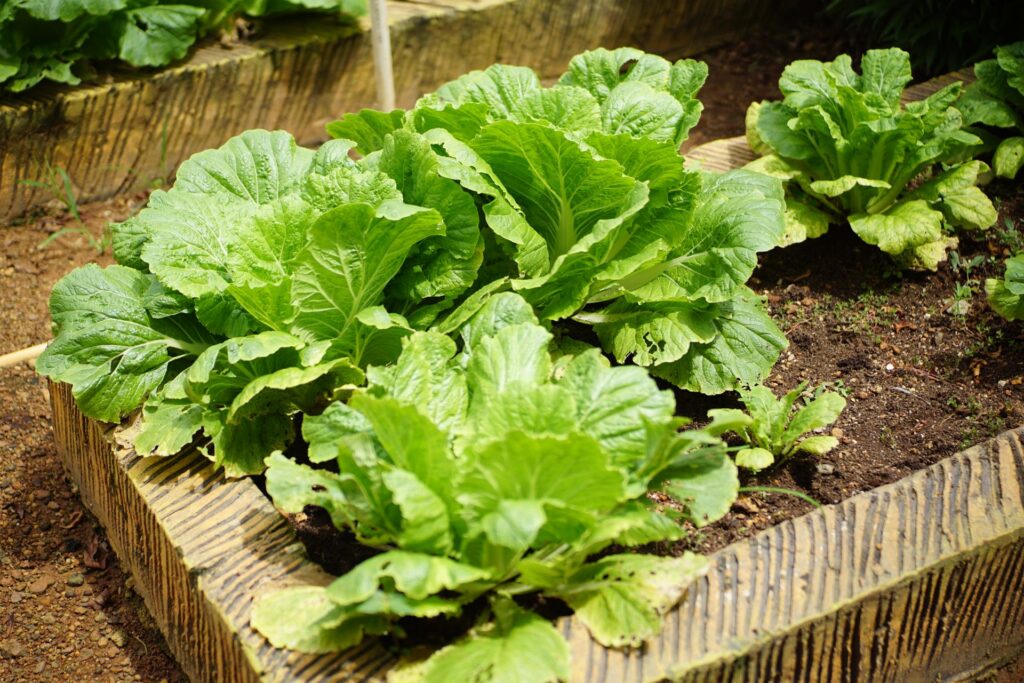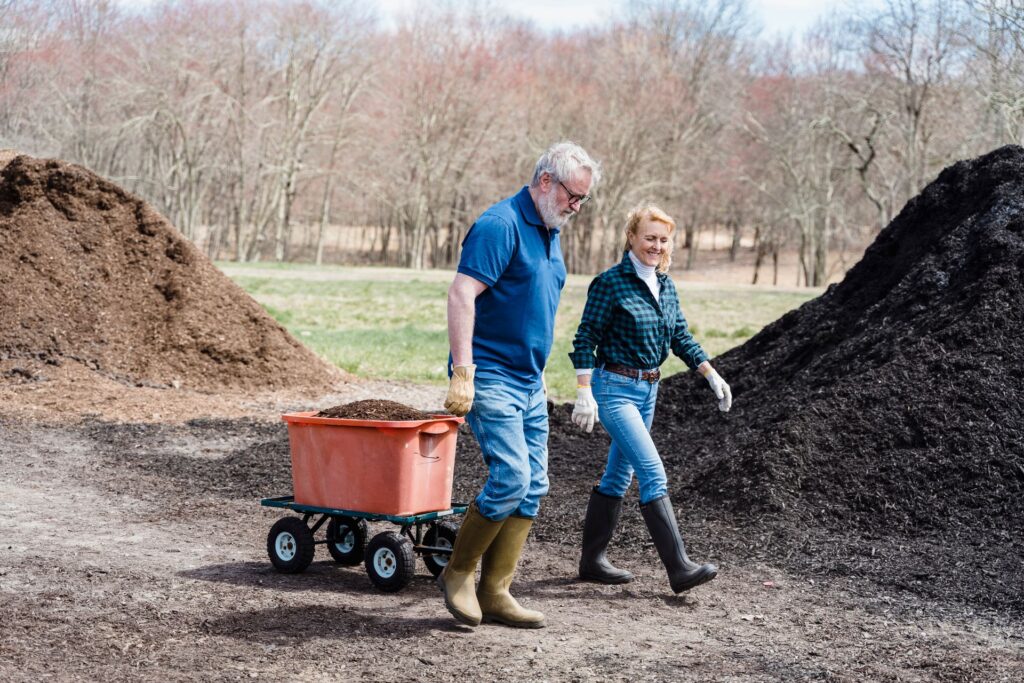
- General garden beds: 2–3 inches per year, worked into the top 6–8 inches of soil
- Vegetable gardens: 3–4 inches each season (heavy feeders need more)
- New garden beds: 4–6 inches worked in deeply to build soil from scratch
- Lawn top-dressing: ¼ to ½ inch after aerating
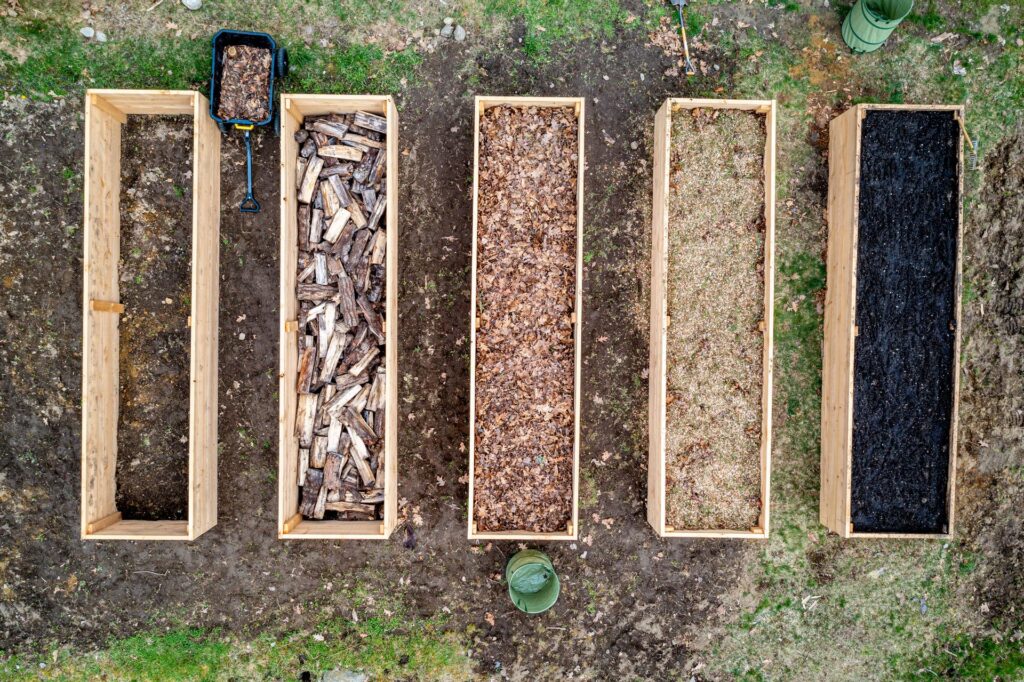
- Raised beds: 30% compost in the initial mix, then 2–3 inches topped up each spring
- Around trees and shrubs: mix compost 1:1 with excavated soil at planting
Every gardener has stood in the garden centre, looking at bags of compost stacked high on pallets, and thought the same thing: “How much of this stuff do I actually need?” It is one of those questions that seems simple on the surface but gets complicated fast. Too little compost and the plants struggle. Too much and the gardener wastes money, time, and effort. Getting it just right makes all the difference between a garden that thrives and one that simply survives.
This guide breaks it all down in plain, practical language — no confusing measurements, no guesswork. Whether someone is setting up raised beds, refreshing an old vegetable patch, or working on a flower border, the answers are here.
Why Compost Matters More Than Most People Realise
Before talking numbers, it helps to understand what compost actually does to soil. Compost is not just fertiliser. It is a soil conditioner, a microbial habitat, and a water management tool all rolled into one.
When compost gets worked into the ground, it improves the way soil holds both water and air. Sandy soils drain too quickly and dry out — compost helps them hold moisture longer. Clay soils get waterlogged and compacted — compost loosens them up and helps drainage work better. Every soil type benefits from it, just in slightly different ways.
Compost also feeds the invisible workforce underground. Earthworms, bacteria, fungi, and countless other microorganisms depend on organic matter to survive. When they are active, they break down nutrients into forms that plant roots can actually absorb. Without compost, that ecosystem slowly collapses, and even expensive fertilisers become less effective.
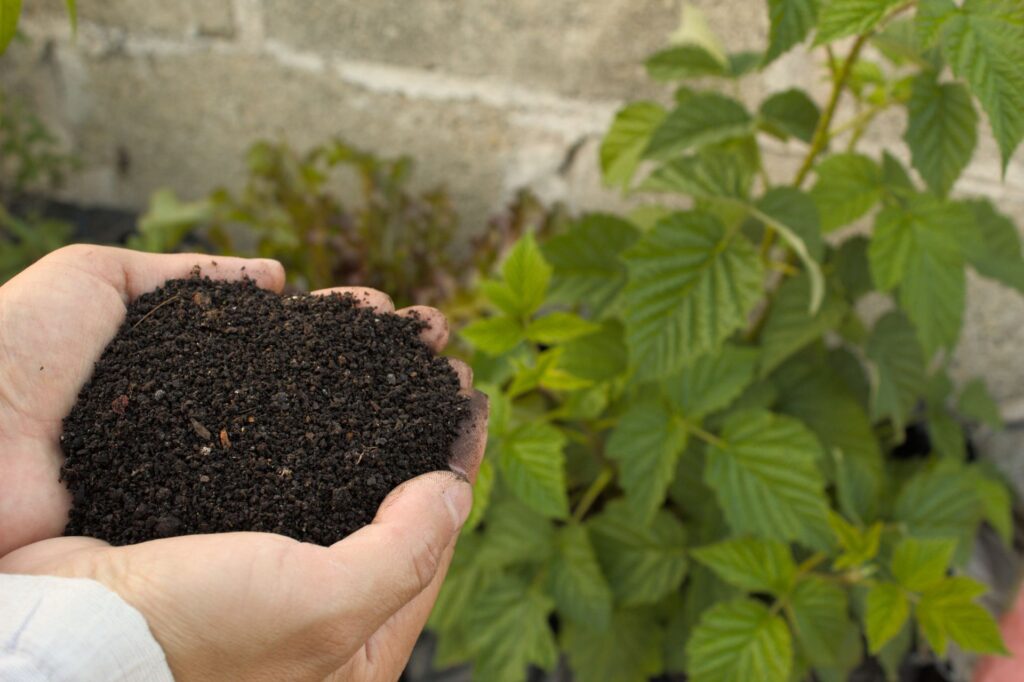
A soil rich in compost is darker, crumblier, and smells earthy and fresh. Anyone who has ever gardened in truly healthy soil knows the difference. It is the kind of soil where seeds germinate faster, roots spread wider, and plants grow stronger without needing constant intervention.
The General Rule: How Much Is Enough?
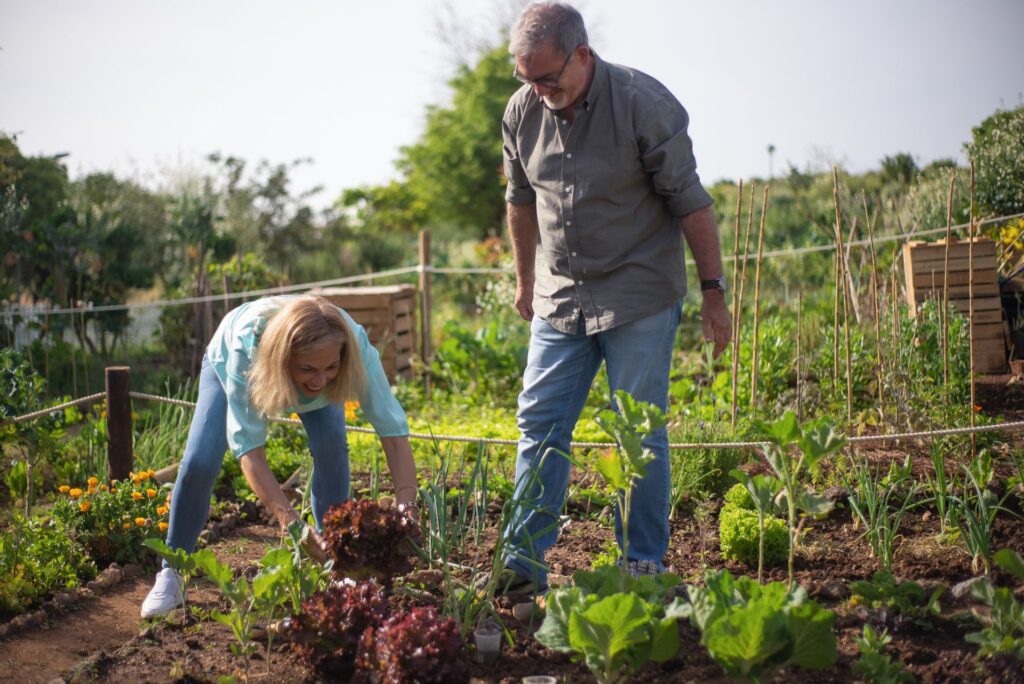
Most gardening experts and horticultural bodies agree on a starting point. For general garden beds, applying 2 to 3 inches of compost per year is the sweet spot. This gets worked into the top 6 to 8 inches of soil during bed preparation or added as a mulch layer on the surface.
For vegetable gardens, the amount increases. Vegetables are heavy feeders. They produce fast, fruit heavily, and pull lots of nutrients from the soil in a short time. A 3 to 4 inch layer of compost worked in each season is more appropriate for most food gardens.
Lawn top-dressing is different again. Lawns only need a thin layer — usually ¼ to ½ inch — worked lightly into the surface after aerating. Any more than that smothers the grass rather than helping it.
For anyone who wants to take the guesswork out of this entirely, using a Garden Compost Calculator is the most reliable way to calculate exactly how much is needed for a specific area.
How Soil Type Changes Everything
One of the biggest mistakes gardeners make is applying the same amount of compost to every type of soil. The soil type changes the calculation significantly.
Sandy Soil
Sandy soil drains fast — sometimes too fast. Nutrients leach away with rainwater before plants can absorb them. Sandy soil also warms up quickly in spring, which sounds like a good thing, but it also dries out rapidly during dry spells.
For sandy soil, gardeners should apply more compost than average. A 4-inch layer worked into the ground is a better starting point. The organic matter acts like a sponge, slowing drainage and giving roots access to moisture for longer.
Clay Soil
Clay soil holds water brilliantly but can become so compacted and waterlogged that roots cannot breathe. It can bake rock-hard in summer and turn into sticky mud after rain.
For clay soil, a 3 to 4 inch application of compost helps physically break up the compaction. The organic fibres create air pockets, improve drainage, and give earthworms something to work with. Over time — and it does take time, sometimes 2 to 3 seasons — consistent compost application transforms clay soil into something much more workable.
Loamy Soil
Loamy soil is the gardener’s dream. It already holds moisture well, drains without waterlogging, and supports healthy microbial life. For loamy soil, the standard 2 to 3 inch annual application is usually enough to maintain that quality without overdoing it.
Compacted or Degraded Soil
Soil that has been neglected, walked on heavily, or repeatedly tilled without amendment can be severely depleted. These soils often benefit from a heavier initial application — up to 6 inches worked in deeply during a full soil renovation. After that, the standard annual rate keeps things topped up.
Compost Depth: Getting It Right for Different Uses
The depth at which compost is applied matters just as much as the volume. Different tasks call for different depths.
Vegetable beds before planting: Work 3 to 4 inches of compost into the top 8 to 10 inches of soil. This puts the organic matter right in the root zone where it does the most good.
Flower borders: A 2-inch layer worked into the top 6 inches is generally enough. Perennial borders benefit from a surface mulch application each spring.
Planting trees and shrubs: Mix compost with the excavated soil at a 1:1 ratio in the planting hole. This gives roots an enriched zone to establish in.
Top-dressing established plants: A 1 to 2 inch layer spread around the base of plants — without touching the stems — acts as both a nutrient source and moisture-retaining mulch.
For a full breakdown of how deep compost should go for different situations, the guide on proper depth covers every scenario in detail.
New Garden Beds vs Established Gardens
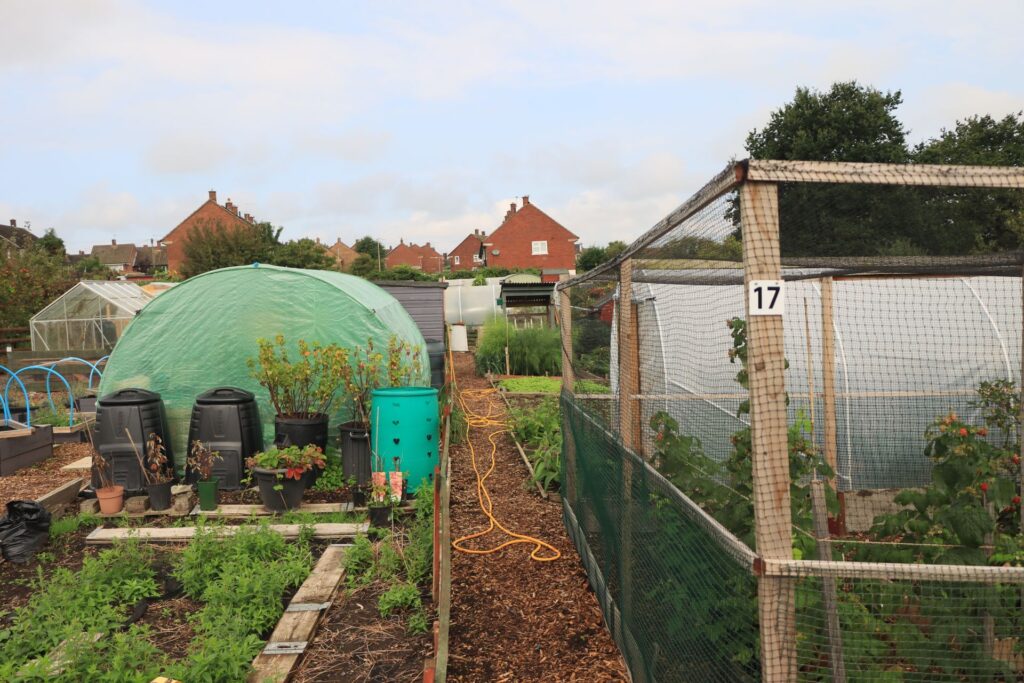
The amount of compost needed changes depending on whether the garden is brand new or already established.
Starting a New Bed
A new bed — especially one cut from lawn or hard ground — needs more help upfront. The soil structure has not been cultivated, and there is very little existing organic matter in most suburban soils.
For a new garden bed, apply 4 to 6 inches of compost and work it into the top 10 to 12 inches of soil. This feels like a lot, and it is. But it sets the foundation for years of productive growing. Think of it as an investment that pays back season after season.
Some gardeners also use the no-dig method for new beds, where a thick layer of compost — sometimes 8 to 10 inches — is laid directly on top of grass or weeds. The organic matter smothers what is underneath and builds a growing medium from the top down. This approach takes more compost upfront but saves significant digging labour.
Maintaining an Established Garden
An established garden that already has healthy soil needs far less. The annual top-up of 2 to 3 inches maintains the organic matter level and keeps the microbial ecosystem fed. This is usually applied in autumn as the beds go to sleep, or in spring before planting begins.
Many experienced gardeners also add a light compost dressing mid-season — around 1 inch — as a mulch between plants. This feeds the soil slowly, suppresses weeds, and retains moisture during summer dry spells.
How Many Bags Do You Actually Need?
For those buying bagged compost rather than making their own, the maths can feel confusing. Bags are sold by litres or cubic feet, but garden areas are measured in square feet or square metres.
Here is a quick guide:
A 40-litre bag of compost covers approximately 2 square metres at a 2-inch depth. For a 10 square metre bed at a 3-inch depth, around 15 bags would be needed.
For raised beds, the calculation changes again because the entire bed volume needs filling initially. A 4 foot by 8 foot raised bed filled to a 6-inch depth needs around 0.15 cubic metres of compost — roughly 6 to 7 standard bags.
Rather than doing the maths by hand, the detailed guide on bags per square foot makes this calculation straightforward for any size bed or area.
Can a Gardener Use Too Much Compost?
Yes — and this surprises many people. More is not always better when it comes to compost.
Applying excessive amounts of compost can cause several problems. Phosphorus levels in the soil can build up to levels that actually lock out other nutrients, especially iron and zinc. This leads to yellowing leaves and poor growth, which looks exactly like a nutrient deficiency — because it is, just caused by excess rather than lack.
Too much compost also creates a soil that is too fluffy and loose. Roots need resistance to anchor properly. A soil that is mostly organic matter with little mineral content can cause plants to fall over and roots to struggle to establish.
A good rule of thumb: never apply more than 4 inches of compost in a single season unless starting from scratch with very depleted or compacted ground. Building soil slowly over multiple seasons produces better long-term results than trying to fix everything at once.
Seasonal Timing: When to Apply Compost
Timing affects how effective compost application will be.
Autumn is the favourite season for many experienced gardeners. Applying compost in autumn gives it all winter to work into the soil as worms and microbes continue to process it even in cooler temperatures. By spring, the nutrients are available and the soil structure has improved.
Spring application works well for vegetable gardens. Working compost into beds a few weeks before planting gives it time to settle and integrate before seeds go in.
Mid-summer top-dressing around plants provides both nutrition and moisture retention during the hottest months. A light 1-inch layer around existing plants is all that is needed.
Winter is generally not ideal for applying compost in heavy rainfall areas, as nutrients can wash away before plants get the chance to absorb them. In drier climates or mild winters, it can work fine.
Common Mistakes Gardeners Make With Compost
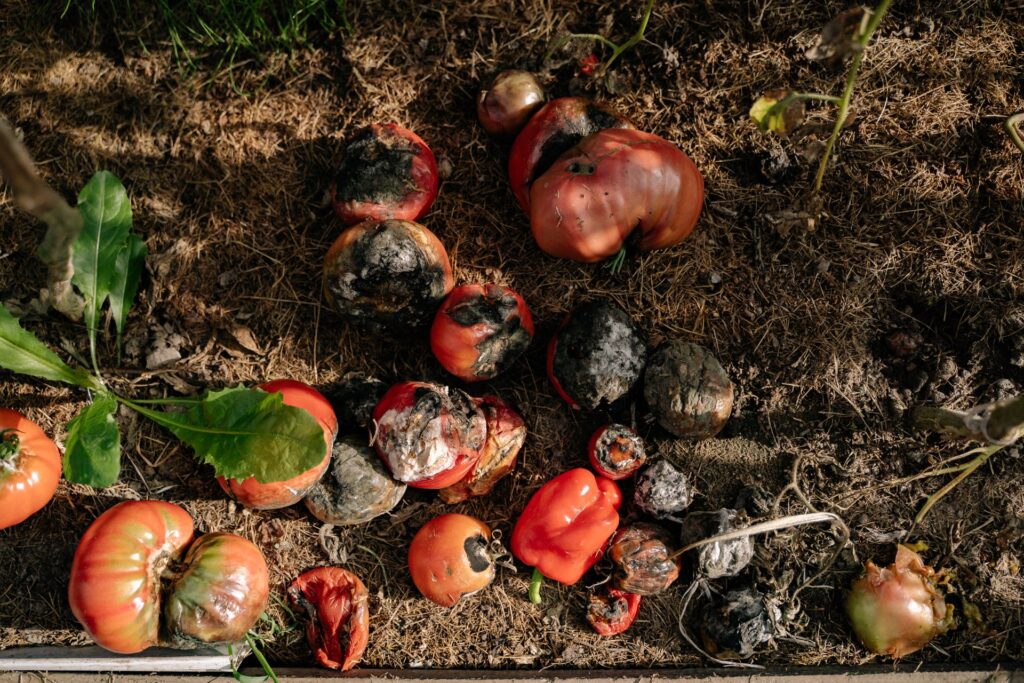
Even experienced gardeners fall into habits that reduce how effective their compost applications are. Knowing what to avoid saves both money and effort.
Applying compost on top without incorporating it. Simply piling compost on the surface and walking away works well as a mulch but does very little for soil structure deeper down. For the full benefit, it needs working into the top few inches of soil where root activity is highest. The exception is the no-dig method, where surface application is intentional and gradual incorporation happens naturally over time.
Using compost that is not fully matured. Fresh or partially decomposed compost — sometimes called “green compost” — can actually harm plants. It continues to decompose in the soil, generating heat and consuming nitrogen in the process. That nitrogen gets tied up by the decomposing material and becomes temporarily unavailable to plant roots. Always check that compost is fully broken down, dark, crumbly, and earthy-smelling before applying it to an active planting area.
Ignoring the nitrogen-to-carbon ratio. Not all compost is the same. A compost made mostly from autumn leaves and cardboard is high in carbon and may be slow to release nutrients. A compost rich in grass clippings, kitchen scraps, and green plant material is higher in nitrogen and releases more quickly. Knowing what the compost is made from helps set realistic expectations about how fast it will feed the soil.
Piling compost against plant stems or tree trunks. This is a habit that causes real damage over time. Compost held against a stem creates a permanently moist environment that encourages rot, fungal disease, and pest activity. Always leave a 2 to 3 inch gap between the compost and the base of any plant.
Skipping compost in good years. When a garden is performing well, it is tempting to skip the annual compost application. But soil organic matter breaks down every year regardless. Without regular topping up, the benefits built up over previous seasons start to erode. Consistent annual application — even a light one in a good year — keeps the soil ecosystem stable.
Compost and Raised Beds: A Special Consideration
Raised beds are among the most popular growing structures in modern gardens, and they have specific compost needs that differ from in-ground planting.
When a raised bed is first built, the entire growing medium needs to be created. A common and effective mix is 60% topsoil, 30% compost, and 10% other organic matter such as well-rotted manure or leaf mould. This creates a rich, well-draining medium right from the start.
After the first season, raised bed soil settles and compresses significantly. The level often drops by 2 to 4 inches over the first winter. Topping up with compost each spring is essential to maintain the volume and keep the nutrient levels high.
Because raised beds drain more freely than ground-level beds, they tend to lose nutrients faster. This makes annual compost top-dressing more important in raised beds than in traditional in-ground gardens. Many raised-bed growers add compost twice a year — once in spring before planting and again mid-season.
The confined growing space of a raised bed also means plants are packed in more closely, competing for nutrients more intensely. That extra competition makes generous compost applications even more worthwhile in this type of garden.
Homemade vs. Bought Compost: Does It Change the Amount?
The quality of compost varies, and that affects how much is needed.
Homemade compost is often richer and more variable in nutrient content. It may also be less fully broken down than commercial product. Applying slightly more homemade compost is reasonable because some of it is still decomposing and not immediately available to plants.
Shop-bought compost is usually more consistent, more fully matured, and sometimes enriched with added nutrients. Bags labelled as “soil improver” or “composted bark” are not the same as true garden compost. Always check the label — these products are used for mulching and do not improve soil nutrition in the same way.
Green waste compost from local councils or recycling schemes is often excellent quality and extremely cost-effective for large garden areas. It is typically well-matured and packed with organic matter.
Summary
Most gardens need 2 to 3 inches of compost per year. Vegetable gardens need a bit more — around 3 to 4 inches each season because they are heavy feeders. New beds need the most, up to 4 to 6 inches, worked deep into the soil to build a strong foundation.
Soil type matters too. Sandy and clay soils benefit from heavier applications, while healthy loamy soil only needs the standard annual top-up. Raised beds need compost twice a year because they drain faster and plants grow more closely together.
Timing is simple — apply in autumn or spring for best results. Never pile compost against plant stems and always make sure it is fully broken down before use.
Final Thoughts
Numbers and guidelines are useful starting points, but the best gardeners learn to read their soil and their plants. Healthy soil that smells earthy, crumbles easily, and teems with earthworms is telling the gardener something good. Pale, compacted, lifeless-looking soil is asking for help.
Compost is one of the most forgiving and versatile tools in any gardener’s toolkit. Applying it generously — within reason — almost always improves a garden. Starting with the recommended rates, observing how plants respond, and adjusting over time is the most reliable approach.
And for those who want a precise number without the guesswork, the Compost Calculator takes the area, bed type, and existing soil conditions into account to give a tailored answer every time.
The garden does not need to be perfect from the start. Every bag of compost worked into the soil is a step toward richer, healthier ground — and a more rewarding growing season ahead.
FAQs
How much compost should I add to my garden each year?
Most gardens need 2 to 3 inches of compost worked into the top 6 to 8 inches of soil each year. Vegetable gardens need slightly more — around 3 to 4 inches per season. New garden beds need the most, up to 4 to 6 inches, to build healthy soil from scratch.
Can you put too much compost in a garden?
Yes. Applying more than 4 inches in a single season can cause phosphorus buildup, lock out other nutrients, and make soil too loose for roots to anchor properly. More is not always better — consistent annual applications in the right amount produce far better results than overdoing it all at once.
How many bags of compost do I need for a garden bed?
A standard 40-litre bag covers roughly 2 square metres at a 2-inch depth. For a 10 square metre bed at a 3-inch depth, around 15 bags are needed. Use a Garden Compost Calculator to get an exact number for any size bed.
When is the best time to add compost to a garden?
Autumn is the best time for most gardens because compost works into the soil all winter before spring planting. Spring works well for vegetable beds a few weeks before sowing. A light mid-summer top-dressing around existing plants helps retain moisture during dry spells.
How deep should compost be dug into soil?
For vegetable beds, compost should be worked into the top 8 to 10 inches of soil. For flower borders, 6 inches is enough. Surface mulching only needs 1 to 2 inches laid on top without digging in. The right depth depends on the garden type and what is being grown.