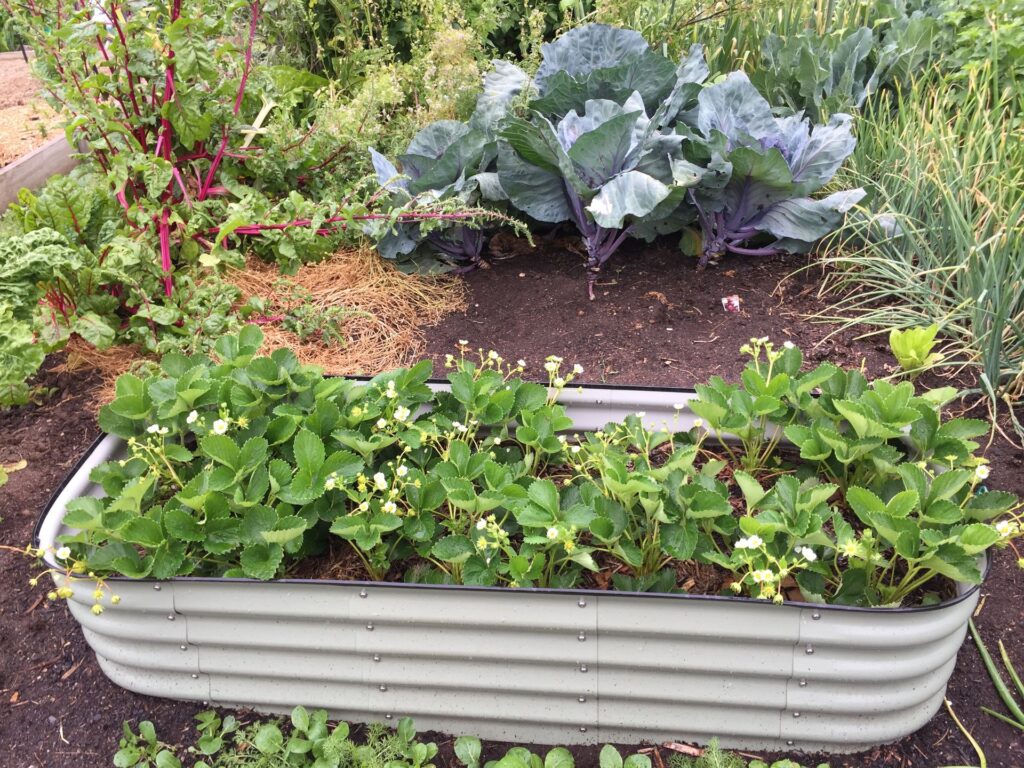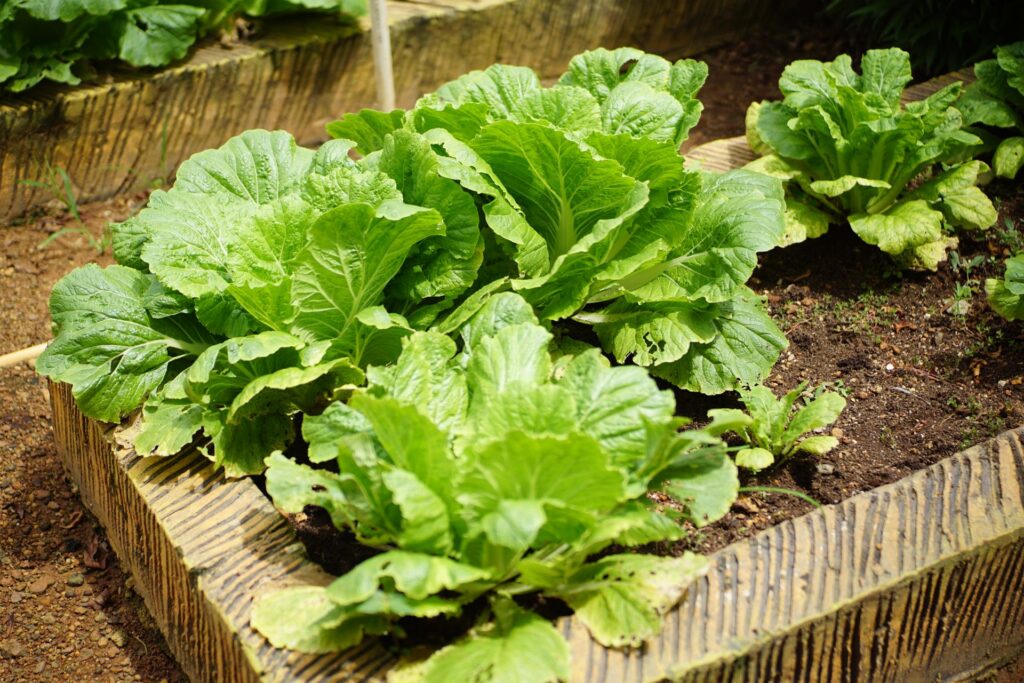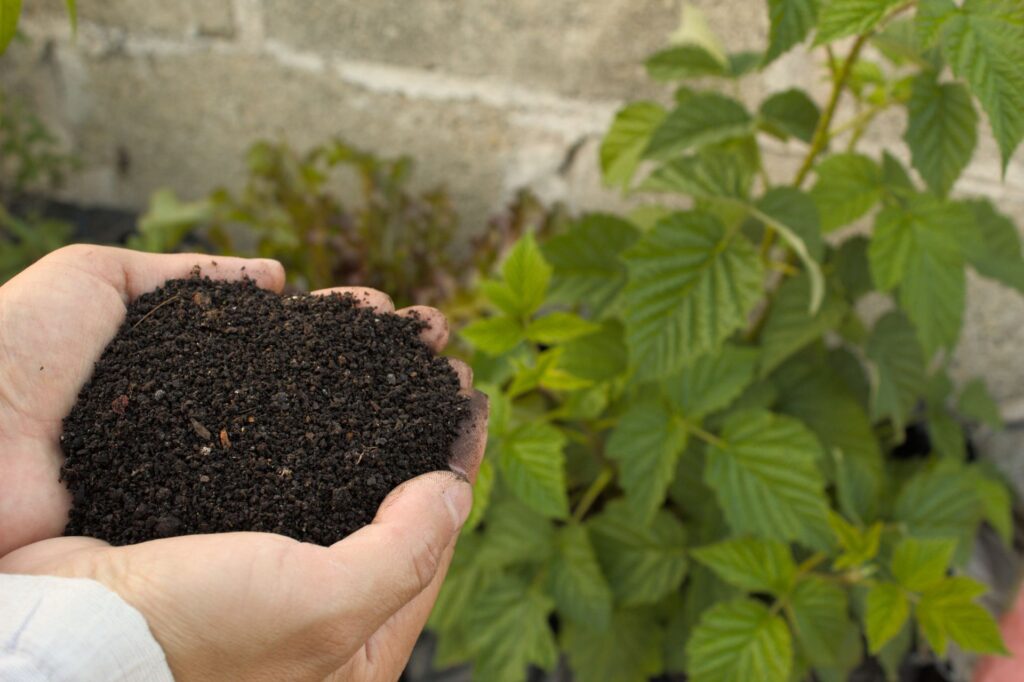
Compost calculation comes down to one simple formula: Length × Width × Depth (in feet) = cubic feet needed.
For most gardens, the standard application depths are 2–3 inches for in-ground vegetable beds, 1–2 inches for seasonal top-dressing on raised beds, and 4–6 inches when filling a brand new raised bed from scratch. A standard 4×8 raised bed needs roughly 9–10 cubic feet of compost for a new fill, or just 3–5 cubic feet for an annual refresh.
A 10×20 vegetable garden at 3 inches deep needs around 2 cubic yards of compost. When shopping by the bag, plan on 8–9 standard 2-cubic-foot bags per 100 square feet at a 2-inch depth. For larger gardens, bulk delivery is almost always the smarter and cheaper choice.
Getting compost amounts wrong is one of the most common mistakes home gardeners make. Too little and plants struggle. Too much and you waste money, time, and good organic material. Whether someone is building their first raised bed or refreshing a large in-ground vegetable patch, knowing exactly how much compost to use makes a real difference in plant health, soil structure, and harvest results.
This guide walks through everything a gardener needs to know about calculating compost the right way — with practical advice, real numbers, and tips that actually work in the garden.
Why Getting the Amount Right Actually Matters
Many gardeners guess when it comes to compost. They dump a bag or two into a bed and hope for the best. But compost application is not just about adding organic matter — it is about applying the right volume relative to the size and depth of the growing area.
Too little compost means plants do not get the full benefit of improved drainage, better aeration, and increased microbial activity. Too much, especially with very rich or immature compost, can create nitrogen overload, burning tender roots or throwing off soil pH.
Getting the balance right also saves money. Compost, whether bought in bags or in bulk, costs real money. Over-applying means throwing dollars away with every wheelbarrow load.
The good news is that the math is not difficult. Once a gardener understands a few basic measurements and ratios, calculating compost for any bed size becomes quick and straightforward.
Understanding Compost Depth: The First Step
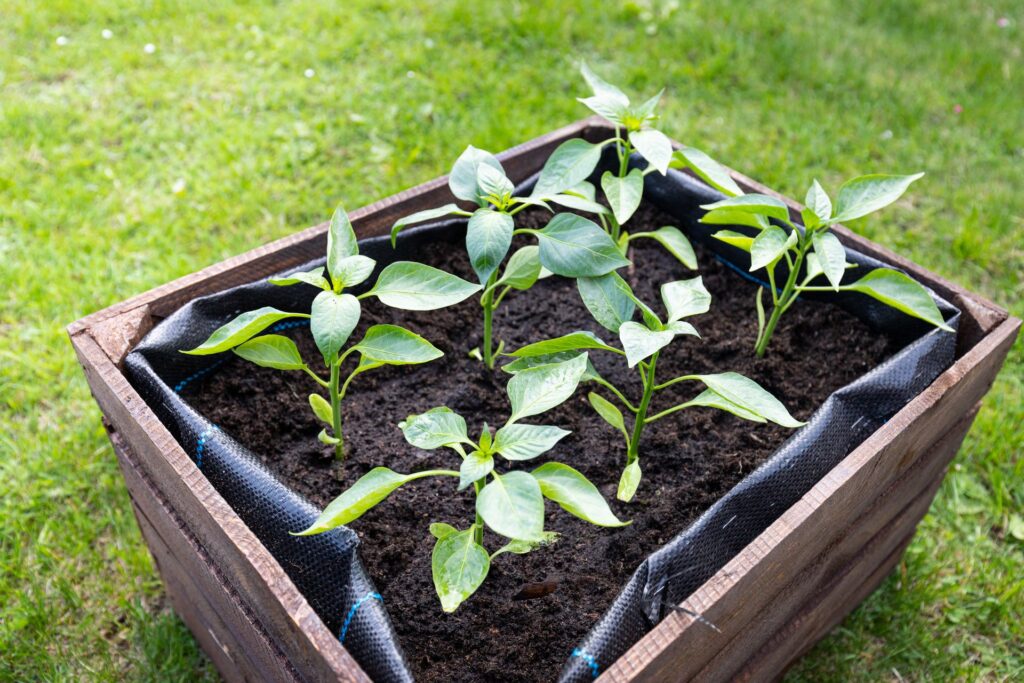
Before calculating volume, a gardener needs to decide how deep the compost layer should be. This depends on what the compost is being used for.
For new raised beds being built from scratch and filled entirely or partially with compost, the depth needs to support full root development.
For top-dressing existing beds — both raised and in-ground — the application is much shallower, usually added as a seasonal amendment.
Here is a general breakdown of recommended compost depths:
- New raised beds (full fill or heavy amendment): 4 to 6 inches of compost mixed into the growing medium
- Seasonal top-dressing for established beds: 1 to 2 inches applied to the surface and lightly worked in
- In-ground vegetable gardens: 2 to 4 inches tilled into the top 6 to 8 inches of existing soil
- Flower beds and perennial borders: 1 to 2 inches as a mulch and slow-release amendment
- Lawn overseeding or turf improvement: ¼ to ½ inch very fine compost worked into the grass
For a more detailed breakdown of optimal application depths by bed type and plant category, the best depth guide is worth bookmarking.
The Basic Math: How to Calculate Compost Volume
Compost volume is calculated in cubic feet or cubic yards, depending on whether a gardener is buying bags or ordering in bulk.
Here is the simple formula:
Volume (cubic feet) = Length (ft) × Width (ft) × Depth (ft)
Depth must be converted from inches to feet before plugging into the formula. Divide the inch measurement by 12 to get feet.
Example: A raised bed that is 4 feet wide, 8 feet long, with a 2-inch compost amendment
- Length: 8 feet
- Width: 4 feet
- Depth: 2 inches ÷ 12 = 0.167 feet
- Volume: 8 × 4 × 0.167 = 5.33 cubic feet
That is roughly 5 to 6 cubic feet of compost needed — or about 5 standard 1-cubic-foot bags, or a little under half a cubic yard if ordering in bulk.
To convert cubic feet to cubic yards, divide by 27 (since there are 27 cubic feet in a cubic yard):
5.33 ÷ 27 = 0.20 cubic yards
For larger gardens, this conversion becomes very useful. Bulk compost delivered by the yard is almost always more economical than buying individual bags.
Calculating Compost for Raised Beds
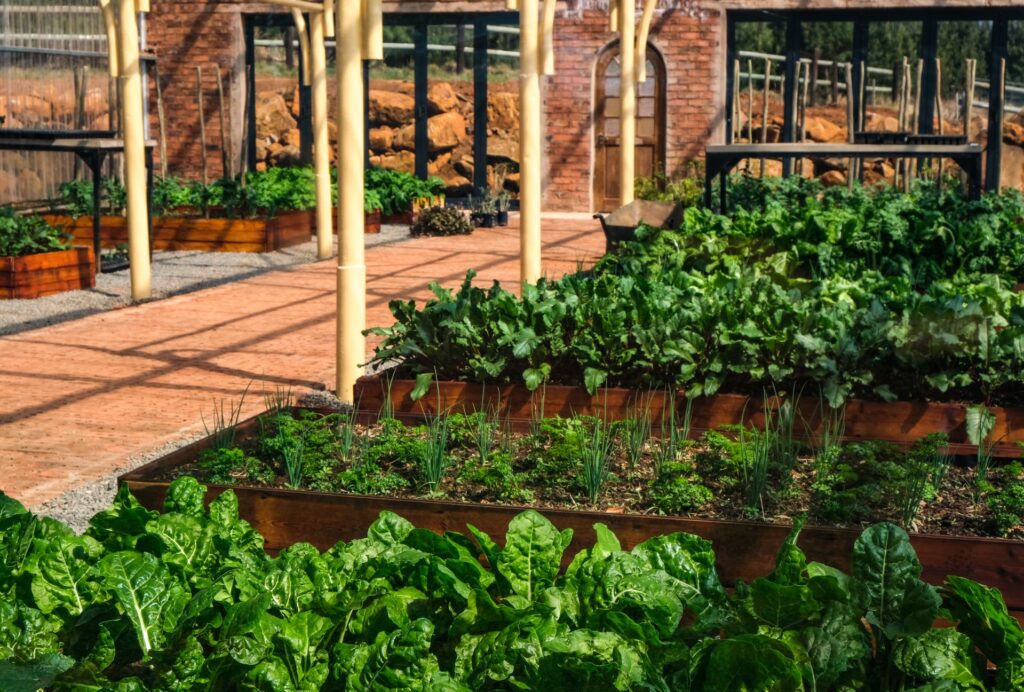
Raised beds are among the most satisfying gardening projects — and compost is the heart of what makes them productive. A well-built raised bed filled with high-quality compost and loamy soil can outperform native in-ground soil by a wide margin.
New Raised Beds
When building a new raised bed, many gardeners fill it with a mix of compost and topsoil, or sometimes pure compost if the budget allows. A common recipe is:
- 60% topsoil
- 30% compost
- 10% sand or perlite (for drainage)
For a raised bed that is 4 feet × 8 feet × 12 inches deep, the total volume is:
4 × 8 × 1 (12 inches = 1 foot) = 32 cubic feet
30% of 32 cubic feet = 9.6 cubic feet of compost
That means just under 10 cubic feet of compost for one standard raised bed. If buying 2-cubic-foot bags, that is about 5 bags per bed.
Established Raised Beds
Existing raised beds benefit from annual replenishment of compost, since plant roots, watering, and microbial breakdown all consume organic matter over time. Most experienced gardeners add 1 to 2 inches of compost to their beds each spring and sometimes again in fall.
For a 4 × 8 foot bed with a 1.5-inch top dressing:
4 × 8 × 0.125 (1.5 inches ÷ 12) = 4 cubic feet
So 4 cubic feet — roughly 2 standard bags of 2 cubic feet each — is all it takes to refresh a single raised bed for the season. That is a manageable and affordable task for most gardeners.
Calculating Compost for In-Ground Gardens
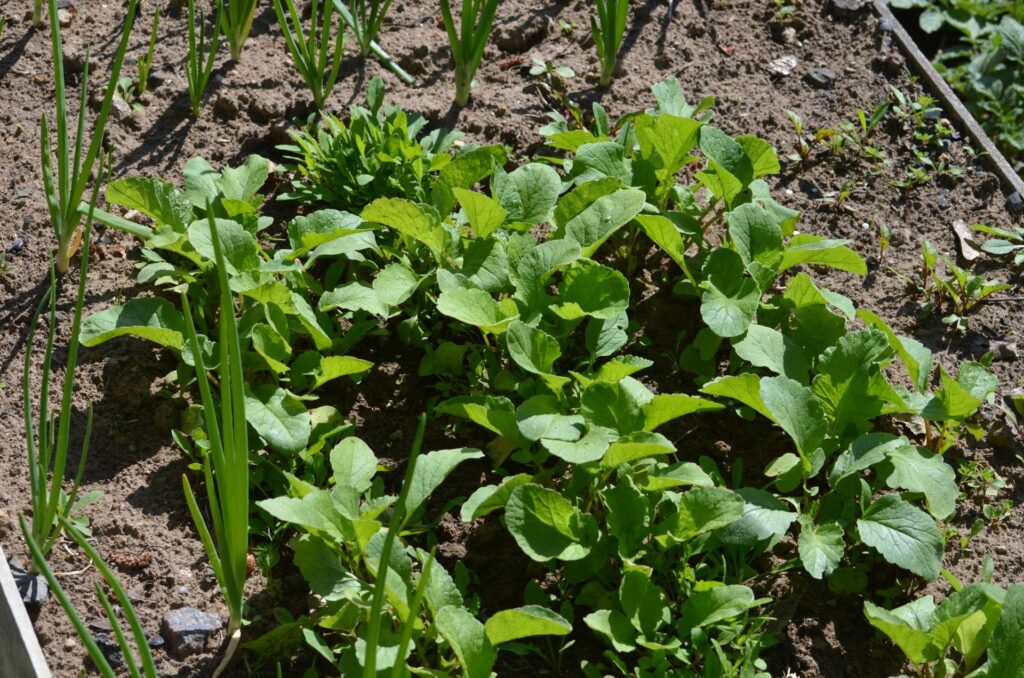
In-ground gardens require a slightly different approach because they already contain native soil. The goal is not to replace the soil but to improve its texture, fertility, and biological activity by incorporating compost.
Typical Application Rate for Vegetable Gardens
Most cooperative extension services and soil scientists recommend incorporating 2 to 3 inches of compost into the top 6 to 8 inches of soil before planting.
Example: A 10-foot × 20-foot vegetable garden with a 3-inch compost amendment
- Length: 20 feet
- Width: 10 feet
- Depth: 3 inches ÷ 12 = 0.25 feet
- Volume: 20 × 10 × 0.25 = 50 cubic feet
- In cubic yards: 50 ÷ 27 = 1.85 cubic yards (round up to 2 cubic yards)
For larger in-ground gardens, it becomes very clear why bulk delivery makes sense. Buying 50 one-cubic-foot bags would be both expensive and inconvenient. Ordering 2 cubic yards delivered is far more practical.
Flower Beds and Perennial Gardens
Flower beds do not need as much compost as vegetable gardens because most ornamental plants are less demanding. A 1-inch top dressing worked in gently around established plants is usually enough.
For a 6-foot × 12-foot flower border with a 1-inch application:
6 × 12 × 0.083 = 5.98 cubic feet ≈ 6 cubic feet
That is just 3 standard 2-cubic-foot bags — easy to manage and affordable.
Using a Calculator to Simplify the Process
While the math above is not complicated, it does get tedious when dealing with multiple beds, odd shapes, or mixed depth requirements. A reliable online garden compost calculator can do the work automatically — just enter the dimensions and get the exact amount needed in cubic feet, cubic yards, and number of bags.
This is especially helpful when planning a whole garden at once, where someone might be calculating 3 raised beds, 2 flower borders, and a vegetable patch all in the same season.
How Compost Improves More Than Just Nutrition
Many gardeners think of compost primarily as a fertilizer, but its real power lies in what it does to the physical properties of soil. This is one of the most underappreciated aspects of regular compost application.
Compost is packed with beneficial microorganisms — bacteria, fungi, protozoa, and nematodes — that transform the soil ecosystem. These organisms break down organic matter, cycle nutrients, and create a living web that supports plant roots in ways that synthetic fertilizers simply cannot replicate.
In sandy soils, compost acts like a sponge, helping the soil retain moisture and nutrients that would otherwise drain away. In heavy clay soils, compost creates aggregates that open up the structure, allowing air and water to move more freely and making it easier for roots to penetrate.
This improvement to soil structure and drainage is often the most visible and immediate benefit for gardeners dealing with problem soils. Within one or two growing seasons of regular compost additions, even difficult clay or sandy ground can become productive and workable.
Bags vs. Bulk: Which Option Makes More Sense?
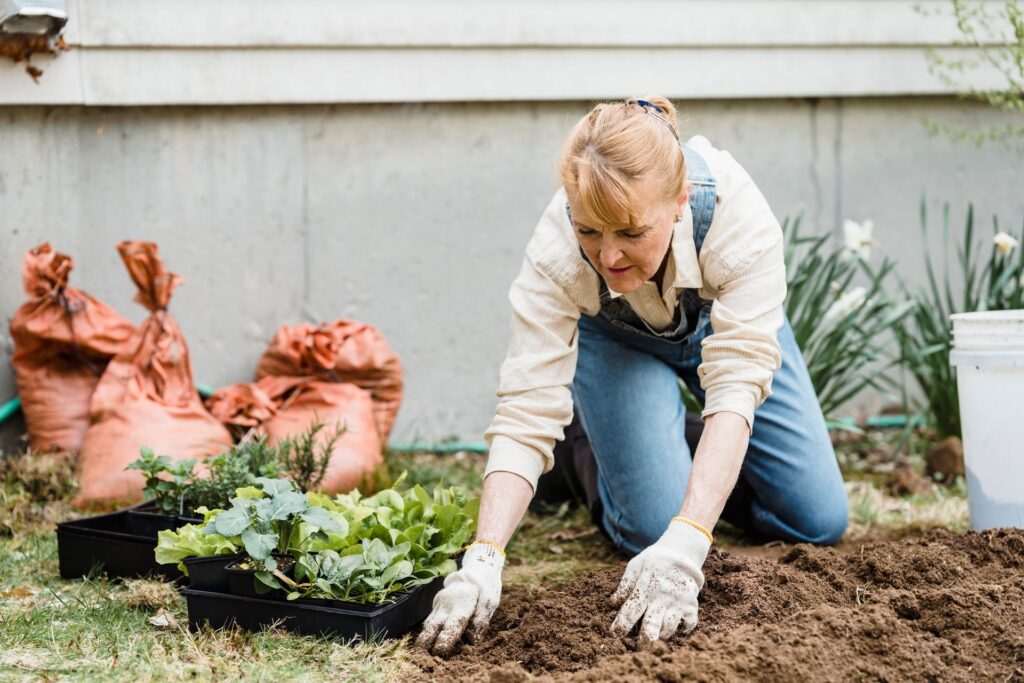
This is a practical question that comes up for almost every gardener. The answer depends mainly on how much compost is needed and how it will be transported and stored.
When Bags Make Sense
- Small raised beds or single containers
- Gardens in urban areas without easy access for delivery trucks
- When only 10 cubic feet or less is needed
- For targeted applications like potting mix or seed starting
When Bulk Makes Sense
- Large in-ground gardens or multiple raised beds
- When more than 1 cubic yard (27 cubic feet) is needed
- When cost savings are a priority — bulk compost typically costs 30% to 50% less per cubic yard than bagged compost
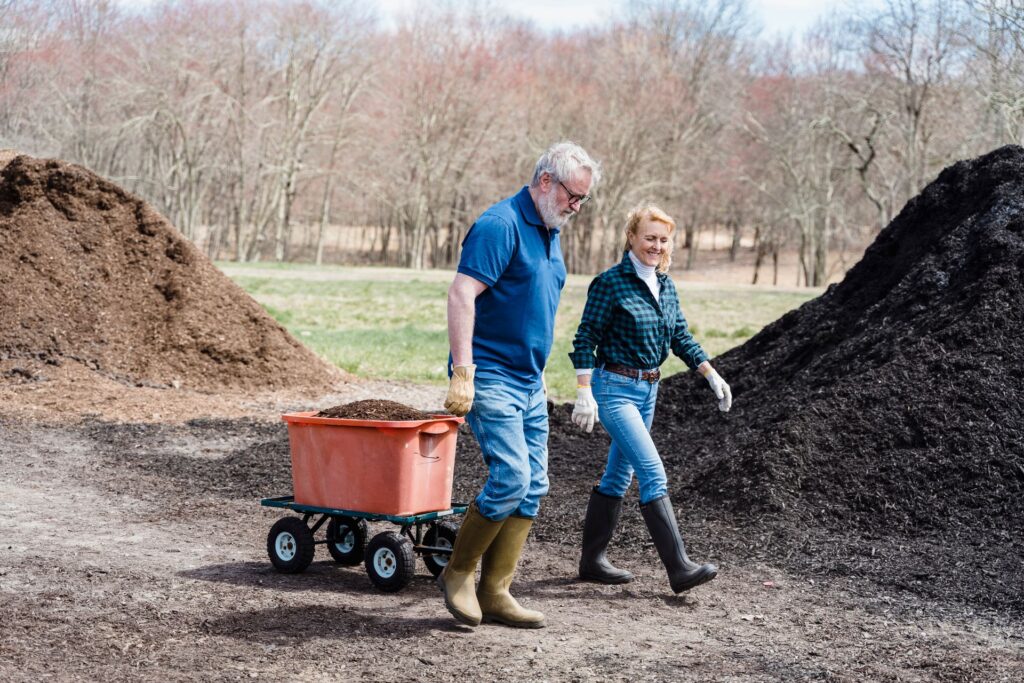
- When a gardener has a way to store it and a wheelbarrow or tractor to move it
For reference, a standard pickup truck bed holds roughly 1 to 2 cubic yards of compost depending on the truck size.
How Many Bags Per Square Foot?
This is a question that comes up often, especially for gardeners who prefer to shop by the bag. The answer depends on how deep the application will be.
Here are approximate bag counts (for standard 2-cubic-foot bags) per 100 square feet at different depths:
| Application Depth | Cubic Feet Needed | Number of 2 cu ft Bags |
|---|---|---|
| 1 inch | 8.3 | 4–5 bags |
| 2 inches | 16.7 | 8–9 bags |
| 3 inches | 25 | 12–13 bags |
| 4 inches | 33.3 | 16–17 bags |
For those who prefer a faster way to estimate without doing the math manually, a detailed breakdown of bags per square foot at various depths is available for quick reference.
Common Mistakes Gardeners Make When Applying Compost
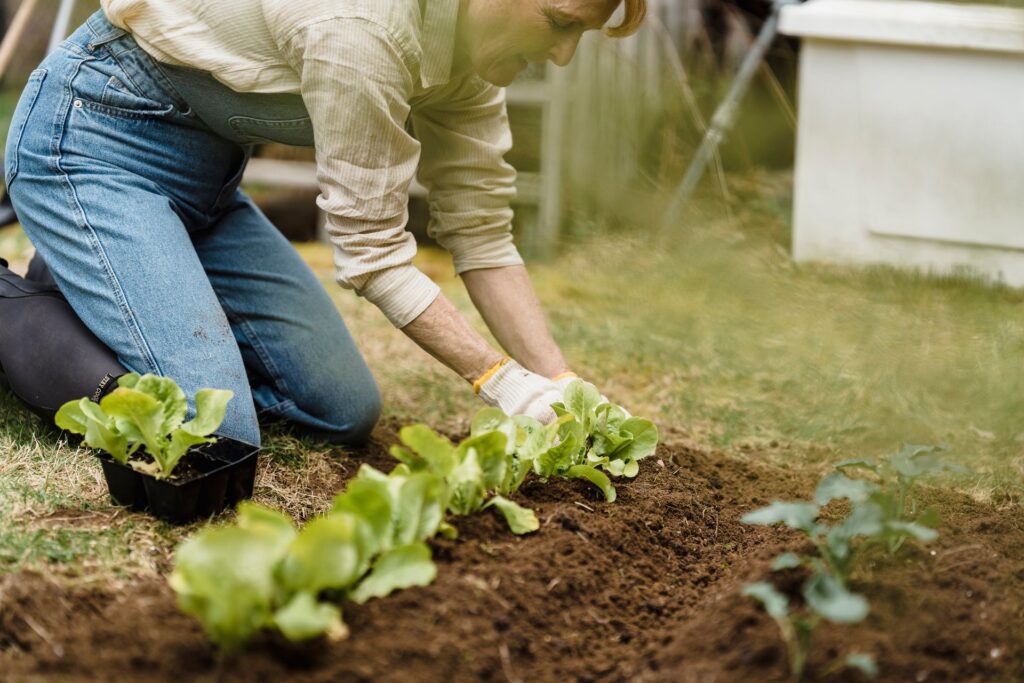
Even experienced gardeners sometimes get this wrong. Here are the most common errors to avoid.
Applying Too Much at Once
More is not always better with compost. Applying more than 4 to 6 inches at once can create an overly rich environment that actually discourages deep root growth — roots will stay shallow where the nutrients are instead of diving deeper into the soil.
Using Unfinished Compost
Raw or partially composted material can rob the soil of nitrogen as it breaks down, competing with plants for the same nutrient. Always use finished, dark, crumbly compost that smells earthy, not sour or ammonia-like.
Not Incorporating It Into the Soil
Leaving compost sitting on top without working it into the top few inches means it breaks down very slowly and plants do not benefit from it quickly. For vegetable gardens especially, always till or rake it in.
Applying at the Wrong Time
While compost can technically be applied any time, the best windows are early spring before planting and fall after harvest. Fall application lets compost break down over winter and integrates beautifully into the soil by spring.
Ignoring Soil Tests
Not all soils need the same thing. A soil test (available through most local extension offices for around $15 to $30) will reveal whether the garden truly needs extra compost or whether a different amendment is more appropriate.
How Much Compost Does a Garden Really Need Over Time?
This is a broader question that goes beyond one-time applications. Healthy garden soil is not a static thing — it evolves with every planting cycle, every rainfall, every season. Organic matter in soil is constantly being consumed and must be replenished.
As a general rule:
- Vegetable gardens benefit from 2 to 3 inches of compost applied once or twice a year
- Perennial flower beds typically need 1 to 2 inches per year
- Raised beds should have at least 1 inch added every spring, and more if the beds were very productive the previous season
- Established lawns do well with an annual ¼ to ½ inch top dressing of fine compost
Over multiple seasons, this consistent input builds a rich, living soil that requires less and less outside intervention. For a deeper look at long-term compost planning, this resource on garden compost needs covers annual versus multi-year application strategies in detail.
Quick Reference: Summary of Compost Calculations by Garden Type
Here is a fast-reference summary for the most common situations:
- Standard 4×8 Raised Bed — New Fill (30% compost ratio): Approximately 9 to 10 cubic feet of compost needed
- Standard 4×8 Raised Bed — Annual Top Dressing (1 to 2 inches): Approximately 3 to 5 cubic feet per season
- 10×20 In-Ground Vegetable Garden (3-inch amendment): Approximately 50 cubic feet or 2 cubic yards
- 6×12 Flower Border (1-inch amendment): Approximately 6 cubic feet or 3 standard bags
- 100 square feet at 2-inch depth: Approximately 8 to 9 standard 2-cubic-foot bags
What Really Happens in the Garden Without Proper Calculation
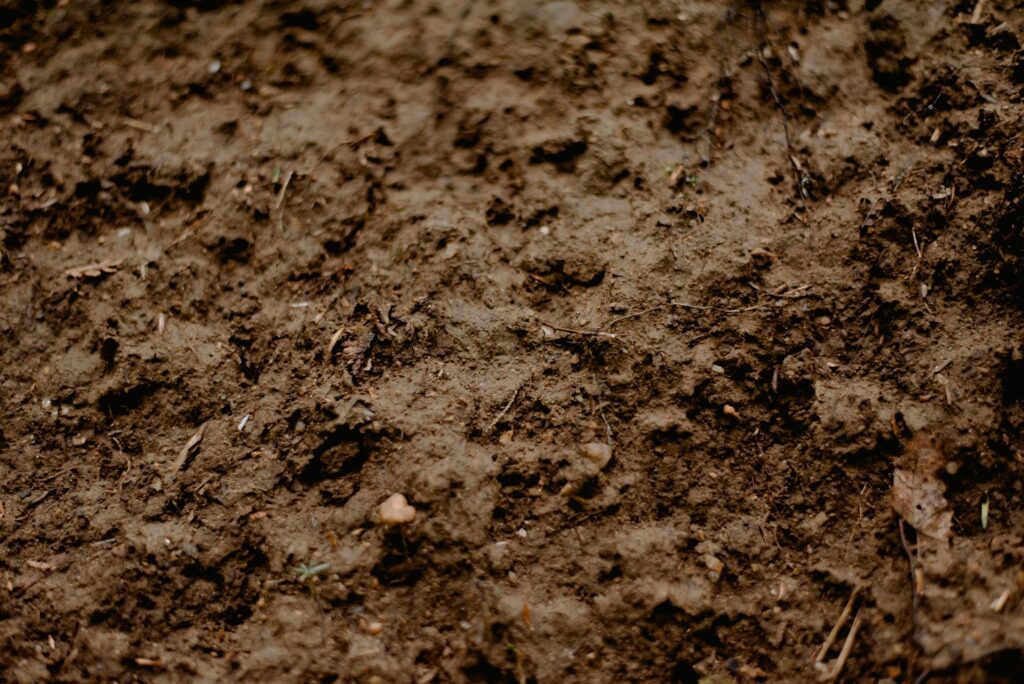
Picture a backyard gardener who spends an entire weekend building two beautiful raised beds from cedar planks. The beds look perfect — level, solid, and full of promise. On the drive home from the hardware store, they stop at the garden center and grab 4 bags of compost because it seems like a reasonable haul.
They spread it across both beds, mix it in a little, and get planting. By midsummer, something is clearly off. The tomatoes are leggy and pale. The zucchini is barely putting out.
The soil dries out so fast that watering every day barely keeps up. The gardener assumes it is the weather, or maybe the seeds, or bad luck — but the real culprit was never mysterious. Those 4 bags across 64 square feet of bed space delivered less than 1 inch of compost across the total growing area, nowhere near the 3 to 4 inches the beds actually needed. The soil had no organic matter to hold moisture, no biology to release nutrients, and no structure to support healthy roots.
Everything that compost was supposed to fix was still broken. This story plays out in thousands of backyard gardens every single season, not because gardeners do not care or do not try, but because nobody told them to measure first.
The fix is genuinely simple and it costs nothing extra — spend five minutes with a tape measure and a basic calculation before buying a single bag, and the whole season changes. On the other side of that same coin, over-application causes just as many problems in a different direction.
Choosing the Right Compost for the Right Job
Walking into a garden center and standing in front of a wall of compost bags can be genuinely confusing if a gardener does not know what they are looking for. The bags all look similar, the marketing language all sounds the same, and the price differences can seem random.
But compost products vary significantly in terms of their source material, nutrient concentration, pH, texture, and biological activity — and picking the wrong one for a specific garden situation can mean wasted money or even plant damage.
Vegetable compost made from plant-based kitchen scraps, yard trimmings, and straw is the most universally safe and useful option for most home gardens. It is light, crumbly, well-balanced in nutrients, and appropriate for direct root contact even in seed-starting mixes.
Mushroom compost, a byproduct of commercial mushroom farming, is excellent for improving soil texture and water-holding capacity but tends to run alkaline, often sitting at a pH of 7.5 or above, which makes it a poor choice for blueberries, azaleas, or any acid-loving plants. For most vegetable beds it works beautifully when blended with other compost at about a 50/50 ratio to moderate the pH effect.
Worm castings, also called vermicompost, are arguably the most biologically alive amendment available to home gardeners — packed with beneficial microorganisms, plant-available nutrients, and compounds that actively stimulate root development. Because they are so concentrated, they should not be applied in thick layers but rather blended into soil at around 10% to 20% of total volume. Pound for pound they are expensive, but even small quantities produce noticeable results.
Aged manure compost from cows, horses, or chickens is high in nitrogen and works particularly well for heavy-feeding crops like corn, squash, and leafy greens. The critical detail is that it must be fully composted — not just aged — for at least 6 to 12 months before use in a food garden. Fresh or partially composted manure carries pathogen risks and causes the same burning effect as synthetic over-fertilization.
And then there is homemade backyard compost, which many experienced gardeners consider the gold standard simply because it is made from local organic materials that reflect the local soil ecosystem. The microorganisms in well-finished homemade compost are already adapted to the local environment, and when introduced to garden beds they hit the ground running. The catch is that it must be genuinely finished — dark, crumbly, earthy-smelling, with no recognizable original materials left — before being applied to a growing bed.
The Seasonal Rhythm That Keeps Garden Soil Truly Alive
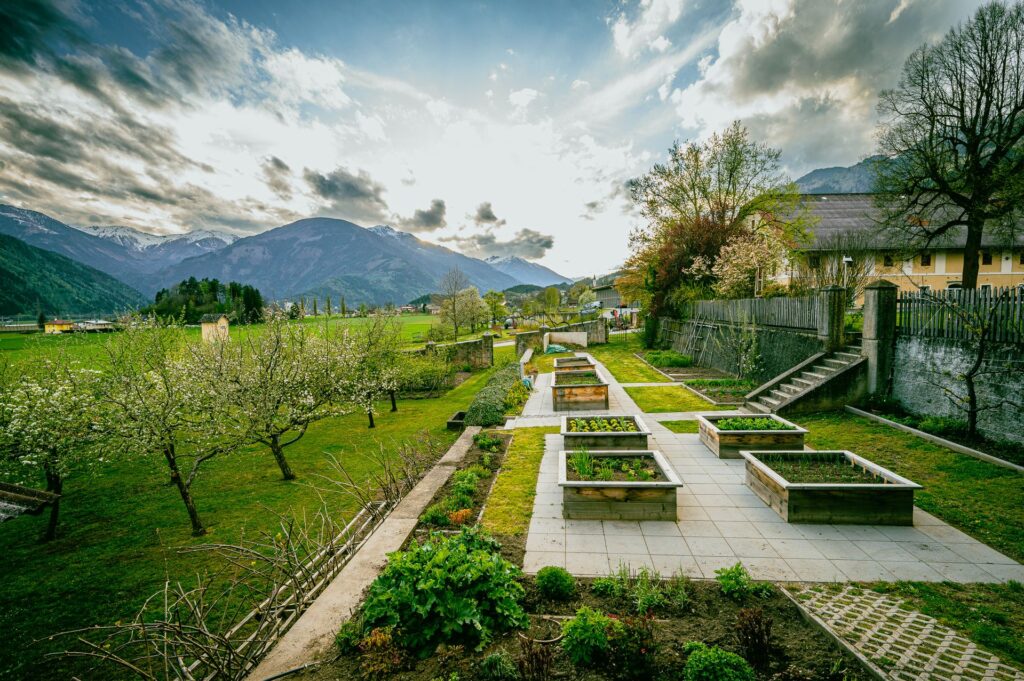
One of the most important things that experienced gardeners understand about compost is that it is not a one-time fix — it is an ongoing relationship with the soil that plays out across seasons and years. Organic matter breaks down continuously through the activity of soil microbes, earthworms, plant roots, and environmental conditions like temperature and rainfall.
A raised bed or in-ground garden that receives a generous compost application in the spring will have consumed a significant portion of that organic matter by fall, which means the next spring it needs to be replenished again. Gardeners who embrace this rhythm rather than resist it end up with soil that gets measurably richer year after year.
Early spring, just before soil temperatures consistently hit 50°F and planting begins, is the most impactful time to apply compost. Working 1 to 2 inches of fresh compost into the top few inches of bed soil right before transplanting gives seedlings immediate access to nutrients and establishes the biological environment they need to thrive.
For raised beds especially, this annual replenishment is non-negotiable because the contained volume of soil has no connection to the wider underground ecosystem and depends entirely on what the gardener adds. As summer progresses and plants are actively growing and producing, a light midsummer side dressing of compost around the base of heavy feeders like tomatoes, cucumbers, and peppers helps replace what roots have already taken up.
This does not need to be a thick application — even half an inch worked into the surface gently with a hand cultivator makes a noticeable difference in sustained productivity. The single most powerful compost application of the entire year, however, is the one that happens in fall after harvest.
Once the season is over and beds are cleared, spreading 2 to 3 inches of compost across the entire surface and either incorporating it lightly or simply leaving it as a winter mulch sets the soil up beautifully for spring. The freeze-thaw cycles of winter help integrate the organic matter naturally, worms work it downward through the soil profile, and by the time planting season arrives the bed has transformed.
Gardeners who maintain this fall application habit consistently for 3 to 5 years often describe their soil as nearly unrecognizable compared to where it started — darker, softer, better draining, and far more productive with less and less outside input needed over time.
Summary
- The blog post teaches gardeners how to calculate the exact amount of compost needed for any raised bed or in-ground garden, so they stop guessing and start getting real results every season.
- The core formula covered is Length × Width × Depth (converted to feet) = cubic feet of compost needed, which works for any garden shape or size.
- Before calculating volume, a gardener must first decide on the right application depth, which varies depending on whether the bed is new, established, or in-ground.
- New raised beds being filled from scratch typically need 4 to 6 inches of compost mixed into the growing medium to support full root development.
- Established raised beds only need 1 to 2 inches of fresh compost added each season as a top dressing to replenish what plants and microbes have consumed.
- In-ground vegetable gardens benefit most from 2 to 3 inches of compost tilled into the top 6 to 8 inches of existing native soil before planting.
- Flower beds and perennial borders generally only need 1 to 2 inches per year since ornamental plants are less nutrient-demanding than vegetables.
- A standard 4×8 raised bed filled with a 30% compost ratio needs approximately 9 to 10 cubic feet of compost, which equals about 5 standard 2-cubic-foot bags.
- The same 4×8 bed refreshed with a 1.5-inch seasonal top dressing only needs around 4 cubic feet, or roughly 2 bags.
- A 10×20 in-ground vegetable garden amended to 3 inches deep needs approximately 50 cubic feet, which equals about 2 cubic yards of bulk compost.
- For every 100 square feet of garden at a 2-inch depth, a gardener needs approximately 8 to 9 standard 2-cubic-foot bags.
- Bulk compost ordered by the cubic yard is typically 30% to 50% cheaper than buying individual bags and makes far more sense for any garden needing more than 1 cubic yard.
- A standard pickup truck bed holds roughly 1 to 2 cubic yards of compost, which is a useful reference when planning bulk purchases.
- Compost does far more than feed plants — it physically transforms soil structure, improves drainage in clay soils, increases moisture retention in sandy soils, and builds a living ecosystem of beneficial microorganisms underground.
- Over-applying compost, especially concentrated types like fresh manure, can cause nitrogen burn, shallow root development, and pH imbalance — so more is not always better.
- Using unfinished compost robs the soil of nitrogen as it continues to break down, competing directly with plants for the same nutrient.
- The best times to apply compost are early spring before planting and fall after harvest, with light side dressings possible through midsummer for heavy-feeding crops.
- Consistent annual compost additions over 3 to 5 years transform even poor clay or sandy soil into rich, dark, productive growing ground that requires less and less input over time.
- The post includes a quick reference summary table covering the most common garden sizes and their compost needs in cubic feet, cubic yards, and bag counts for fast planning.
- The overall message is that calculating compost correctly before buying saves money, prevents plant damage, and is the single most impactful habit any gardener can build for long-term soil and garden health.
Final Thoughts
Calculating compost for raised beds and in-ground gardens is a skill that every serious gardener benefits from learning. Once someone understands the basic volume formula and the recommended application rates for different garden types, the guesswork disappears.
Planning becomes intentional. Shopping becomes efficient. And most importantly, gardens respond with the kind of vigorous, healthy growth that makes all the effort worthwhile.
Whether someone is setting up their first 4×8 raised bed, expanding an in-ground vegetable patch, or refreshing a tired flower border, the math is straightforward and the tools available today make it even simpler.
Start with accurate measurements, choose the right depth for the situation, and never underestimate what good compost does for the long-term health of any garden.
Consistent annual additions, made in the right amounts, are what separate struggling gardens from thriving ones.
FAQs
How much compost do I need for a raised bed?
For a brand new 4×8 raised bed filled to 12 inches deep, you need roughly 9 to 10 cubic feet of compost using the standard 30% compost ratio in the soil mix. That equals about 5 standard 2-cubic-foot bags. For an existing raised bed, a seasonal top dressing of 1 to 2 inches each spring only needs around 3 to 4 cubic feet — just 2 bags. Always measure the bed and calculate before buying rather than guessing at the garden center.
How do I calculate how much compost I need?
Use this simple formula: Length × Width × Depth (in feet) = cubic feet needed. Convert depth from inches to feet by dividing by 12 first. For example, a 10×4 foot bed at 2 inches deep works out to 10 × 4 × 0.167 = 6.68 cubic feet. To convert to cubic yards for bulk ordering, divide by 27.
How many bags of compost do I need for a garden?
For every 100 square feet at a 2-inch depth, plan on 8 to 9 standard 2-cubic-foot bags. At 3 inches that rises to 12 to 13 bags, and at 4 inches it reaches 16 to 17 bags. Once a garden needs more than 10 to 12 cubic feet, switching to bulk compost ordered by the cubic yard saves 30% to 50% compared to buying individual bags and is almost always the smarter choice for larger spaces.
How deep should compost be in a vegetable garden?
For in-ground vegetable gardens, the standard recommendation is 2 to 3 inches of compost tilled into the top 6 to 8 inches of existing soil before planting. For new raised beds being built from scratch, 4 to 6 inches mixed throughout the growing medium is more appropriate since the bed has no existing organic matter to build from. For established raised beds being refreshed each season, 1 to 2 inches is enough to replenish what the previous growing season used up.
How often should you add compost to a garden?
Most vegetable gardens benefit from compost added once or twice a year, with the two best windows being early spring before planting and fall after harvest. The spring application feeds transplants right away while the fall application gives organic matter all winter to naturally integrate into the soil. Raised beds need annual replenishment more consistently than in-ground gardens because their contained soil breaks down organic matter faster. Gardeners who keep up this rhythm for 3 to 5 years consistently end up with richer, darker, more productive soil that needs less input over time.