Volume = Length × Width × Depth
For example, a 4 x 8 foot bed that is 12 inches deep needs 32 cubic feet of soil — about 22 bags (1.5 cu ft each) or roughly 1.2 cubic yards in bulk.
Quick reference:
| Bed Size | Depth | Soil Needed |
|---|---|---|
| 4 x 4 ft | 12 in | 16 cu ft (~11 bags) |
| 4 x 8 ft | 12 in | 32 cu ft (~22 bags) |
| 4 x 12 ft | 12 in | 48 cu ft (~32 bags) |
| 2 x 6 ft | 12 in | 12 cu ft (~8 bags) |
Always buy 10–15% extra to account for soil settling after watering.
Starting a raised garden bed is one of the most rewarding things a person can do in their backyard. The excitement of picking the perfect spot, choosing what to grow, and building or buying that beautiful bed frame is real and contagious. But then comes the question that stops almost every beginner in their tracks — how much soil do I actually need?
It sounds like a simple question, but getting it wrong can cost a lot of money and effort. Too little soil means plants struggle to grow deep roots.
Too much means unnecessary spending on bags that end up sitting in the garage for months. Getting this right from the start makes everything easier, and that is exactly what this guide is here to help with.
Why Getting the Right Amount of Soil Matters So Much
Many gardeners, especially first-timers, underestimate just how much soil a raised bed needs. They eyeball it, buy a few bags, and then realize halfway through filling the bed that they are running short. Then they make a second trip to the garden center, spend more money, and sometimes end up with a slightly different mix that does not match what is already in the bed.
On the flip side, some people overbuy dramatically. They come home with 10 to 15 extra bags of soil that they stack in the corner of the shed, only to find them hardened and waterlogged by the following spring.
The soil volume directly affects how well plants grow. Most vegetables need at least 12 inches of loose, well-draining soil to develop properly. Shallow soil limits root development, which limits the size and health of the plant above ground. Getting the amount right is not just about saving money — it is about setting plants up for real success.
Understanding the Basic Math Behind Soil Volume
Before anything else, it helps to understand how soil volume is measured. In gardening, soil is usually measured in cubic feet or cubic yards.
The formula is straightforward:
Volume = Length × Width × Depth
All three measurements need to be in the same unit. If the measurements are in feet, the result will be in cubic feet. If they are in inches, divide the result by 1,728 to convert to cubic feet (since there are 1,728 cubic inches in one cubic foot).
Here is a simple example:
- A raised bed that is 4 feet long, 4 feet wide, and 12 inches (1 foot) deep
- Volume = 4 × 4 × 1 = 16 cubic feet of soil
That is the amount needed to fill that bed completely. Now, many gardeners do not want to do this math every time, especially when they have beds in different shapes or sizes. That is exactly where a tool like the Raised Garden Bed Soil Calculator becomes incredibly useful. It removes the guesswork and gives accurate results in seconds.
Common Raised Bed Sizes and How Much Soil They Need
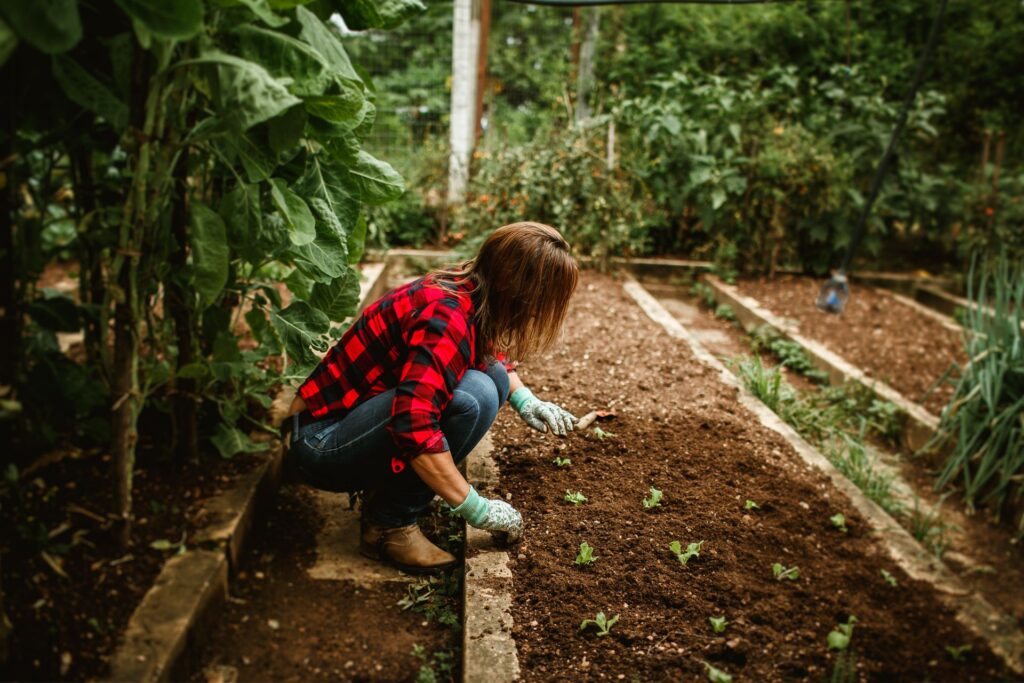
Here is a quick reference guide based on common raised bed dimensions, assuming a 12-inch depth, which is the standard recommended depth for most vegetables:
4 x 4 Foot Raised Bed
- Volume: 16 cubic feet
- In bags (1.5 cubic foot bags): approximately 11 bags
- In bulk (cubic yards): roughly 0.6 cubic yards
4 x 8 Foot Raised Bed
- Volume: 32 cubic feet
- In bags: approximately 22 bags
- In bulk: roughly 1.2 cubic yards
4 x 12 Foot Raised Bed
- Volume: 48 cubic feet
- In bags: approximately 32 bags
- In bulk: roughly 1.8 cubic yards
2 x 6 Foot Raised Bed
- Volume: 12 cubic feet
- In bags: approximately 8 bags
- In bulk: roughly 0.45 cubic yards
These numbers assume a full 12-inch fill depth. Adjust accordingly if the bed is shallower or deeper.
How Deep Should a Raised Garden Bed Be?
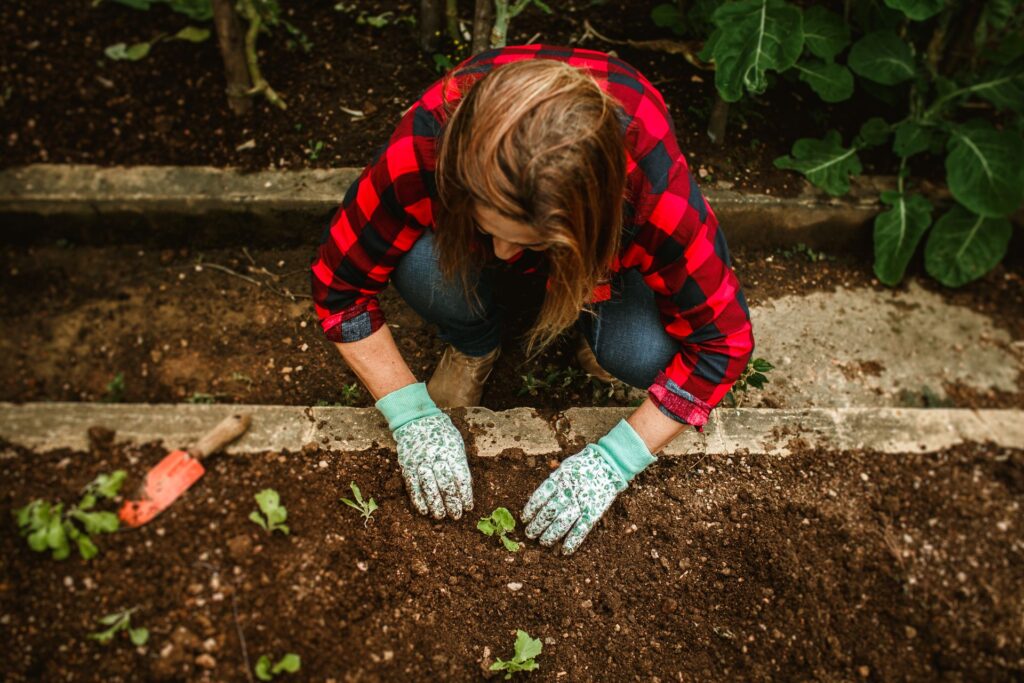
The depth of a raised garden bed has a huge impact on how much soil is needed and what can be grown successfully. Different plants have different root depth requirements, and this affects the decision significantly.
6 Inches Deep
This works for shallow-rooted plants like lettuce, spinach, herbs, radishes, and strawberries. It uses less soil and works well for raised beds placed directly on existing good garden soil.
12 Inches Deep
This is the most popular and versatile depth. It suits the majority of vegetables including tomatoes, peppers, cucumbers, beans, carrots, and most annual flowers. This depth gives roots plenty of room to grow down, and it also allows for good drainage.
18 Inches Deep
This depth is ideal for root vegetables like parsnips, sweet potatoes, and large carrots. It also works great for fruit-bearing plants that develop extensive root systems over multiple seasons.
24 Inches or More
This is typically used in elevated or accessible garden beds built for people who garden from wheelchairs or prefer not to bend down. The extra depth also gives enormous root freedom for ambitious growing projects.
Always consider what plants will go into the bed before deciding on depth. Choosing the depth first and buying soil accordingly prevents costly surprises later.
What Type of Soil Should Go Into a Raised Bed?
Choosing how much soil is only half the equation. Choosing what kind of soil matters just as much. Native garden soil is not a good choice for raised beds. It tends to compact over time inside a confined space, which reduces drainage and suffocates roots.
The best approach is to build a custom soil blend. The most widely used and recommended mix among experienced gardeners is often called Mel’s Mix, which was popularized by gardening author Mel Bartholomew in his book Square Foot Gardening.
The classic Mel’s Mix formula is:
- ⅓ compost (blended from multiple sources if possible)
- ⅓ peat moss or coconut coir
- ⅓ coarse vermiculite
This blend is light, fluffy, well-draining, and nutrient-rich. It supports excellent root growth and does not compact the way regular soil does.
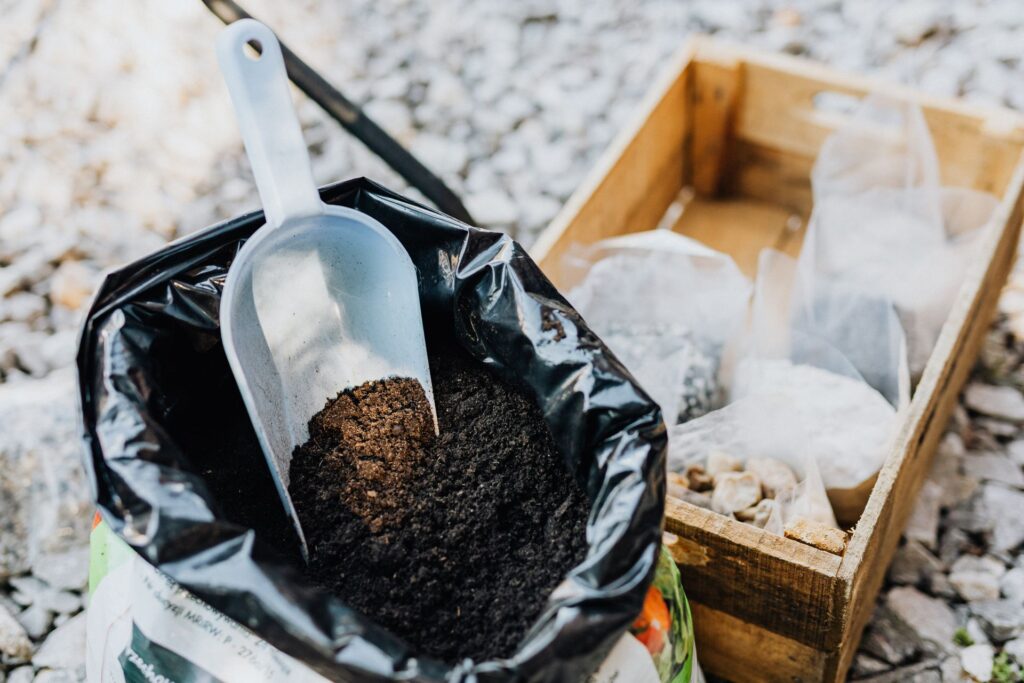
For gardeners who prefer a simpler approach, many garden centers sell pre-mixed raised bed soil by the bag or in bulk. These blends typically include a mix of topsoil, compost, and organic matter. They work well and save time, though they can be more expensive per cubic foot than mixing components individually.
A good rule of thumb when buying pre-mixed raised bed soil is to check the ingredient list. The best mixes contain compost, aged bark, and perlite or vermiculite. Avoid anything that is mostly peat or mostly sand without added organic matter.
Bulk Soil vs Bagged Soil: Which Is Better?
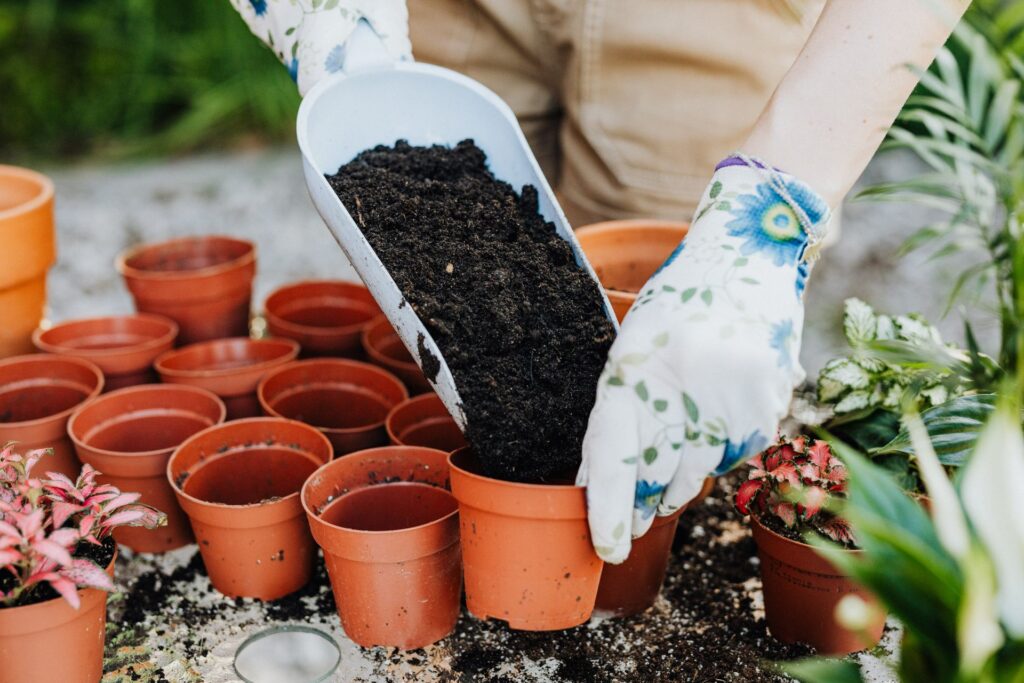
This is a decision that depends largely on the size of the project.
Bagged Soil
- Best for small projects (one or two small beds)
- Easy to handle and transport in a standard car
- More expensive per cubic foot
- Consistent quality within each brand
Bulk Soil
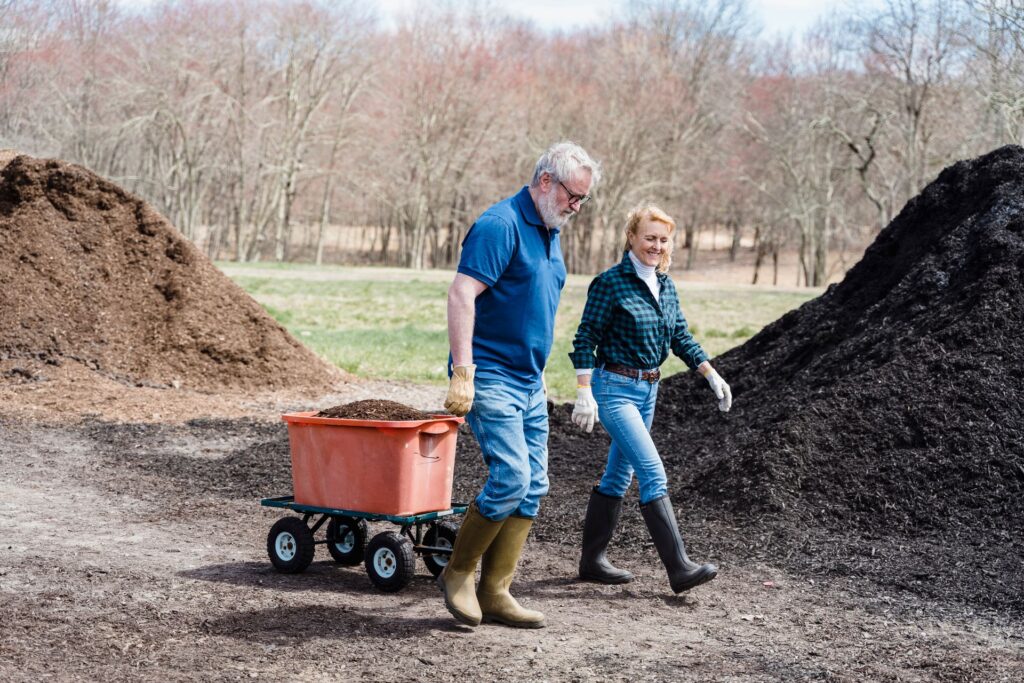
- Best for larger projects (multiple beds or beds larger than 4 x 8 feet)
- Delivered by the truckload from a landscaping supplier
- Significantly cheaper per cubic foot
- Quality can vary by supplier, so checking reviews or asking for a sample first is wise
For someone filling a single 4 x 4 bed, bagged soil from the garden center is perfectly fine. But for someone building three 4 x 8 beds in one season, buying bulk soil from a local landscape supply company can save 30 to 50 percent of the cost.
The Role of Topping Up Each Year
One thing many new raised bed gardeners do not anticipate is soil settlement. Over the course of one growing season, the soil level in a raised bed drops noticeably. This happens because organic matter breaks down, roots consume nutrients, and watering gradually compresses the soil.
By the following spring, many beds have dropped 2 to 4 inches from their original fill level. This means adding new soil or compost each year to top the bed back up before the new season begins.
A common and very effective annual practice is to add 2 to 3 inches of compost across the top of the bed each spring and gently work it into the top few inches of existing soil. This replenishes nutrients, restores volume, and improves soil structure season after season.
If someone is wondering how much compost to add annually to top up a 4 x 8 foot bed by 2 inches, that math looks like this:
4 × 8 × 0.167 (which is 2 inches in feet) = approximately 5.3 cubic feet
That is roughly 4 bags of compost per year for one mid-sized bed. Planning for this annual top-up cost is part of smart raised bed budgeting.
How to Reduce Soil Costs Without Sacrificing Quality
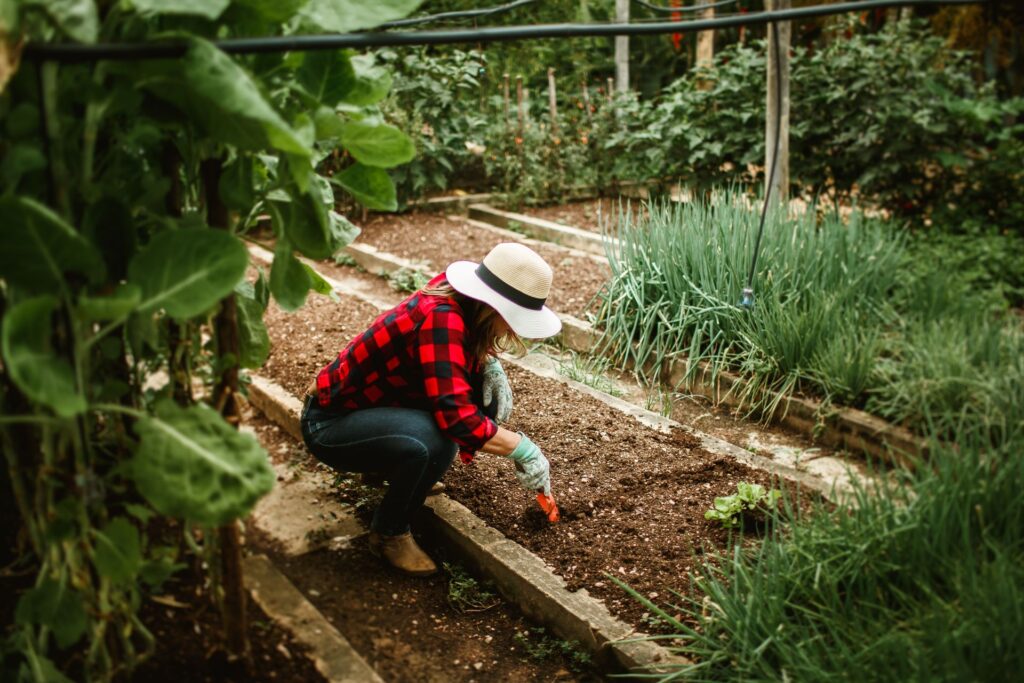
Good raised bed soil is not cheap, especially when filling large or deep beds. Here are some legitimate ways experienced gardeners reduce costs without cutting corners.
The Hugelkultur Method
Some gardeners fill the bottom third to half of a deep raised bed with logs, branches, and woody debris before adding soil on top. This material breaks down slowly over several years, adding nutrients and improving water retention. It also reduces the total volume of purchased soil needed significantly.
Lasagna Gardening Base
Another approach is to use a lasagna gardening base in the lower portion of the bed. This means layering cardboard, straw, dried leaves, kitchen scraps, and other organic materials before topping with quality raised bed mix. The lower layers break down over the season, adding fertility while reducing the upfront soil purchase.
Buying in Bulk
As mentioned earlier, buying soil in bulk from a landscape supplier rather than in individual bags from a garden center can reduce cost dramatically, especially for larger projects.
Making Compost at Home
Starting a backyard compost bin is one of the best long-term investments a gardener can make. Homemade compost costs nothing once the system is set up, and it dramatically reduces the cost of topping up beds each year.
Experience-Based Tips From Real Gardeners
Talk to anyone who has been gardening in raised beds for five or more years and they will almost always share the same advice: always buy slightly more soil than the calculation suggests.
Soil bags are sometimes underfilled. Bulk deliveries can be slightly light. Soil settles more than expected in the first few weeks after filling, especially after the first few heavy waterings. Buying an extra 10 to 15 percent above the calculated amount is almost always worth it.
Another common piece of wisdom from experienced raised bed gardeners is to never use soil from the ground below the bed as a filler material. Native soil compacts badly in the enclosed space of a raised bed, drains poorly, and often brings weed seeds and pests along with it.
Many gardeners also strongly recommend watering the soil in stages as the bed is being filled rather than waiting until the top is completely full. Watering in layers helps the soil settle more evenly and reveals any low spots before planting begins, making it easier to add more material where needed.
A Step-by-Step Guide to Calculating and Buying the Right Amount of Soil
Here is a practical process that works every single time:
Step 1: Measure the raised bed Write down the length, width, and planned depth in feet.
Step 2: Calculate the volume Multiply length × width × depth to get cubic feet.
Step 3: Convert to bags or yards
- To find the number of 1.5 cubic foot bags, divide the total cubic feet by 1.5
- To find the number of 2 cubic foot bags, divide by 2
- To convert to cubic yards, divide cubic feet by 27
Step 4: Add a buffer Add 10 to 15 percent to the total to account for settling and underfilled bags.
Step 5: Decide on bulk vs. bagged If the total volume exceeds 30 to 40 cubic feet, consider buying in bulk for better pricing.
Step 6: Choose the right soil type Do not just grab the cheapest option. Read the ingredient list and choose a proper raised bed mix with compost and perlite or vermiculite included.
Mistakes to Avoid When Buying Soil for a Raised Bed
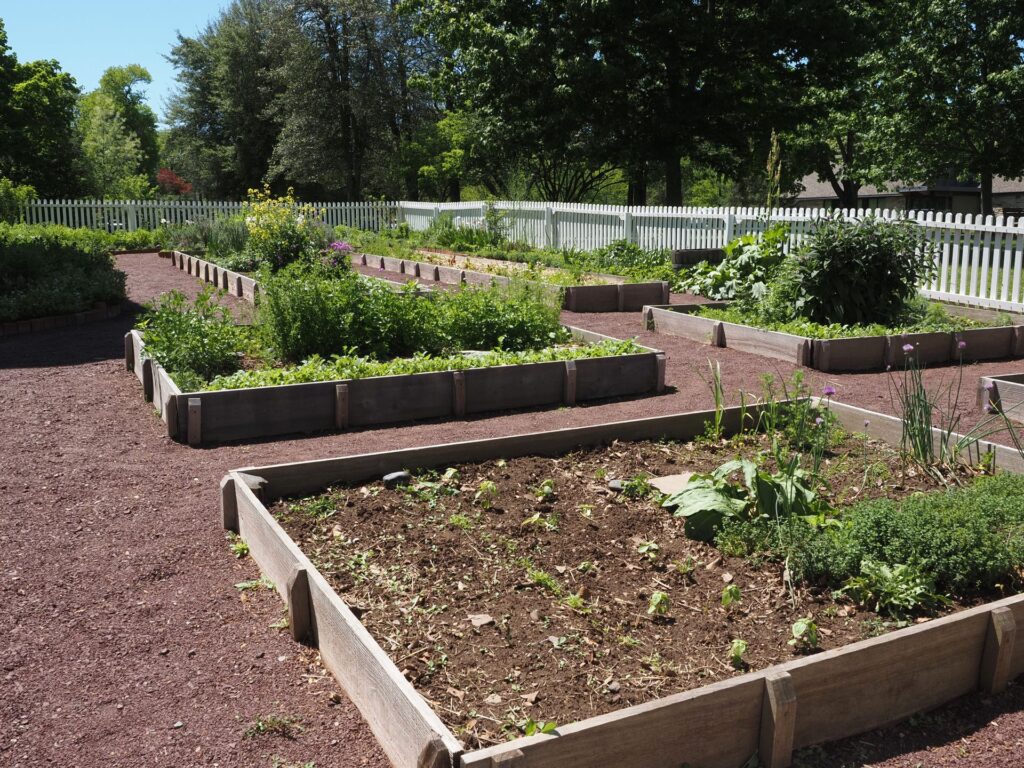
Even experienced gardeners have made these errors. Knowing them in advance saves time, money, and frustration.
- Using only topsoil: Topsoil alone compacts badly in raised beds. It needs to be blended with compost and other amendments.
- Filling with garden soil from the yard: This almost always introduces weeds, pests, and compaction issues.
- Forgetting to account for depth: Many people calculate length and width correctly but forget that a 12-inch deep bed needs twice as much soil as a 6-inch deep bed.
- Not accounting for annual topping up: The bed will need fresh material every spring. Plan for that cost from the beginning.
- Buying the cheapest bagged mix available: Budget potting mixes are often mostly peat with very little nutrient content. Plants can survive in them but rarely thrive.
Seasonal Considerations for Soil Management
The time of year also plays a role in soil decisions. In spring, gardeners are filling or topping up beds and preparing for the main growing season. Buying soil early in the season, before the peak spring rush, often means better availability and sometimes better pricing.
In fall, adding a layer of compost to the bed after the last harvest and covering it with mulch or straw protects the soil structure over winter. This means less work and less soil amendment needed the following spring.
Winter is a great time to plan bed expansions and calculate how much soil will be needed for new beds, so there is no scrambling when warm weather returns.
Final Thoughts
Figuring out how much soil a raised garden bed needs does not have to be complicated. Once the measurements are taken and the simple volume formula is applied, the answer becomes clear. The key is to measure carefully, choose quality soil, account for settling and annual top-ups, and buy just a little extra as a safety buffer.
Whether someone is filling their very first 2 x 4 foot beginner bed or expanding to a full backyard setup with multiple large beds, the process is the same. Take the measurements, do the math, and choose a soil blend that will actually support strong, healthy plant growth.
Good soil is the foundation of everything in a raised bed garden. Get it right, and the plants will almost certainly reward that care with an abundant harvest season after season.
Raised bed gardening is one of the most beginner-friendly forms of growing food, and soil is the single most important investment in that journey. Spending a little time upfront calculating the right amount — rather than guessing — pays off immediately in fewer trips to the store, less wasted money, and healthier plants from day one.
Anyone starting a new bed this season, or expanding an existing one, now has everything they need to make a confident, well-informed decision about soil. The math is simple, the process is straightforward, and the results speak for themselves every single growing season.
FAQs
How many bags of soil do I need for a 4×8 raised garden bed?
For a 4×8 foot raised bed that is 12 inches deep, you need 32 cubic feet of soil. That equals approximately 22 bags of 1.5 cubic foot bagged soil. Always buy 2 to 3 extra bags to account for settling after the first watering.
How deep should soil be in a raised garden bed?
The ideal soil depth for most vegetables is 12 inches. Shallow-rooted plants like lettuce and herbs can grow in 6 inches. Deep-rooted vegetables like carrots and parsnips perform best in 18 to 24 inches of soil. Deeper soil always produces healthier, stronger plants.
Can I use regular garden soil to fill a raised bed?
No. Regular garden soil compacts badly inside a raised bed, drains poorly, and often carries weed seeds and pests. The best fill is a custom blend of ⅓ compost, ⅓ peat moss or coconut coir, and ⅓ vermiculite — commonly known as Mel’s Mix.
How often do I need to add soil to a raised garden bed?
Soil settles 2 to 4 inches every growing season as organic matter breaks down. Top up the bed each spring with 2 to 3 inches of fresh compost to restore nutrients and volume before planting begins.
Is it cheaper to buy soil in bulk or in bags for a raised garden bed?
Buying soil in bulk from a landscape supplier is significantly cheaper for larger projects — saving up to 30 to 50 percent compared to bagged soil. For small beds under 30 cubic feet, bagged soil from a garden center is more convenient and practical.