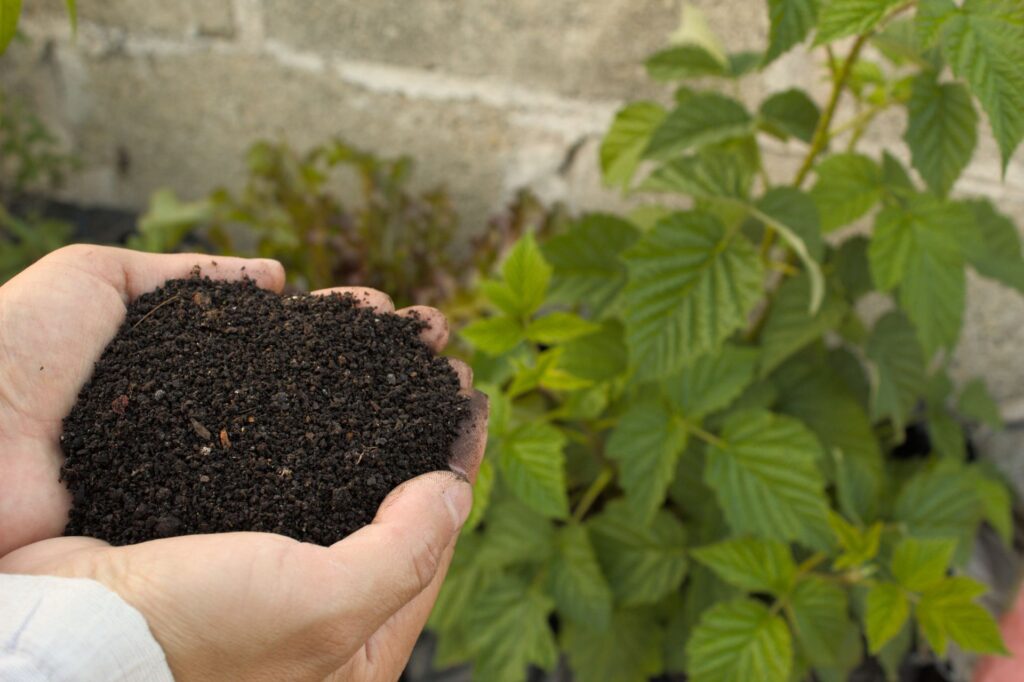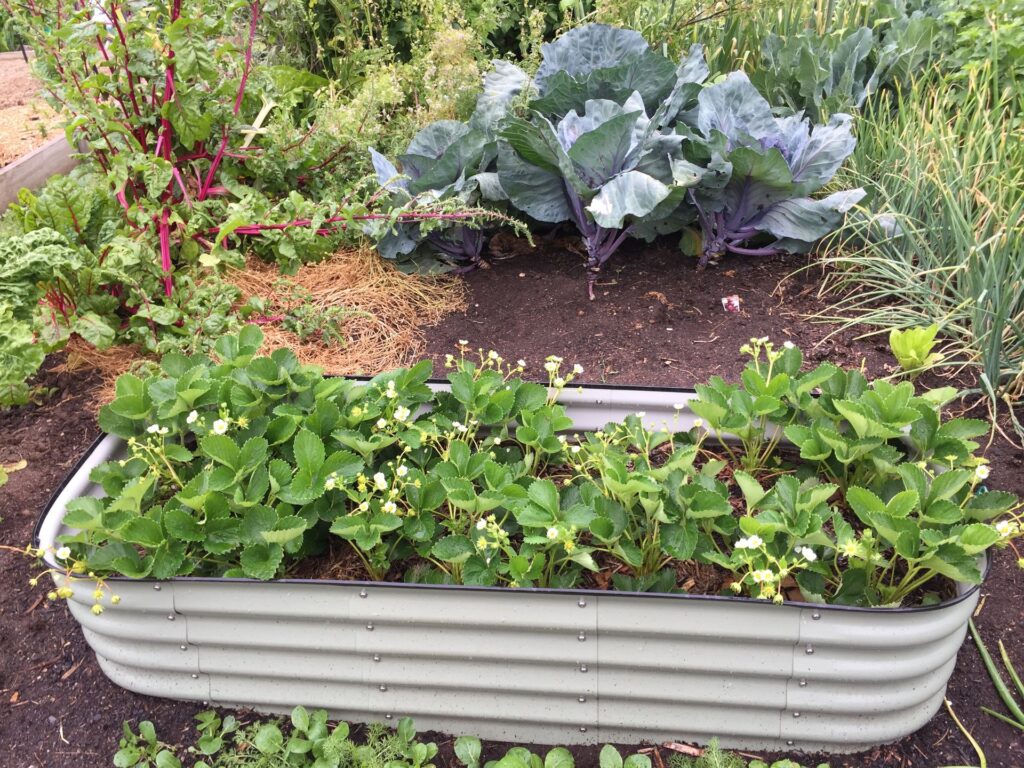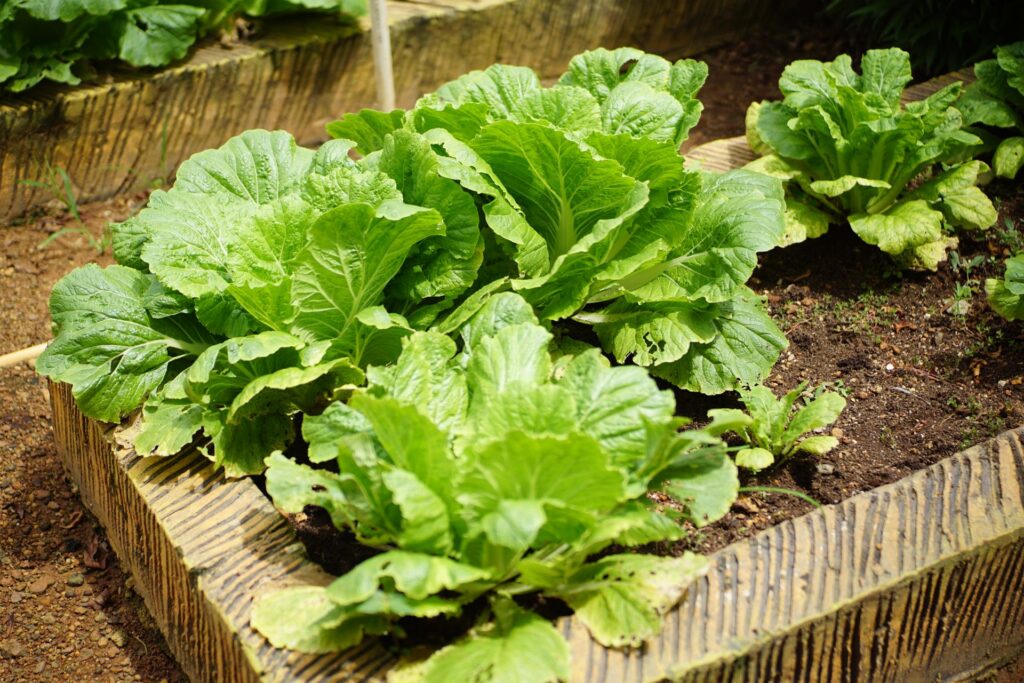
6–12 inches works for most vegetables.
Here’s the quick breakdown:
- 6 inches — herbs, lettuce, radishes, shallow-rooted greens
- 8–10 inches — most vegetables (tomatoes, peppers, beans, squash)
- 12 inches — root vegetables (carrots, potatoes, beets, parsnips)
- 18+ inches — if your native soil is poor/compacted and you want extra drainage
Sweet spot for most gardeners: 10–12 inches. It covers nearly every vegetable, gives roots room to breathe, and doesn’t require a ton of soil to fill.
If you’re placing the bed on concrete or a hard surface, go at least 12 inches. On natural ground, even 6 inches can work since roots can push deeper.
Getting a raised garden bed ready is one of the most exciting steps any home gardener takes. There is something deeply satisfying about building that wooden frame, filling it with rich soil, and watching seeds turn into food. But here is the thing — many gardeners get tripped up before they even plant a single seed.
This guide walks through everything a gardener needs to know about raised bed depth — from the minimum requirements for shallow-rooted herbs to the deeper dimensions needed for root vegetables. It covers real experiences from gardeners who learned through trial and error, and it gives practical numbers that actually work in the real world.
Why Depth Matters More Than Most Gardeners Realize
Before jumping into specific measurements, it helps to understand why depth matters so much. Plants are not just sitting in soil — they are actively growing roots downward and outward. Those roots need space to anchor the plant, absorb water, and pull up nutrients.
When a bed is too shallow, roots hit the bottom and have nowhere to go. They get cramped, stressed, and sometimes start growing sideways instead of down. That leads to plants that dry out faster, struggle to absorb nutrients efficiently, and produce less fruit or yield.
On the other hand, a bed that is appropriately deep gives roots room to breathe. The soil also retains moisture better at greater depths because it does not dry out as quickly from surface heat. Deeper beds also tend to warm up faster in spring, which gives gardeners a head start on the growing season.
Experienced gardeners who have tried both shallow and deeper beds will almost always say the deeper bed performs better — even for plants that technically do not need much depth. The extra room acts as a buffer.
The Golden Rule: Match Depth to What You Are Growing
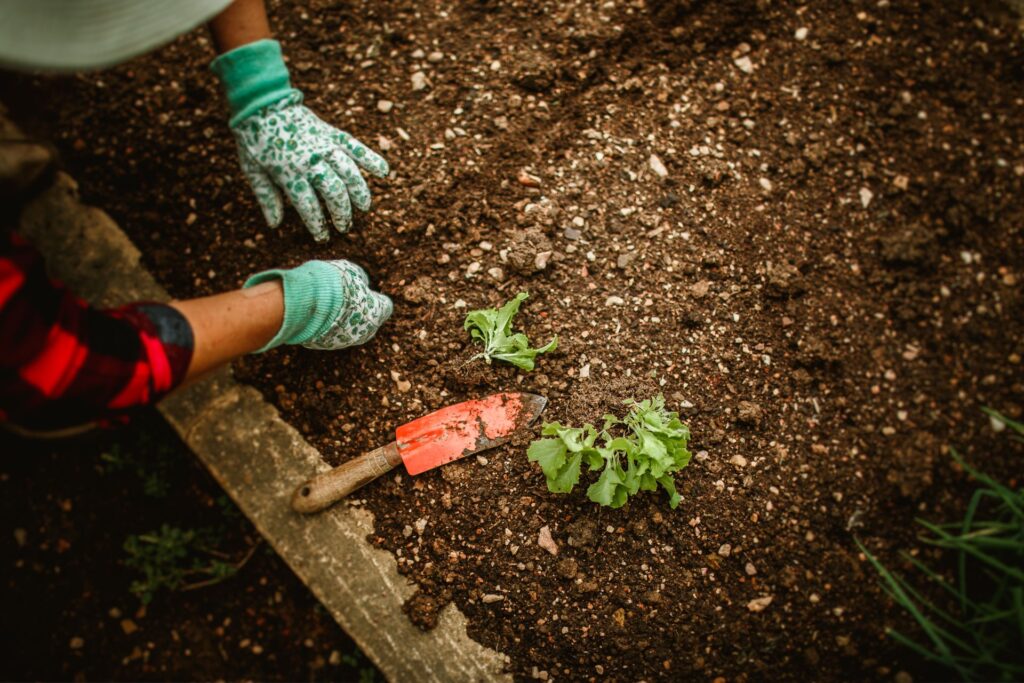
There is no single perfect depth for every raised garden bed. The right depth depends on what the gardener plans to grow. Different plants have different root systems, and understanding those systems makes a huge difference in planning.
Shallow-Rooted Plants: 6 Inches Is the Minimum
Some plants stay relatively close to the surface. Lettuce, spinach, most herbs like basil, cilantro, and chives, as well as radishes and strawberries — these plants generally have root systems that do not go deeper than 6 to 8 inches.
For these crops, a bed that is at least 6 inches deep can work. However, most experienced gardeners recommend going to 8 inches even for shallow-rooted plants. That extra 2 inches creates a better buffer for moisture retention and gives roots just a little more freedom.
A 6-inch bed is technically workable but often feels limiting in real practice. The soil dries out faster, and there is less room for error when it comes to watering.
Medium-Rooted Plants: 12 Inches Is the Sweet Spot
This is the category that covers the majority of popular garden vegetables. Tomatoes, peppers, cucumbers, beans, peas, eggplant, zucchini, and most brassicas like broccoli, cauliflower, and cabbage — they all fall into this range.
These plants typically root down to 8 to 12 inches, and sometimes a little deeper if the soil allows it. A bed that is 12 inches deep is widely considered the standard recommendation for a general-purpose raised garden bed. It covers most vegetables comfortably and gives even medium-rooted plants plenty of growing room.
Many gardeners who build their first raised bed and go with 12 inches report that it performs well across a wide range of crops. It is the depth that offers the best balance between cost, materials, and growing potential.
Deep-Rooted Plants: 18 to 24 Inches for Best Results
Some vegetables need significantly more depth to thrive. Carrots, parsnips, potatoes, beets, and sweet potatoes are the main offenders here. Their entire edible portion grows underground, which means cramped roots do not just stress the plant — they literally deform the harvest.
A carrot growing in a 6-inch bed will hit the bottom and fork, twist, or stop growing. A carrot in an 18-inch bed can develop fully and grow straight.
For root vegetables, 18 inches is a solid minimum, and 24 inches is even better. Yes, this requires more soil and a taller frame, but the difference in yield and quality is significant.
For potatoes specifically, many gardeners recommend at least 12 to 18 inches with the option to hill soil on top as plants grow. Some gardeners even use 24-inch deep beds for potatoes and get exceptional results.
What About Building on Concrete or Pavement?
This is a situation many urban and suburban gardeners face. When the raised bed sits directly on a hard surface like a patio, driveway, or deck, drainage becomes an important factor.
On concrete, there is no soil beneath the bed for water to drain into and no native soil for roots to eventually reach down into. This means the bed needs to be self-sufficient. In this case, going deeper is almost always the better choice — at least 12 inches for shallow crops and 18 to 24 inches for anything with deeper roots.
Some gardeners who build on concrete add a layer of gravel or coarse sand at the very bottom — about 2 to 4 inches — to help with drainage before adding their planting mix on top. This is a smart move that helps prevent waterlogging, especially in rainy climates.
What Happens When You Go Too Shallow?
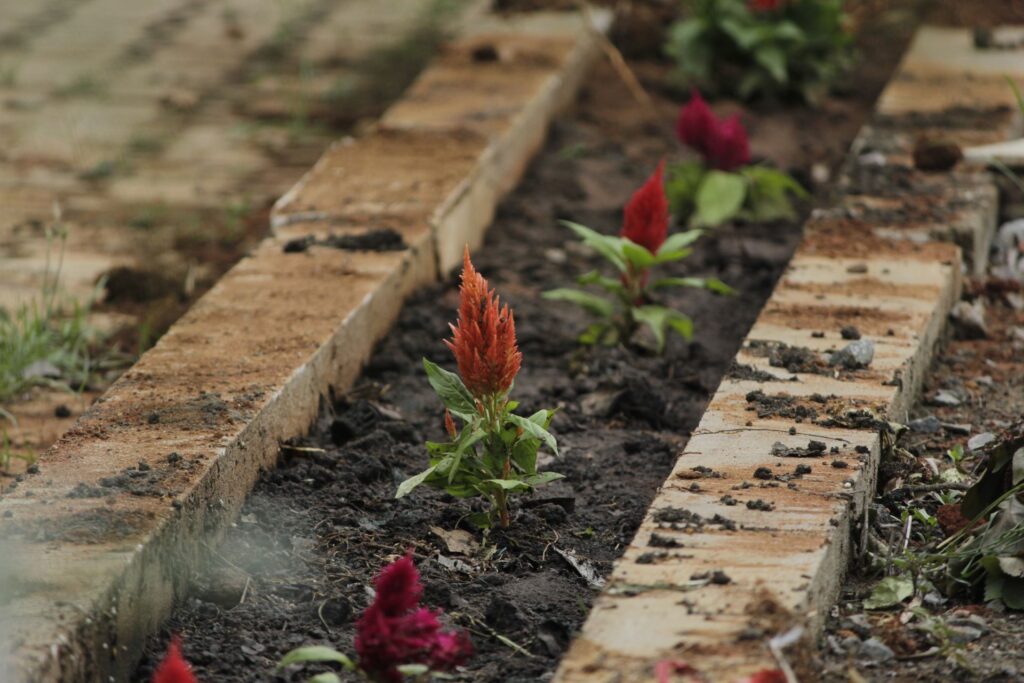
Gardeners who have tried a 4-inch raised bed — perhaps using leftover lumber or simply not knowing better — tend to have a similar experience. The herbs and lettuce might do okay for a while, but the moment summer heat kicks in, the shallow soil dries out almost daily. Watering becomes a constant chore.
There is also the pest problem. Shallow beds with no barrier underneath are easier for moles, voles, and gophers to penetrate from below. Deeper beds with a hardware cloth lining at the bottom do a much better job of keeping burrowing pests out.
The reality is that 4-inch beds are often frustrating for most gardeners. Even experienced growers who know what they are doing struggle to keep plants happy in very shallow raised beds. The investment in a few more inches of depth almost always pays off.
Raised Garden Bed Depth and Soil Volume
One thing gardeners discover quickly is that depth and soil volume are directly connected — and soil costs money. Going from a 6-inch deep bed to a 12-inch deep bed doubles the amount of soil needed. Going to 18 inches triples it.
This is why planning ahead matters so much. Before purchasing soil or building materials, it is worth calculating exactly how much soil a specific bed size and depth will require. The Raised Garden Bed Soil Calculator is a great tool for this — it takes the guesswork out of the equation and gives an accurate volume measurement so there are no surprises at the garden center.
Knowing the exact soil volume needed also helps gardeners make smarter decisions about what soil mix to use, how to blend compost and topsoil, and how to keep costs manageable.
The Best Soil Mix for Different Depths
Depth without good soil is only half the battle. The quality of what fills the bed matters just as much as how deep that fill goes.
A popular and well-tested formula for raised bed soil is the Mel’s Mix, which consists of roughly ⅓ blended compost, ⅓ peat moss or coconut coir, and ⅓ coarse vermiculite. This mix drains well, holds moisture, and provides good structure for roots to grow through.
For deeper beds, some gardeners use a technique called lasagna layering or hugelkultur at the bottom layers. They fill the bottom 6 to 8 inches with organic matter like logs, sticks, leaves, or cardboard. This material breaks down over time, provides nutrients, and also helps with drainage and moisture retention. The top 10 to 12 inches is then filled with high-quality planting mix.
This approach is especially popular for 18 to 24-inch deep beds because it reduces the amount of premium soil needed while still giving roots an excellent growing environment in the upper layers where they are most active.
For more detailed guidance on figuring out soil volumes for different bed configurations, there are resources that walk through the math step by step.
Does the Material of the Bed Frame Affect Depth?
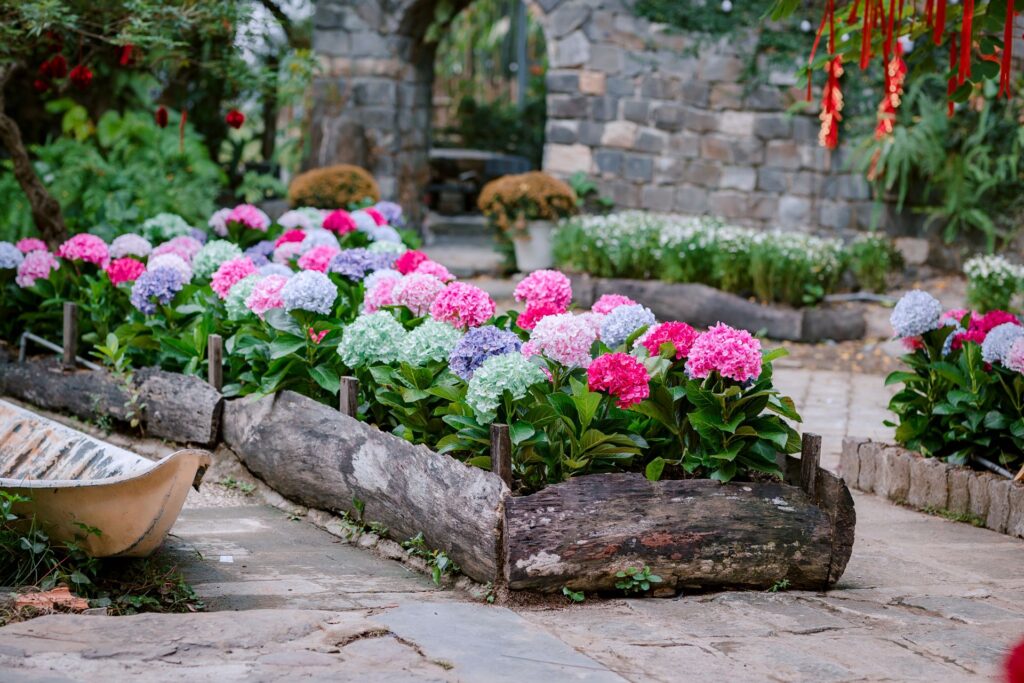
The material used to build the raised bed does not directly affect how deep it needs to be, but it does influence the practical options available.
Cedar is the most popular choice because it is naturally rot-resistant and can hold up for 10 to 20 years depending on climate and conditions. Cedar boards come in common dimensions like 1×6, 2×6, 1×8, and 2×10, which makes it easy to stack them to achieve the desired depth.
Pine is cheaper but less durable. Treated lumber is now generally considered safe for vegetable gardens (modern pressure-treated wood uses copper azole rather than the older arsenic-based treatments), though some gardeners still prefer to avoid it for edible crops out of caution.
Galvanized metal raised beds are increasingly popular. They are durable, look sleek, and come in various heights. Many galvanized bed kits offer heights of 12, 17, and 24 inches, making it easy to choose the right depth for different crops.
Concrete blocks or stone raised beds are very durable and can be built to essentially any depth. They do require more upfront effort and cost but last virtually indefinitely.
Real Gardener Experiences With Different Depths
Sarah, a home gardener in the Pacific Northwest, built her first raised bed at 8 inches deep. She grew herbs, lettuce, and kale, and they did well. But when she tried to grow carrots the following year, she ended up with stunted, forked roots. She rebuilt the bed at 18 inches the next season and her carrot harvest completely transformed — long, straight roots with no forking.
James, a community garden volunteer in the Midwest, helped build 20 raised beds for a local school garden. Half were 6 inches deep and half were 12 inches deep. At the end of the first growing season, the 12-inch beds consistently outperformed the 6-inch beds in terms of plant health, yield, and how often they needed watering. The school eventually raised all the shallow beds to 12 inches.
Maria, an experienced gardener in Florida, swears by 24-inch deep beds for her sweet potatoes and regular potatoes. She tried 12 inches first and found the yields disappointing. After switching to deeper beds and using a mix of compost and native sandy soil in the bottom layer, her potato harvests went up by more than 60%.
These kinds of experiences are not unusual. The pattern repeats across different climates, different crops, and different gardening styles. Deeper beds almost universally perform better.
Quick Depth Reference Guide
Here is a simple summary of recommended depths by crop type:
- Herbs, lettuce, spinach, radishes: Minimum 6 inches, ideally 8 to 10 inches
- Tomatoes, peppers, cucumbers, beans, brassicas: Minimum 12 inches, ideally 12 to 18 inches
- Carrots, parsnips, beets: Minimum 18 inches, ideally 18 to 24 inches
- Potatoes, sweet potatoes: Minimum 12 to 18 inches, ideally 18 to 24 inches
- Mixed garden bed (all-purpose): 12 inches is the widely accepted standard
Should the Bed Have a Bottom?
Most raised beds do not have a solid bottom. Leaving the bottom open allows roots to grow down into the native soil below, provides natural drainage, and lets earthworms move in from below — which is excellent for soil health.
However, if building on concrete, pavement, or a rooftop, a solid bottom with drainage holes is necessary. In those cases, lining the bottom with hardware cloth (a fine wire mesh) is also recommended to keep out burrowing pests.
When building on native soil, it is a good idea to lay down hardware cloth at the very bottom of the bed — just inside the frame — to block moles and gophers while still allowing drainage and earthworm access.
How Depth Affects Watering Habits
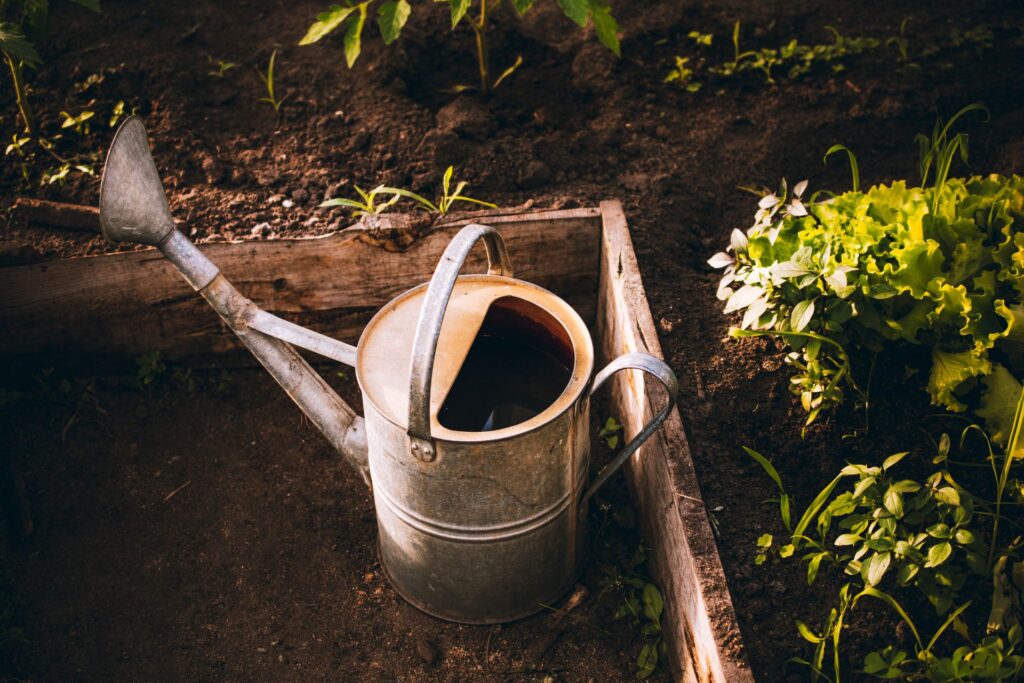
One benefit of deeper raised beds that does not always get mentioned is how depth changes watering frequency. A 6-inch deep bed in full summer sun can dry out completely within 24 to 48 hours during hot weather. That means the gardener is watering every single day — sometimes twice a day during heat waves.
A 12-inch bed in the same conditions might need watering every 2 to 3 days. An 18-inch bed can often go 3 to 4 days between waterings, depending on the soil mix and what is planted in it.
For busy gardeners, or for anyone who travels or has an unpredictable schedule, this difference is enormous. Going deeper is essentially like building a buffer into the bed — a reservoir of moisture that keeps plants happy even if watering gets delayed.
Drip irrigation and soaker hoses also work significantly better in deeper beds because moisture distributes more evenly through a greater volume of soil. In shallow beds, drip irrigation often leads to uneven wet and dry zones that can stress plants.
Accessibility and Depth: A Consideration for Raised Beds
For gardeners with physical limitations, back problems, or mobility challenges, the height of a raised bed is also an accessibility issue. A bed that sits 24 to 36 inches off the ground eliminates the need to bend down or kneel at all.
When building a tall bed for accessibility purposes, the depth of the growing medium is automatically greater — and that is actually a bonus. A 30-inch tall raised bed sitting on legs or a frame gives roots a generous 24 to 28 inches of growing depth (accounting for space at the top for easy planting). This setup is excellent for nearly every vegetable.
Grandma Betty, a gardener in her 70s from rural Tennessee, switched to a 32-inch tall raised bed after her knees made kneeling painful. She said it completely changed her gardening experience — not only could she garden standing up, but her vegetables grew better than they ever had in her in-ground beds. The deep soil stayed loose and well-draining, and she never had to worry about poor native clay soil anymore.
Accessibility-focused raised beds are one of the best examples of how function and depth can work together to create a genuinely better growing environment.
Summary
- Most raised garden beds should be 10–12 inches deep for best results
- This depth works for nearly any vegetable without wasting soil or money
- Depth matters because roots need room to grow, access nutrients, and drain properly
- Too shallow and plants get stressed; too deep and you waste soil and money
By Plant Type:
- 6 inches — lettuce, spinach, herbs, radishes, and other shallow-rooted greens
- 8 inches — beets, chard, cucumbers, and medium-rooted plants
- 10 inches — tomatoes, peppers, beans, squash, and most common vegetables
- 12 inches — carrots, potatoes, parsnips, and deep-rooted root vegetables
- 18+ inches — if native soil underneath is compacted, rocky, or poor quality
By Surface Type:
- On natural ground — 6–8 inches can work since roots can push deeper into the soil below
- On concrete or pavement — minimum 12 inches needed for proper drainage and root space
- On gravel or hard surfaces — 12–18 inches recommended for water drainage
- On grass or lawn — 6–10 inches is fine; grass will die off naturally underneath
Practical Tips:
- The most popular and versatile depth among gardeners is 12 inches
- Beginners should start at 12 inches to avoid replanting mistakes
- Deeper beds warm up slower in spring but retain moisture better in summer
- Lining the bottom with cardboard helps suppress weeds at any depth
- Always use quality raised bed soil mix, not regular garden soil
- Deeper beds require more soil to fill — budget accordingly before building
- Cedar or redwood boards hold up best for deep beds due to moisture resistance
Bottom Line:
- 6 inches — minimum for herbs and greens
- 10–12 inches — sweet spot for most home gardeners
- 18+ inches — best for root vegetables or poor growing conditions
- When in doubt, build deeper — you can always add less soil, but you can’t easily add more depth later
Final Thoughts on Raised Bed Depth
Choosing the right depth for a raised garden bed is one of the best investments a gardener can make. It sets the foundation for everything that grows in that bed — and the difference between 6 inches and 12 inches, or between 12 inches and 18 inches, is genuinely significant in terms of plant health, yield, and ease of maintenance.
The general advice is simple: go deeper than seems necessary. Most gardeners who have built multiple raised beds over the years will say they wish their early beds had been deeper. The extra cost in materials and soil is almost always worth it.
For most people starting out, a 12-inch deep bed is the best all-around choice. It handles the majority of vegetables well, keeps costs manageable, and provides a comfortable growing environment for roots. For those who know they want to grow root vegetables, stepping up to 18 or 24 inches from the start saves the frustration of rebuilding later.
Planning depth early also prevents one of the most common mistakes new raised bed gardeners make — underestimating how much soil they need. A 4×8-foot bed at 12 inches deep requires roughly 32 cubic feet of soil mix, while the same bed at 6 inches only needs 16 cubic feet. Getting those numbers right before buying soil saves both money and frustration. Taking the time to plan, measure, and calculate before building makes the whole process smoother from start to finish.
Whether it is a small herb garden on a patio or a full vegetable plot in the backyard, getting the depth right from the beginning makes everything that comes after so much easier and more rewarding.
FAQs
What is the minimum depth for a raised garden bed?
The minimum depth for a raised garden bed is 6 inches, which works for shallow-rooted plants like lettuce, herbs, and spinach. However, for most vegetables, a minimum of 10–12 inches is recommended for healthy root growth and better yields.
Is 6 inches deep enough for a raised garden bed?
6 inches is enough for herbs and leafy greens like basil, lettuce, and spinach. But for tomatoes, peppers, carrots, or most common vegetables, you’ll need at least 10–12 inches of depth to give roots enough room to grow properly.
How deep should a raised garden bed be for tomatoes?
Tomatoes need at least 10–12 inches of soil depth in a raised bed. They develop deep root systems and need room to anchor and absorb nutrients. For best results, aim for 12 inches and use a rich, well-draining soil mix.
How deep should a raised garden bed be for carrots?
Carrots need a minimum of 12 inches of loose, deep soil to grow straight and full-sized. Shallow beds cause carrots to fork, stunt, or curl. If you’re growing long varieties like Imperator carrots, go 16–18 inches deep for best results.
Does a raised garden bed need a bottom?
No, most raised garden beds do not need a bottom. Leaving the bed open to the ground allows roots to grow deeper, improves drainage, and lets earthworms and beneficial organisms enter the soil. If building on concrete or pavement, use a weed barrier or hardware cloth instead of a solid bottom.