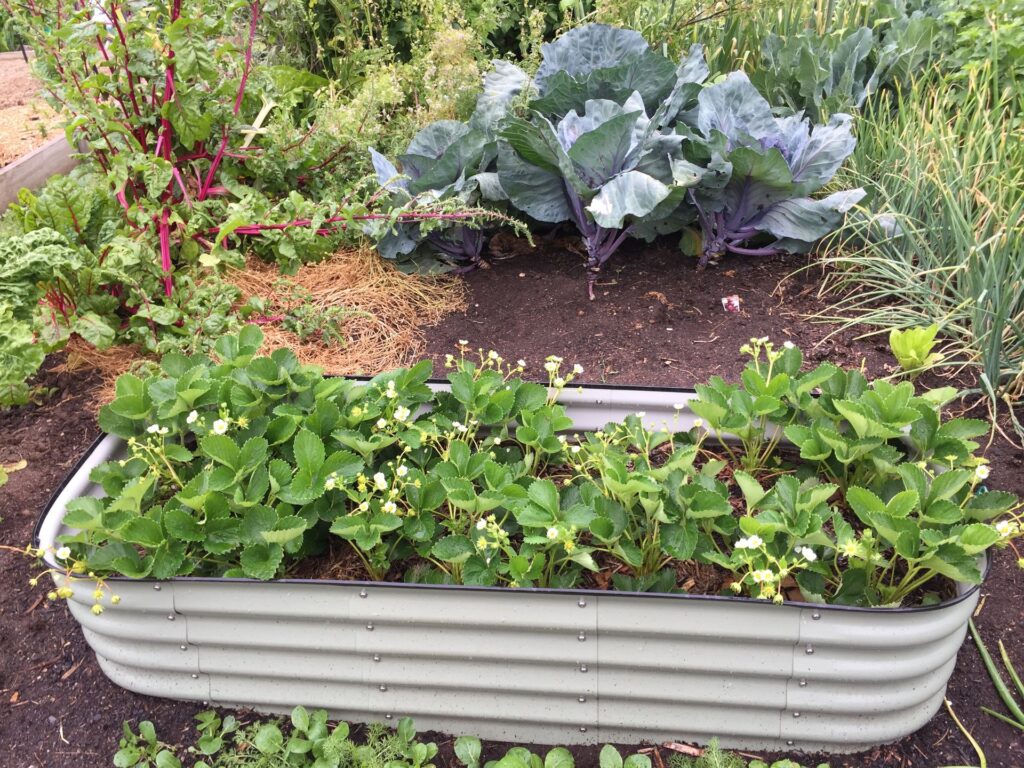
Best soil mix for raised beds:
- 60% screened topsoil
- 30% finished compost
- 10% aeration material (perlite, vermiculite, or pine bark fines)
This combination holds moisture without staying soggy, feeds plants steadily, and drains well enough to keep roots healthy. The ratio can shift slightly depending on what’s being grown.
Walking past a row of raised garden beds in early summer tells its own story. Some boxes overflow with tomatoes, peppers, and leafy greens so thick the soil barely shows underneath. Others, built the same year with the same lumber and sitting in the same amount of sunlight, look thin and tired by July.
The gap between these two outcomes almost never comes down to luck, watering schedules, or even the seeds that were planted. It comes down to what is actually packed inside the box.
This guide walks through the exact ingredients, ratios, and mixing steps that turn an empty wooden frame into a bed that produces strong, healthy plants season after season, along with a few lessons that usually only show up after a year or two of trial and error.
Why Raised Bed Soil Needs Its Own Recipe
Soil sitting inside a raised frame behaves nothing like soil spread across an open yard. Ground soil sits on top of layers and layers of earth that have been settling for centuries, with worms, roots, and underground water slowly building structure over time.
A raised bed has none of that built-in support. It is an isolated pocket of growing medium that drains faster, dries out quicker, and loses nutrients at a much higher rate than the ground around it.
This is exactly why simply digging up soil from the backyard and dumping it into a frame usually leads to disappointment. Native soil is often compacted, full of clay, or weighed down with sand, and it was never designed to perform inside a confined, elevated box.
A raised bed needs a blend that holds moisture without staying soggy, feeds plants without burning them, and stays loose enough for roots to stretch out freely. That blend has to be built on purpose, not borrowed from the yard.
The Foundational Ratio: 60-30-10
Most experienced growers settle on a version of the same base formula because it balances structure, nutrition, and drainage without leaning too far in any single direction. The classic starting ratio looks like this:
- 60% screened topsoil or quality garden soil
- 30% finished compost
- 10% aeration material, such as perlite, pine bark fines, or coarse sand
This combination gives plants a stable base to root into, a steady supply of organic nutrition, and enough air pockets that water can move through without drowning the roots. Gardeners filling their very first bed often find this ratio forgiving, since it works reasonably well for almost everything from lettuce to squash.
A well-known alternative comes from the square foot gardening method, often called Mel’s Mix after author Mel Bartholomew. That version skips soil entirely and uses roughly equal parts peat moss or coco coir, vermiculite, and compost.
It is lighter, drains faster, and works especially well in smaller beds, though it tends to dry out quicker in hot climates and may need more frequent watering.
What Each Ingredient Actually Does
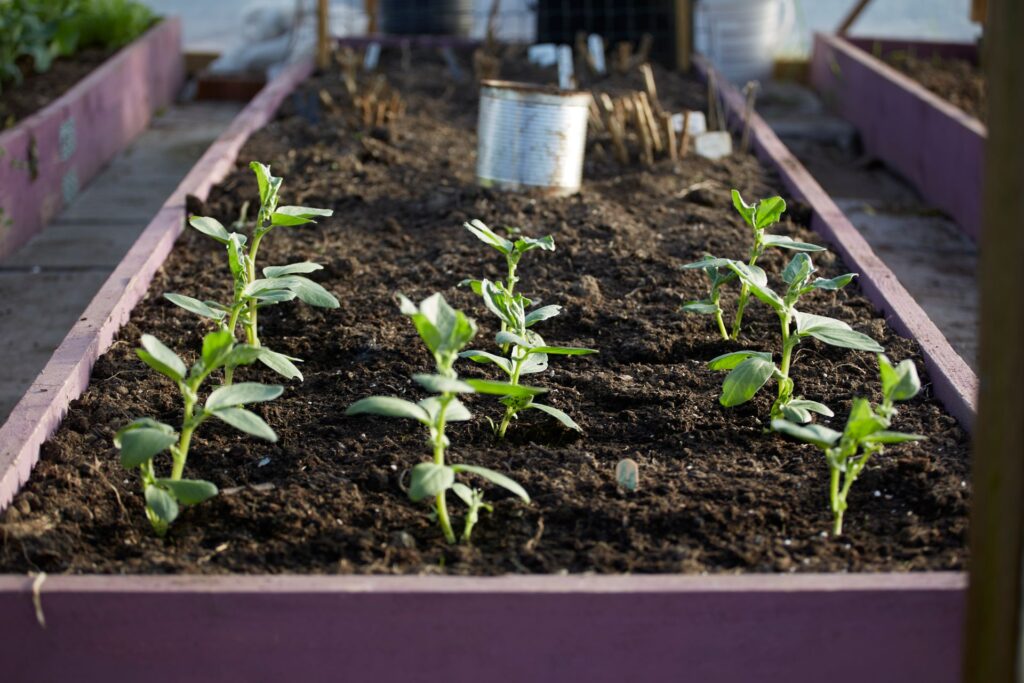
Topsoil: The Base Layer
Topsoil provides the bulk and the mineral content that roots anchor into. Not all topsoil is created equal, though. Bagged topsoil from a garden center can vary wildly between brands, and bulk topsoil from a landscape supplier sometimes includes rocks, clay clumps, or leftover construction debris if it has not been screened properly.
It pays to ask a supplier whether their topsoil has been screened and tested, and to avoid anything labeled simply as fill dirt, which is meant for grading land rather than growing food.
Compost: The Nutrient Engine
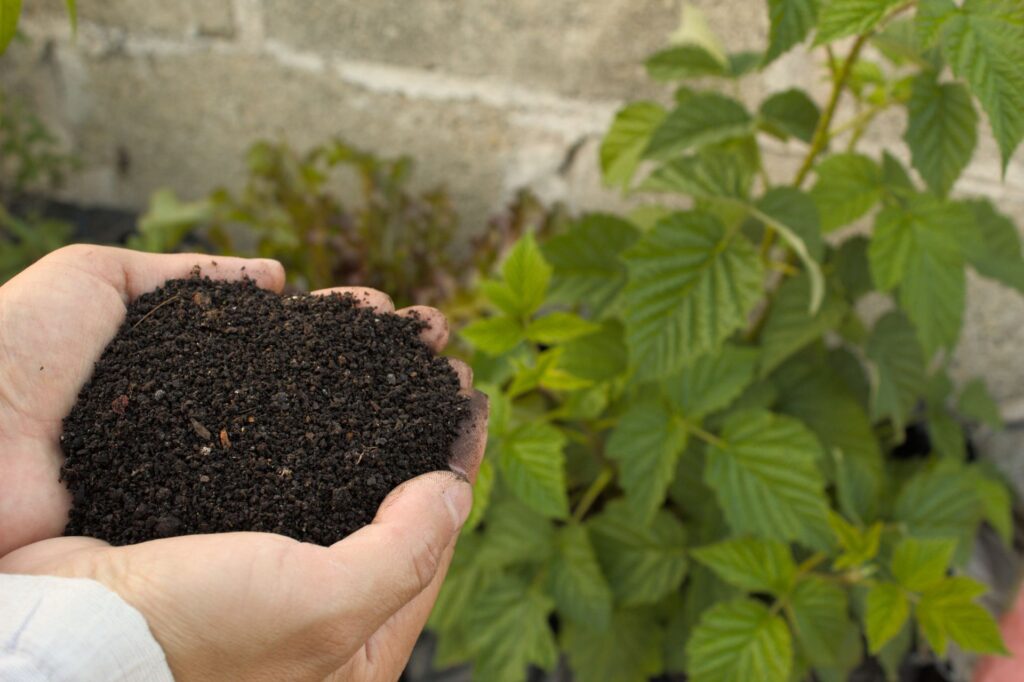
Compost is where most of the actual plant nutrition comes from. Finished compost, whether it is homemade kitchen compost, aged manure, mushroom compost, or leaf mold, feeds the microbial life that breaks nutrients down into a form roots can absorb.
Fresh, unfinished manure is one of the most common culprits behind scorched seedlings, since it releases ammonia and heat as it continues to break down. Compost should look dark, crumbly, and smell earthy rather than sour or sharp.
Aeration Material: The Quiet Hero
This is the ingredient most beginners skip, and it is usually the reason a bed that looked great in April turns hard and compacted by August. Perlite looks like small white volcanic pebbles and creates permanent air pockets. Vermiculite holds onto moisture a bit longer, which helps in drier climates.
Pine bark fines add long-lasting structure and work especially well for acid-loving plants like blueberries. Without one of these, even a soil mix loaded with compost can pack down into something closer to a brick than a growing medium.
Sourcing Ingredients Without Overspending
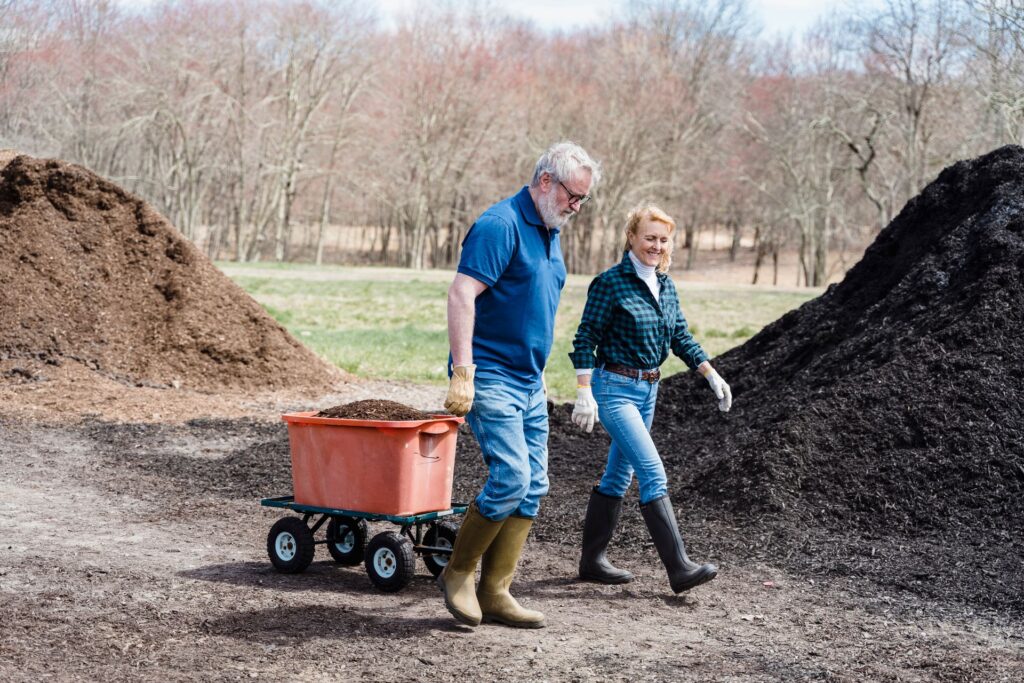
None of these ingredients need to come from a specialty store at full price. Many cities and counties run municipal compost programs that hand out finished compost for free or at a small fee, and a quick call to a local public works office often turns up more than enough to fill several beds.
Fall leaves raked into a pile and left to break down over a single winter turn into leaf mold, a free substitute for part of the compost portion of the mix. Coffee shops frequently give away used coffee grounds, which add a small nitrogen boost once composted properly rather than applied fresh.
Buying perlite or vermiculite in the largest bag available is almost always cheaper per cubic foot than the small bags sold near the seed displays, and a single bulk bag can stretch across several beds over multiple seasons.
Adjusting the Recipe for What You’re Growing
The 60-30-10 ratio is a strong starting point, but it is not the only formula worth knowing. Heavy feeders like tomatoes, peppers, and squash often respond well to a slightly richer mix, closer to 50% soil, 40% compost, and 10% aeration material, since these plants pull a lot of nutrients out of the ground over a long growing season.
Root vegetables such as carrots, beets, and potatoes prefer the opposite approach. A heavier compost ratio can actually cause forked or stunted roots, so many growers lean toward 70% soil, 20% compost, and 10% sand or aeration material, creating a looser texture that lets roots push downward without resistance.
Herbs that come from Mediterranean climates, including rosemary, thyme, and lavender, dislike rich, moisture-retentive soil. These plants tend to thrive in a leaner mix with extra grit and less compost, closer to 70% soil and sand combined with just 20% compost.
Flowers and perennials usually do fine with the standard base recipe, while blueberries and other acid-loving shrubs need extra peat moss or pine bark fines to bring the pH down into the right range.
A Simple Step-by-Step Mixing Method
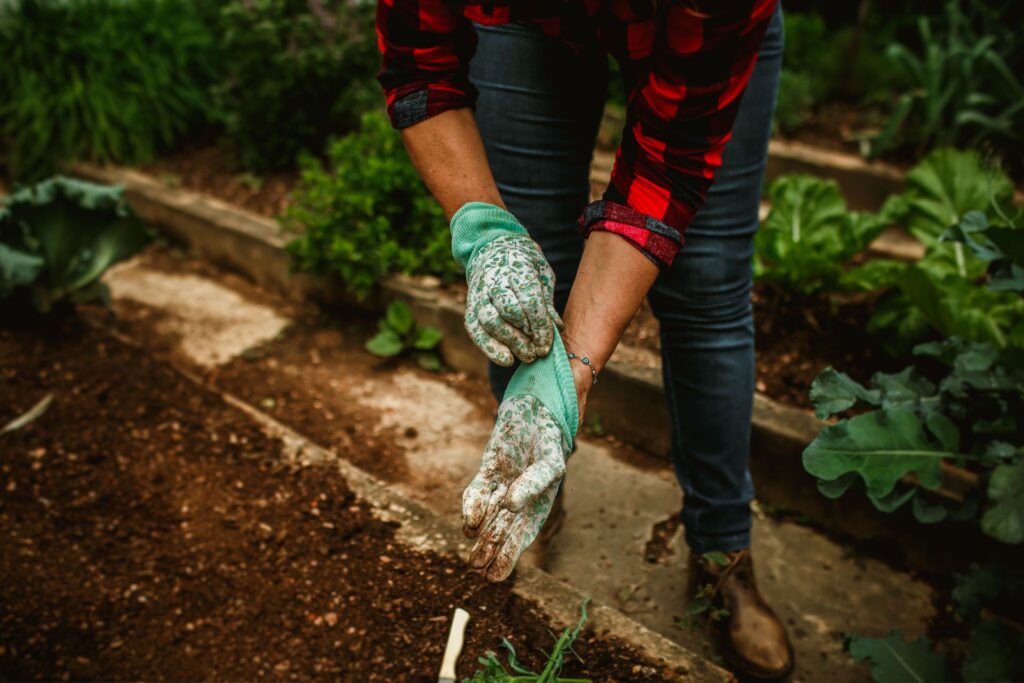
Mixing soil does not require any special equipment beyond a tarp, a wheelbarrow, or a large container. The process is straightforward and usually takes less than an hour for a single bed.
- Gather all ingredients ahead of time so the mixing can happen in one continuous session rather than several trips back to the store.
- Spread a tarp on a flat surface and pour the topsoil out first, breaking up any large clumps by hand.
- Add the compost on top and mix the two together with a shovel or rake until the color looks even throughout.
- Sprinkle in the aeration material last, since it is lighter and tends to clump if added too early.
- Lightly moisten the pile with a hose while mixing, which helps everything bind together and makes it easier to shovel into the bed.
- Fill the raised bed, leaving about 1 inch of space below the top edge of the frame.
- Water the filled bed thoroughly and let it settle for a day or two before planting.
- Top off with a little extra mix once the soil has settled, since most blends compact down by roughly 10% to 15% within the first week.
Figuring Out How Much Soil to Buy
Buying too little soil means a half-filled bed and a second trip to the store. Buying too much means wasted money and bags sitting in the garage all summer. The math itself is simple multiplication: length times width times depth, then converted into cubic feet or cubic yards. For anyone who would rather skip the arithmetic, there are tools built specifically to figure out exact soil volumes based on the dimensions of a bed, which removes the guesswork entirely.
It also helps to add a small buffer, usually around 10%, since loose soil always settles once it has been watered a few times. Buying in bulk from a landscape supplier tends to be far cheaper than buying dozens of small bags once a bed gets larger than about 4 feet by 8 feet, so it is worth calling a local supplier for a price comparison before loading up a cart at the garden center.
Why Bed Depth Changes the Math
Depth has a bigger impact on soil volume than most people expect, since doubling the depth of a bed doubles the amount of soil needed to fill it. Shallow beds around 6 to 8 inches deep work fine for lettuce, spinach, and most herbs, since their roots stay close to the surface. Deeper beds, somewhere between 12 and 18 inches, give tomatoes, peppers, and root vegetables enough room to develop a full root system without hitting the bottom of the frame.
Before ordering soil, it is worth checking the recommended bed depth for whatever is being planted, since a bed that is too shallow for its crops will struggle no matter how good the soil recipe is. Getting the depth right first makes every other part of the soil mix more effective.
Mistakes That Quietly Wreck a Good Mix
Even gardeners with years of experience occasionally fall into the same handful of traps. A few of the most common ones include:
- Filling a bed with straight garden soil and skipping compost or aeration material entirely, which leads to compaction within a single season.
- Using fresh, unfinished manure that burns tender roots instead of feeding them.
- Packing soil down too firmly while filling the bed, which squeezes out the air pockets roots depend on.
- Ignoring pH, especially when growing acid-loving plants like blueberries in a standard neutral mix.
- Buying unscreened fill dirt that contains rocks, glass, or construction debris instead of true topsoil.
- Forgetting that organic material breaks down over time, leaving the bed several inches lower by the following spring.
Many of these problems do not show up until well into the growing season, which is why it helps to skim through a list of common soil mistakes before filling a bed rather than after watching plants struggle all summer.
Keeping the Mix Productive Year After Year

A good soil mix is not a one-time project. Organic matter like compost breaks down over time, which means beds slowly lose volume and nutrition every year. Most experienced growers top off their beds with 1 to 2 inches of fresh compost at the start of each new season, which replenishes nutrients without requiring a full rebuild.
Aeration material also deserves attention every few years, since the perlite or pine bark fines added at the start can become buried or diluted as more compost is layered on top. Mixing in a fresh handful every couple of seasons keeps drainage working the way it should.
Testing pH every year or two is also worth the small effort, especially in beds that have grown the same crop repeatedly, since certain plants pull specific nutrients out of the soil faster than others. Rotating crops between sections of a bed, or simply switching what grows where each season, helps prevent the kind of nutrient depletion that no amount of watering can fix.
A few warning signs tend to show up before a bed becomes a real problem. Water that pools on the surface instead of soaking in within a few seconds usually points to compaction and a need for more aeration material. Soil that dries out within a single hot day, even after a thorough watering, often means the mix has lost too much organic matter and needs a fresh layer of compost.
Plants that grow slowly despite plenty of sun and water are frequently sitting in a bed that has quietly run low on nutrients, even if the soil still looks dark and healthy on the surface.
Skipping the Guesswork With a Calculator
Doing volume math by hand works fine for one small bed, but it gets tedious quickly once a garden grows to include several beds of different shapes and sizes. Rather than running the same multiplication over and over, many gardeners now turn to the Raised Garden Bed Calculator, which takes the length, width, and depth of a bed and instantly returns how much soil is needed in cubic feet, cubic yards, or even the number of bags to buy. It removes the most tedious part of the planning process and leaves more time for the actual fun part: planting.
A Few Extra Details Worth Knowing
Bagged garden soil straight off the shelf can act as the base layer of a mix, but on its own it tends to compact within a season, so it almost always performs better once compost and an aeration material are blended in alongside it.
People sometimes assume potting soil and raised bed soil are interchangeable, but they are built for different jobs. Potting soil is formulated to stay light inside the limited space of a container and usually carries a higher price tag per cubic foot, while a raised bed mix needs to fill a much larger volume affordably without sacrificing drainage.
That difference in purpose is also why a full replacement of the mix is rarely needed. With regular top-dressing of compost each season, most beds stay productive for 5 to 7 years before the structure breaks down enough to justify starting over, and even then, only the top portion usually needs to be refreshed.
Compost goes a long way toward feeding plants, but it is not always the whole answer. Heavy feeders like tomatoes and squash often benefit from a light application of balanced fertilizer partway through the season, particularly in beds that are a few years old and have already given up some of their original nutrient reserves.
The same basic ratio used for raised beds can be applied to in-ground gardens too, though an in-ground bed usually needs less added volume overall, since the native soil already underneath blends in and contributes structure that a raised frame simply does not have.
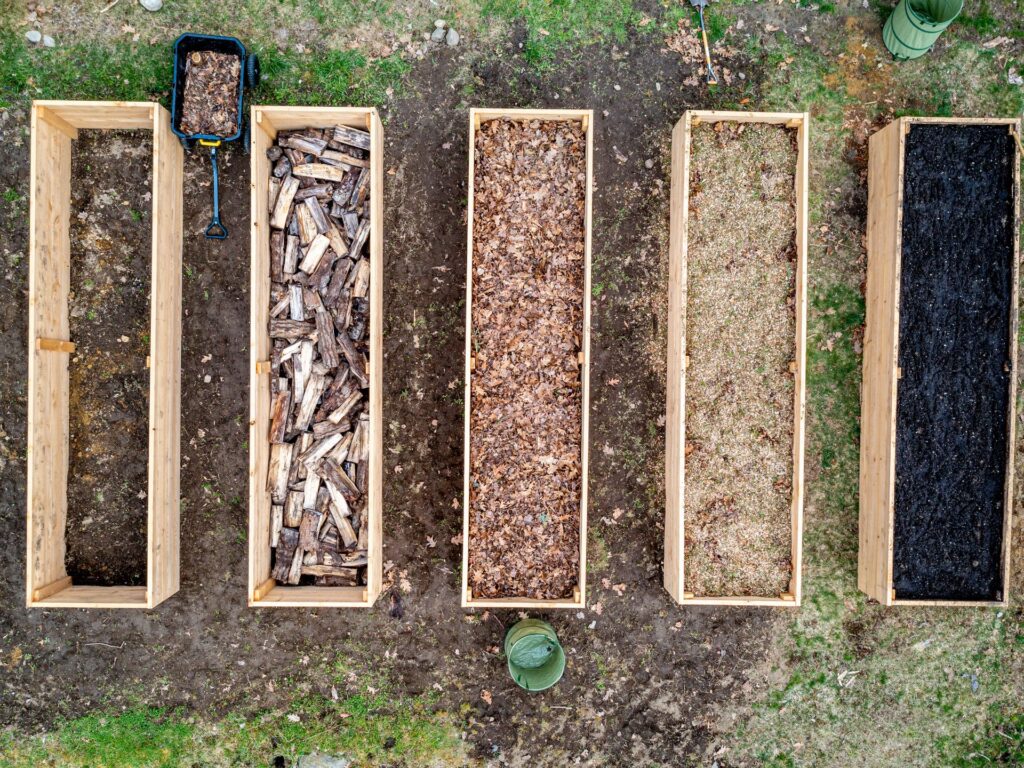
For anyone filling a particularly large or deep bed on a budget, packing the bottom several inches with logs, branches, or straw before adding the soil mix on top, a method often called hugelkultur, can meaningfully cut down on how much purchased soil is needed while still leaving plenty of room for roots above.
Summary
- Why it matters: Raised beds drain faster and lose nutrients quicker than ground soil, so they need a purpose-built mix instead of soil scooped from the yard.
- Core recipe: 60% topsoil, 30% compost, 10% aeration material (perlite, vermiculite, or pine bark fines), with Mel’s Mix mentioned as a soil-free alternative.
- What each ingredient does: Topsoil gives structure, compost provides nutrition, aeration material prevents long-term compaction.
- Adjusting by plant type: Richer mix (40% compost) for heavy feeders like tomatoes; leaner, sandier mix for root vegetables, herbs, and Mediterranean plants.
- Mixing steps: An 8-step process covering gathering ingredients, blending, moistening, filling, and topping off after settling.
- Buying soil: How to calculate volume needed, plus why bed depth changes the total amount required.
- Common mistakes: Using unfinished manure, skipping aeration material, packing soil too tight, ignoring pH.
- Long-term care: Annual compost top-dressing, refreshing aeration material, and warning signs like pooling water or fast-drying soil.
- Extra tips: Sourcing compost and perlite cheaply, potting soil vs. raised bed mix, and budget tricks like hugelkultur.
Final Thoughts
The right soil mix turns a wooden box into one of the most productive parts of a garden, while the wrong one quietly limits everything planted in it regardless of how much care goes into watering and weeding. Starting with the 60-30-10 ratio, adjusting it slightly based on what is being grown, and paying attention to depth and drainage covers almost everything a raised bed needs to thrive.
For anyone filling their very first bed, it is worth testing the basic recipe on one box before committing to a whole row of them, since small adjustments based on how plants respond will always beat following any single formula word for word. Once the mix is right, the rest of the garden tends to take care of itself.
FAQs
What is the best soil mix ratio for raised beds?
A widely used ratio is 60% topsoil, 30% compost, and 10% aeration material like perlite or pine bark fines. This blend balances drainage, structure, and nutrition for most vegetables, herbs, and flowers.
Can you just use topsoil in a raised bed?
Topsoil alone usually compacts within a season and lacks enough nutrients on its own. It works best as the base layer, combined with compost for nutrition and an aeration material to keep it from packing down too tightly.
How deep should the soil be in a raised garden bed?
Most raised beds need at least 6 to 8 inches for shallow-rooted crops like lettuce and herbs, while tomatoes, peppers, and root vegetables do better with 12 to 18 inches of depth.
How often does soil in a raised bed need to be replaced?
A full replacement is rarely necessary. With yearly top-dressing of 1 to 2 inches of fresh compost, most raised bed soil mixes stay productive for 5 to 7 years before needing a deeper refresh.
Is potting soil the same as raised bed soil?
No. Potting soil is lighter and more expensive, designed for the limited space inside containers. Raised bed soil mixes are built to affordably fill much larger volumes while still draining well.