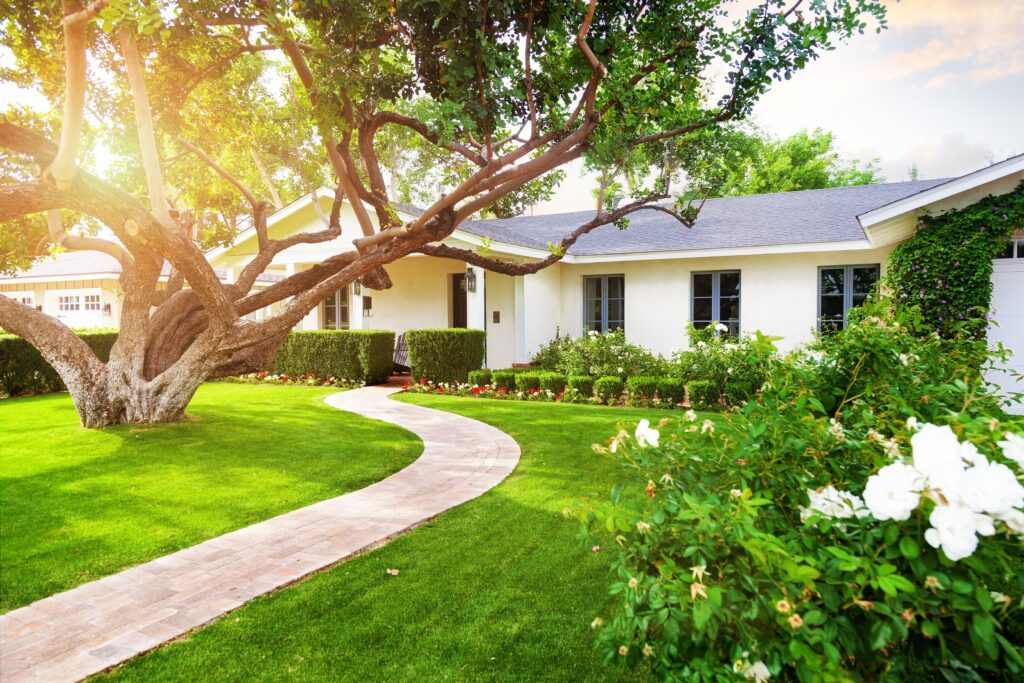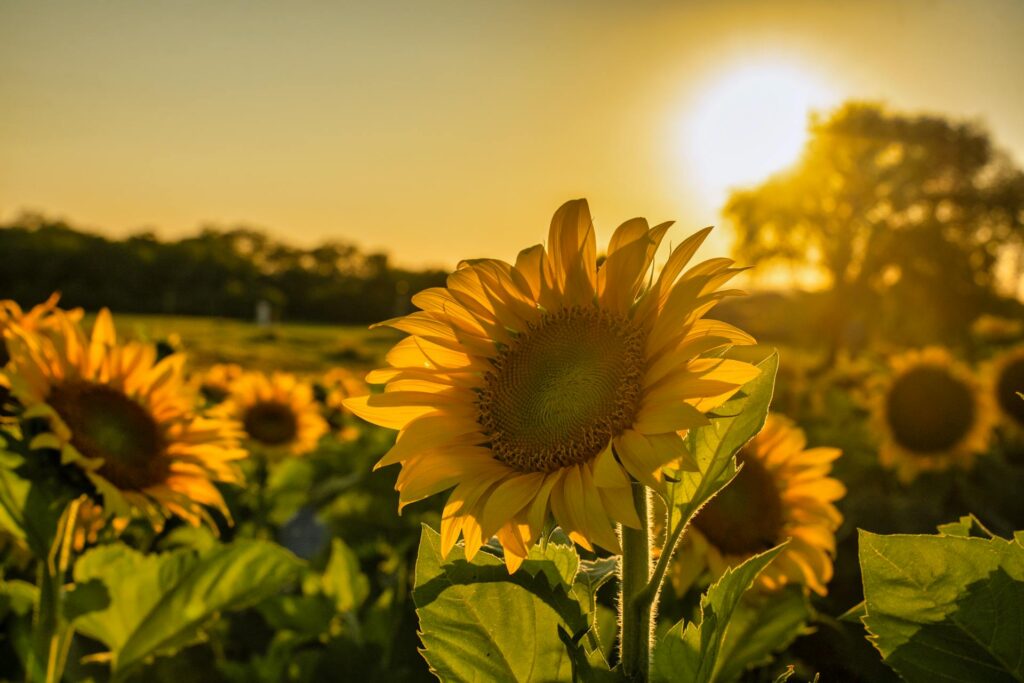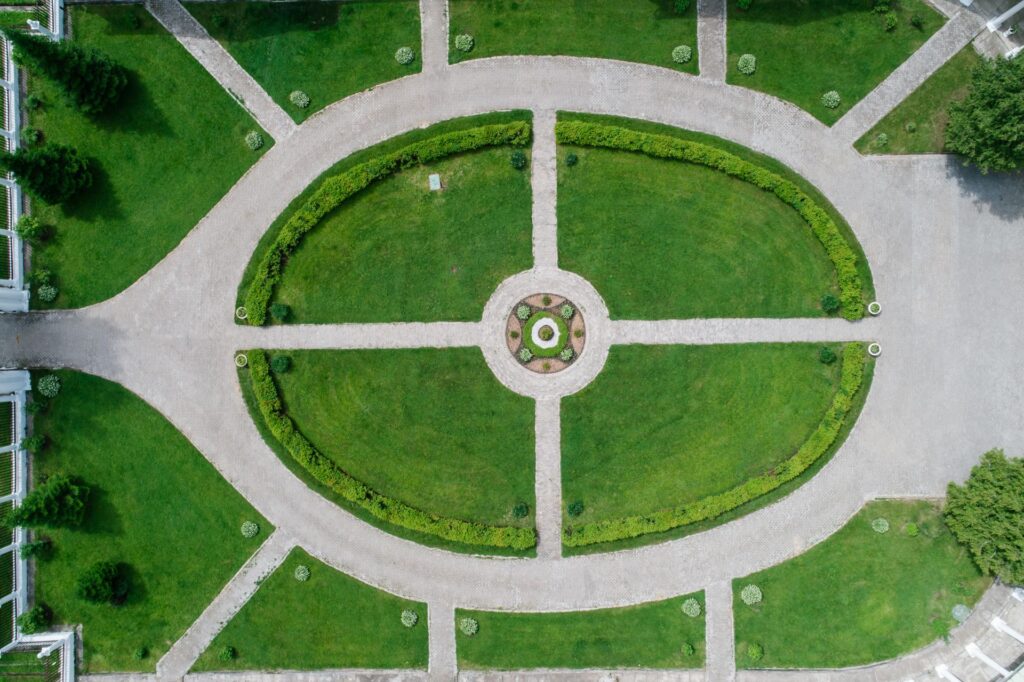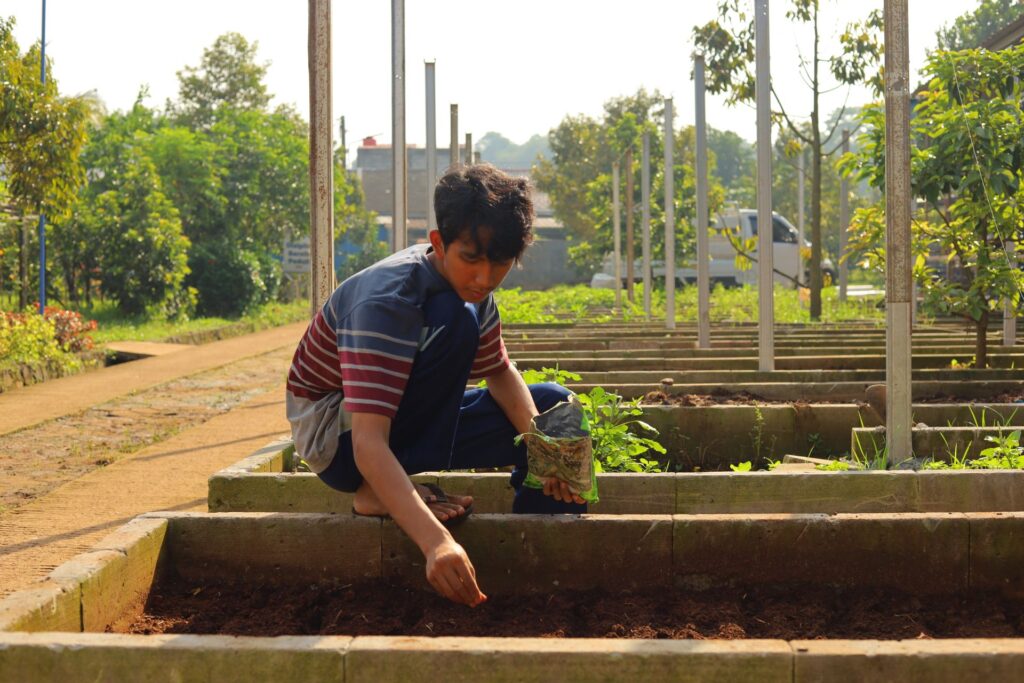
Full sun means a plant needs at least 6 hours of direct sunlight per day — often more for vegetables like tomatoes and peppers, which prefer 8–10 hours. These spots are usually south or west-facing and warm up quickly.
Partial sun/partial shade falls in the 3–6 hour range. The subtle difference: partial sun plants prefer the higher end (closer to 6 hours), while partial shade plants do better with 3–4 hours. Morning sun is gentler than afternoon sun, so east-facing beds work great for this category.
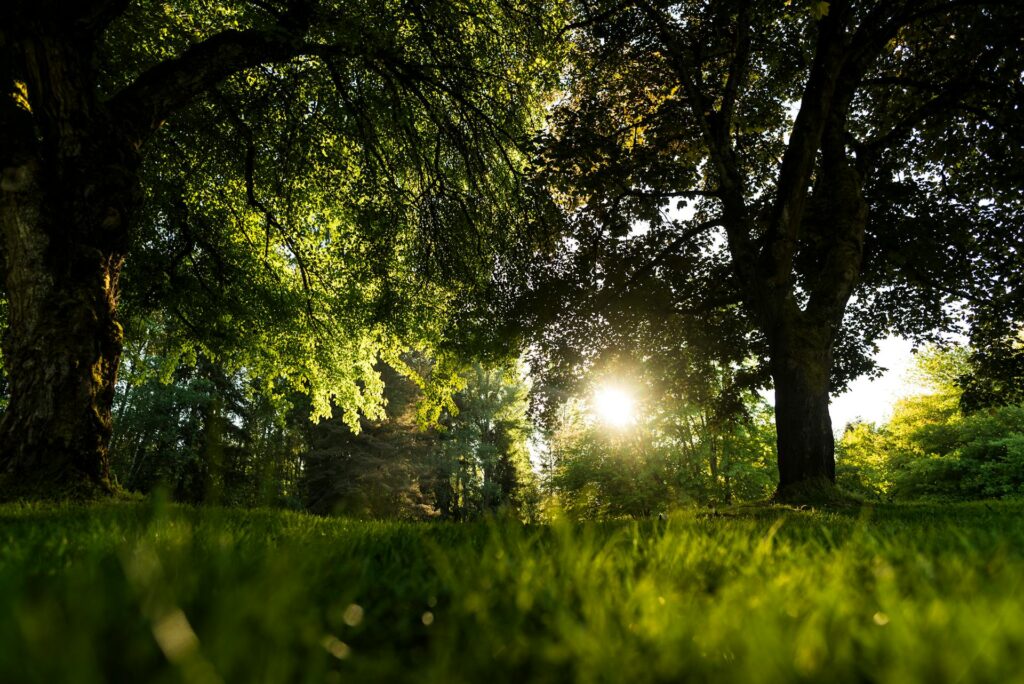
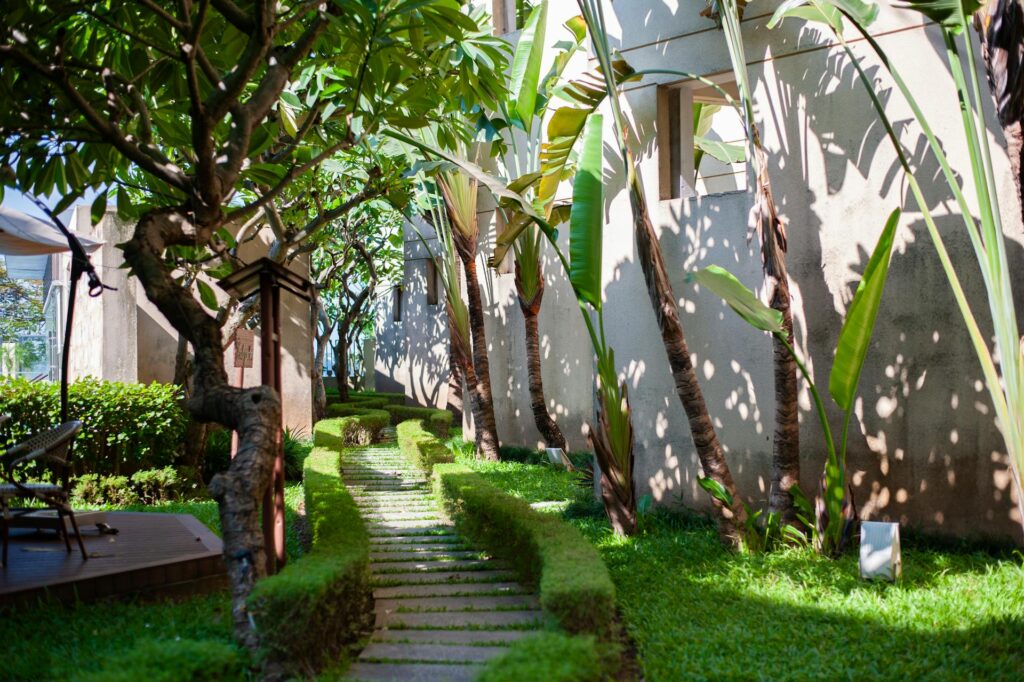
Full shade means less than 3 hours of direct sun daily — but it doesn’t mean complete darkness. Dappled light under trees counts. Hostas, ferns, and hellebores are classic full-shade plants.
Have you ever stood in a garden center, staring at a plant tag that says “full sun” or “partial shade,” and thought — what does that even mean for my garden? You are not alone. This is one of the most common points of confusion for beginner and intermediate gardeners alike. And getting it wrong can mean the difference between a thriving plant and a sad, wilted one you have to replace by August.
The good news? Once you understand what these terms really mean — not just in theory, but in the actual, real-world conditions of your garden — everything becomes much easier. This guide breaks it all down in plain, simple language so you can make smarter planting decisions every single time.
What Do Sunlight Labels on Plant Tags Actually Mean?
Before diving into the specifics, it helps to understand where these labels come from. When horticulturists and nursery professionals describe sunlight requirements, they are talking about the number of hours of direct sunlight a plant receives on an average day during the growing season.
This is not about the brightness of the day or whether the sky is cloudy. It is specifically about direct sun — the kind where the sun’s rays hit the plant without being blocked by trees, buildings, fences, or other obstacles.
Here is a quick overview of the three main categories:
- Full Sun = 6 or more hours of direct sunlight per day
- Partial Sun / Partial Shade = 3 to 6 hours of direct sunlight per day
- Full Shade = less than 3 hours of direct sunlight per day
Simple enough on paper. But in practice? Gardens are messy, dynamic, and full of variables that make this trickier than it looks.
Full Sun: More Than Just a Sunny Spot
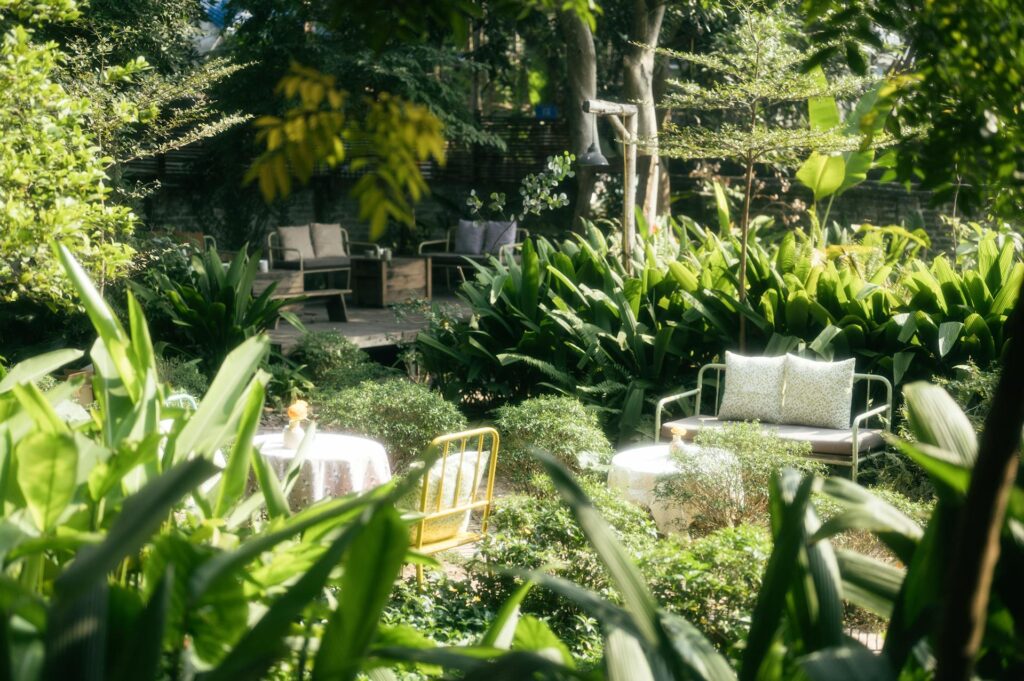
A lot of gardeners assume that any open area in their yard qualifies as “full sun.” But that assumption leads to a lot of failed tomato plants and disappointing flower beds.
Full sun means a minimum of 6 hours of direct sunlight. Many sun-loving plants — like tomatoes, peppers, roses, and sunflowers — actually prefer 8 to 10 hours of sun per day. These are plants that evolved in open fields and meadows, where the sun beats down from morning to late afternoon.
What Does Full Sun Feel Like?
Gardeners who have grown vegetables in a genuine full-sun spot describe it as almost harsh. The soil warms up quickly. Moisture evaporates faster. Mulching becomes more important. And the plants? They are productive, vibrant, and fast-growing — provided they get enough water.
One experienced home gardener from Texas described her raised vegetable bed as “a little furnace” during summer. She said her tomatoes and basil absolutely loved it, but she had to water every single morning. That is the reality of full sun gardening: high reward, high maintenance.
Common Mistakes in Full Sun Gardens
One of the biggest mistakes gardeners make is assuming that south-facing means full sun everywhere. A south-facing yard might have a large oak tree that casts a shadow over half the garden by 2 PM. That area is no longer full sun — even though it gets blazing light in the morning.
Seasonal change also matters. A spot that gets 9 hours of sun in June might only get 5 hours in September as the sun drops lower in the sky. Understanding how seasonal changes affect your garden’s sunlight is crucial to long-term planning, especially if you are growing crops across multiple seasons.
Best Plants for Full Sun
Here are some plants that genuinely thrive in full sun conditions:
- Tomatoes — need at least 8 hours of sun for best fruit production
- Sunflowers — love long, hot days
- Lavender — thrives in dry, sunny, Mediterranean-style conditions
- Zucchini and squash — heavy producers in full sun
- Marigolds — cheerful, drought-tolerant, and sun-hungry
- Peppers — prefer heat and light all day long
- Coneflowers (Echinacea) — beautiful and low-maintenance in sunny spots
Partial Sun and Partial Shade: The Confusing Middle Ground
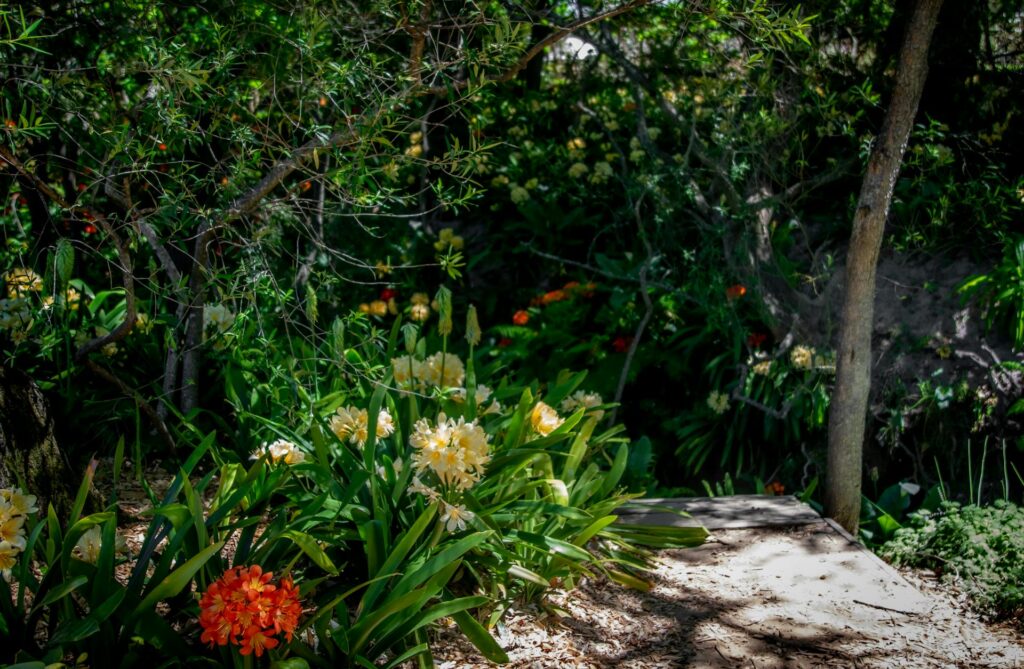
This is where things get interesting — and where most gardeners get confused. You will often see plant tags that say “partial sun” or “partial shade.” Are those the same thing? Almost, but not quite.
Both terms describe plants that need 3 to 6 hours of sunlight per day. The subtle difference lies in which end of that range the plant prefers.
- Partial sun leans toward the higher end — closer to 5 to 6 hours of sun, often preferring morning light
- Partial shade leans toward the lower end — closer to 3 to 4 hours, and the plant appreciates being sheltered from intense afternoon sun
Why Morning Sun vs. Afternoon Sun Matters
Here is something that surprises a lot of first-time gardeners: not all sunlight hours are equal.
Morning sun is softer and cooler. It is ideal for shade-tolerant plants that need some light but do not want to get scorched. Afternoon sun, particularly from 1 PM to 5 PM, is much more intense and hot. Even 3 hours of afternoon sun can stress a plant that is labeled “partial shade.”
Experienced gardeners often say that east-facing beds are the sweet spot for partial sun and partial shade plants. They get bright, gentle morning light and are naturally protected from the harshest afternoon rays by the house or fence.
Using a reliable sun in garden calculator can help you track exactly how many hours of direct light each part of your garden receives — and whether that light falls in the morning or afternoon. This kind of data takes the guesswork out of plant placement entirely.
Partial Sun and Partial Shade Plant Favorites
Here are some plants that perform beautifully in this middle zone:
- Hostas — stunning foliage, prefer 3 to 4 hours of morning sun
- Astilbe — elegant, feathery blooms in partial shade
- Impatiens — classic shade-friendly flowering annual
- Bleeding Heart — loves dappled light under trees
- Hydrangeas — most varieties do best with morning sun and afternoon shade
- Ferns — thrive in moist, shady conditions with some filtered light
- Coral Bells (Heuchera) — colorful foliage that handles a range of light conditions
- Salvia — adaptable, but prefers at least 4 hours of direct light
Full Shade: The Misunderstood Category
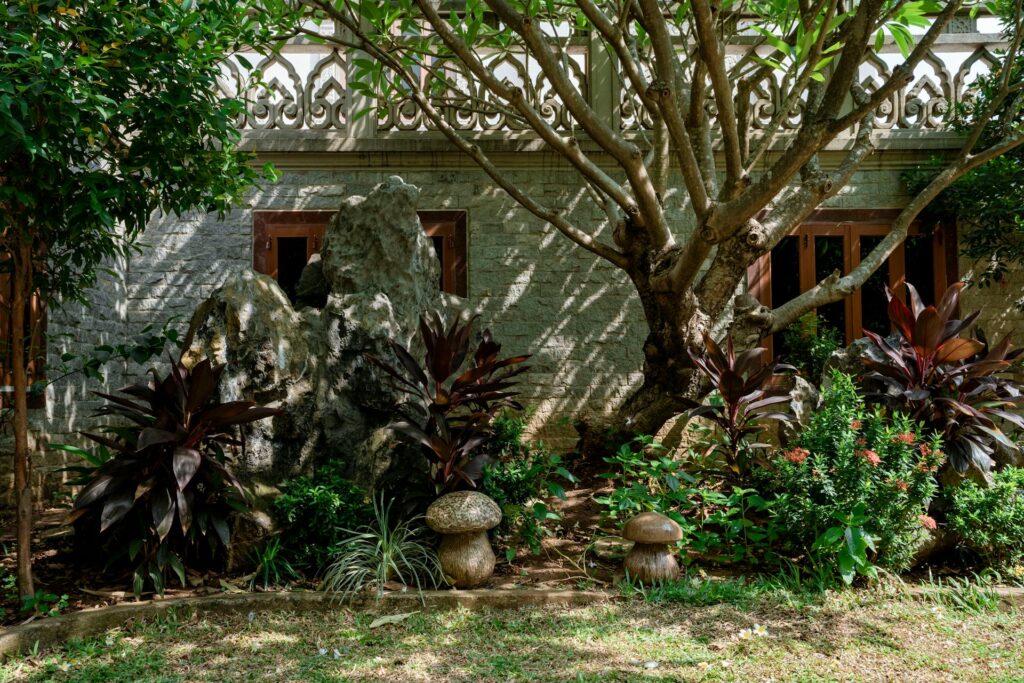
Full shade does not mean no light. This is one of the most important things to understand. Very few plants survive in complete darkness. Full shade simply means less than 3 hours of direct sunlight per day — often filtered through tree canopies or bouncing off walls and fences as indirect light.
Think of the area under a large mature tree in your backyard. The ground gets dappled sunlight throughout the day, but maybe only 1 to 2 hours of actual direct rays. That is full shade territory.
Deep Shade vs. Dappled Shade
Even within the “full shade” category, there is a spectrum:
- Dappled shade — light filters through tree leaves, shifting and moving throughout the day. Many woodland plants love this.
- Deep shade — heavy, consistent shade from dense evergreen trees or the north side of a tall building. Very few ornamental plants thrive here.
One gardener in the Pacific Northwest shared how she transformed the north side of her house — one of the most challenging spots imaginable — into a lush green retreat using only shade-tolerant plants. She used a combination of ferns, mosses, and hostas, and said it took two full growing seasons to figure out what worked. Her best advice? Start small, observe, and be patient.
Best Plants for Full Shade
- Hostas — can handle deep shade better than almost any other perennial
- Ferns — love cool, moist, shaded conditions
- Lily of the Valley — fragrant groundcover that spreads in shade
- Sweet Woodruff — excellent low-growing groundcover
- Lungwort (Pulmonaria) — early spring bloomer, very shade tolerant
- Japanese Forest Grass — stunning ornamental grass for shady spots
- Hellebores — winter and early spring blooms in heavy shade
How to Actually Measure the Sun in Your Garden
Reading about sunlight categories is helpful. Actually measuring the sunlight in your garden is even better.
Here is the most reliable low-tech method:
- Pick a clear, sunny day during your growing season — not the height of summer or the dead of winter, but a typical spring or fall day.
- Go outside every hour, starting from sunrise, and note which parts of your garden are in direct sun and which are in shade.
- Record the data over at least 8 to 10 hours.
- Count the hours each area spends in direct sunlight.
Yes, this takes a full day. But it is the single most useful thing a gardener can do before planting anything new. Proper measuring of sunlight in your garden removes all the guessing and gives you real, usable information.
Do this exercise across different seasons if possible. A bed that gets 7 hours of sun in April might only get 4 hours in October when the neighbors’ trees are fully leafed out.
Why Getting Sunlight Right Matters So Much
Plants are not forgiving when placed in the wrong light conditions. Here is what actually happens when sunlight requirements are ignored:
Too Much Sun for a Shade Plant
- Leaves turn pale yellow or bleached
- Leaf edges brown and crisp up (called scorch)
- The plant wilts even when the soil is moist
- Growth slows dramatically
- Flowering stops or never begins
Too Little Sun for a Sun Plant
- The plant becomes leggy and stretched as it reaches for light
- Fewer flowers and reduced fruit production
- Foliage looks dull, pale, or yellowish
- The plant becomes more vulnerable to disease
- Root vegetables and fruiting crops produce almost nothing
Getting your plants into the right light condition is not just about aesthetics. It is about giving them the environment they evolved to thrive in. A sun-loving tomato plant placed in partial shade will survive, but it will not give you 25 pounds of tomatoes by September.
Choosing the Right Spot From the Start
One of the most valuable skills a gardener can develop is learning to read a garden space before putting a single plant in the ground. This means understanding not just sunlight, but drainage, soil quality, wind exposure, and proximity to competing tree roots.
When it comes to sunlight, the process of choosing the right garden spot involves more than just standing outside on a sunny morning and deciding something looks bright. It involves observing your space across multiple times of day and across weeks and months.
Here are some practical tips:
- Map your garden on paper and note where shadows fall at 9 AM, 12 PM, and 3 PM
- Watch for seasonal shifts — trees that have no leaves in March may cast significant shade by June
- Consider reflected heat — south-facing walls and light-colored surfaces can boost warmth and light intensity
- Note microclimates — a low-lying area might stay cool and moist while a raised bed nearby bakes
Planning a Whole Garden Around Sunlight
Once a gardener understands the sunlight requirements of their plants and the sunlight reality of their space, the next step is putting it all together into a smart planting plan.
The most successful gardens are designed with sun zoning in mind. That means:
- South and west-facing beds get reserved for the sun-lovers: vegetables, herbs, roses, and fruiting shrubs
- East-facing areas become home to partial sun plants: hydrangeas, salvia, and many native perennials
- North-facing spots and under-tree areas get planted with shade-tolerant groundcovers, ferns, and woodland plants
This kind of intentional planning dramatically reduces plant loss and saves money on replacements. Thoughtful garden planning using a sun calculator takes this a step further by giving gardeners precise data about their specific space — not just general advice.
A Few Final Tips From Real Gardening Experience
Every seasoned gardener has a story about planting something in the wrong spot and watching it struggle. That is part of learning. But here are some hard-earned lessons that can help shorten that learning curve:
1. Observe before you plant. Spend at least one full season watching how light moves through your garden before making major changes. This is especially important in a new home.
2. Labels are guidelines, not laws. A plant labeled “full sun” might do just fine with 5 hours of afternoon sun in a hot climate. Context matters.
3. Soil moisture changes the equation. In very hot, dry climates, some “full sun” plants actually perform better with some afternoon shade. And some shade plants need more sun in cool, humid climates to bloom well.
4. Transplanting is always an option. If a plant is struggling, move it. Most perennials and shrubs can be transplanted successfully if it is done carefully in early spring or fall.
5. Track your garden over time. A simple notebook or phone photos taken from the same spot across the seasons can reveal sunlight patterns that are impossible to notice in real time.
Summary
Sunlight labels on plant tags describe how many hours of direct sun a plant needs each day. There are three main categories:
Full sun requires 6 or more hours of direct sunlight daily. Most vegetables, roses, and herbs fall here. Many of these plants actually prefer 8–10 hours for best performance — think tomatoes, peppers, lavender, and sunflowers. These spots are usually south or west-facing, warm up fast, and dry out quickly, so watering becomes more important.
Partial sun or partial shade covers the 3–6 hour range. The two terms are almost the same but have a subtle difference — partial sun plants lean toward the higher end of that range, while partial shade plants prefer the lower end and appreciate shelter from intense afternoon heat. Morning sun is softer and cooler than afternoon sun, so east-facing beds are ideal for this group. Hydrangeas, hostas, astilbe, and coral bells all do well here.
Full shade means fewer than 3 hours of direct sun per day. This does not mean total darkness — dappled light filtering through tree canopies counts. Ferns, hellebores, lily of the valley, and hostas thrive in these conditions. Deep shade under dense evergreens is the most challenging and limits plant choices significantly.
The most important thing to understand is that not all sunlight hours are equal. Three hours of harsh afternoon sun stresses a shade plant far more than three hours of gentle morning light. Seasonal shifts matter too — a spot that gets 7 hours of sun in spring may only get 4 hours by autumn once nearby trees fully leaf out.
The single best thing a gardener can do is spend one full day observing their garden, noting which areas are in direct sun and which are shaded at 9 AM, 12 PM, and 3 PM. That real-world data beats any general advice and makes every planting decision much more confident and accurate.
Wrapping It Up
Understanding the difference between full sun, partial sun, and shade is one of the most foundational skills in gardening. It is not complicated once you see it clearly — but it does require observation, patience, and a willingness to learn from your specific space rather than following generic advice.
The plants in your garden do not care what the tag says. They respond to the actual light they receive, the actual temperatures they experience, and the actual soil they grow in. The gardener’s job is to match the plant to the place — and understanding sunlight categories is the essential first step in doing that well.
So the next time you are standing in a nursery, holding a beautiful plant and reading its tag, you will know exactly what those labels mean — and exactly which corner of your garden is waiting for it.
Happy gardening.
FAQs
How many hours of sun is considered full sun for plants?
Full sun means a plant receives at least 6 hours of direct sunlight per day. Many sun-loving plants like tomatoes and peppers actually prefer 8–10 hours for the best growth and fruit production.
What is the difference between partial sun and partial shade?
Both mean 3–6 hours of sunlight daily, but partial sun plants prefer the higher end (closer to 5–6 hours), while partial shade plants do better with 3–4 hours and need protection from intense afternoon sun.
Can a plant survive in full shade with no direct sunlight?
Very few plants survive in complete darkness. Full shade means fewer than 3 hours of direct sun, not zero light. Most full shade plants still need indirect or dappled light to grow healthy and produce foliage or flowers.
Does it matter what time of day a plant gets its sunlight?
Yes, it matters a lot. Morning sun is cooler and gentler, making it ideal for partial shade plants. Afternoon sun (especially from 1 PM to 4 PM) is much more intense and can scorch shade-loving plants even if the total hours seem low.
How do I know how much sun my garden actually gets?
The most reliable method is spending one full day outside and checking your garden every hour from sunrise to late afternoon. Note which areas are in direct sun and which are shaded. Doing this across different seasons gives you the most accurate picture of your garden’s light conditions.