Tree removal in 2026 typically costs between $200 and $2,000+, depending mainly on tree size:
- Small trees (under 30 ft) — $200–$450
- Medium trees (30–60 ft) — $450–$900
- Large trees (60–80 ft) — $900–$1,500
- Very large trees (80+ ft) — $1,500–$3,000+
The national average is around $700–$1,000 for a typical backyard tree.
If you have ever looked up at a dead tree in your backyard and thought, “That thing needs to go,” you are not alone. Thousands of homeowners across the United States face this exact situation every year. But before picking up the phone and calling an arborist, almost everyone asks the same question — how much is this going to cost me?
The short answer? Tree removal in 2026 typically costs anywhere from $200 to $2,000 or more, depending on a handful of key factors. But the real answer is far more nuanced than a single number.
The size of the tree, where it sits on the property, how easy it is to access, and even the time of year you schedule the job — all of these things play a role in what ends up on the final invoice.
This guide breaks it all down in plain language, based on real-world experience and up-to-date pricing so that homeowners can walk into any conversation with a tree service company feeling informed and confident.
Why Tree Removal Prices Vary So Much
One of the first things people notice when they start calling around for quotes is that no two companies seem to give the same number. This is completely normal, and it is not necessarily a red flag. Tree removal is not a one-size-fits-all job.
Think about it this way. Removing a small 20-foot ornamental tree from an open front yard takes a crew maybe an hour or two. Removing a 100-foot oak that is leaning over the roof of a house, tangled in power lines, and rooted in a narrow side yard? That could be a multi-day job requiring a crane, a large crew, and some seriously specialized equipment.
Here are the main variables that drive price differences:
- Tree height and trunk diameter
- Species of tree (some are harder to cut than others)
- Location on the property (open yard vs. tight space near structures)
- Health and condition of the tree (dead trees can be unpredictable)
- Whether stump removal is included
- Local labor rates (costs in New York City are very different from rural Texas)
- Time of year (winter tends to be cheaper)
Understanding these factors helps homeowners avoid paying more than they should — or worse, being surprised by a bill they were not expecting.
Average Tree Removal Cost in 2026 by Tree Size
Size is the single biggest factor in pricing. Tree removal companies typically charge based on the overall height and the diameter of the trunk, since both affect how long the job takes and what equipment is needed.
Small Trees (Under 30 Feet) — $200 to $450
Small trees are generally the most affordable to remove. These include things like small fruit trees, ornamental trees, young maples, or overgrown shrubs that have become tree-like. A crew can usually handle these quickly, and the job rarely requires heavy machinery.
Medium Trees (30 to 60 Feet) — $450 to $900
This range covers a wide variety of common backyard trees — mature birch trees, medium-sized pines, elms, and younger oaks fall into this category. The job takes longer, the limbs are heavier, and more cleanup is involved, which pushes the price higher.
Large Trees (60 to 80 Feet) — $900 to $1,500
Large trees require experienced crews and heavier equipment. At this height, safety becomes a more serious concern, especially if the tree is near a structure. The cost reflects the skill, time, and insurance involved in doing the job safely.
Very Large Trees (Over 80 Feet) — $1,500 to $3,000+
Towering trees like mature oak, pine, or sycamore can push the bill well past $2,000. Some jobs requiring crane assistance can cost $3,000 to $5,000 or more. These are not everyday jobs — they require planning, permits in some areas, and a highly skilled crew.
If you want a quick estimate before calling anyone, a tree removal cost calculator can give you a solid ballpark number based on your specific situation.
Common Tree Species and How They Affect Cost
Not all trees are created equal when it comes to removal difficulty. The species matters more than most people realize.
Oak trees are dense and heavy. Even a medium-sized oak can take far longer to cut and haul away than a tree of similar height made of softer wood. Expect to pay on the higher end for oak removal.
Pine trees are tall and relatively lightweight but produce enormous amounts of debris. The needles, cones, and long limbs all need to be cleared. This adds time.
Palm trees are a bit of an anomaly. They are not structurally similar to traditional hardwood trees. Removal is usually straightforward and costs anywhere from $200 to $900 depending on height.
Dead trees are often cheaper to remove because they weigh less and dry wood cuts faster. However, dead trees can also be structurally unpredictable — they can snap in unexpected ways — so experienced arborists sometimes charge a hazard premium of 10% to 20% above standard rates.
Ash trees affected by the Emerald Ash Borer have been a common removal job across the Midwest for years. These trees tend to be brittle when dead, which increases the complexity of the job slightly.
Additional Services That Add to the Total Cost
The base price of cutting down a tree is just the beginning for many homeowners. Here is what commonly gets added to the bill:
Stump Removal — $75 to $400 per stump
Most tree removal quotes do not include stump removal unless you specifically ask. Stump grinding involves a machine that chews the stump down below the soil surface. It is a separate service, and it is absolutely worth adding if you plan to use that area of the yard for anything.
Limb and Debris Hauling — $50 to $150
Some companies include debris removal in their base price. Others charge separately for hauling away the wood, branches, and leaves. Always clarify this upfront.
Log Splitting — $75 to $150
If you have a fireplace or know someone who does, ask if the company can split the logs for you rather than hauling everything away. Sometimes this is a free service; sometimes it costs extra.
Emergency or Storm Damage Removal — Add 25% to 50%
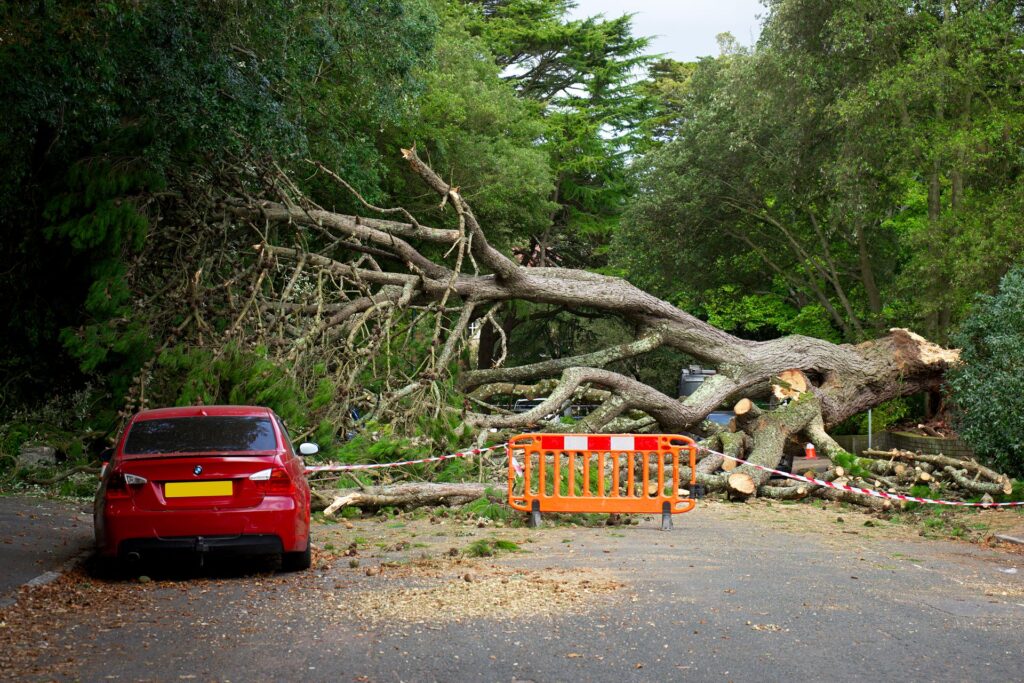
A tree that fell on your fence after a storm is not a scheduled job — it is an emergency. Emergency tree removal typically costs significantly more because crews drop everything to respond quickly. Expect to pay a 25% to 50% premium on top of standard rates for urgent jobs.
Permits — $50 to $200+ depending on municipality
Some cities and counties require a permit before removing certain trees, particularly large, mature, or protected species. Always check with your local planning department before scheduling the work. A good tree service company will usually help navigate this process.
How Location Affects Tree Removal Cost
Where you live matters — a lot. Tree removal in San Francisco or New York City can cost two to three times more than the same job in a rural area of the South or Midwest. This is because labor costs, insurance rates, permit requirements, and general cost of living all vary dramatically by region.
Even within the same city, the location of the tree on your property affects pricing. A tree that is:
- Standing in an open area away from structures — easier access, lower cost
- Close to the house, fence, or utility lines — higher risk, more precision required, higher cost
- In a hard-to-reach backyard — equipment access is limited, cost goes up
- Surrounded by other trees — careful maneuvering needed, adds time
An arborist will almost always want to see the tree in person — or at least look at photos — before giving a firm quote. Be cautious of any company that gives a firm price over the phone without knowing what they are dealing with.
How to Save Money on Tree Removal
Tree removal is not cheap, but there are some legitimate ways to reduce the cost without cutting corners on quality or safety.
Get at least three quotes. Prices vary significantly between companies. Getting multiple quotes from licensed, insured arborists is the single most effective way to avoid overpaying.
Schedule off-season removal. Late fall and winter are the slow seasons for tree services in most parts of the country. Some companies offer 10% to 15% discounts for jobs scheduled during this period.
Bundle multiple trees. If you have more than one tree to remove, bundling them into a single job often results in a lower per-tree cost. The crew is already there, the equipment is already set up — it just makes sense economically.
Let the company keep the wood. Some arborists will knock a small amount off the bill if they are allowed to keep the logs. Firewood has value, and some companies actively look for quality wood.
Do your own cleanup. If you are willing to rake, bag, and dispose of smaller debris yourself, some companies will reduce the overall quote slightly.
Before you call around, using a cost of tree removal calculator can help you understand what a fair price looks like for your specific tree size and location, so you know whether a quote is reasonable or inflated.
When Is Tree Removal Absolutely Necessary?
A lot of homeowners hold off on tree removal because of the cost. But in some situations, waiting can end up being far more expensive — or even dangerous.
Dead or dying trees are a serious hazard. A dead tree can fall without warning, especially during a storm. If it lands on a car, roof, or person, the consequences go far beyond the cost of removal.
Diseased trees can spread infection to healthy trees nearby. Catching and removing a diseased tree early can save the rest of the trees on the property.
Trees too close to the foundation can cause structural damage over time as roots expand. This kind of damage can cost tens of thousands of dollars to repair.
Leaning trees that are moving or shifting need urgent attention. A tree that was not always leaning and suddenly appears to be tilting is a red flag.
Overgrown trees near power lines are a safety issue. In many areas, the utility company will trim or remove trees that threaten power lines for free — always call them before paying for this yourself.
What to Look for When Hiring a Tree Removal Company

Not everyone with a chainsaw and a pickup truck is qualified to remove trees safely. Tree removal is dangerous work, and cutting costs by hiring an unqualified crew can result in property damage, injuries, or worse.
Here is what to look for when vetting a company:
ISA Certification. The International Society of Arboriculture (ISA) certifies arborists who have demonstrated knowledge and skill in tree care. Hiring a certified arborist is a mark of professionalism.
Insurance. Always ask for proof of liability insurance and workers’ compensation before anyone starts working on your property. If a worker is injured or property is damaged by an uninsured crew, you could be held financially responsible.
Written quotes. Any reputable company should provide a written, itemized quote that clearly states what is and is not included.
References and reviews. Check Google reviews, ask for references, and look at their work history before committing.
No large upfront deposits. Legitimate companies typically ask for payment after the job is done, or a modest deposit to schedule the work. Be cautious of anyone demanding full payment upfront.
DIY Tree Removal — Is It Worth It?
Some homeowners consider doing it themselves to save money. For very small trees — truly small, like a 10 to 15-foot sapling in an open area — this might be manageable for someone with the right tools and experience. But for anything larger, DIY tree removal carries serious risks.
Falling trees do not fall the way people expect. Even experienced professionals get surprised sometimes. An untrained homeowner working with a chainsaw near a leaning tree is in a genuinely dangerous situation.
Equipment costs add up quickly. Renting a proper chainsaw, safety gear, a wood chipper, and a truck to haul debris can approach $300 to $500 for a single day — at which point you are not saving much, and you are taking on all the risk.
For anything larger than a very small tree, the consensus among experienced homeowners is clear: pay the professionals. It is worth every penny.
For very large trees — the kind that towers over the roofline — using a large tree removal cost calculator before reaching out to companies can help set realistic expectations for what this kind of specialized job is going to cost.
Quick Summary
The average tree removal costs $700–$1,000 for a medium-sized tree, with the full range running from $200 to $3,000+ depending on size, location, and complexity.
Biggest cost factors: tree size, species, accessibility, and whether stump removal is included.
Extra costs to expect: stump grinding ($75–$400), debris hauling ($50–$150), and emergency removal adds 25–50% on top.
To save money: get at least 3 quotes, schedule in winter, and bundle multiple trees into one job.
Always hire a licensed, insured arborist — DIY is only safe for very small trees.
Final Thoughts
Tree removal is one of those home maintenance tasks that most people only deal with a handful of times in their lives. It can feel overwhelming when you first start looking into it, especially once you realize how wide the price range can be.
The key takeaways are simple. Size matters most. Location and accessibility push the price up or down. Extra services like stump grinding and debris hauling add to the total. And getting multiple quotes from licensed, insured professionals is the best way to make sure you are getting a fair deal.
In 2026, the national average for tree removal sits around $700 to $1,000 for a medium-sized tree, with costs ranging from as low as $200 for a small job to well over $3,000 for a complex large-tree removal. Knowing these numbers going in means no one can pull a fast one — and that is exactly the kind of confidence every homeowner deserves before a big job like this.
If the tree has to go, it has to go. The best thing you can do is go in prepared.
FAQs
How much does it cost to remove a large tree in 2026?
Large trees (60–80 ft) typically cost $900–$1,500, while very large trees over 80 ft can cost $1,500–$3,000+. Trees requiring a crane can push past $5,000.
Is stump removal included in tree removal cost?
Usually no. Stump removal is almost always a separate charge, costing $75–$400 per stump. Always ask your arborist upfront if it is included in the quote.
What time of year is cheapest for tree removal?
Late fall and winter are the slowest seasons for tree services. Many companies offer 10–15% discounts during this period, making it the best time to book and save money.
Does homeowners insurance cover tree removal?
It depends. If a tree falls and damages your home or a covered structure during a storm, most homeowners insurance policies will cover the removal cost. If the tree simply dies or poses a risk without causing damage, it is typically not covered.
How do I know if a tree needs to be removed?
Key signs include dead or falling branches, a leaning trunk, fungal growth at the base, hollow sections, or roots damaging the foundation. When in doubt, call a certified ISA arborist for a professional assessment.