Here are the hidden costs of tree removal at a glance:
- Stump removal — almost never included
- Debris hauling — extra charge
- Permits — homeowner’s responsibility
- Emergency fees — up to 100% more
- Tight access — adds labor costs
- Root complications — slows the job
- Landscape repair — separate expense
- Insurance gaps — less coverage than expected
Bottom line: Always budget 10–15% extra beyond the quote!
Most homeowners think tree removal is a simple, one-time expense. They get a quote, they pay the price, and they move on. But the reality? It is rarely that straightforward. Across the country, thousands of homeowners are caught off guard every year by unexpected charges that come after the main job is done — or even before it begins.
This is not about blaming tree removal companies. Most of them are honest, hardworking professionals. The issue is that tree removal is a complex job with many moving parts, and the final bill often looks very different from the first estimate. Knowing what to expect before signing anything can save homeowners hundreds — sometimes even thousands — of dollars.
Let’s walk through all the hidden costs that homeowners should know before scheduling a tree removal.
The Base Quote Is Just the Starting Point
When a tree removal company gives an initial quote, it usually covers the basics: cutting down the tree, lowering the branches, and clearing the main trunk. That sounds complete, right? It is not.
The base price is often calculated on a straightforward, uncomplicated job. The moment the site has any complications — a fence nearby, a power line overhead, a tight yard with limited access — the price starts climbing.
Before calling a company, homeowners should use a tree removal cost calculator to get a realistic sense of what the full job might cost. This gives a clearer picture and prevents sticker shock when the actual quote arrives.
Understanding that the base quote is a floor, not a ceiling, is the first step toward avoiding surprise charges.
Stump Removal Is Almost Never Included
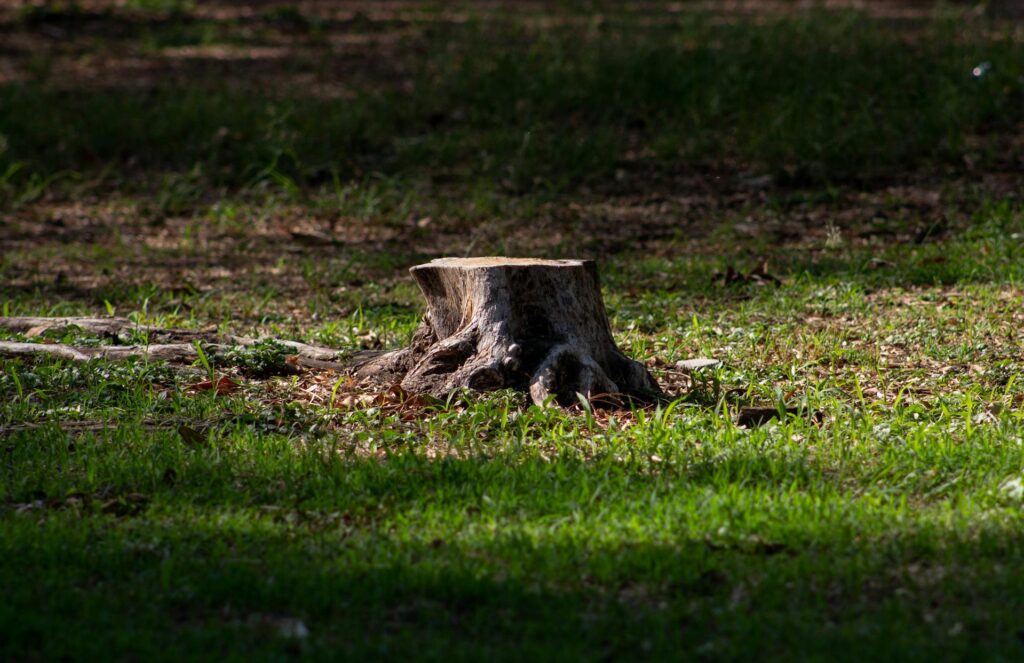
This is one of the most common surprises homeowners face. The tree comes down, the crew packs up, and there it is — a stump sitting in the ground, going nowhere.
Stump removal is almost universally treated as a separate service. The reasons are practical: grinding or removing a stump requires different equipment, more labor, and extra time. A stump grinder is a specialized machine, and many tree crews do not carry one on every job.
The cost to remove a stump varies depending on its size, how deep the roots go, and how accessible it is. Homeowners who want the stump completely gone — roots and all — will pay even more than those who only want it ground down to below ground level.
To plan ahead, it helps to use a tree stump removal cost calculator before requesting quotes. Knowing the expected range lets homeowners negotiate the stump removal as part of the full package rather than as a last-minute add-on, which almost always costs more.
The lesson here is simple: always ask explicitly whether stump removal is included. Never assume it is.
Debris Removal and Hauling Fees
After a tree comes down, there is a lot of material left behind — branches, leaves, bark, wood chunks, and sawdust from grinding. What happens to all of that?
In many cases, the crew will chip the branches and leave the wood logs in a pile. Full debris removal — where the company takes everything away — is an additional charge. This fee can range from a modest sum to several hundred dollars depending on the size of the tree.
Some homeowners are happy to keep the wood for firewood or mulch. If that is not an option, or if local regulations require proper disposal, the hauling fee becomes unavoidable.
It is worth asking every company upfront: What exactly does cleanup include? Does the price cover all debris, or just the major pieces? Will they rake up the small wood chips and sawdust? Getting this in writing prevents disputes later.
Emergency and After-Hours Pricing
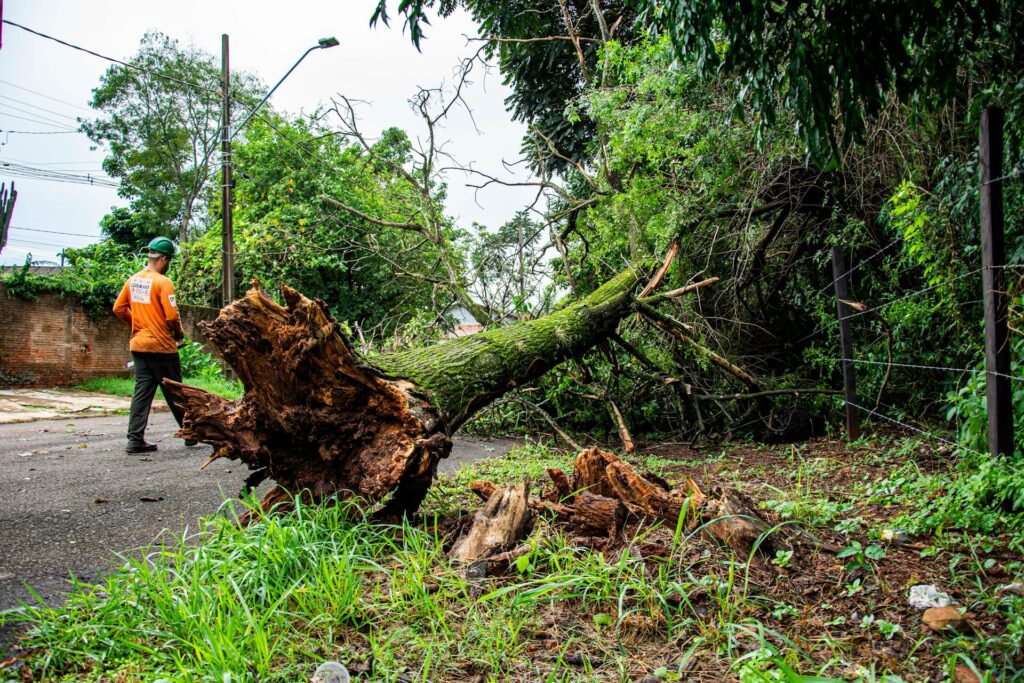
A healthy tree removed on a calm weekday is one thing. A tree that has cracked during a storm, is leaning dangerously over the roof, or has partially fallen onto a structure is an entirely different situation.
Emergency tree removal — the kind that cannot wait for a scheduled appointment — comes with significant price premiums. After-hours work, weekend calls, and storm-damage situations can push costs 50% to 100% higher than standard rates. Sometimes even more.
The urgency creates leverage for the company, and most will charge accordingly. This is not necessarily unfair — emergency work is difficult, risky, and requires mobilizing a crew on short notice. But homeowners who are not prepared for this reality can end up paying far more than expected.
Having a relationship with a local tree company before an emergency happens is one of the best ways to avoid inflated emergency pricing. Some companies offer priority service agreements to existing customers at better rates.
Permit Costs That Homeowners Must Cover
Many cities, counties, and municipalities require a permit before a tree can legally be removed. This is especially common for trees above a certain diameter, trees in historic districts, or trees that have been designated as protected species.
The permit is the homeowner’s responsibility — not the tree company’s. Costs vary widely by location. Some areas charge a flat fee of $25 to $100. Others have more complex fee structures based on the tree’s size or species. In some cases, homeowners may need to hire an arborist to certify that the tree needs to be removed before a permit is granted.
Skipping the permit is not worth the risk. Fines for unpermitted tree removal can be steep — sometimes exceeding the cost of the tree removal itself. In some jurisdictions, homeowners may also be required to plant a replacement tree.
Before scheduling any removal, it is smart to call the local planning or zoning department to find out what permits are needed and how much they cost.
Travel and Accessibility Fees

Tree companies factor in how difficult it is to access a tree when pricing a job. A tree in an open backyard with a wide gate is easy. A tree in a narrow side yard, surrounded by a fence, or located far from where a truck can park? That is a different story.
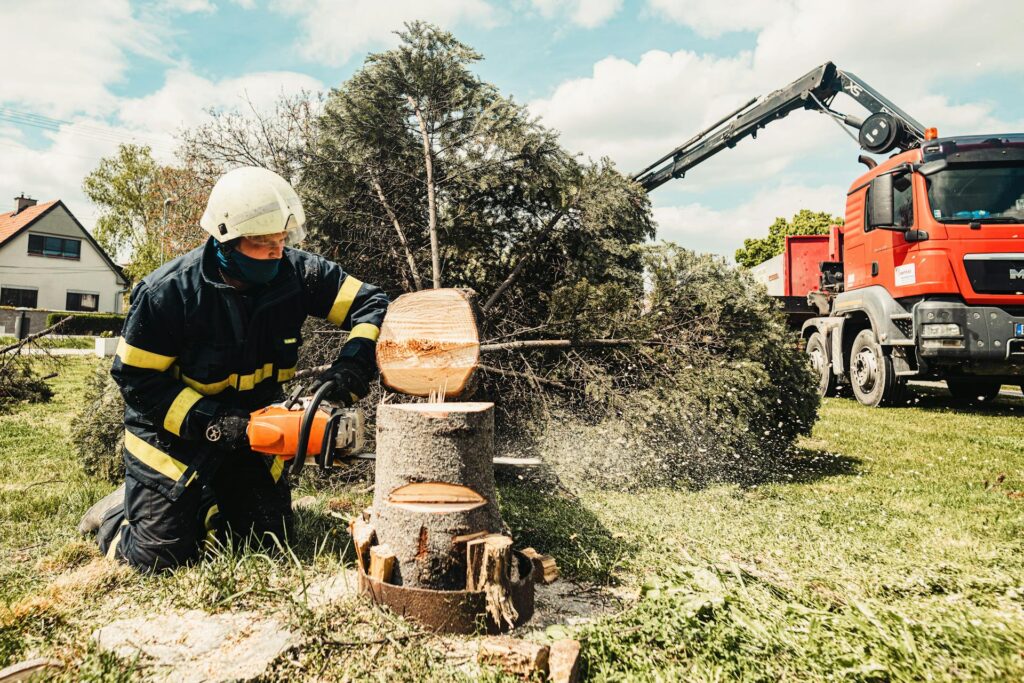
Equipment like cranes, aerial lifts, and chippers are large and heavy. When they cannot get close to a tree, the crew has to work harder — and charge more. Tight access situations require extra labor and sometimes specialized rigging techniques to safely bring a tree down piece by piece.
Homeowners in urban areas or those with older homes and smaller yards are particularly vulnerable to these fees. If there is a gate, it should be measured before calling a company. If the only access point is through the house or over a structure, expect a significant surcharge.
Some companies also charge travel fees if the property is far outside their normal service area. This is worth asking about upfront.
Root System Complications
What lies beneath the surface matters a lot. Trees with extensive root systems — particularly large, old trees — can create serious complications during removal. Roots that have grown into underground utilities, irrigation systems, or septic systems require careful, time-consuming work to navigate safely.
Cutting through a water line or damaging a gas line during removal is a serious problem. Responsible crews will call for a utility locate before digging, but dealing with roots near utilities still slows the job down and adds to the cost.
In some cases, roots that have damaged sidewalks, driveways, or foundations need to be addressed separately. This is technically outside the scope of tree removal, but it is often discovered during the process and brings additional repair costs with it.
Wood Splitting and Log Preparation

Some homeowners assume that once the tree is down, they will have a neat pile of firewood ready to burn. The reality is that freshly cut logs are not ready for the fireplace. They need to be split and seasoned, which takes months.
If a homeowner wants the wood split into manageable pieces rather than left as large rounds, most companies charge extra for this. The service requires a log splitter and additional time on the job.
For those who do not want the wood at all, the company will either chip it, haul it away, or sometimes sell it — but in most cases, the labor involved in dealing with the wood is factored into the final price one way or another.
When a Fallen Tree Is Involved
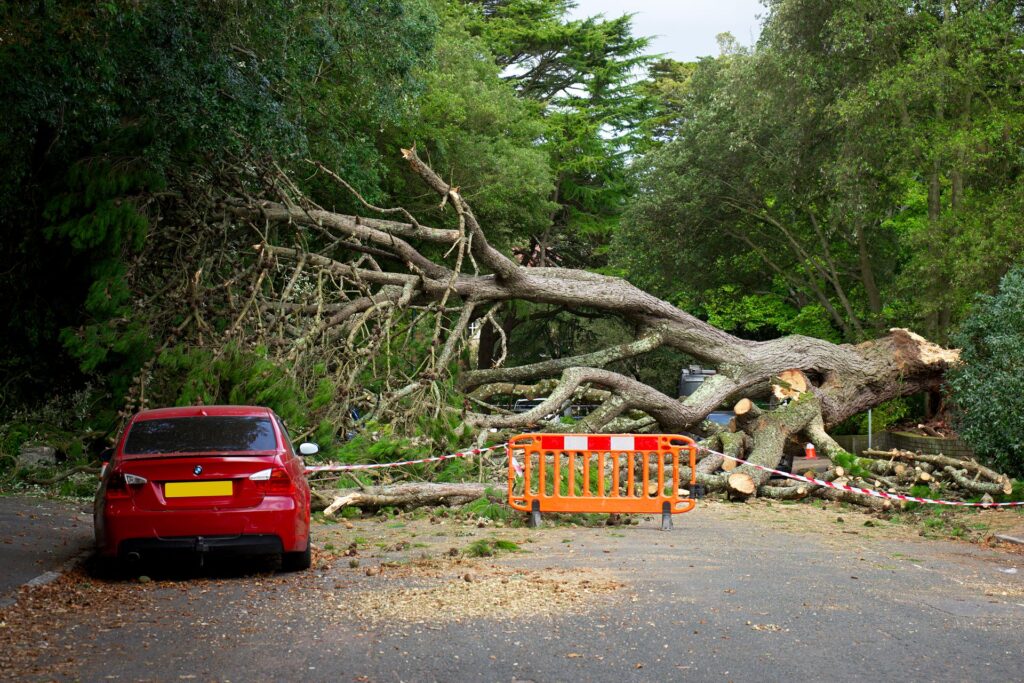
A tree that has already come down — whether from a storm, wind, or disease — might seem easier to remove than a standing tree. In some ways it is, but it comes with its own set of complications and costs.
A fallen tree may have damaged structures, fencing, or landscaping underneath it. Removing it requires careful disassembly to avoid causing further damage. The positioning of the fallen tree also affects how equipment can be used.
Homeowners dealing with this situation should use a fallen tree removal cost calculator to understand what the work entails before getting quotes. Knowing the scope of work helps homeowners evaluate whether quotes are fair and reasonable.
Additionally, if the fallen tree has damaged property, a homeowner’s insurance policy may cover some or all of the removal costs — but only if the right documentation is in place. Taking photos before anything is moved is essential.
The Cost of Waiting Too Long

Sometimes the biggest hidden cost is not about the removal itself — it is about waiting too long to act. A diseased or structurally compromised tree that is left in place grows more dangerous over time. The longer it stays, the more likely it is to fall, and the more damage it can cause when it does.
A tree that falls on a fence costs a few hundred dollars to fix and a tree that falls on a car costs thousands. A tree that falls on a roof or, worse, injures someone carries costs that can be life-altering.
Homeowners who are unsure whether a tree on their property poses a risk should look for warning signs early. Knowing the warning signs that a tree needs to be removed before a crisis happens is one of the most financially smart things a homeowner can do. Acting early, on a planned schedule, is almost always cheaper than reacting to an emergency.
Proactive removal is a cost. Emergency removal plus damage repair is a much bigger cost.
Insurance Complications and Coverage Gaps
Many homeowners assume their homeowner’s insurance will cover tree removal costs, especially after a storm. The reality is more complicated.
Most policies cover tree removal only if the tree has fallen and caused damage to an insured structure — a house, a detached garage, a fence. If a tree falls in the yard but does not hit anything, most insurers will not cover the removal at all.
Even when coverage applies, deductibles can offset much of the benefit. A $1,000 or $2,000 deductible means that smaller removal jobs may not be worth filing a claim for.
Understanding the policy before a tree event happens is important. Homeowners should review their coverage annually and know exactly what is and is not included.
Landscaping Repair After Removal

After a large tree comes down and the stump is ground out, the yard is rarely in the same condition as before. Heavy equipment leaves ruts in the lawn. Wood chip debris gets scattered. The area around the former tree is often a muddy, uneven mess.
Restoring the landscape is an additional expense. Filling and leveling the ground where the stump was, reseeding the lawn, and replacing any plants that were damaged during the removal all cost money.
Some tree removal companies offer basic site cleanup as part of their service, but full landscape restoration is almost always extra. Homeowners who care about their lawn and garden should budget for this separately.
Tips to Avoid Surprise Costs
After understanding all of these hidden expenses, the question becomes: how does a homeowner protect themselves?
Here are a few practical steps that make a real difference:
Get multiple quotes. Never settle for just one estimate. Getting at least three quotes from different companies allows for comparison and reveals what is included and what is not.
Read the contract carefully. Before signing anything, the contract should spell out exactly what is included — debris removal, stump grinding, cleanup, and anything else that was discussed verbally.
Ask about everything in writing. If a company promises to haul away all debris, that should be in the contract. Verbal promises are difficult to enforce.
Research permits before calling. Knowing whether a permit is required and how much it costs prevents last-minute surprises.
Plan for the unexpected. Even with careful planning, surprises happen. Building a 10% to 15% buffer into the budget for unexpected complications is wise.
Ask about payment terms. Reputable companies typically do not ask for full payment upfront. A deposit is normal, but full payment before the job is finished should be a red flag.
Summary
Tree removal is rarely as simple as one flat price. The base quote usually only covers cutting the tree down. Everything else — stump removal, debris hauling, permits, emergency fees, accessibility challenges, root complications, and landscape repair — often costs extra.
Key points to remember:
- Get 3+ quotes before hiring anyone
- Ask what’s included in writing
- Check permit requirements in your area
- Emergency removals can cost double
- Insurance may not cover as much as you think
- Waiting too long turns a small cost into a big one
The smartest move is to plan ahead, ask the right questions, and budget for surprises before a single branch is cut.
Final Thoughts
Tree removal is one of those home projects that looks straightforward from the outside but reveals its complexity the moment the work begins. The base quote rarely tells the whole story. Stump removal, debris hauling, permits, emergency fees, accessibility challenges, and landscape restoration can all add meaningful costs to the final bill.
The homeowners who navigate this process smoothly are the ones who ask the right questions upfront, get everything in writing, and use the right tools to estimate realistic costs before a single branch is cut.
Being informed is the best protection against surprise expenses — and it starts long before the chainsaw comes out.
FAQs
How much does tree removal actually cost in total?
The average cost ranges from $300 to $3,000+ depending on tree size, location, and complexity. However, add stump removal, debris hauling, and permits and the total can easily be 30–50% higher than the base quote.
Is stump removal included in tree removal cost?
Almost never. Stump removal is almost always a separate charge, typically costing $100 to $500 depending on stump size and root depth. Always ask upfront.
Do I need a permit to remove a tree from my property?
In many cities and counties, yes. Permits are often required for large, old, or protected trees. Costs range from $25 to $100+ and skipping them can result in heavy fines.
Does homeowners insurance cover tree removal?
Only in specific situations — usually when a tree falls and damages a structure. If it falls in the yard without hitting anything, most insurers will not cover the removal cost.
What is the cheapest way to remove a tree?
Plan ahead and avoid emergencies. Scheduled removals during off-peak seasons, bundling stump removal into the main job, and getting multiple quotes can save significant money compared to emergency or last-minute removals.