- Height = more equipment, more crew, more risk
- Diameter = harder cutting, more debris, higher cost
- Small trees (under 30 ft) = $150–$500
- Medium trees (30–60 ft) = $500–$1,500
- Large trees (60–80 ft) = $1,200–$3,000
- Very large trees (80+ ft) = $3,000–$10,000+
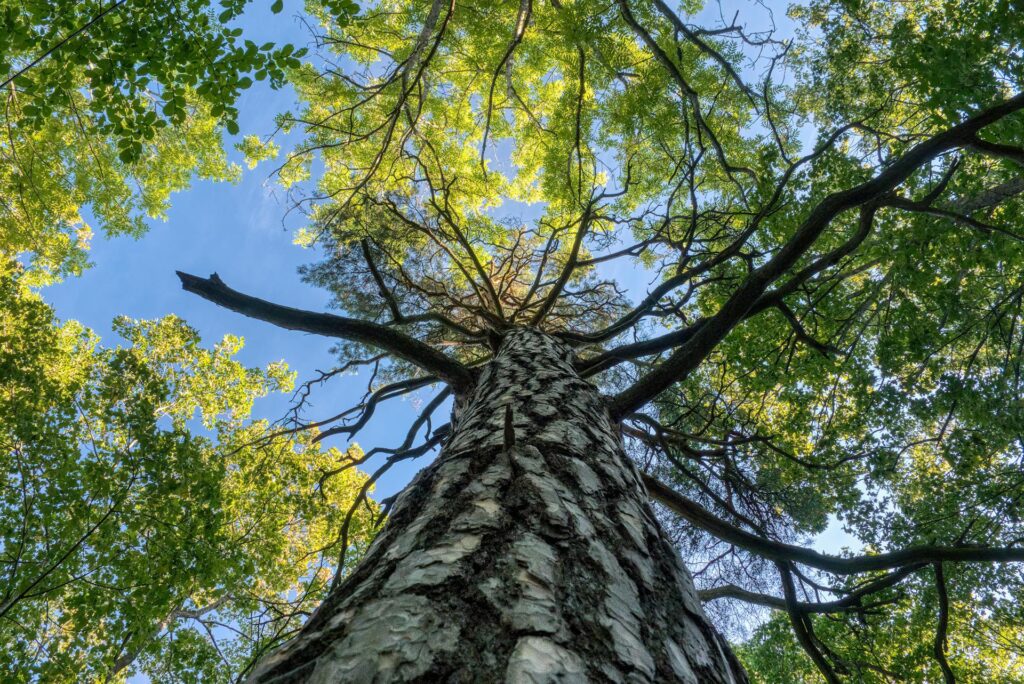
When a homeowner looks at a towering oak in their backyard and wonders how much it would cost to remove it, the first thing any professional tree service company will do is look up — and then down at the base. Tree height and trunk diameter are the two biggest factors that drive removal pricing, and understanding how they work together can save homeowners hundreds, sometimes even thousands, of dollars.
This guide breaks it all down in plain language. Whether someone is dealing with a small ornamental tree near a fence or a massive 80-foot pine shading an entire neighborhood, this article explains exactly how size affects the bill.
Why Size Is the Starting Point for Every Quote
Tree removal is not a one-size-fits-all service. A professional arborist doesn’t pull a number out of thin air. They assess the job, and the very first thing they look at is the overall size of the tree.
Size determines:
- How many crew members are needed
- What equipment gets used (chainsaw, bucket truck, crane)
- How long the job will take
- How much wood debris needs to be hauled away
- What level of skill and risk is involved
Both height and diameter are measured separately because they tell different stories. A tree can be very tall but have a thin trunk, or it can be short and squat with a massive trunk. Each combination creates a unique pricing scenario.
How Tree Height Affects Removal Cost
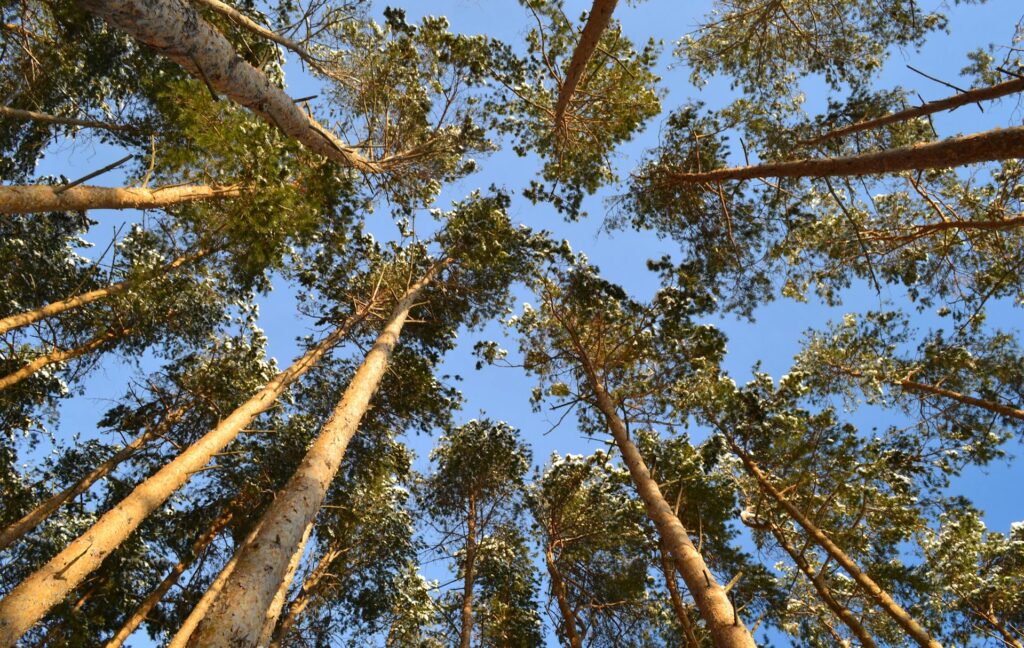
Height is usually the first measurement a tree service professional considers. The taller the tree, the more dangerous and complicated the removal becomes.
Small Trees: Under 30 Feet
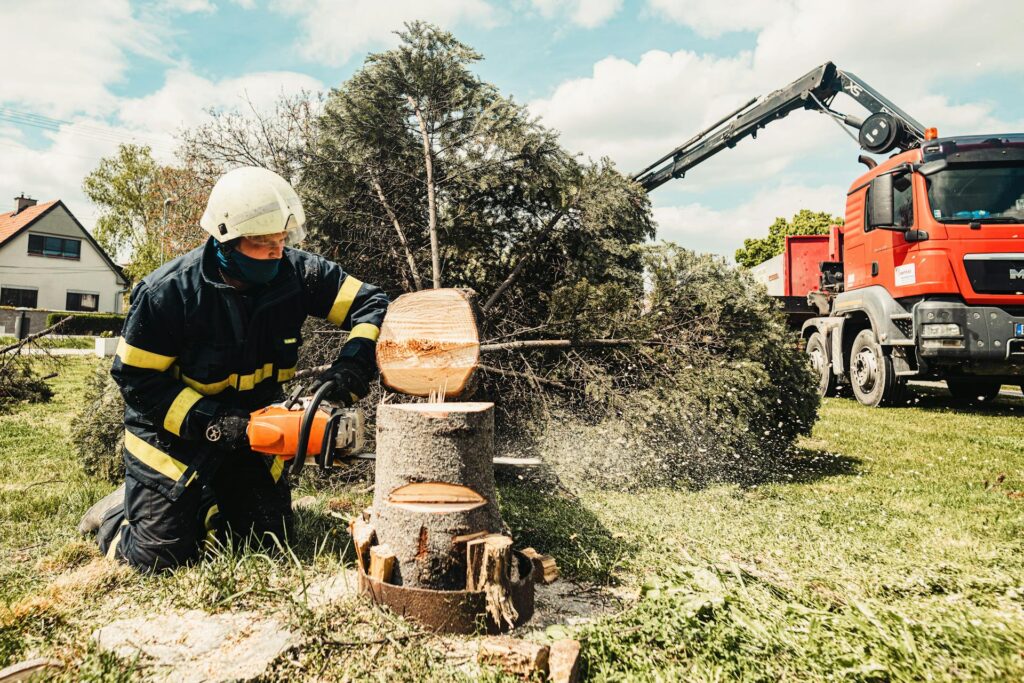
Trees under 30 feet are considered small. Think fruit trees, young maples, dogwoods, or ornamental trees in garden beds. These trees are typically straightforward to remove. A crew of two people can usually handle the job in a few hours using basic equipment.
For small trees, homeowners generally pay somewhere between $150 and $500, depending on location and accessibility. The low height means less risk, less time, and less equipment.
Medium Trees: 30 to 60 Feet
This is where pricing starts to climb noticeably. Trees in this range — mature elms, birches, ash trees, and similar species — require more planning. Crews often need a bucket truck or must use roping techniques to bring branches down safely.
The labor time increases significantly. A job that takes 2 hours on a small tree might take 4 to 6 hours on a medium tree. Expect costs to range from $500 to $1,500 for trees in this height category.
One thing many homeowners don’t realize is that the cost doesn’t increase in a simple straight line. Going from a 30-foot tree to a 60-foot tree doesn’t just double the price — it can triple it, because the risk and equipment needs grow exponentially with height.
Large Trees: 60 to 80 Feet
Trees in the 60 to 80-foot range are serious removal projects. Large oaks, silver maples, black walnuts, and white pines fall into this category. Removing trees this tall often requires a crane or a large bucket truck, which adds significant cost to the project.
Crew sizes increase to three or four workers, and the job can take an entire day. Prices in this range typically fall between $1,200 and $3,000. The complexity increases because branches must be lowered in sections, and the trunk must be cut carefully to avoid damage to surrounding property.
Very Large Trees: Over 80 Feet
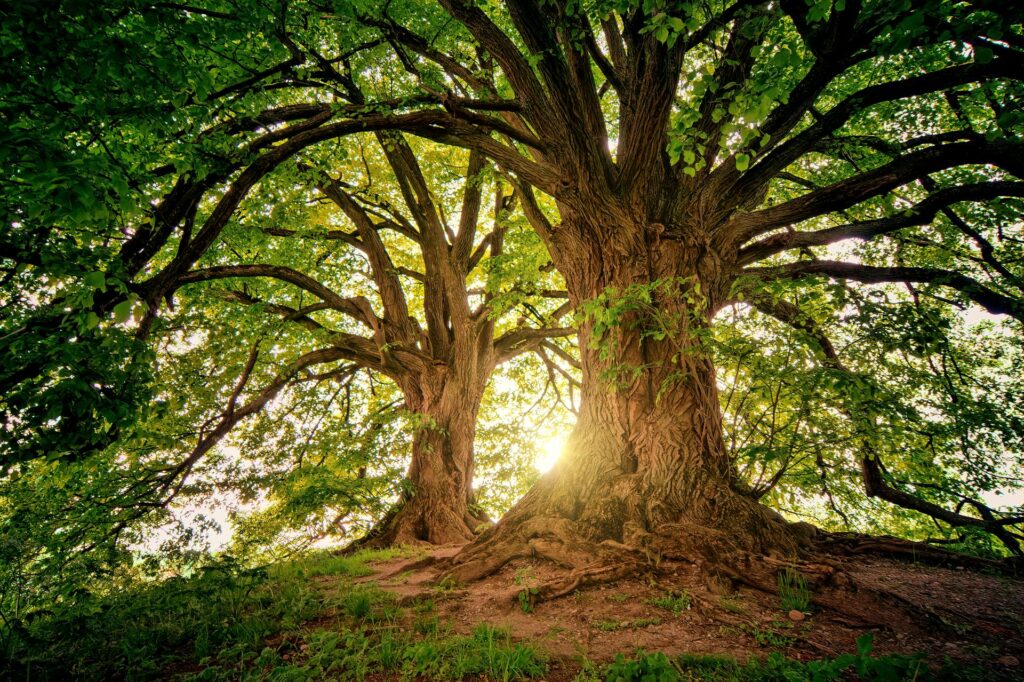
Any tree over 80 feet is in a class of its own. Sequoias, mature cottonwoods, very old oaks, and large hickories can easily reach this height. Removing a tree of this size is essentially a major construction project.
Crane rental alone can cost $500 or more per day. The crew size, equipment needs, and time commitment are all at their highest level. Homeowners should expect to pay anywhere from $3,000 to $10,000 or more for very large tree removal, depending on the specific conditions.
For anyone wanting a quick estimate before calling a professional, using a tree removal cost per foot calculator can give a solid ballpark number based on real pricing data.
How Trunk Diameter Plays a Different Role
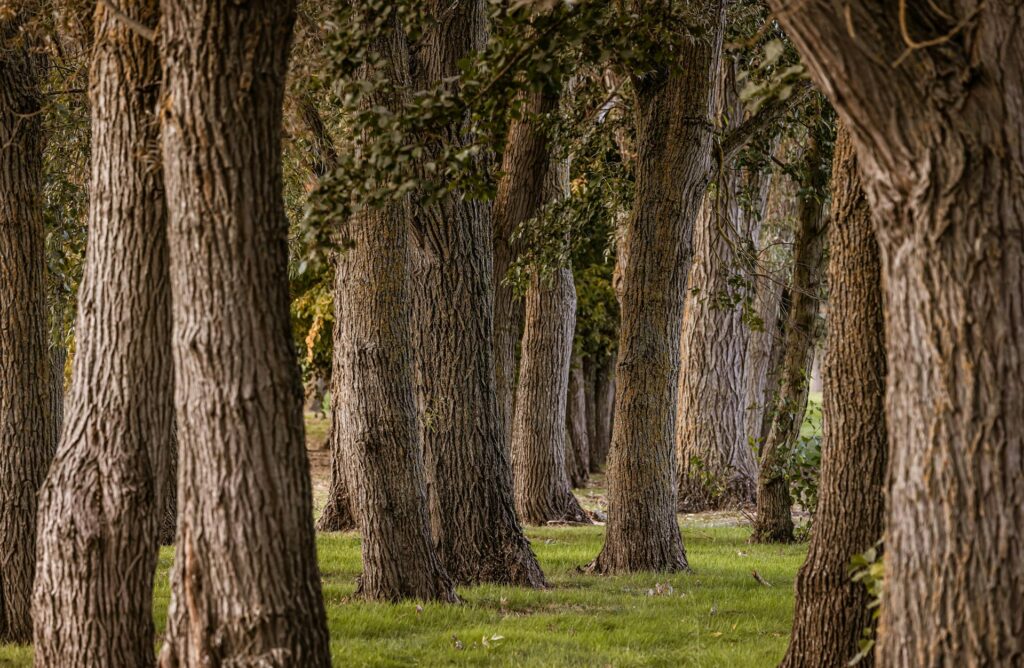
While height gets most of the attention, trunk diameter is equally important — and often more telling when it comes to the physical difficulty of the job.
Why Diameter Matters
A thick trunk means:
- More cutting time — Chainsaws and equipment work harder on dense, wide wood
- More debris — A wide trunk produces far more wood chips and logs
- Heavier sections — Each cut section weighs significantly more, increasing the need for mechanical lifting
- Root system complexity — Wide trunks usually mean wide, deep root systems, which matters if stump removal is part of the job
Trunk diameter is typically measured at chest height, which is known in the industry as DBH (Diameter at Breast Height). This standard measurement is used by arborists and tree professionals worldwide.
Diameter Categories and Their Cost Impact
Small diameter (under 12 inches): These trees are the easiest to cut through. Even if a tree is relatively tall, a narrow trunk keeps the cutting work manageable. Cost impact is minimal.
Medium diameter (12 to 24 inches): This is where equipment really starts to earn its keep. Chainsaws take longer, sections weigh more, and the overall physical labor of the job increases. Pricing reflects this added effort.
Large diameter (24 to 48 inches): Trees with trunks in this range require professional-grade equipment and experienced operators. Cutting through a 36-inch trunk takes skill, precision, and the right saw. Prices jump considerably for trees in this category.
Very large diameter (over 48 inches): These are rare in residential settings but do exist — particularly with very old oaks, elms, and similar heritage trees. A trunk over 48 inches wide demands specialized equipment and a crew that knows exactly what they are doing. The cost per hour increases substantially, and the overall job can become very expensive.
The Height-Diameter Combination: Where Pricing Gets Complicated
Here’s something many homeowners don’t consider: height and diameter interact with each other, and the combination creates pricing outcomes that neither factor alone can predict.
Consider two trees:
- Tree A: 70 feet tall, 10-inch diameter
- Tree B: 40 feet tall, 36-inch diameter
Tree A is much taller, but Tree B is far harder to cut through and produces significantly more debris. Tree B might actually cost more to remove, even though it is shorter. A professional arborist will price Tree B higher because of the sheer physical difficulty of cutting a massive trunk, plus the stump grinding cost will be much higher.
This is why getting a proper on-site assessment is always recommended. Online estimates are useful starting points, but a professional eye catches nuances that numbers alone cannot.
Real-World Pricing Examples by Size
To make this more concrete, here are some realistic pricing scenarios based on industry data and professional experience:
Example 1: Small ornamental cherry tree, 20 feet tall, 8-inch diameter Estimated cost: $200 to $400 Why: Short, thin, easy access, minimal equipment needed.
Example 2: Mature birch tree, 45 feet tall, 18-inch diameter Estimated cost: $700 to $1,200 Why: Medium height, moderate trunk, requires bucket truck or roping.
Example 3: Large red oak, 70 feet tall, 30-inch diameter Estimated cost: $2,000 to $4,500 Why: Tall tree, wide trunk, heavy debris, higher labor and equipment cost.
Example 4: Massive old cottonwood, 90 feet tall, 50-inch diameter Estimated cost: $5,000 to $10,000+ Why Everything is at maximum difficulty — height, cutting, debris, equipment.
These numbers are estimates. Actual pricing varies by region, access, proximity to structures, and market conditions. Anyone who wants to calculate tree removal service cost for their specific situation should use a reliable cost calculator and then follow up with at least two or three professional quotes.
Other Factors That Work Alongside Height and Diameter
While this article focuses on height and diameter, it is important to acknowledge that these two factors don’t work in isolation. Several other variables influence the final price:
Location and Accessibility
A 100-foot tree in an open field is far easier and cheaper to remove than an 80-foot tree wedged between a house and a fence. Tight spaces force arborists to use more ropes, cranes, and manual cutting — all of which take more time and skill.
Tree Species and Wood Density
Hardwood trees like oak, hickory, and walnut are denser than softwoods like pine or poplar. Denser wood is harder to cut through and heavier to haul, which drives up cost. A 24-inch oak trunk will take significantly longer to cut than a 24-inch pine trunk.
Tree Health and Condition
Dead or diseased trees are often more dangerous to remove than healthy ones. Wood that is rotting or structurally compromised can behave unpredictably when cut. This unpredictability increases the risk for the crew and often results in higher pricing.
Trees showing signs of structural stress or disease should be assessed promptly. Knowing when a tree needs to be removed can prevent small problems from turning into dangerous situations.
Number of Trunks
Some trees grow with multiple trunks from the base. Each trunk has to be cut separately, which essentially multiplies the cutting time. A tree with three trunks, each 20 inches in diameter, is not the same as a tree with one 20-inch trunk.
Stump Grinding
Most tree removal quotes don’t automatically include stump removal. Stump grinding adds cost based on stump diameter. A 30-inch stump typically costs $100 to $300 extra to grind down, and some companies charge per inch of stump diameter.
How to Use This Information When Getting Quotes
Armed with an understanding of how height and diameter affect pricing, homeowners can approach tree removal quotes with more confidence. Here are some practical tips:
Measure before calling. Measure the tree’s approximate height by standing at a known distance and using a simple estimation technique. Measure the trunk diameter at about 4.5 feet off the ground. Having these numbers ready saves time and makes conversations with arborists more productive.
Get at least three quotes. Pricing varies significantly between companies. Some specialize in large tree removal and have better equipment, which means they can do it faster and sometimes cheaper. Others may not have the right gear and compensate with higher labor costs.
Ask about what’s included. Does the quote include debris removal? Stump grinding? Hauling away logs? A quote that looks cheaper might not include cleanup, making it more expensive in the end.
Be aware of what drives the price up. Knowing that a wider trunk or greater height increases cost helps homeowners understand why one quote is higher than another. It also helps spot unusually low bids that might suggest corners are being cut.
Many homeowners are also surprised to discover that the visible price tag isn’t always the full story — there are often unexpected expenses in tree removal projects that catch people off guard if they haven’t done their research.
The Importance of Hiring a Certified Arborist
No amount of research replaces the expertise of a certified arborist. The International Society of Arboriculture (ISA) certifies arborists who have demonstrated knowledge of tree biology, health, and safe removal practices.
When hiring for a large or complex removal, always look for:
- ISA Certification
- Liability insurance (minimum $1 million is standard)
- Worker’s compensation coverage
- Written contract with detailed scope of work
A certified arborist doesn’t just remove trees. They can also assess whether removal is even necessary or whether pruning, cabling, or other treatments might save the tree — and save the homeowner money.
A Note on DIY Tree Removal
Some homeowners consider removing trees themselves, especially smaller ones. For very small trees under 15 feet, this might be manageable for someone with experience and the right tools. But for anything over 20 feet — and especially anything with a trunk diameter over 12 inches — DIY removal is genuinely dangerous.
Every year, people are seriously injured or killed attempting tree removal without proper training. The combination of height, chainsaw use, and unpredictable falling patterns makes this one of the most hazardous home maintenance tasks that exists. The cost of hiring a professional is almost always worth it when weighed against the risk of injury.
Summary: What to Remember About Tree Size and Removal Cost
To bring it all together, here are the key points that anyone planning a tree removal should keep in mind:
- Height directly affects the equipment needed, the crew size, the time required, and the overall risk level.
- Diameter affects cutting difficulty, debris volume, and stump removal cost.
- The combination of height and diameter creates the real pricing picture — not either factor alone.
- Very tall trees (over 80 feet) and very wide trunks (over 36 inches) represent the highest cost categories.
- Other factors like location, species, health, and number of trunks also play a meaningful role.
- Always get multiple quotes, ask what’s included, and hire a certified professional for anything beyond the smallest trees.
Tree removal is an investment in property safety and long-term value. Understanding what drives the cost makes it easier to budget, compare quotes, and make smart decisions. With the right information and the right professional, the process doesn’t have to be stressful or full of surprises.
Final Words
At the end of the day, tree removal is not just about cutting something down — it is about doing it safely, smartly, and within a budget that makes sense. Anyone who has ever stood in their yard staring up at a towering tree and wondered what it would cost to take it down knows that the answer is never simple. But it doesn’t have to be confusing either.
Tree height and trunk diameter are the two most honest indicators of what a job will really cost. They determine how hard the crew works, how long the job runs, how much equipment rolls up the driveway, and how big the bill turns out to be. Once a homeowner understands that a taller tree means more risk and more equipment, and a wider trunk means more cutting time and more debris, the pricing starts to make a lot more sense.
The best approach is always to go in prepared. Measure the tree, research the typical costs for that size range, use reliable tools to build an initial estimate, and then reach out to certified professionals for real quotes. Never settle for just one opinion — get two or three, compare what’s included, and choose the team that combines fair pricing with proper credentials and solid reviews.
Tree removal done right protects the home, the family, and the property value. It removes a hazard, opens up space, and gives the yard a fresh start. Understanding how size drives the price is just the first step toward making that happen with confidence.
FAQs
How much does it cost to remove a tree by height?
Small trees under 30 feet cost $150–$500, medium trees 30–60 feet cost $500–$1,500, large trees 60–80 feet cost $1,200–$3,000, and trees over 80 feet cost $3,000–$10,000+.
Does tree trunk diameter affect removal cost?
Yes. A wider trunk takes longer to cut, produces more debris, and requires heavier equipment. Trunks over 24 inches significantly increase the overall removal price.
What is the most expensive tree to remove?
Very tall trees over 80 feet with wide trunks over 48 inches — like mature oaks, cottonwoods, or sequoias — are the most expensive, often costing $5,000–$10,000+.
How do arborists calculate tree removal cost?
Arborists measure tree height, trunk diameter (DBH), location, species, accessibility, and condition. Both height and diameter together determine equipment needs, crew size, and total labor time.
Is a taller tree always more expensive to remove than a shorter one?
Not always. A short tree with a very wide trunk can cost more than a taller tree with a thin trunk, because cutting through dense, wide wood takes more time, effort, and produces significantly more debris.