- Pea Gravel: Affordable, comfortable, good drainage but shifts easily and needs frequent maintenance
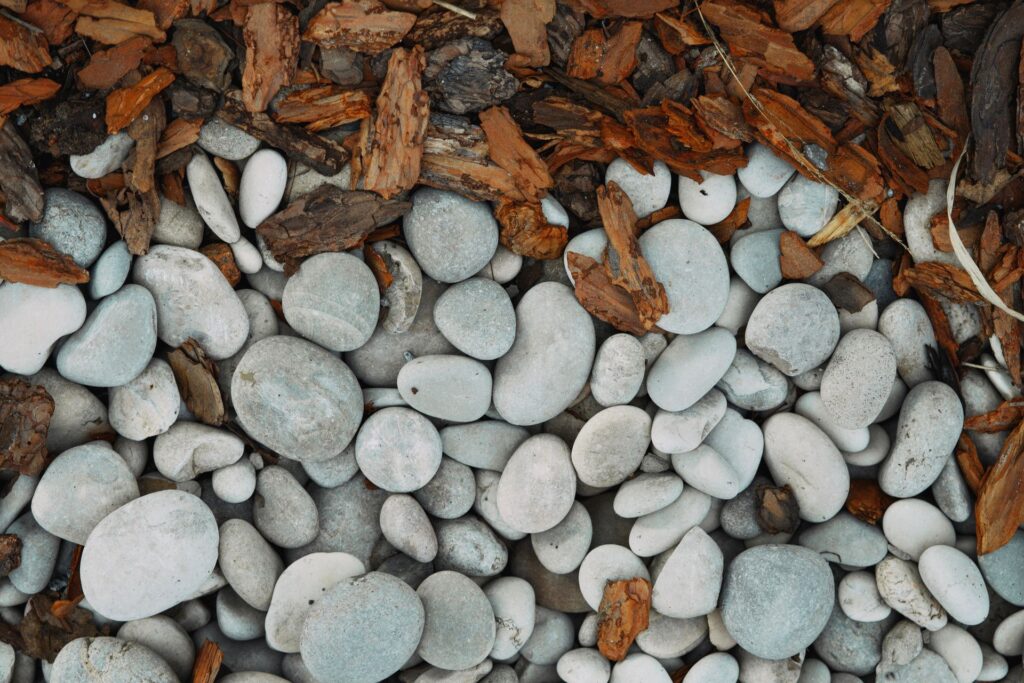
- River Rock: Most decorative, great for erosion control but expensive and uncomfortable to walk on
- Crushed Stone: Most durable, best for driveways, compacts well but not attractive or barefoot-friendly
Choosing the right type of rock for a garden, driveway, or landscaping project can feel overwhelming. There are so many options sitting in the yard supply store, and they all look a little different. Three of the most popular choices that homeowners and landscapers keep coming back to are pea gravel, river rock, and crushed stone.
Each one brings its own personality to a project — and each one has a list of strengths and weaknesses that are worth knowing before any money gets spent.
This article digs into all three materials in a way that goes beyond basic definitions. It draws on real-world experience — from garden pathways that turned muddy, to driveways that held up through harsh winters, to drainage projects that finally solved a backyard flooding problem. By the end, readers will have a clear picture of which material fits their specific situation best.
What Makes These Three Rocks So Different?
Before getting into detailed comparisons, it helps to understand what each of these materials actually is and how they are made.
Pea gravel gets its name from its size — roughly the size of a garden pea, usually between 3/8 inch and 1/2 inch in diameter. These small stones are naturally worn smooth over time by water. They come in a mix of colors including tan, brown, gray, white, and sometimes rust or rose. They feel soft underfoot and have a rounded, pleasant shape.
River rock is a broader category. These stones are also naturally smoothed by water, but they tend to be larger — ranging from 1 inch to as large as 5 inches or more depending on the supplier. River rocks have that iconic polished, oval look. They come in earthy tones of gray, white, tan, and sometimes black. They are often sold in decorative mixes or single-color lots.
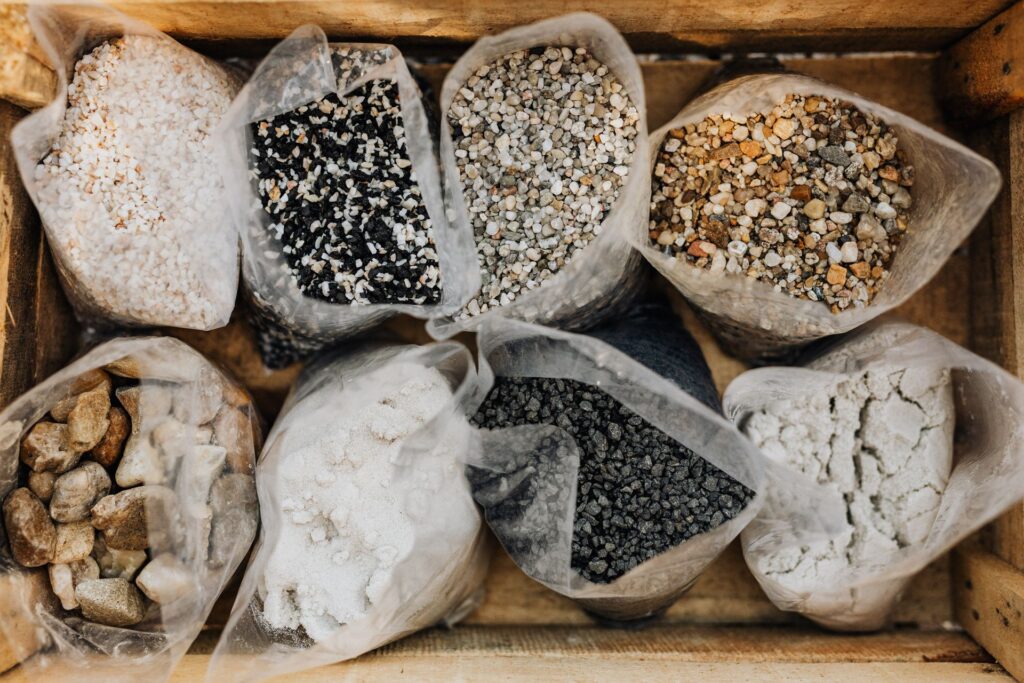
Crushed stone is a manufactured product. It is made by mechanically crushing larger rocks — usually limestone, granite, or trap rock — into smaller, angular pieces. Because of the crushing process, the edges are sharp and jagged rather than smooth.
Common sizes include #57 stone (about 3/4 inch), #411 (a mix of stone and dust), and #10 screenings (very fine, almost sand-like). This angular nature is what makes crushed stone behave so differently from the other two.
Pea Gravel: The Friendly, Versatile Choice
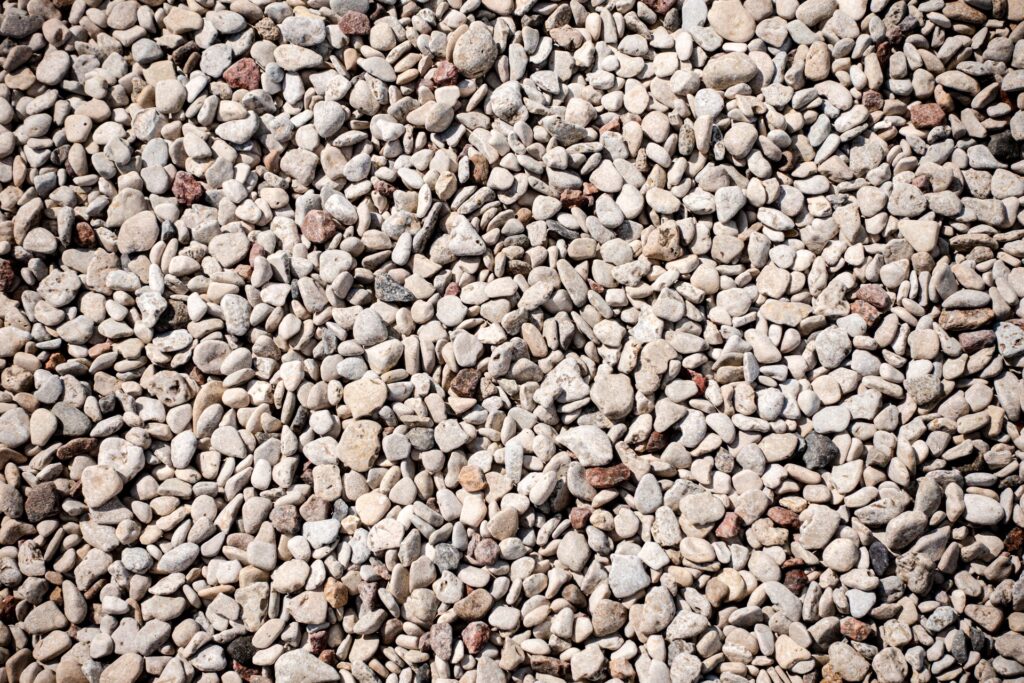
Many gardeners describe pea gravel as the most “livable” of the three options. It is easy to walk on, it looks warm and natural, and it works well in a variety of settings.
One homeowner in the Midwest used 2 tons of pea gravel to build a winding garden pathway through a backyard flower bed. She noted that the installation process was easy — no special equipment needed, just a rake and some elbow grease.
The pathway looked beautiful for the first season. However, she also discovered one of pea gravel’s biggest weaknesses: it tends to migrate. Foot traffic gradually pushed stones out of the path and into the surrounding flower beds. She found herself raking it back into place about once a month.
This is a common experience. Pea gravel shifts. Without a proper edging system — like plastic garden borders, metal landscape edging, or wood borders — it simply will not stay put. For areas with a lot of movement, this becomes a maintenance commitment rather than a one-time job.
On the positive side, pea gravel drains exceptionally well. Water passes through it quickly and easily, which makes it a smart choice for areas prone to pooling. It also does not absorb heat the way darker materials can, so barefoot walking is more comfortable in summer.
Cost-wise, pea gravel is one of the most affordable options. It typically runs between $25 and $45 per ton when purchased in bulk from a local supplier. For decorative bags at a home improvement store, the price goes up considerably.
Best Uses for Pea Gravel:
- Garden pathways and walkways
- Around playground equipment (cushioning impact)
- Ground cover under pergolas or patios
- Dog runs
- Drainage areas like French drains
- Around fire pits
River Rock: Nature’s Most Decorative Stone
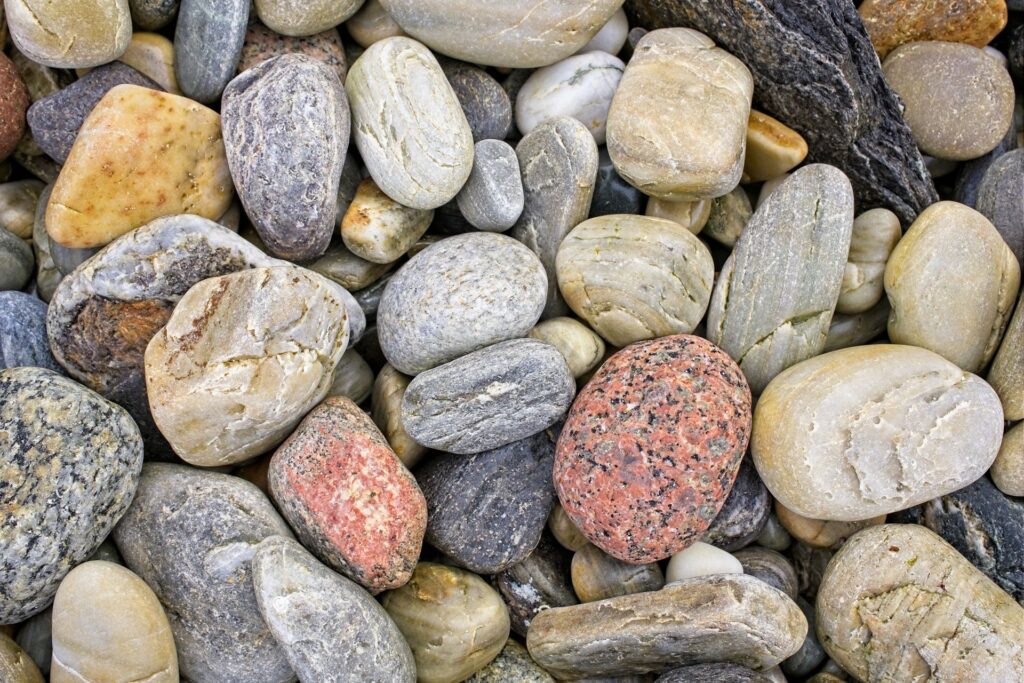
River rock is the showstopper of the three. It has a polished, finished look that works beautifully in decorative landscaping. Many professional landscapers reach for river rock when a project needs visual impact.
A landscape contractor in the Pacific Northwest used large river rocks — pieces ranging from 2 to 4 inches — to line the dry creek beds in a commercial property. The result looked like a natural stream running through the property even when it was completely dry. It handled seasonal rain runoff beautifully, directing water away from the building foundation without any erosion.
River rocks are heavy and stable. Unlike pea gravel, they do not shift as easily underfoot or under rain pressure. Larger pieces stay in place very well. This makes them excellent for erosion control along slopes, hillsides, and stream banks.
However, river rock comes with a few real drawbacks. The biggest one is walking comfort. Larger river rocks are uneven and irregular, making them awkward to walk on for extended distances. A path made of 3 to 5-inch river rocks feels more like navigating stepping stones than walking a smooth surface. Children and elderly family members especially may find this difficult.
River rock is also one of the more expensive options. Decorative river rock typically costs between $45 and $130 per ton depending on size, color, and how far it needs to be transported. Specialty colored river rock — like black polished stone or white Mexican pebbles — can cost even more.
Another issue worth mentioning is weed growth. River rocks, because they sit loosely and leave large air gaps, allow light and space for weeds to push through. A quality landscape fabric barrier underneath is essential to keep maintenance manageable over time.
Best Uses for River Rock:
- Decorative garden beds
- Dry creek beds and drainage channels
- Erosion control on slopes
- Pond and water feature surrounds
- Foundation borders around homes
- Accent borders in commercial landscaping
Crushed Stone: The Hardworking Foundation Material
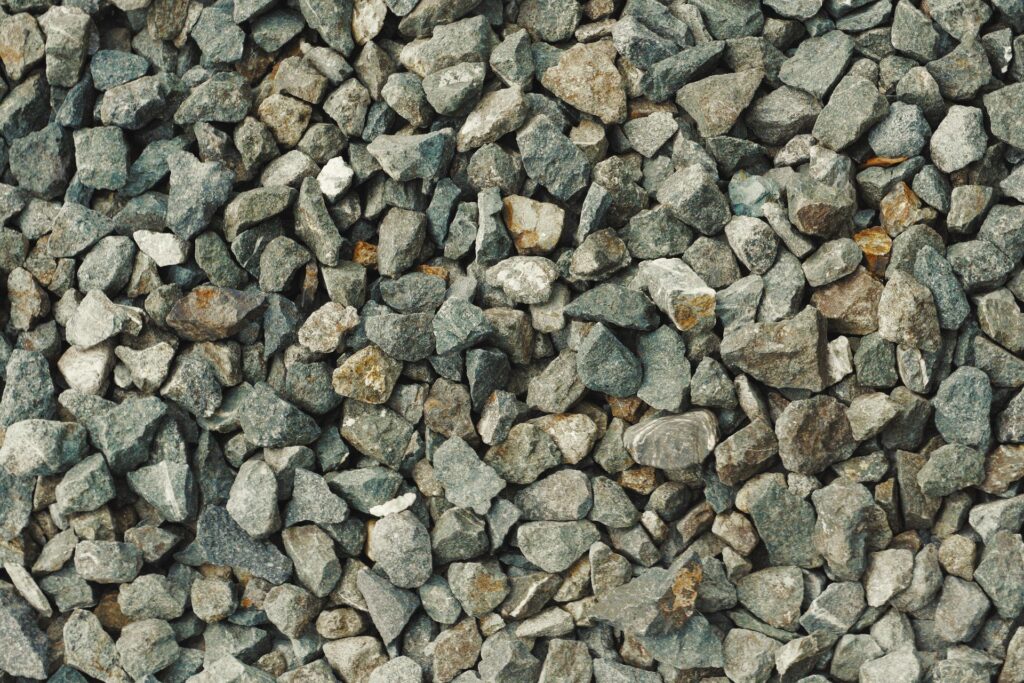
If pea gravel is the friendly neighbor and river rock is the artistic one, crushed stone is the dependable, no-nonsense workhorse of the trio. It may not be the most glamorous choice, but it handles heavy-duty jobs better than almost anything else.
The angular, jagged edges of crushed stone are its defining feature. When weight is applied — from vehicles, foot traffic, or time — those sharp edges lock together and compact into a firm, stable surface. This is called interlocking action, and it is why crushed stone is the go-to material for driveways, road bases, and construction projects.
A property owner in rural Tennessee put down 10 tons of #57 crushed limestone on a long gravel driveway. He noted that after a few rainstorms and some vehicle traffic, the surface compacted into a solid, firm path that barely shifted at all. Winter snowplowing did not tear it up the way a looser material would have. After three years, the driveway still looked and functioned nearly the same as day one.
This compaction behavior is also why crushed stone works so well as a base material. Before laying pavers, concrete, or even a new gravel surface, many contractors put down a layer of crushed stone as a stable foundation. It does not sink, it does not wash away easily, and it handles heavy loads.
Drainage is another strong point for crushed stone. Sizes like #57 stone have good void space between pieces, allowing water to drain through effectively. This makes it a solid choice for French drains, retention areas, and any wet zone in a yard.
The downsides? Comfort and aesthetics. Crushed stone is not pleasant to walk on barefoot. Those sharp edges are uncomfortable and potentially hazardous. It also looks more industrial than decorative, so it does not bring the same curb appeal that river rock or even pea gravel brings to a garden space.
Cost is generally in the middle. Expect to pay around $28 to $55 per ton for standard crushed limestone or granite. Specialty crushed stones, like decomposed granite, can run higher.
Best Uses for Crushed Stone:
- Gravel driveways
- Road base and sub-base for pavers
- French drains and drainage trenches
- Parking areas
- Septic system surrounds
- Heavy-traffic pathways
Drainage Performance: A Critical Factor Many People Overlook
One area where all three materials differ significantly is drainage performance — and this matters enormously for long-term satisfaction.
Pea gravel drains well because the small, uniform stones leave consistent gaps for water to pass through. It is a reliable choice in wet climates or around areas where water pooling is a concern.
River rock drains even faster because the larger stones leave larger gaps. A dry creek bed filled with river rock can handle significant volumes of water runoff quickly. However, fine sediment over time can fill in those gaps and reduce performance.
Crushed stone, when properly sized, drains very well too — especially in sizes like #57 or larger. Fine crushed stone mixes that include stone dust, like #411, actually drain poorly because the dust fills the voids. So the specific product matters a great deal when drainage is the goal.
For anyone planning a project involving drainage or calculating how much material is needed for a specific coverage area, using a rock estimator ahead of time saves both money and guesswork.
Comparing Driveways: Which Rock Holds Up Best?
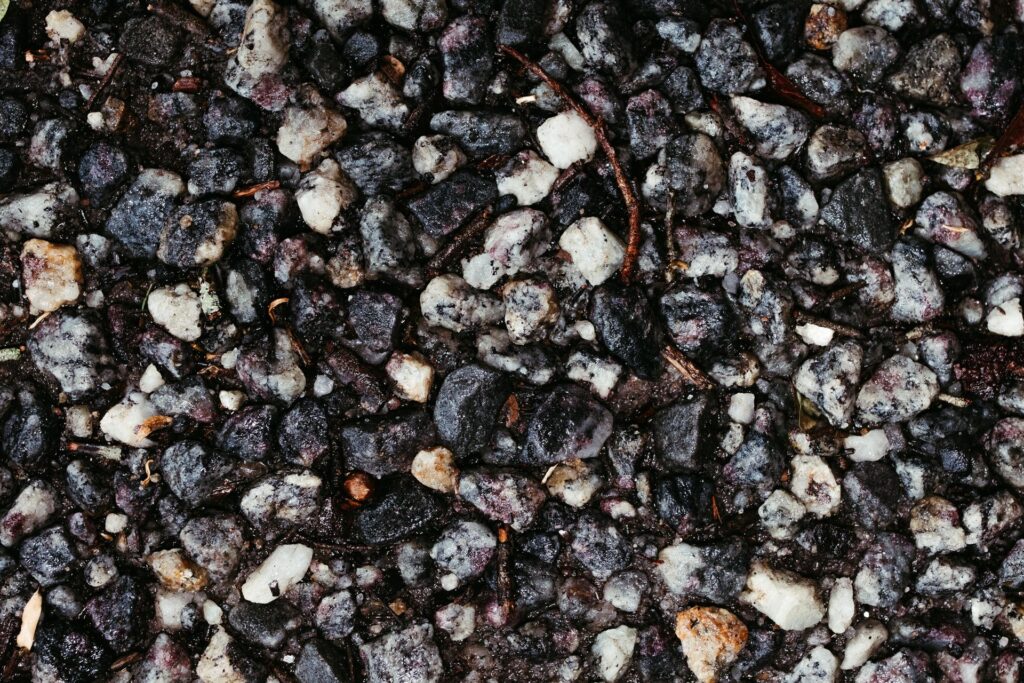
Driveways represent one of the most demanding applications for any gravel or stone product. Here is how each performs in that role.
Pea gravel driveways look attractive at first but become problematic quickly. Vehicles drive the stones to the sides of the driveway, leaving bare patches in the middle. Pedestrians track small stones onto the garage floor and into the house. Frequent topping up is required — sometimes every year or two.
River rock driveways are better than pea gravel in this regard. Larger stones shift less under vehicle tires. However, they are rarely the professional recommendation for a long driveway because they still do not compact. They can also damage vehicles if pieces get kicked up at high speed.
Crushed stone driveways are widely considered the best of the three for functional use. The angular pieces compact and interlock, creating a stable surface that holds its shape season after season. A properly installed crushed stone driveway can last 5 to 10 years with minimal maintenance — just an occasional top-up and regrading.
Landscaping Beds: Aesthetics vs. Function
In decorative garden beds, the priority shifts from function to appearance.
Pea gravel brings a clean, cottage-garden feel to beds. It works beautifully around roses, lavender, and other perennials. The neutral tones complement green foliage and colorful blooms.
River rock creates bold, dramatic statements. A mulch-free bed filled with smooth river rocks and ornamental grasses looks stunning in a contemporary or desert-inspired landscape. Black river rock under pale-stemmed plants is a popular design combination.
Crushed stone in light colors — like white crushed limestone — can also work well in beds, but the sharp texture feels less polished visually than river rock. Decomposed granite, a fine crushed material, is widely used in desert and southwestern-style landscaping with excellent results.
How Much Material Is Actually Needed?
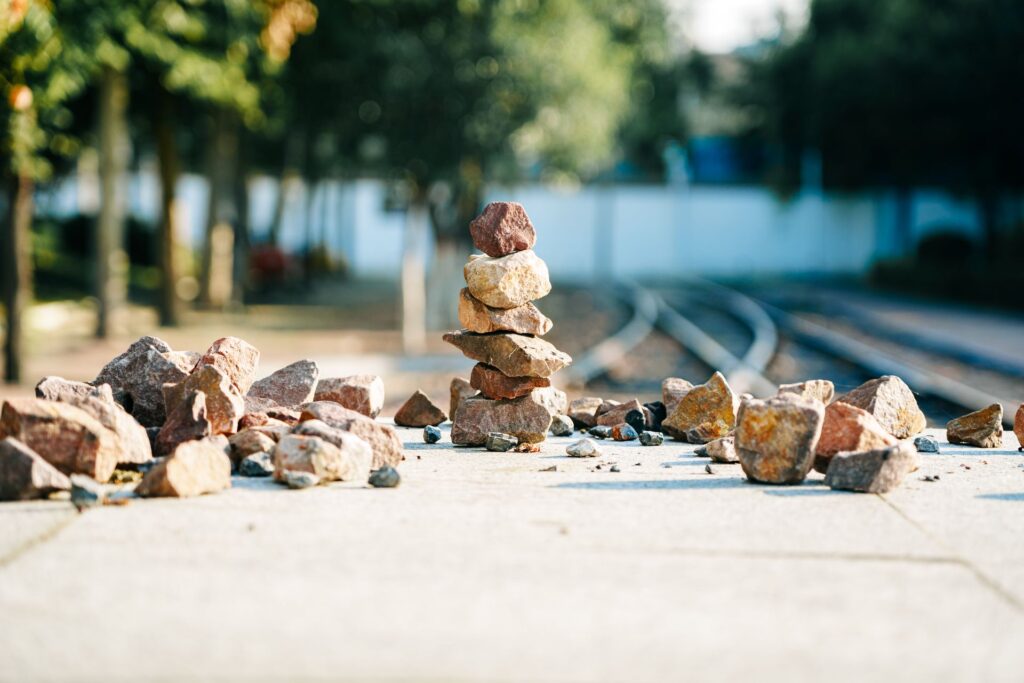
Getting the quantity wrong is one of the most common and costly mistakes in any landscaping project. Ordering too little means a second delivery fee. Ordering too much leaves a pile of unused stone that nobody knows what to do with.
A general rule of thumb: 1 ton of stone covers roughly 80 to 100 square feet at a 2-inch depth. Driveways often need 4 inches or more, while garden beds can work with 2 to 3 inches.
The easiest way to get an accurate number without doing the math manually is to use the Garden Rock Calculator — it handles the calculations instantly based on the dimensions of the project area and the desired depth.
Installation Tips From Real Experience
For pea gravel: Always install a firm edging system first. Metal landscape edging works best. Lay landscape fabric underneath to suppress weeds and prevent stones from sinking into the soil over time. Rake regularly to keep the surface even.
For river rock: Match the stone size to the application. Use smaller pieces (1 to 2 inches) in planting beds and larger pieces (3 to 5 inches) in dry creek beds and erosion-control zones. Landscape fabric is essential underneath. Press or seat larger stones slightly into the soil so they do not roll.
For crushed stone: Compact after installation using a plate compactor or tamper. Multiple thin layers compacted individually create a better result than one thick layer dumped and left. For driveways, start with a base layer of #21A or #411 (which includes fines for better compaction), then top with #57 stone for the final surface.
Maintenance: What Nobody Talks About Enough
Every type of stone requires some level of ongoing maintenance. Ignoring this reality leads to disappointment.
Pea gravel needs the most frequent attention. It migrates, gets tracked indoors, and is prone to weed pressure if landscape fabric shifts or degrades. Plan for annual raking and occasional topping up.
River rock is relatively low maintenance, but weeds can establish in the gaps if the area is not treated with pre-emergent herbicide each spring. Algae and moss can also develop on smooth stones in shaded, wet areas.
Crushed stone is arguably the lowest-maintenance of the three for functional applications like driveways. Light regrading with a rake every season keeps it looking tidy. It may need a fresh top coat of material after five to seven years of regular use.
Quick Comparison Summary
| Feature | Pea Gravel | River Rock | Crushed Stone |
|---|---|---|---|
| Texture | Smooth, rounded | Smooth, polished | Sharp, angular |
| Typical Size | 3/8 – 1/2 inch | 1 – 5+ inches | 3/4 – 1 inch |
| Drainage | Very good | Excellent | Good to excellent |
| Driveway Use | Poor | Fair | Excellent |
| Walkability | Very comfortable | Uncomfortable (large sizes) | Uncomfortable barefoot |
| Decorative Appeal | Good | Excellent | Moderate |
| Stability | Shifts easily | Moderate | Excellent (compacts) |
| Price Per Ton | $25–$45 | $45–$130 | $28–$55 |
| Maintenance Level | High | Low–Moderate | Low |
Final Verdict: Picking the Right Rock for the Right Job
There is no single “best” rock among these three. The right choice depends entirely on what the project needs to accomplish.
Choose pea gravel when the goal is a comfortable, visually warm surface for low-traffic areas like garden paths, patios, or under play equipment. It is budget-friendly and easy to work with — just be prepared to maintain it regularly.
Choose river rock when aesthetics and erosion control matter most. It is the most visually impressive of the three and handles drainage and slope work beautifully. The higher cost is justified in decorative settings where the look truly matters.
Choose crushed stone for any heavy-duty functional application — driveways, base layers, drainage systems, and high-traffic areas. Its locking, compacting behavior makes it the most durable and stable long-term choice.
Many experienced landscapers combine all three on the same property — using crushed stone for the driveway base, pea gravel for the garden path, and river rock in the decorative dry creek bed. There is nothing wrong with using each material where it performs best, and doing so tends to produce the most satisfying results overall.
The material matters. So does the quantity. Before ordering, take the time to measure the project area carefully and get a solid estimate in place — it makes the whole process smoother from start to finish.
FAQs
Which is better, pea gravel or crushed stone for a driveway?
Crushed stone is better for driveways because it compacts and locks together, creating a stable surface that lasts longer than pea gravel.
How deep should pea gravel be for a garden path?
A depth of 2 to 3 inches is ideal for garden paths to ensure proper coverage and prevent weeds from pushing through.
Does river rock help with drainage?
Yes, river rock drains excellently because the large stones leave big gaps for water to pass through quickly, making it perfect for dry creek beds and drainage channels.
How much does river rock cost compared to pea gravel?
River rock costs $45 to $130 per ton while pea gravel costs $25 to $45 per ton, making pea gravel the more budget-friendly option.
What is the lowest maintenance landscaping rock?
Crushed stone requires the least maintenance for functional areas like driveways, needing only light regrading every season and a fresh top coat every 5 to 7 years.