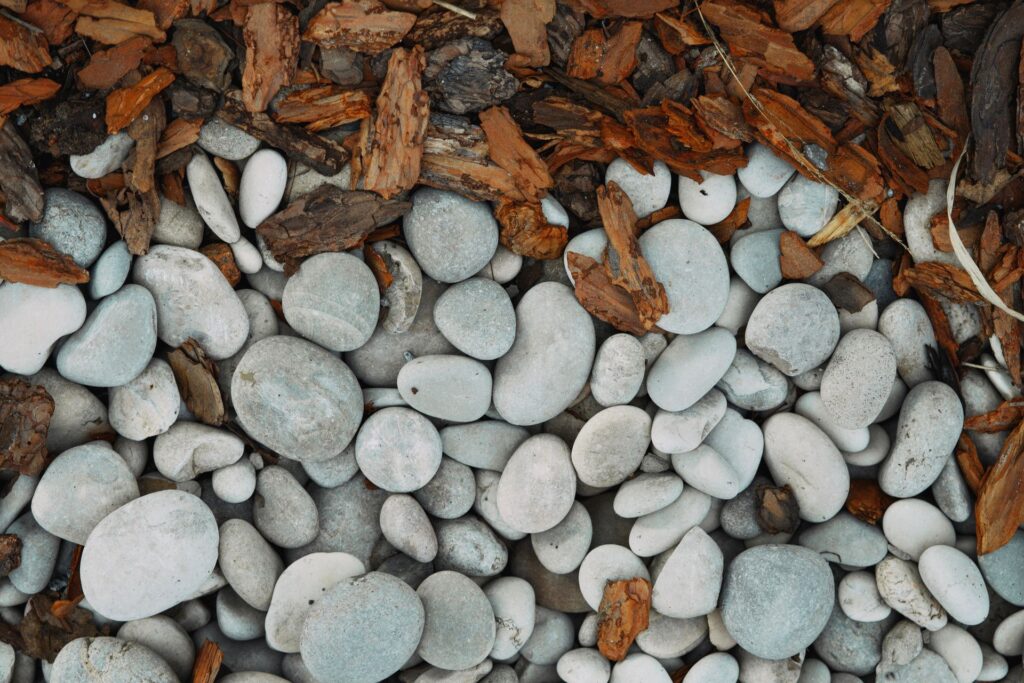
Neither is universally better — it depends on your goals:
- Choose Mulch if you want healthier soil, better moisture retention, and lush garden beds. Best for flower beds, trees, and cold/humid climates. Costs less upfront but needs replacing every 1–3 years.
- Choose Rock if you want a permanent, low-maintenance solution. Best for pathways, dry climates, and xeriscaping. Costs more upfront but lasts 10–30+ years.
The smartest move? Use both — mulch in planting areas, rock along paths and accent zones.
When a homeowner steps outside and stares at their garden beds, one question keeps coming back: What should I use to cover the soil? It sounds simple, but this decision shapes how the yard looks, how much work it takes each season, and how much money goes into upkeep year after year. Two of the most popular choices are mulch and rock, and each one comes with a completely different set of benefits, drawbacks, and ideal use cases.
This guide breaks down everything worth knowing about mulch vs rock for landscaping, including real-world experience from people who have tried both, key differences, cost comparisons, and a clear recommendation for different types of situations.
What Is Mulch, and Why Do Gardeners Love It?
Mulch is any material spread over the surface of the soil to protect and improve it. The most common types are organic mulches, which include shredded hardwood, bark chips, cedar, pine straw, and even straw or cocoa hulls. There are also inorganic mulches like rubber mulch and landscape fabric.
Organic mulch has one superpower that rock simply cannot match: it breaks down over time and feeds the soil. As it decomposes, it adds organic matter, nutrients, and beneficial microbial activity to the ground beneath it. Plants in mulched beds tend to grow with more vigor because the soil health improves each season.
Beyond soil health, mulch does several important things:
- It retains moisture. Studies show that a 2 to 4 inch layer of mulch can reduce soil moisture loss by up to 25 to 50 percent. That means less watering, lower water bills, and healthier plant roots during dry spells.
- It regulates soil temperature. Mulch acts as a natural insulator. In summer, it keeps the soil cooler. In winter, it helps protect roots from freezing temperatures.
- It suppresses weeds. A proper layer of mulch blocks sunlight from reaching weed seeds, significantly reducing the number of weeds that sprout.
- It prevents erosion. On slopes or in areas with heavy rain, mulch holds soil in place and slows runoff.
The downside? Organic mulch breaks down. Most wood-based mulches need to be replenished every 1 to 3 years, depending on the type and local climate. This adds an ongoing cost and labor requirement that some homeowners find frustrating over time.
What Is Rock Mulch, and Who Should Use It?
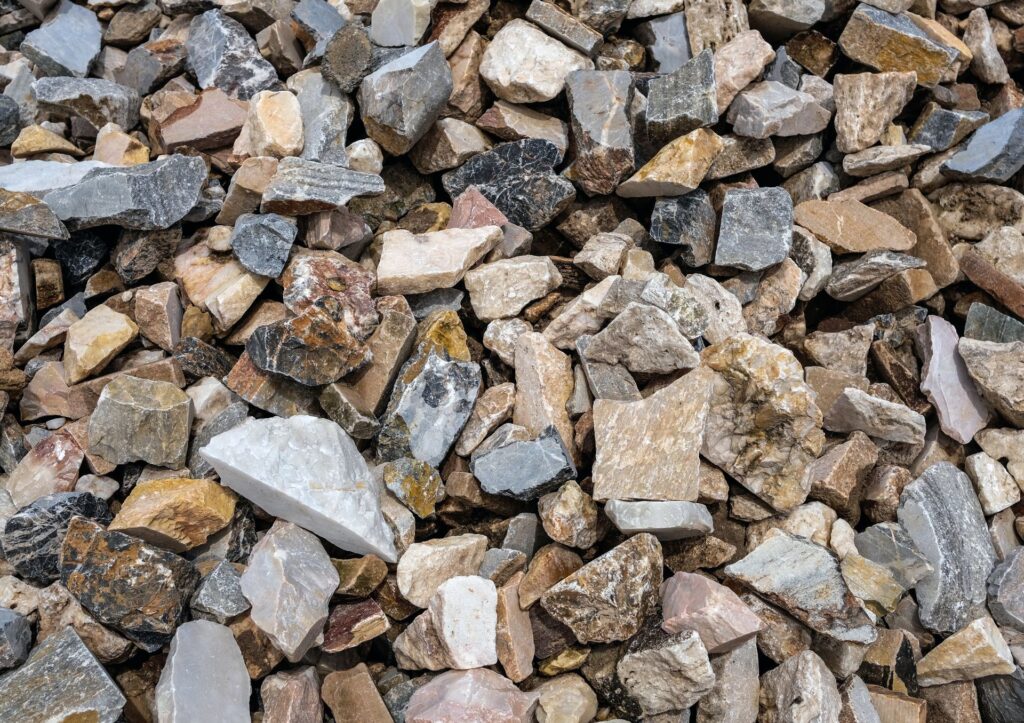
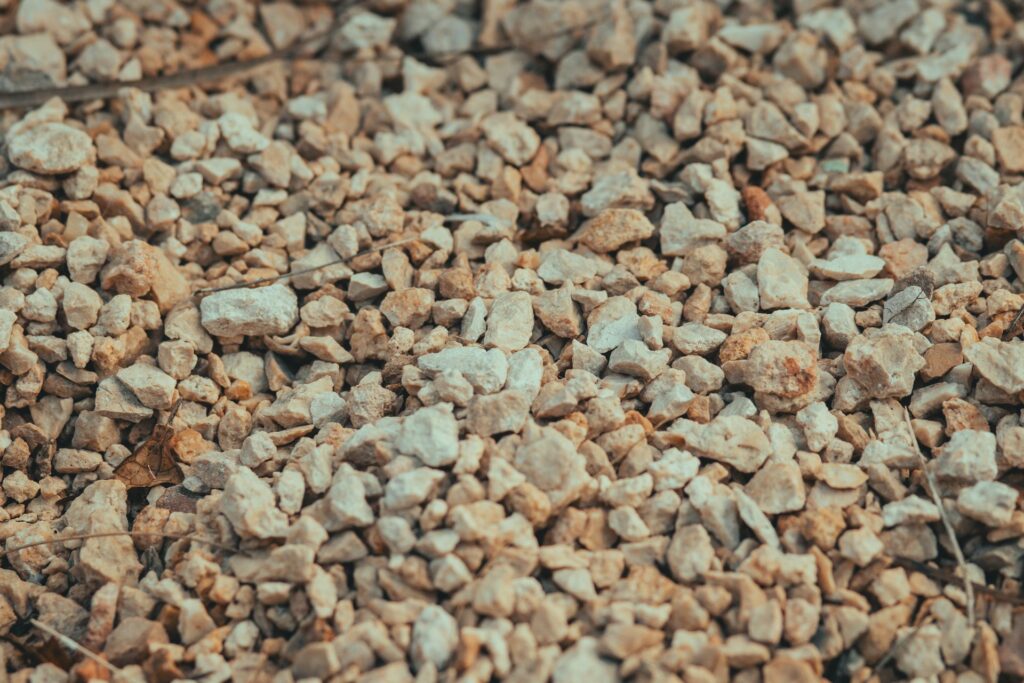
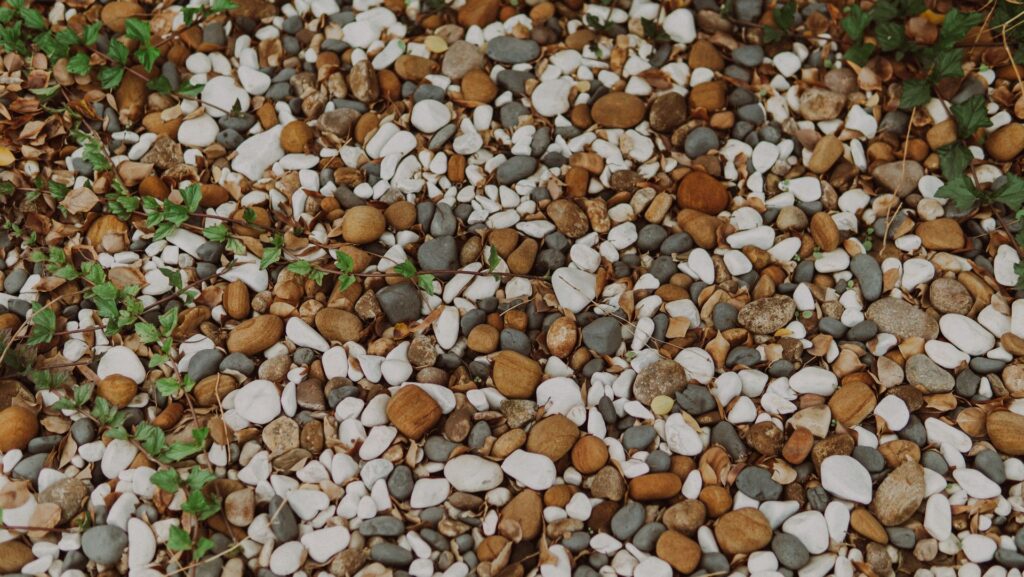
Rock mulch — which includes options like river rock, pea gravel, lava rock, and crushed stone — is a permanent, inorganic ground cover used in landscaping. It does not decompose, it does not need annual replacement, and it gives yards a very structured, tidy appearance that many people find appealing.
Homeowners in dry climates or desert regions often prefer rock because it suits xeriscaping (low-water landscaping) perfectly. Plants like succulents, ornamental grasses, and native desert plants thrive in rocky beds that drain quickly and stay warm.
Rock mulch is also popular for high-traffic areas, around driveways, along pathways, and in spaces where planting is minimal. Before choosing the right type, it helps to compare options — for example, understanding the differences between pea gravel, river rock, and crushed stone can make a significant difference in both appearance and performance for the finished landscape.
Here is what makes rock a strong choice:
- It lasts for decades. Unlike mulch, rock does not decompose. Once installed, a rock bed can look great for 10, 20, or even 30 years with minimal attention.
- It looks polished and permanent. Many homeowners and commercial properties prefer the clean, manicured look of stone over the rustic feel of wood chips.
- It does not attract pests. Organic mulch can sometimes become a home for termites, ants, and other insects. Rock eliminates that risk entirely.
- It handles rain and wind better. Heavy mulch can wash away in a strong storm. Rock stays put and handles weather more reliably.
But rock is not without flaws. It absorbs and radiates heat, which can stress plants in already hot climates. Unlike mulch, it does nothing to improve soil quality. Weeds still find ways to grow through rock (especially over time, as organic matter builds up between stones). And if a homeowner ever wants to change their landscaping, removing rock is a major, labor-intensive project.
Side-by-Side Comparison: Mulch vs Rock
| Feature | Mulch | Rock |
|---|---|---|
| Lifespan | 1–3 years | 10–30+ years |
| Cost (upfront) | Low to moderate | Moderate to high |
| Ongoing cost | Annual replenishment | Very low |
| Soil health | Improves over time | No benefit |
| Moisture retention | Excellent | Poor |
| Weed suppression | Good | Moderate |
| Heat absorption | Low | High |
| Appearance | Natural, earthy | Clean, structured |
| Pest risk | Slight (insects) | Very low |
| Ease of removal | Easy | Difficult |
The Cost Question: Which One Saves More Money Long-Term?
This is one of the most debated points between mulch and rock, and the answer depends on the time frame used.
Upfront, mulch is usually cheaper. A cubic yard of basic hardwood mulch typically costs between $30 and $80, depending on the type and region. Premium cedar or colored mulch runs a bit higher. Rock mulch, on the other hand, ranges from $50 to $200 or more per cubic yard depending on the stone type.
Over a 10-year period, however, rock often wins on total cost. Since mulch needs replacement every year or two, those costs add up quickly. A homeowner who spends $200 per year on mulch will spend $2,000 over 10 years — far more than a one-time rock installation.
When planning a rock landscaping project, knowing exactly how much material is needed is critical to avoid over-buying or under-buying. A Garden Rock Calculator makes this easy by allowing homeowners to input their bed dimensions and get an accurate material estimate before heading to the store or placing an order.
Getting the math right saves real money. People who eyeball rock quantities often end up either short (causing delays and extra delivery fees) or way over budget.
How Climate Affects the Decision
Climate plays a massive role in which material performs better, and experienced landscapers always consider the local environment before recommending one over the other.
Hot, Dry Climates
In places like Arizona, Nevada, New Mexico, and other Southwestern states, rock landscaping is often the dominant choice. The reasons are practical: native plants in these regions are adapted to rocky, fast-draining soil. Mulch in a hot, dry climate breaks down much faster due to intense sunlight and heat, requiring even more frequent replacement.
Rock also complements xeriscaping, which is the practice of designing landscapes to reduce or eliminate the need for supplemental water. Rock-covered beds naturally guide water toward plant roots without retaining excess moisture that could cause root rot in drought-adapted plants.
Humid, Rainy Climates
In places like the Pacific Northwest, the Southeast, or areas with significant seasonal rainfall, organic mulch tends to perform better. The moisture helps mulch decompose at a steady rate that actually enriches the soil rather than drying out too fast.
Humidity also means plants tend to be lush and water-hungry — these are exactly the conditions where mulch’s moisture-retention benefits shine. Wood chips and bark mulch help keep soil evenly moist, which is what most flowering plants, vegetables, and ornamental shrubs need to thrive.
Cold Climates
In northern states where frost, snow, and freeze-thaw cycles are common, mulch wins almost every time. A thick layer of organic mulch insulates plant roots from freezing temperatures in winter and helps the soil warm up faster in spring. Rock, which conducts and loses heat quickly, offers very little thermal protection during cold snaps.
Mulch vs Rock for Specific Landscaping Goals
For Flower Beds and Gardens
Mulch is the clear winner for traditional flower beds and vegetable gardens. The combination of moisture retention, temperature regulation, and soil improvement gives plants everything they need to grow well. Most professional gardeners recommend 2 to 3 inches of organic mulch around flowering plants and shrubs.
For Pathways and Walkways
Rock takes the lead here. Pea gravel and crushed stone are durable, comfortable to walk on, drain well, and give pathways a defined, structured look. Mulch on a pathway breaks down quickly under foot traffic and becomes a muddy mess after rain.
For Low-Maintenance Landscaping
This is where the answer depends on the homeowner’s priorities. If they hate weeding and watering, mulch wins early on because it suppresses weeds and reduces irrigation needs. But if they hate the idea of replanting mulch every year, rock wins long-term because it just sits there and stays looking good.
For Slopes and Erosion Control
Mulch with netting or erosion-control products works well on gentle slopes. However, on steeper grades, large decorative rock or riprap (rough-cut stone) is far more effective at stopping erosion and staying in place during heavy rain.
Around Trees
Mulch is almost always the better choice around trees. A donut-shaped ring of mulch (keeping mulch away from the actual trunk) helps retain moisture, keeps lawn mowers from damaging the bark, and improves the soil over time. Rock around trees can actually raise soil temperatures in a way that stresses shallow tree roots.
Common Mistakes People Make With Both Options
Mulch Mistakes
- Piling mulch too close to plant stems or tree trunks. This is called “volcano mulching” and it causes rot, disease, and pest problems. Always leave a 2 to 3 inch gap between mulch and stems.
- Applying too little. Less than 2 inches of mulch fails to suppress weeds effectively and dries out too fast.
- Choosing colored mulch for vegetable gardens. Some dyed mulches contain chemicals that are better suited for decorative beds than edible gardens. Always read the label.
Rock Mistakes
- Skipping landscape fabric. Without a barrier underneath, soil and organic matter slowly mix with the rock, creating a perfect environment for weeds. A quality landscape fabric or weed barrier beneath the rock makes a significant difference.
- Not accounting for drainage. Rock beds drain fast — which is great for some plants but terrible for others that need consistent moisture. Homeowners sometimes discover too late that their plants are struggling due to rapid water loss.
- Choosing the wrong size rock. Fine pea gravel tends to scatter onto lawns and driveways. Larger stones stay put better and look more polished. Matching rock size to the space and purpose matters more than most people realize.
What Experienced Landscapers Actually Recommend
After working with both materials across dozens of projects, many professional landscapers say the same thing: use both, but in different zones.
The winning strategy for many yards looks something like this:
- Organic mulch in garden beds, around trees, and in planting areas where soil improvement and moisture retention are top priorities.
- Decorative rock along pathways, near driveways, around mailboxes, and in focal areas where low maintenance and a polished look matter more than soil health.
This hybrid approach balances the strengths of each material and avoids the weaknesses. It also lets homeowners enjoy the visual contrast between lush green planting areas covered in rich mulch and clean stone accents that frame the yard.
Environmental Considerations
Organic mulch is the more environmentally friendly choice in most situations. It returns organic matter to the soil, supports beneficial soil organisms, and often comes from recycled wood or agricultural byproducts. Some municipalities even offer free or discounted wood chip mulch from tree-trimming operations.
Rock is a natural material, but quarrying and transporting it has an environmental footprint. On the positive side, rock never needs to be replaced and produces no ongoing carbon emissions from manufacturing or transportation the way repeatedly purchased mulch does.
Rubber mulch, made from recycled tires, sits in a middle ground — it lasts longer than organic mulch and keeps tires out of landfills, but it does not improve soil health and some gardeners have concerns about chemicals leaching from rubber over time.
How to Transition From One to the Other
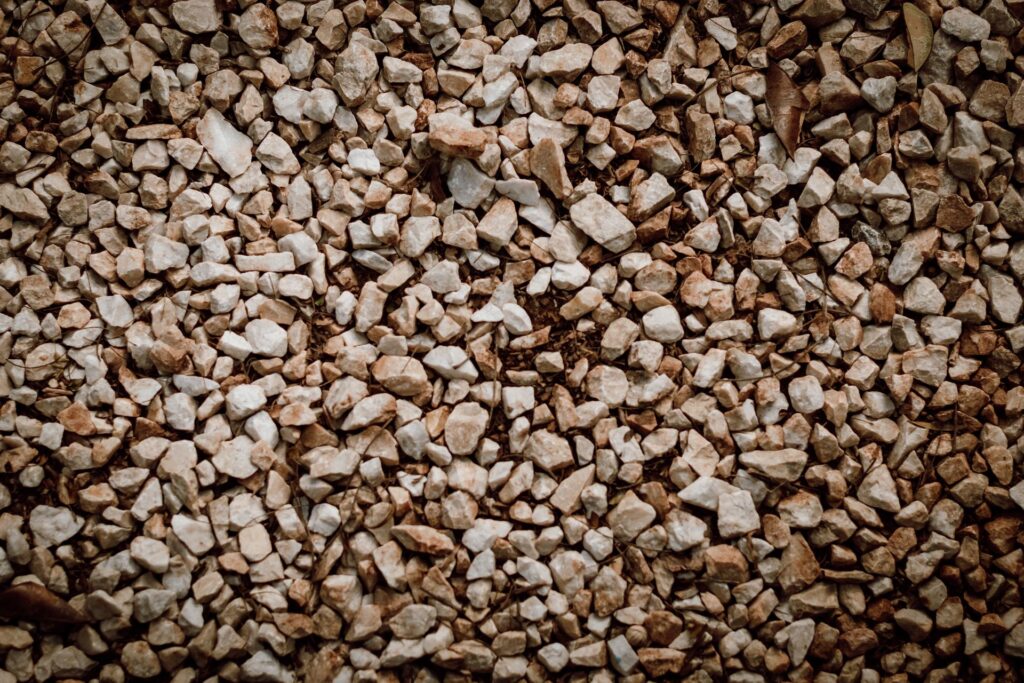
Sometimes a homeowner inherits a yard full of old, weed-choked rock and wants to switch to mulch — or the opposite. Knowing how to make that transition cleanly saves a lot of headaches.
Switching From Rock to Mulch
Removing rock is labor-intensive but very doable. The process involves raking the rock into piles, shoveling it into wheelbarrows or buckets, and disposing of or repurposing it. Old landscape fabric underneath usually needs to come out too, since it degrades over time and can become a tangled mess that interferes with new planting.
Once the rock and fabric are removed, the soil often needs some amendment work — adding compost or topsoil to restore what was lost during years of being covered by inorganic material. Then a fresh layer of mulch can go down, and the soil will begin recovering its health within one growing season.
Switching From Mulch to Rock
Going the other direction is somewhat easier, since mulch breaks down and there is usually less bulk to remove. The key step is installing quality landscape fabric before laying rock. Without it, the remaining organic matter in the soil mixes with the rock over time and creates a fertile layer for weeds — defeating the purpose of switching to rock in the first place.
Using a plate compactor or hand tamper after laying rock also helps settle the material and prevent shifting. This small extra step makes the finished surface look far more professional and stay in place through rain and foot traffic.
Summary
When it comes to landscaping ground cover, mulch and rock are the two most popular choices — and both have real strengths depending on the situation.
Mulch is an organic material that breaks down over time and actually improves soil health. It retains moisture, regulates soil temperature, suppresses weeds, and keeps plant roots healthy. It works best in garden beds, around trees, and in cold or humid climates. The downside is that it needs to be replaced every 1 to 3 years, which adds ongoing cost and effort.
Rock is a permanent, inorganic ground cover that lasts 10 to 30+ years with almost no maintenance. It looks clean and structured, handles weather well, and suits pathways, dry climates, and xeriscaping perfectly. However, it does nothing to improve soil quality, absorbs heat, and is very difficult to remove once installed.
On cost, mulch wins upfront at around $30 to $80 per cubic yard. Rock costs more initially at $50 to $200+ per cubic yard, but over a 10-year period, rock often saves more money since it never needs replacing.
Climate matters too. Hot and dry regions favor rock. Cold, humid, and rainy regions favor mulch. Around trees and flower beds, mulch almost always performs better.
The smartest landscaping strategy is to use both — mulch in planting zones where soil health matters, and rock along pathways, driveways, and accent areas where permanence and low maintenance are the priority. Getting the balance right between the two materials gives any yard a professional, polished look that holds up for years with minimal effort.
Final Verdict: Which One Is Better?
Here is the honest answer: neither mulch nor rock is universally better. The right choice depends entirely on the specific situation.
Choose Mulch If:
- The goal is healthy, productive garden beds and flower borders.
- The climate is humid, rainy, or cold.
- Improving soil health over time is a priority.
- A natural, organic aesthetic fits the yard’s style.
Choose Rock If:
- The landscape includes drought-tolerant or native plants.
- The climate is hot and dry.
- A permanent, low-maintenance ground cover is the goal.
- The area is a pathway, driveway border, or decorative zone.
- Long-term cost savings outweigh the higher upfront investment.
For most homeowners, the best landscaping plan uses both mulch and rock in complementary ways. Getting the quantities right before purchasing either material saves time, money, and frustration. A little planning up front — including using the right calculation tools for rock coverage — makes the entire project go more smoothly and produce a result that looks professional for years to come.
The yard tells a story, and whether that story is told with the earthy softness of cedar mulch or the crisp permanence of river rock, the most important thing is making an informed choice that fits the space, the plants, and the lifestyle of the person who tends it.
FAQs
Is it better to use mulch or rocks in garden beds?
Mulch is better for garden beds in most cases. It improves soil health over time, retains moisture, regulates temperature, and helps plants grow stronger. Rock does not feed the soil and can actually trap heat around plant roots. For flower beds, vegetable gardens, and areas with lush planting, organic mulch is the smarter choice.
Does rock or mulch last longer?
Rock lasts significantly longer. A quality rock installation can stay looking great for 10 to 30+ years with very little upkeep. Mulch, on the other hand, breaks down and needs to be replenished every 1 to 3 years depending on the type and climate. For long-term, low-maintenance landscaping, rock is the clear winner on lifespan.
Which is cheaper — mulch or rock for landscaping?
Mulch is cheaper upfront, typically costing $30 to $80 per cubic yard. Rock costs more initially at $50 to $200+ per cubic yard. However, over a 10-year period, rock often works out cheaper because it never needs replacing. Mulch replacement costs add up quickly over time, making rock the more budget-friendly choice in the long run.
Does rock landscaping prevent weeds better than mulch?
Both suppress weeds, but mulch actually performs better at blocking weed growth when applied at the correct 2 to 4 inch depth. Rock can suppress weeds initially, but over time organic matter builds up between the stones, creating the perfect environment for weeds to take root. Using quality landscape fabric beneath rock significantly improves weed control.
Can you put mulch over rocks in landscaping?
Technically yes, but it is not recommended. Mulch placed over rock breaks down and mixes with the stone, creating a muddy, weed-friendly layer that is difficult to clean up. If someone wants to switch from rock to mulch, the right approach is to fully remove the rock first, then amend the soil before laying fresh mulch. Taking that extra step gives much better results long term.