- Clay soil: compost wedges between particles, creates drainage channels, and stops hard waterlogged blocks
- Sandy soil: compost acts like a sponge, holding water and nutrients so they don’t wash away
- Aggregates: microbial “glues” bind particles together for crumbly, stable soil
- Aeration: more air pockets = healthier roots and fewer root diseases
- How much: 1–2 inches yearly, mixed into top 6–8 inches; new beds may need 3–4 inches
- Application: spread evenly, lightly work in (or top-dress for no-dig), avoid walking on beds after
- Signs it’s working: softer soil, faster drainage, better moisture retention, more earthworms
Anyone who has spent a weekend digging in their backyard knows that not all soil behaves the same way. Some soil crumbles nicely in the hand, while other soil turns into a hard brick the moment it dries out. The difference often comes down to one simple ingredient that gardeners have relied on for generations. That ingredient is compost, and once a person understands how it works underground, it becomes hard to garden without it.
This article walks through exactly what happens when compost meets soil, why it changes the way water moves through the ground, and how a gardener can use this knowledge to grow healthier plants with less effort.
What Soil Structure Really Means
Before talking about compost, it helps to understand what soil structure actually is. Soil structure refers to how individual particles of sand, silt, and clay group together to form larger clumps, often called aggregates or crumbs. The size, shape, and arrangement of these aggregates determine how easily air, water, and roots can move through the soil.
Good soil structure looks like a loose, crumbly mixture, almost like chocolate cake crumbs. Poor soil structure looks like either a single solid block (common in heavy clay) or loose, separate grains that fall apart with no cohesion (common in sandy soil). Neither extreme is ideal for plants.
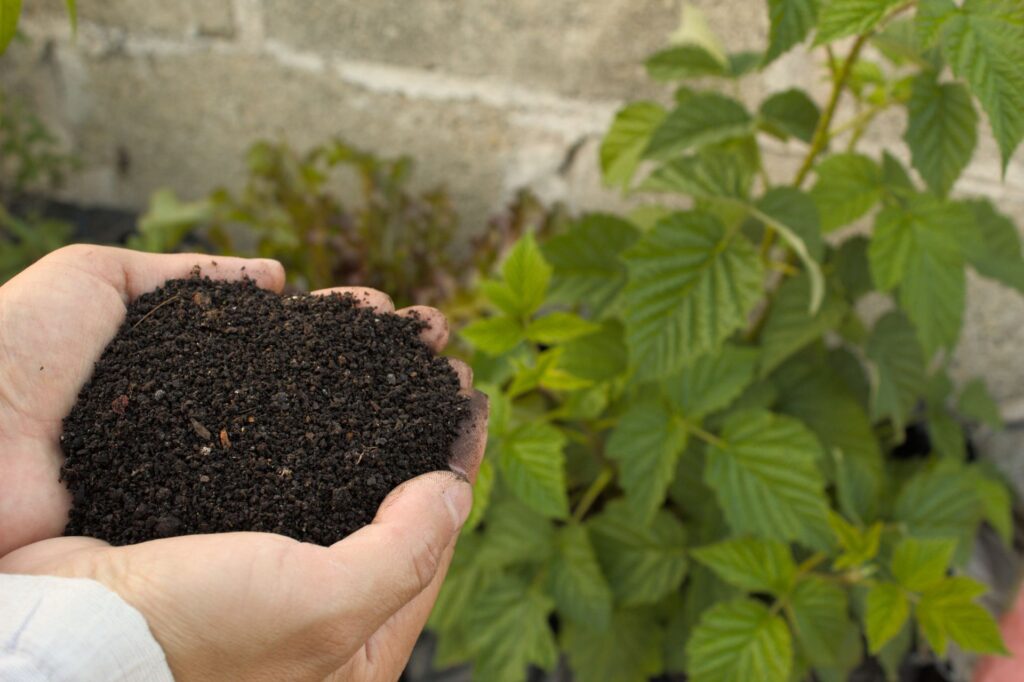
A gardener who picks up a handful of healthy soil should be able to feel that it holds together slightly when squeezed, but breaks apart easily when poked. That balance is the goal, and compost is one of the best tools for reaching it.
Why Soil Structure Matters for Plants
Plants do not just need nutrients. They also need a place for their roots to breathe, stretch, and access water. When soil structure is poor, several problems show up quickly:
In compacted clay soil, roots struggle to push through the dense particles. Water sits on the surface for hours after rain because it has nowhere to go. Oxygen gets trapped out, which suffocates roots and the beneficial microbes that live around them.
In loose sandy soil, the opposite problem occurs. Water drains through so fast that it carries nutrients away with it, a process often called leaching. Plants in sandy soil often look thirsty within a day or two of watering, even during cooler weather.
Compost addresses both of these issues at the same time, which is part of why it has such a strong reputation among experienced gardeners. It is rare for one single amendment to fix opposite problems, but compost manages to do exactly that.
The Science Behind Compost and Soil Aggregates
To understand how compost works its magic, it helps to look at what is actually inside a handful of finished compost. Good compost is full of decomposed organic matter, beneficial microorganisms, fungi, and tiny amounts of natural glues produced by these organisms as they break down plant material.
These natural glues, sometimes called humic substances, act like a binding agent. When compost is mixed into soil, these substances coat individual soil particles and help bind sand, silt, and clay together into stable aggregates. Over time, as soil microbes continue to work through the organic matter, more of these binding compounds are produced, and the soil structure keeps improving season after season.
This is different from synthetic soil conditioners, which often work for a short time and then wash away or break down without leaving anything behind. Compost, on the other hand, feeds the very organisms that build and maintain good structure, creating a system that improves itself the longer it is used.
How Compost Improves Drainage in Heavy Clay Soil
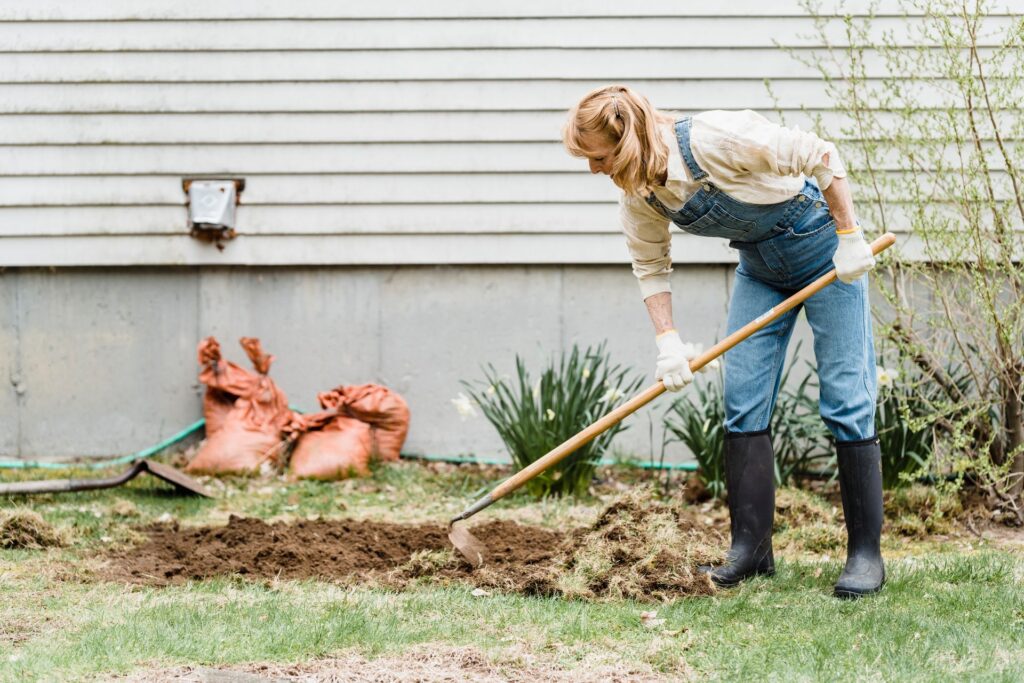
Clay soil is one of the most frustrating types of soil to garden in, but it is also one of the soils that benefits most dramatically from compost. Clay particles are extremely small and flat, almost like tiny plates stacked on top of each other. When these plates get wet, they swell and stick together, creating a dense, airless mass that water cannot easily pass through.
When compost is worked into clay soil, several things happen:
The organic matter physically wedges itself between clay particles, creating small gaps and channels. These gaps give water a path to move downward instead of pooling on the surface.
As earthworms and other soil creatures feed on the compost, they tunnel through the clay, creating natural drainage channels that stay open even after the worms move on.
The aggregates formed with the help of compost are more stable when wet, meaning they do not collapse back into a solid mass the way untreated clay often does after a heavy rain.
A gardener who has dealt with standing water in clay beds often notices a real difference within the first growing season after adding a generous layer of compost. The soil starts to feel lighter, water soaks in faster, and the surface no longer cracks into hard plates during dry spells.
How Compost Improves Water Retention in Sandy Soil
Sandy soil has the opposite problem from clay, but compost helps here too, just through a different mechanism. Sand particles are large and round, with big gaps between them. Water flows through these gaps quickly, often faster than plant roots can absorb it.
Compost added to sandy soil works like a sponge. The organic matter holds onto moisture and nutrients, slowly releasing them to plant roots over time instead of letting everything wash away immediately. This means a sandy garden bed amended with compost needs less frequent watering, and the water that is applied actually benefits the plants instead of disappearing into the ground below the root zone.
Many vegetable gardeners growing in sandy regions have found that adding compost regularly cuts their watering schedule significantly, sometimes by 30 percent or more during the hot months, simply because the soil holds moisture longer near the roots.
The Role of Compost in Soil Aeration
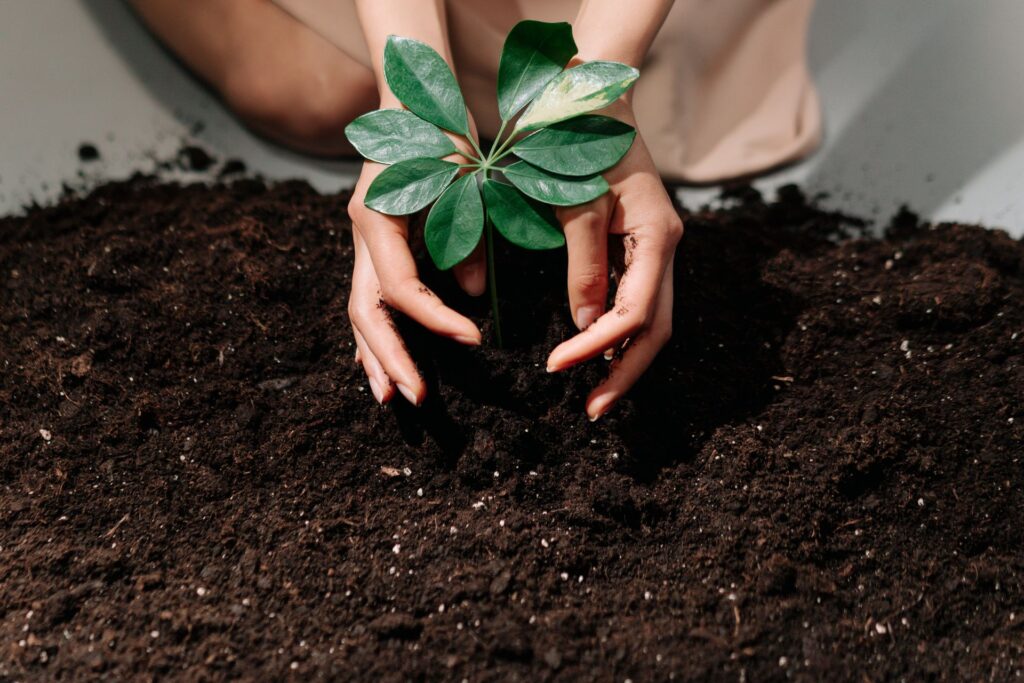
Aeration refers to how much air space exists within the soil, and it is closely tied to both structure and drainage. Roots need oxygen just as much as they need water, and so do the millions of beneficial bacteria, fungi, and other organisms that live in healthy soil.
When compost is added to soil, it creates a more porous environment. Tiny air pockets form between the organic particles and mineral particles, giving roots room to expand and giving oxygen a way to reach deeper layers of soil. This is part of why plants grown in compost-rich soil often develop stronger, more extensive root systems compared to plants grown in compacted or poorly aerated soil.
Better aeration also helps prevent root diseases that thrive in waterlogged, oxygen-poor conditions. Many common fungal root rots are far less likely to take hold in soil that drains well and has plenty of air space.
How Much Compost Should Be Added
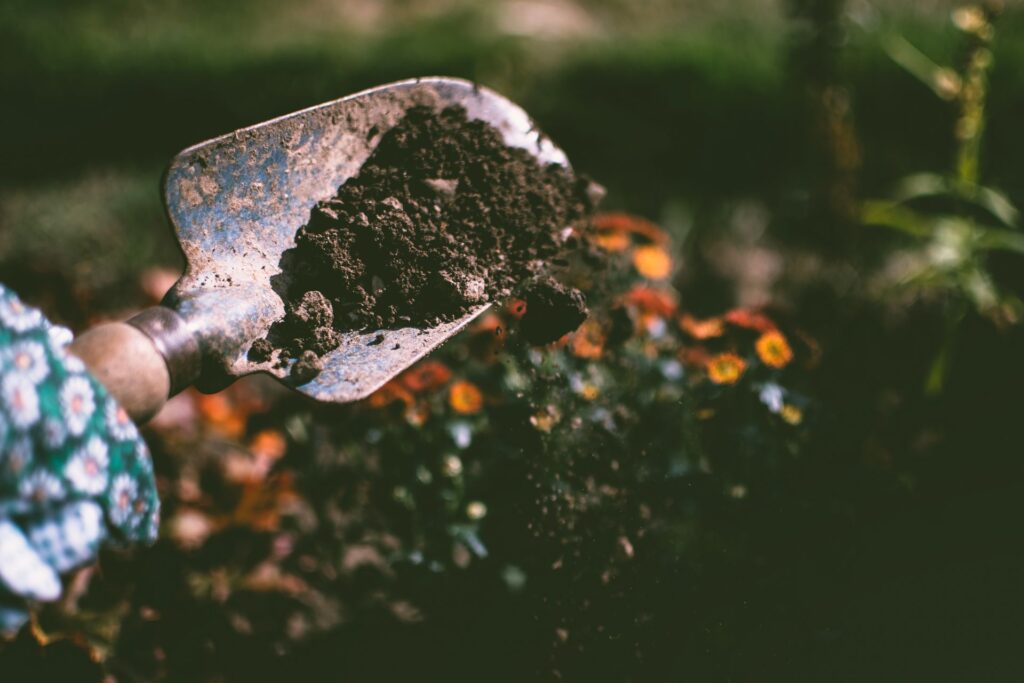
One question that comes up constantly is how much compost is actually needed to see these benefits. The answer depends on the existing soil condition, but there are some general guidelines that work well for most home gardens.
For an established garden bed, adding a layer of compost about 1 to 2 inches thick once or twice a year and working it into the top 6 to 8 inches of soil is usually enough to maintain good structure over time.
For a new bed being built from scratch, especially one starting with heavy clay or very sandy soil, a thicker layer of 3 to 4 inches mixed thoroughly into the existing soil gives the structure a strong head start.
For container gardens or raised beds, compost can make up anywhere from 20 to 30 percent of the total growing mix, blended with other materials like topsoil and a coarse material for drainage.
Getting the depth right matters more than many gardeners realize, since too little compost may not make a noticeable difference, while too much can sometimes throw off the balance of nutrients in the short term. Knowing the best compost depth for a particular soil type and garden goal takes a lot of the guesswork out of the process.
Layering Compost the Right Way
How compost is applied matters almost as much as how much is used. Simply dumping a pile of compost in one spot and walking away will not spread the benefits evenly through the bed.
The most effective approach involves spreading compost in an even layer across the entire surface of the bed, then gently working it into the top several inches of soil using a garden fork or tiller. For no-dig gardens, compost can simply be left on the surface as a top dressing, and earthworms and rain will gradually carry it down into the soil over time.
Around established plants, compost can be applied as a ring a few inches away from the stem or trunk, then lightly raked into the surface without disturbing the roots too much. This method works particularly well for perennial beds, shrubs, and fruit trees, where digging too close to the root zone can cause damage.
Compost and Long-Term Soil Health
One of the most underrated benefits of compost is how it builds soil health over multiple years, not just in a single season. Soil that receives regular compost applications tends to develop a thicker layer of dark, rich topsoil over time. This topsoil holds more water, supports more microbial life, and requires fewer synthetic fertilizers to keep plants healthy.
Gardeners who have used compost consistently for several years often describe their soil as feeling completely different from when they started. What was once hard, cracked clay or loose, dusty sand gradually transforms into soil that holds its shape when squeezed but breaks apart easily, drains well after rain, yet still feels moist a few days later. This transformation does not happen overnight, but it is one of the most rewarding parts of long-term gardening.
Choosing the Right Compost for Soil Improvement
Not all compost is created equal, and the source material can affect how quickly it improves soil structure. Compost made from a mix of materials, including kitchen scraps, yard waste, leaves, and grass clippings, tends to have a balanced texture that breaks down at different rates, providing both quick benefits and longer-lasting structural improvements.
Compost that is too fine, like some bagged products that have been processed heavily, can sometimes act more like a fertilizer than a structural amendment, breaking down quickly without leaving much behind for soil aggregation. On the other hand, compost with larger chunks of partially broken-down material, sometimes called chunky compost, can be especially good for improving drainage in heavy soils because the larger pieces create bigger air channels.
A mix of both fine and chunky compost often gives the best results, providing immediate nutrient benefits along with longer-term structural improvements as the larger pieces continue to break down over the following months.
Avoiding Common Mistakes with Compost
Even though compost is generally forgiving, there are a few mistakes that can reduce its effectiveness for soil structure and drainage.
Adding compost that is not fully finished, often called immature compost, can sometimes tie up nitrogen in the soil temporarily as the remaining microbes continue breaking down the material. This can show up as yellowing leaves on nearby plants for a short period. Letting compost finish curing for a few extra weeks before use usually solves this.
Using too much compost all at once, especially in container gardens, can lead to soil that retains too much water, which can cause root rot in plants that prefer drier conditions, such as many herbs and succulents. Balancing compost with other materials like coarse sand or perlite in these situations helps maintain good drainage.
Compacting the soil again after adding compost, such as by walking directly on garden beds, can undo much of the benefit. Using stepping stones or designated paths helps protect the improved structure.
Combining Compost with Other Soil Amendments
While compost does an excellent job on its own, it can be combined with other materials for specific soil challenges. For extremely heavy clay, adding coarse sand or fine gravel along with compost can further improve drainage, since the larger particles create additional air gaps that compost alone may not fully provide.
For very sandy soil that needs even more water retention, materials like coconut coir or aged manure can be used alongside compost to boost the soil’s ability to hold moisture without becoming waterlogged.
The key is to think of compost as the foundation of soil improvement, with other amendments used to fine-tune the results based on the specific soil and the specific plants being grown.
How to Know If Compost Is Working
It can take a little patience to notice the changes compost makes, but there are some clear signs that it is working as intended.
After adding compost, soil should start to feel softer and easier to dig within a few weeks, especially in clay soils that were previously hard and compacted. Water should soak into the soil more evenly after rain or watering, without large puddles forming on the surface or running off quickly without soaking in.
Digging a small hole a day or two after watering should reveal soil that is moist but not soggy, with a crumbly texture rather than a muddy, sticky one. Earthworm activity often increases noticeably, since worms are attracted to the organic matter in compost and help further improve soil structure as they move through it.
Plant roots dug up for inspection should appear healthier, with more fine root hairs spreading out into the surrounding soil, a sign that roots are finding it easier to grow and access water and nutrients.
Using Tools to Plan Compost Applications
For gardeners managing larger beds or multiple garden areas, figuring out exactly how much compost is needed can become a bit of a math puzzle, especially when trying to cover specific square footage at a specific depth. Rather than guessing and either running short or ordering far more than necessary, many gardeners find it helpful to use a Garden Compost Calculator to work out the right quantity based on bed size and desired depth. This kind of tool takes the guesswork out of planning, saving both time and money while making sure each bed gets the right amount for healthy soil structure.
Summary
- Soil structure basics: Good soil structure means particles clump into crumbly aggregates that allow air, water, and roots to move freely; poor structure is either a hard solid block (clay) or loose grains with no cohesion (sand)
- Why structure matters: Compacted clay traps water and oxygen, suffocating roots; sandy soil drains too fast and leaches nutrients away before plants can use them
- The science of compost: Decomposed organic matter contains humic substances that act as natural glues, binding sand, silt, and clay into stable aggregates; unlike synthetic conditioners, this effect builds up over time
- Fixing clay soil: Compost wedges between dense clay particles, creates air channels, attracts earthworms that tunnel through and improve drainage, and forms aggregates that stay stable even when wet
- Fixing sandy soil: Compost acts like a sponge, holding moisture and nutrients near roots; can cut watering needs by roughly 30 percent during hot months
- Aeration benefits: More air pockets in the soil mean stronger root systems and lower risk of waterlogged root diseases like root rot
- How much to add:
- Established beds: 1 to 2 inches, worked into the top 6 to 8 inches, once or twice a year
- New or problem beds (heavy clay/sand): 3 to 4 inches mixed thoroughly
- Containers/raised beds: 20 to 30 percent of the total mix
- Use the best compost depth guide for soil-specific recommendations
- Application methods: Spread evenly across the bed surface, then work into the top layer with a fork or tiller; for no-dig gardens, leave as a top dressing; around established plants, apply as a ring a few inches from the stem
- Long-term benefits: Repeated applications build a thicker, darker topsoil layer, increase microbial life, and reduce the need for synthetic fertilizers over multiple seasons
- Choosing compost: A mix of fine and “chunky” compost (with larger partially broken-down pieces) gives both quick nutrient benefits and longer-term structural improvement
- Common mistakes to avoid:
- Using immature compost can temporarily tie up nitrogen and yellow leaves
- Overusing compost in containers can cause waterlogging for plants like herbs and succulents
- Walking on treated beds re-compacts the soil and undoes progress
- Combining with other amendments: Add coarse sand/gravel to extreme clay for extra drainage; add coconut coir or aged manure to very sandy soil for extra moisture retention
- Signs compost is working: Softer, easier-to-dig soil within weeks; even water absorption with no pooling or fast runoff; crumbly (not muddy) texture after watering; increased earthworm activity; healthier roots with more fine root hairs
- Planning tool: Use a Garden Compost Calculator to figure out exact compost quantities needed based on bed size and depth, saving time and avoiding waste
Compost as a Long-Term Investment in Soil
Improving soil structure and drainage is not a one-time fix, but rather an ongoing process that pays off more and more over time. Each application of compost adds a little more organic matter, feeds a little more microbial life, and builds a little more stable structure in the soil.
Over several years, this consistent practice can transform even the most difficult clay or sandy soil into a growing medium that supports healthy, productive plants with far less effort than fighting against poor soil year after year.
For anyone just starting out, the best approach is simple: start with a reasonable layer of good quality compost, work it into the top portion of the soil, and observe how the soil responds over the following weeks and months.
Adjust the amount and frequency based on what the soil and plants seem to need, and over time, the garden will reward that effort with soil that drains well, holds moisture appropriately, and gives roots the space and air they need to thrive.
Compost is often called the gardener’s best friend for good reason. It is one of the few materials that can address opposite soil problems at the same time, building structure in heavy soils while improving water retention in light soils.
With a little planning, the right amount, and consistent application over time, compost can turn frustrating, difficult soil into the kind of rich, crumbly earth that makes gardening a real pleasure rather than a constant struggle.
FAQs
How long does it take for compost to improve soil structure?
Most gardeners notice softer, easier-to-dig soil within 2 to 4 weeks of mixing in compost, but full structural improvement, especially in heavy clay, usually takes one to two growing seasons of repeated applications.
Can you add too much compost to garden soil?
Yes. Adding more than about 30 percent compost to a planting mix, or piling it too thick in containers, can cause the soil to hold too much water, which leads to root rot in plants like herbs and succulents. Sticking to 1 to 2 inches worked into the top 6 to 8 inches is usually enough for established beds.
Does compost help with clay soil drainage?
Yes, compost is one of the best fixes for clay. It wedges between dense clay particles, creates small air channels, and encourages earthworm activity, all of which help water move through the soil instead of pooling on top.
How often should compost be added to a garden bed?
For most beds, applying compost once or twice a year, ideally in spring and fall, is enough to maintain good structure and drainage over the long term.
Is homemade compost as good as store-bought for soil structure?
Yes, often better. Homemade compost made from a mix of kitchen scraps, leaves, and grass clippings tends to have a good balance of fine and chunky material, which helps with both quick nutrient release and longer-term soil aggregation, sometimes more than heavily processed bagged compost.