- Filling the bed with plain garden soil — it compacts and suffocates roots
- Skimping on soil volume — underfilling stunts root growth
- Ignoring bed depth when planning — wrong depth limits what crops you can grow
- Using too much or too little compost — both extremes cause problems
- Not refreshing soil between seasons — depleted soil means worse harvests each year
- Choosing low-quality or contaminated soil — brings weeds, debris, and toxins
- Forgetting drainage — standing water causes root rot
Starting a raised bed garden feels exciting. There is something deeply satisfying about building a neat wooden frame, filling it up, and imagining all the fresh vegetables and flowers that will grow there. But here is the truth that many beginners learn the hard way — the soil inside that bed can either make the whole project a massive success or turn it into a frustrating failure.
This article walks through the most common raised bed soil mistakes beginners make, explains why they happen, and shares practical fixes that actually work. Whether someone is setting up their very first bed or trying to rescue an existing one that never quite performed the way they hoped, this guide will help get things back on track.
1. Filling the Bed With Plain Garden Soil
This is probably the most common mistake beginners make, and it is completely understandable. Garden soil is what people see outside. It looks dark and earthy, so it feels like the logical choice to scoop it up and dump it into a raised bed.
The problem is that native garden soil is designed to function in the ground — where it has a massive volume of earth below it to drain into and a huge ecosystem of organisms working through it. When that same soil gets packed into a confined raised bed, things go wrong quickly.
It compacts under its own weight, especially after a few waterings. Roots struggle to push through it. Water sits on top instead of draining through. Oxygen cannot reach the root zone, and plants slowly suffocate.
There is also the issue of what native soil might bring with it. Weed seeds, fungal spores, soil-borne pests, and compaction problems from years of foot traffic all come along for the ride. Even soil from a well-maintained garden can introduce problems into a fresh raised bed.
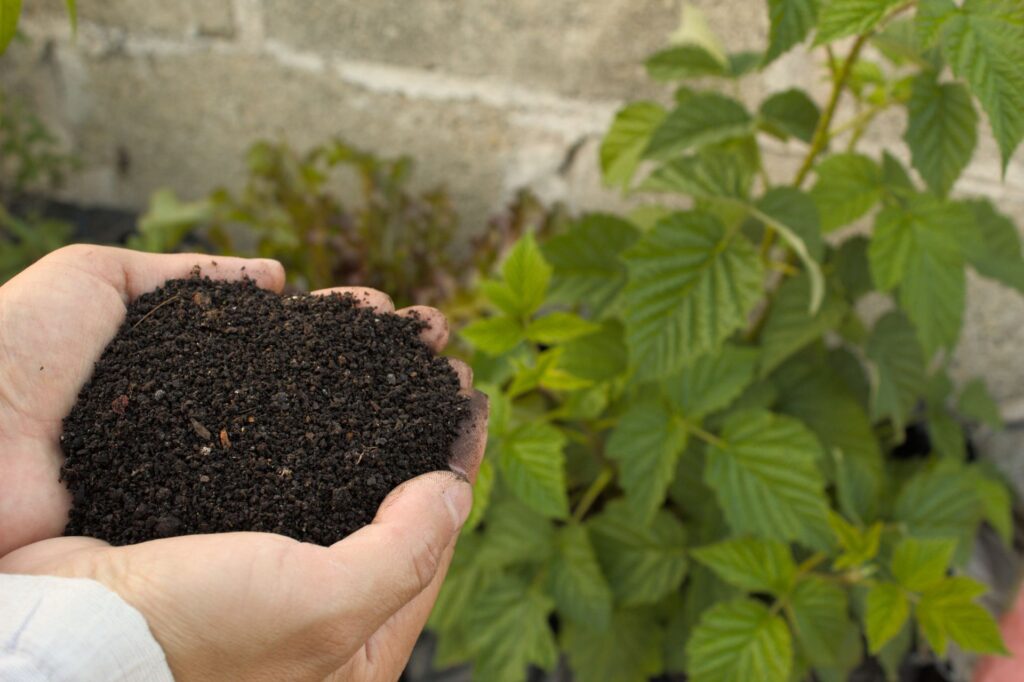
The better approach is to use a blended mix specifically designed for raised beds. A popular formula called Mel’s Mix from the Square Foot Gardening method combines one-third compost, one-third peat moss or coco coir, and one-third coarse vermiculite.
This blend stays loose, drains well, and feeds plants at the same time. It is lightweight and does not compact the way native soil does. Many garden centers also sell pre-blended raised bed mixes that work very well right out of the bag, as long as the ingredient list is checked for quality components.
2. Skimping on Soil Volume
Many beginners underestimate just how much soil a raised bed actually needs. They fill the bed halfway, or they leave a big gap at the top thinking plants will still do fine. Then they wonder why their root vegetables are stunted or why their tomatoes seem to hit a wall at a certain size.
Roots need room. A shallow soil depth limits root development, which directly limits how large and productive a plant can grow. For most vegetables, a minimum depth of 12 inches of quality soil is needed. For deeper-rooted crops like carrots, parsnips, or tomatoes, 18 to 24 inches gives much better results.
One thing that helps is calculating the exact volume needed before purchasing materials. Many beginners just guess, and they either buy too much or run short and end up with a partially filled bed. Using a reliable soil calculator takes the guesswork out of it completely. Knowing the exact cubic feet or yards needed saves money and prevents the common problem of underfilling.
3. Ignoring Bed Depth When Planning
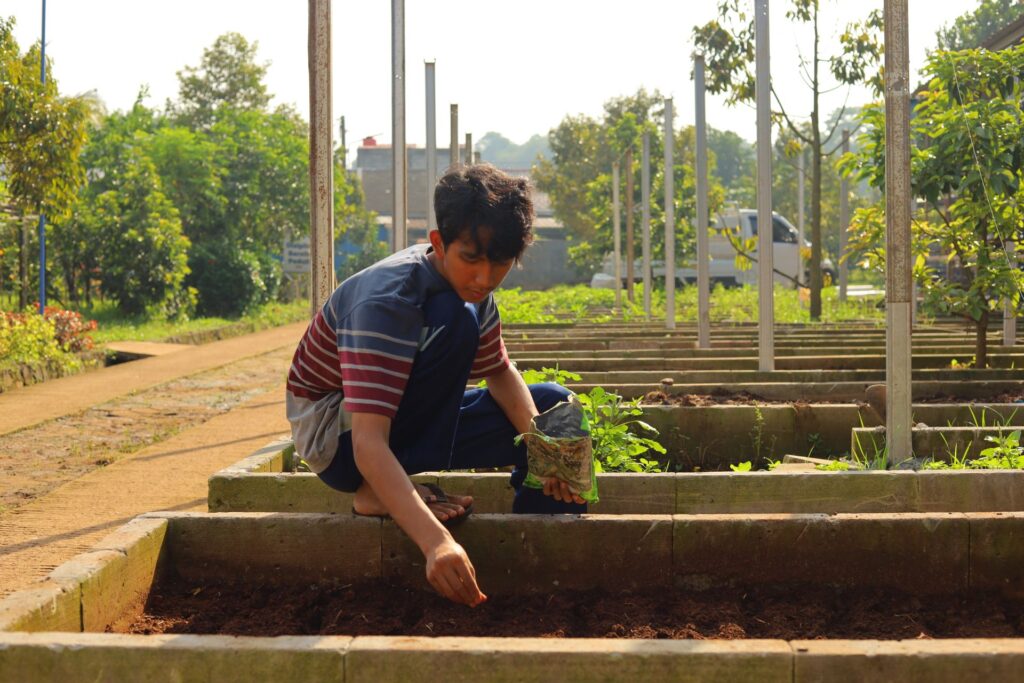
Connected to the soil volume issue is the mistake of not thinking about bed depth before building. A lot of beginners build or buy raised beds that are only 6 inches deep because those frames are cheaper and easier to build. Then they fill them with good soil and still wonder why shallow-rooted crops struggle.
The depth of a raised bed is one of the most important decisions in the whole setup. Different crops have genuinely different needs. Lettuce and herbs can get by in a shallower bed. Carrots need at least 12 inches. Tomatoes and squash want 18 to 24 inches of depth to really perform.
Getting the depth right from the beginning makes everything easier downstream. For anyone still planning or building their bed, it is worth reading about bed depth before purchasing materials — it is one of those decisions that is hard to undo once the bed is built and filled.
4. Using Too Much or Too Little Compost
Compost is the lifeblood of a healthy raised bed. It feeds soil microbes, improves drainage, provides slow-release nutrients, and helps maintain the loose texture that plant roots love. But beginners often get the amount wrong in both directions.
Some go too light on compost, filling their bed mostly with topsoil or a cheap filler mix and adding just a thin layer of compost on top. This gives plants a brief nutrient boost, but the soil structure underneath still compacts and the nutrition runs out quickly.
Others go too heavy, filling their entire bed 100% with compost. This sounds like it should be amazing, but pure compost actually causes problems. It is too rich in nitrogen, which encourages leafy growth at the expense of fruit and root development. It can also dry out quickly or, counterintuitively, hold too much moisture depending on the type. Pure compost can also harbor harmful pathogens if it was not fully matured.
A good rule of thumb is to make compost 25% to 33% of the total soil mix. This gives all the benefits without the downsides of over-application.
5. Not Refreshing Soil Between Seasons

Raised bed soil does not last forever. Every growing season, plants pull nutrients out of the soil. Organic matter breaks down and gets consumed by microbes. The soil level actually drops noticeably — sometimes 2 to 4 inches — between early spring and the following year. Many beginners do not realize this is happening and then plant into depleted, compacted soil the following year, wondering why results are worse than the first season.
Refreshing the soil between seasons is a simple habit that makes a huge difference. Before each new growing season, it helps to top up the bed with 2 to 3 inches of fresh compost, mix it lightly into the top layer, and let the bed rest for a week or two before planting. Adding a balanced organic fertilizer or some aged manure at this stage builds the nutrient bank back up.
Some gardeners also practice “lasagna layering” in the fall — adding layers of leaves, compost, and other organic material to break down over winter. By spring, the bed is renewed and ready without much extra work.
6. Choosing Low-Quality or Contaminated Soil
Not all soil blends are created equal. The market is full of cheap bulk soil mixes that look fine on the surface but are actually full of weed seeds, construction debris, or have not been properly composted. Beginners sometimes buy the cheapest available option and then spend the entire season fighting weeds or dealing with soil that does not drain or hold nutrients properly.
Some contaminated soils contain heavy metals or chemical residues, especially if they come from questionable sources like recycled construction fill. This is particularly concerning when growing edible plants.
When buying soil or compost, it is worth asking where it came from and how it was processed. Reputable suppliers can provide this information. For bagged products, looking for mixes that specify ingredients — things like compost, perlite, peat moss, or coco coir — is a good sign. Vague labels that just say “garden soil” without specifics are a red flag.
7. Forgetting Drainage
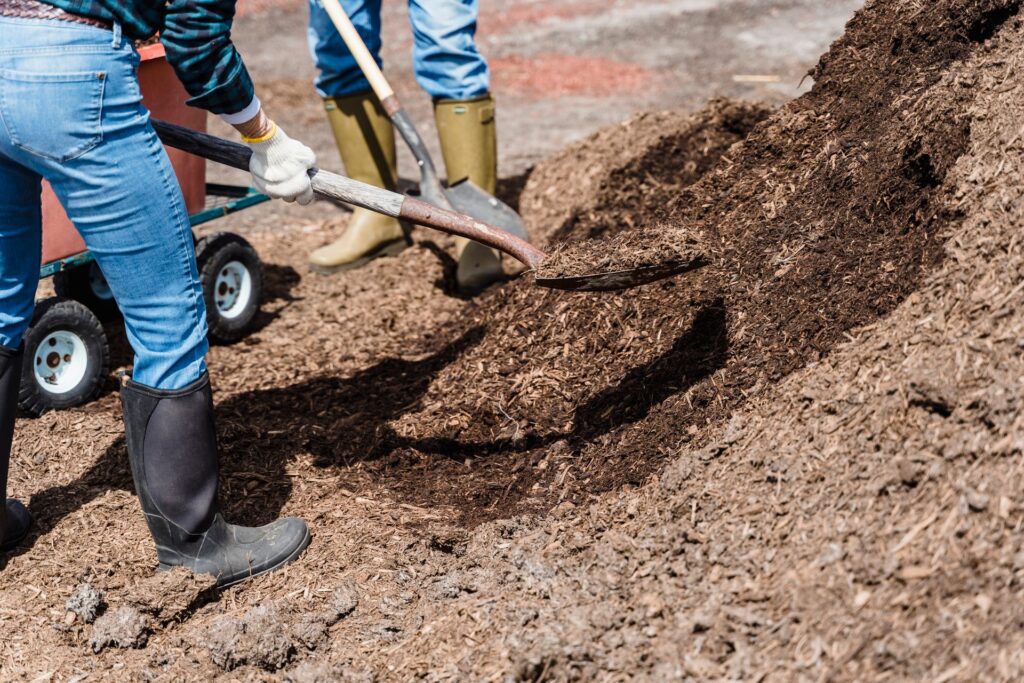
A raised bed has a natural drainage advantage over in-ground planting, but beginners sometimes undermine this by placing beds on impermeable surfaces without accounting for drainage, or by choosing soil mixes that hold too much moisture.
When a raised bed sits on solid concrete or pavers with no drainage holes or gaps, water can pool at the bottom of the bed. Roots sitting in standing water develop root rot quickly. Even with good soil up top, the bottom layer becomes anaerobic and toxic to roots.
If a bed is placed on a hard surface, leaving a small gap between the bed frame and the surface, or drilling drainage holes in a solid bottom, solves the problem. Soil mix matters here too — adding perlite or coarse sand to the blend improves drainage noticeably. A mix that drains well but still holds enough moisture for plants is the goal.
8. Not Testing or Adjusting pH
Soil pH controls how well plants can access nutrients. Even if the soil is full of nutrients, plants cannot absorb them if the pH is wrong. Most vegetables prefer a slightly acidic to neutral pH, somewhere between 6.0 and 7.0. When pH drifts outside this range, plants show signs of nutrient deficiency even in rich soil.
Beginners often skip pH testing entirely. They invest in great soil, plant healthy seedlings, and then watch leaves turn yellow or plants stop growing — without realizing the issue is pH, not a lack of nutrients. Yellowing between the leaf veins, for instance, is a classic sign of iron deficiency caused by soil that is too alkaline. The iron is there in the soil — the plant just cannot access it.
A simple soil pH test kit costs very little and takes only a few minutes. If pH is too low (too acidic), adding garden lime raises it. If it is too high (too alkaline), elemental sulfur or acidic compost brings it down. Testing once per season and adjusting as needed is a small habit with a big payoff. Some crops, like blueberries, need a much more acidic pH around 4.5 to 5.5, so knowing what is being grown helps determine what pH range to aim for.
9. Ignoring Soil Biology
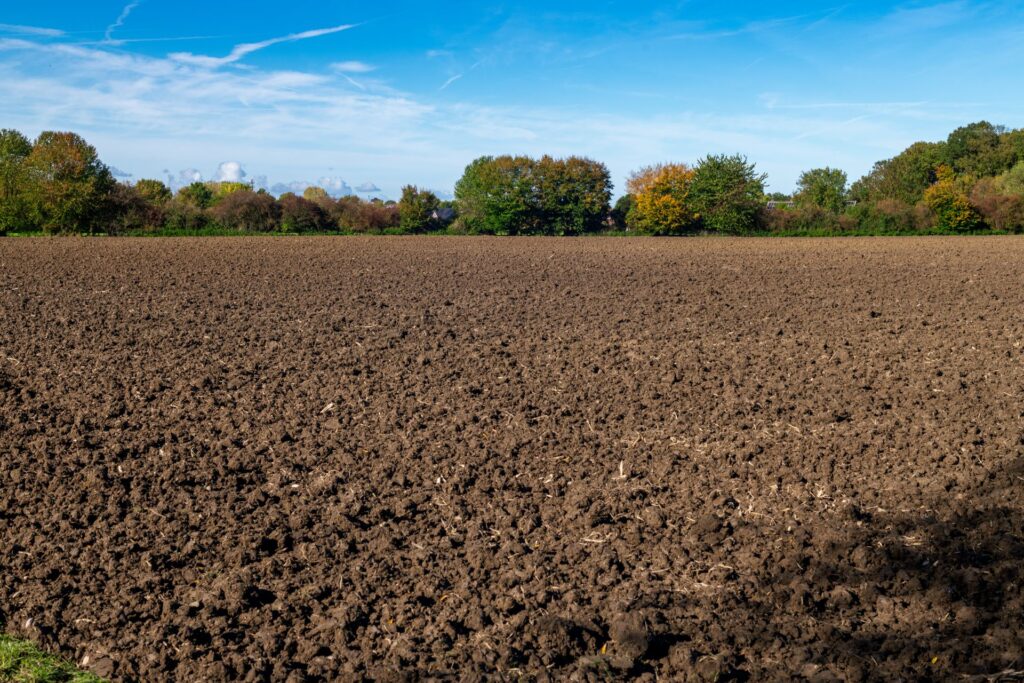
This is one of the more advanced mistakes, but it is worth understanding even for beginners. Soil is not just a growing medium — it is a living ecosystem. Billions of bacteria, fungi, nematodes, and other organisms live in healthy soil and do critical work: breaking down organic matter, cycling nutrients into forms plants can use, fighting off disease, and even communicating with plant roots through fungal networks.
Many beginners treat their raised bed soil as a static resource. They fill it once, maybe add some fertilizer, and expect it to keep performing. But without feeding the biology in the soil, that living ecosystem slowly collapses. Overuse of synthetic fertilizers, frequent tilling, and letting the soil dry out completely between waterings all damage the microbial community.
The fix is simple and mostly involves doing less, not more. Avoiding synthetic fertilizers in favor of organic amendments like compost, worm castings, and fish emulsion feeds the soil biology rather than bypassing it. Keeping the soil surface covered with mulch maintains moisture and temperature that microbes need to thrive.
Minimizing disturbance — not digging more than necessary — protects the fungal networks that took time to establish. A biologically active soil is a self-feeding system, and it makes gardening significantly easier over time.
10. Mixing Incompatible Materials
Some beginners try to save money by filling raised beds with whatever organic material they can find — wood chips, straw, shredded leaves, lawn clippings — thinking all organic matter is the same. The result can actually hurt plant growth rather than help it.
Fresh wood chips, for example, lock up nitrogen as they decompose. Grass clippings from a lawn treated with herbicides can damage vegetable plants. Uncomposted manure can burn roots and introduce pathogens.
The key distinction is between composted and uncomposted organic material. Fully composted material has already broken down and is stable, safe, and beneficial. Uncomposted material is still actively breaking down, and that process can compete with plants for nutrients or even release compounds that inhibit growth. When in doubt, stick with properly finished compost from a reliable source.
11. Overwatering Because of Misunderstanding Soil Moisture
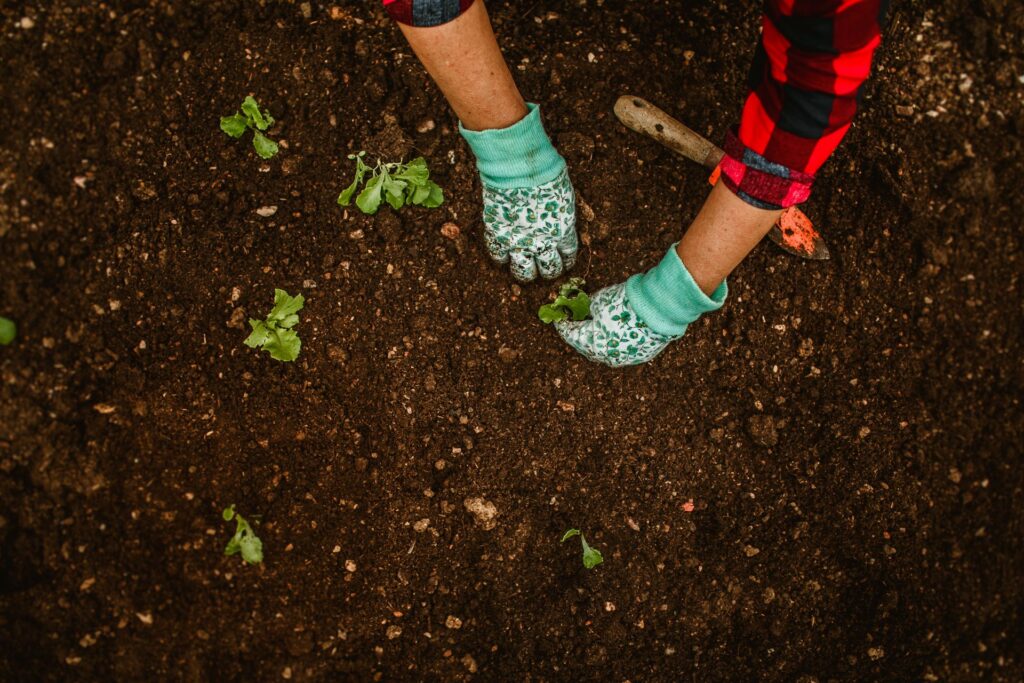
Raised beds dry out faster than in-ground gardens because they have more exposed surface area and better drainage. Beginners who come from in-ground gardening sometimes water their raised beds on the same schedule and are surprised when plants wilt between waterings.
On the flip side, other beginners overwater because the soil surface looks dry while the soil two inches down is actually quite moist. Sticking a finger 2 inches into the soil before watering is a quick and reliable way to check. If it feels moist at that depth, watering can wait. If it feels dry, it is time to water.
Installing a simple drip irrigation system or soaker hose on a timer is one of the best investments for a raised bed. It delivers water slowly and directly to the root zone, reduces evaporation, and removes the guesswork from watering schedules.
12. Forgetting to Calculate Before You Build and Fill
One of the biggest preventable mistakes is simply not planning the soil needs properly before starting. Beginners drive to the garden center, guess at how many bags of soil they need, buy either too much or too little, and either waste money or leave the bed underfilled.
A reliable Raised Garden Bed Calculator takes the dimensions of the bed and instantly tells exactly how much soil is needed. This small step done before purchasing saves time, money, and the frustration of making a return trip to the store.
Planning soil volume accurately is especially important when using a blended mix, because the individual components — compost, perlite, peat moss — need to be purchased in the right proportions. Knowing the total volume needed makes it easy to calculate how much of each ingredient to buy.
13. Not Mulching the Surface
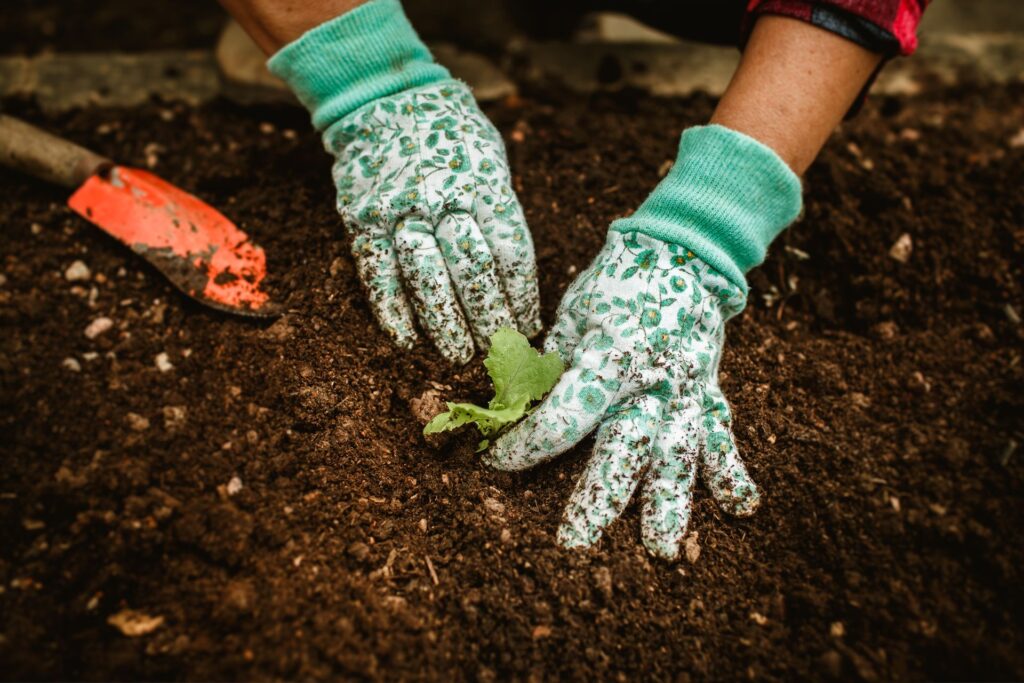
After all the effort of filling a raised bed with quality soil, many beginners leave the surface bare. Bare soil loses moisture quickly, grows weeds aggressively, and develops a crust that repels water rather than absorbing it.
A 2 to 3 inch layer of mulch on the soil surface solves all three problems at once. It slows evaporation, suppresses weed seeds, and keeps the soil surface loose and open so water can penetrate easily. Straw, wood chips (kept away from plant stems), and shredded leaves all work well. Mulch also moderates soil temperature, keeping roots cooler in summer heat.
Summary
Raised bed gardening looks simple, but the soil inside the bed is everything. Most beginners fail not because of bad seeds or poor sunlight — but because of soil mistakes they never knew they were making.
The biggest lesson from the blog post is this — soil is a living system, not just a filling material. When beginners treat it like dirt, results stay disappointing. When they treat it like the foundation of the whole garden, everything improves.
Key takeaways in a nutshell:
- Never use plain garden soil — it compacts and kills roots
- Always calculate the right soil volume before buying
- Match bed depth to the crops being grown
- Keep compost at 25% to 33% of the total mix
- Refresh the bed every season with 2 to 3 inches of compost
- Always buy quality soil from trusted sources
- Ensure proper drainage, especially on hard surfaces
- Test and adjust pH between 6.0 and 7.0 for most vegetables
- Feed the soil biology with organic amendments, not synthetic fertilizers
- Never leave the surface bare — mulch always helps
- Water based on soil moisture 2 inches deep, not surface appearance
Bottom line: A raised bed is only as good as the soil inside it. Plan well, choose quality materials, feed the soil regularly, and the garden will reward that effort with bigger harvests and far fewer problems every single season.
A Note on Getting It Right From the Start
The good news is that all of these mistakes are fixable. Soil can be amended, refreshed, and improved season after season. A raised bed that underperforms this year can become highly productive the next with the right adjustments. The key is learning to observe what the soil and plants are telling you and responding to those signals thoughtfully.
The gardeners who get the best results from raised beds are not necessarily the most experienced — they are the ones who take the time to understand their soil, test it, feed it, and treat it as a living system rather than just a growing medium. Healthy soil grows healthy plants. It really is that simple, and it really does come back to the soil every single time.
Spending a little extra time and money upfront on quality soil, getting the blend right, calculating the correct volume, and building good seasonal maintenance habits pays back many times over through better harvests, fewer pest and disease problems, and a much more enjoyable gardening experience overall.
Taking the time to plan carefully before filling the bed, choosing quality materials, and committing to annual refresh cycles puts any gardener well ahead of the curve.
The raised bed experience should be enjoyable, productive, and something to look forward to every season. Getting the soil right is the single best thing anyone can do to make that happen — and now there is a clear roadmap for doing exactly that.
FAQs
What is the best soil mix for a raised garden bed?
The best soil mix for a raised garden bed is a blend of one-third compost, one-third peat moss or coco coir, and one-third coarse vermiculite or perlite. This mix drains well, stays loose, and feeds plants steadily. Avoid using plain garden soil — it compacts quickly and suffocates roots in a confined bed.
How often should you replace soil in a raised garden bed?
You do not need to fully replace raised bed soil every year. Instead, top it up with 2 to 3 inches of fresh compost at the start of each growing season. A full soil refresh is only needed every 3 to 5 years when the mix has broken down significantly and drainage or plant performance starts to decline noticeably.
Why are my raised bed plants not growing well?
The most common reasons are poor soil quality, wrong pH, compacted soil, or nutrient depletion. Check the soil pH first — it should sit between 6.0 and 7.0 for most vegetables. Then check drainage and soil texture. If the bed is more than one season old, a top dressing of compost often fixes slow growth quickly.
How deep should soil be in a raised garden bed?
Most vegetables need at least 12 inches of quality soil. Shallow-rooted crops like lettuce and herbs can manage in 6 to 8 inches, but deep-rooted crops like tomatoes, carrots, and squash perform best with 18 to 24 inches of depth. Getting the depth right from the beginning makes a big difference in yield.
Can you use too much compost in a raised bed?
Yes. Filling a raised bed with 100% compost is a common mistake. Pure compost is too rich in nitrogen, dries out fast, and can introduce pathogens if not fully matured. Compost should make up no more than 25% to 33% of the total soil mix, blended with other materials like perlite and coco coir for the best results.