Give tomatoes 24 to 48 inches between plants depending on the variety, peppers 12 to 24 inches, cucumbers 12 to 18 inches on a trellis or 36 to 48 inches if left to sprawl on the ground, and lettuce 4 to 12 inches depending on whether it’s a loose-leaf or head-forming type. Always leave 4 to 6 feet between rows for larger crops so there’s room to walk, water, and harvest without crowding the plants.
Most vegetable gardens fail to reach their full potential for one simple reason: the plants are placed too close together. A gardener buys a tray of seedlings, digs a few holes, and tucks everything in tightly because the space looks empty on planting day. Six weeks later, that same space looks like a jungle, and by midsummer, half the plants are fighting for sunlight, air, and nutrients. This guide breaks down exactly how much room tomatoes, peppers, cucumbers, and lettuce need, based on real growing seasons and hands-on trial and error in backyard beds.
Why Spacing Actually Matters More Than Most Gardeners Think
Spacing is not just about tidiness. It directly affects how much a garden produces, how healthy the plants stay, and how much work goes into managing them later in the season. When plants are crowded, their roots compete for the same pocket of soil, moisture, and nutrients. Leaves overlap and block sunlight from reaching lower branches. Airflow drops, and that creates the perfect environment for fungal diseases like powdery mildew and blight.
On the other hand, spacing plants too far apart wastes valuable garden real estate. A 4-foot by 8-foot raised bed only has so much room, and every inch left empty is an inch not producing food. The goal is to find that sweet spot where each plant has enough room to thrive without leaving gaps that invite weeds or waste space.
Anyone planning out a new bed layout can calculate to map out exact placement before a single seed goes into the ground. This kind of planning saves time later because there is no need to dig up and relocate plants once they start crowding each other.
There is also a financial side to this that many gardeners overlook. Seeds, seedlings, soil amendments, and fertilizer all cost money, and a garden that produces a smaller harvest because of overcrowding wastes that investment just as much as an empty bed does.
A well-spaced garden bed of tomatoes, peppers, cucumbers, and lettuce almost always outproduces a crowded one of the same size, even when the crowded bed technically holds more individual plants. Quality of space matters more than quantity of plants, and that single mindset shift changes how most people approach their garden layout from that point forward.
It also helps to remember that spacing recommendations are built on decades of observation from farmers, horticulturists, and backyard growers, not arbitrary numbers pulled from thin air. Each range reflects how a mature plant actually behaves once its roots spread out and its leaves fill in, which is very different from how a young seedling looks on the day it goes into the ground.
Tomatoes: The Backbone of Most Vegetable Gardens
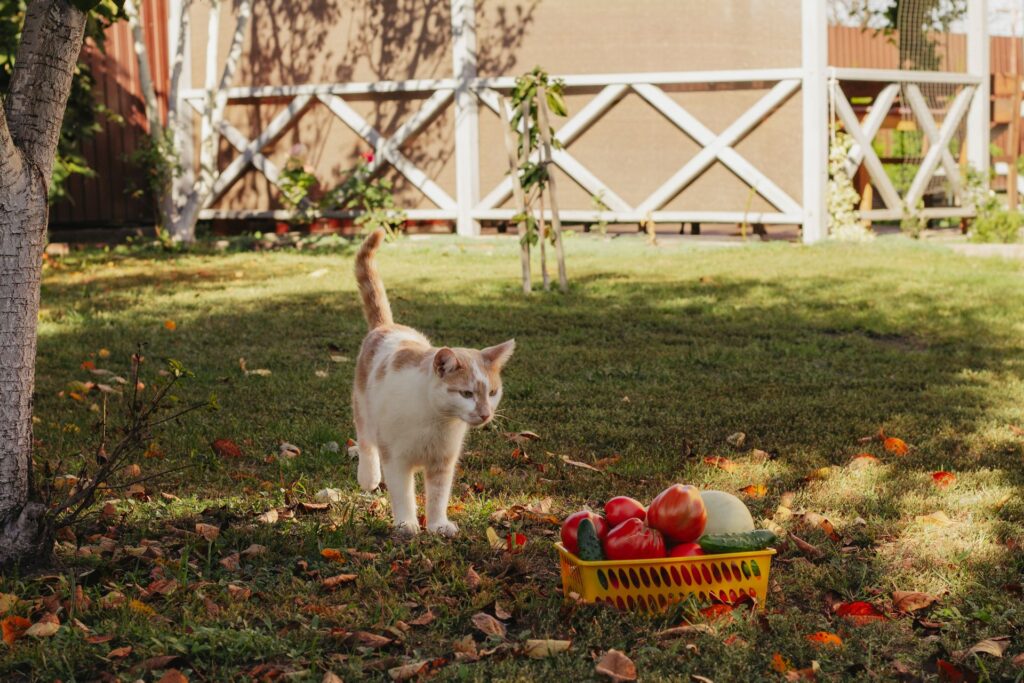
Tomatoes are usually the first plant a new gardener grows, and they are also the plant most commonly spaced incorrectly. The right distance depends heavily on the variety being grown, since not all tomato plants grow the same way.
Determinate vs. Indeterminate Varieties
Determinate tomato varieties, sometimes called bush tomatoes, grow to a fixed height and produce most of their fruit within a shorter window. These varieties generally need 24 to 30 inches between plants. Popular determinate types like Roma and Celebrity stay more compact, so they do not require as much breathing room as their sprawling cousins.
Indeterminate varieties keep growing and producing fruit all season long, climbing higher and spreading wider than determinate types. These need 36 to 48 inches between plants at minimum. Varieties such as Beefsteak, Brandywine, and Cherokee Purple fall into this category, and skimping on their spacing almost always leads to a tangled mess by August.
Row Spacing for Tomatoes
Between rows, most experienced growers leave 4 to 5 feet of walking room. This might sound excessive at first, but tomato plants get surprisingly wide once they mature, especially if they are staked or caged. Narrow rows make it nearly impossible to walk through for watering, pruning, or harvesting without snapping branches or crushing fruit underfoot.
A Real Garden Lesson on Tomato Spacing
A common mistake many first-time gardeners make is planting indeterminate tomatoes just 18 inches apart because the seedlings look small and harmless in April. By July, the plants have merged into one giant green wall, air cannot move through the leaves, and blossom end rot starts showing up on the fruit.
The following season, spacing those same varieties at a full 4 feet apart produces noticeably larger tomatoes, fewer disease problems, and an easier harvest overall. This is exactly the kind of lesson that only comes from watching a garden grow through a full season, and it is why spacing recommendations exist in the first place.
Peppers: Compact Plants That Still Need Their Space
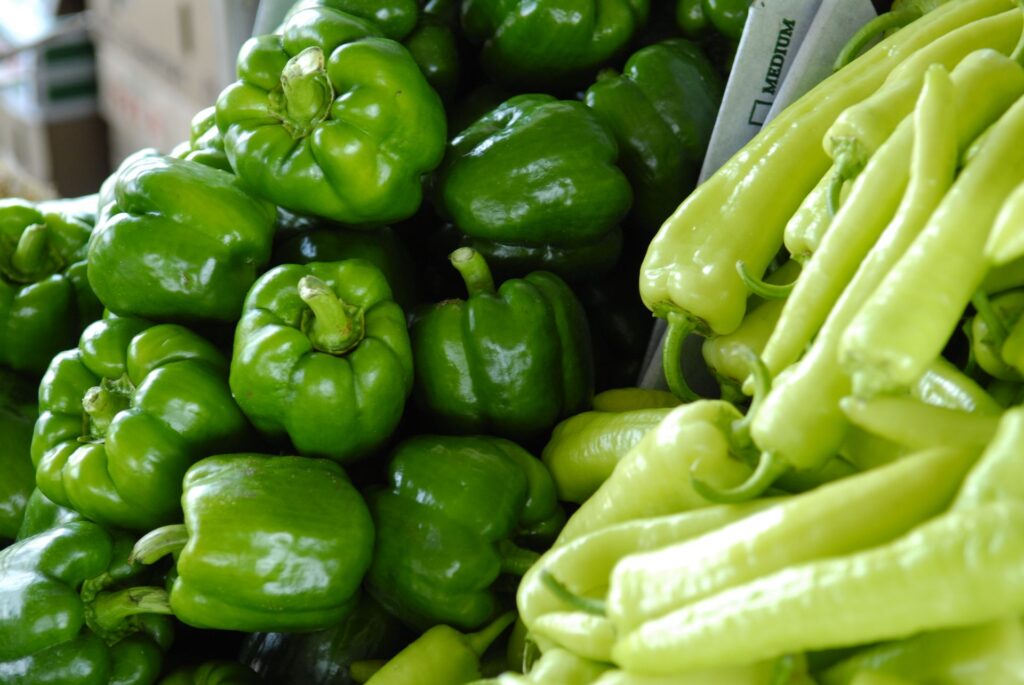
Peppers are often treated like tomatoes since they belong to the same nightshade family and get planted around the same time. However, pepper plants stay noticeably smaller and more upright, which changes their spacing needs.
Standard Spacing Guidelines
Most sweet pepper varieties, including Bell, Banana, and Cubanelle, do well with 18 to 24 inches between plants. Hot pepper varieties like Jalapeño, Habanero, and Cayenne can be planted slightly closer, around 12 to 18 inches, since they tend to stay more compact.
Rows should be spaced about 24 to 36 inches apart to allow room for the plants to bush out as they mature and to give enough space for harvesting later without brushing against neighboring plants.
Why Peppers Benefit From a Bit of Crowding
Interestingly, peppers are one of the few vegetables that can actually benefit from slightly tighter spacing than tomatoes. Planting peppers a little closer together, at the lower end of the recommended range, creates a microclimate where the plants shade each other’s lower stems and fruit.
This reduces sunscald, which is a common problem where exposed peppers develop pale, leathery patches from too much direct sun. Gardeners who have grown peppers in both loosely spaced and moderately tight rows tend to notice fewer sunscald issues and slightly higher yields in the tighter setup, as long as airflow is not completely blocked.
Container Spacing for Peppers
For those growing peppers in containers rather than in-ground beds, a single pepper plant does well in a pot that holds at least 3 to 5 gallons of soil. Anyone growing multiple pepper plants in a larger container or trough should still respect the 12 to 18 inch spacing rule to avoid the same overcrowding problems that happen in traditional garden beds.
Cucumbers: Vertical Growers That Change the Spacing Math
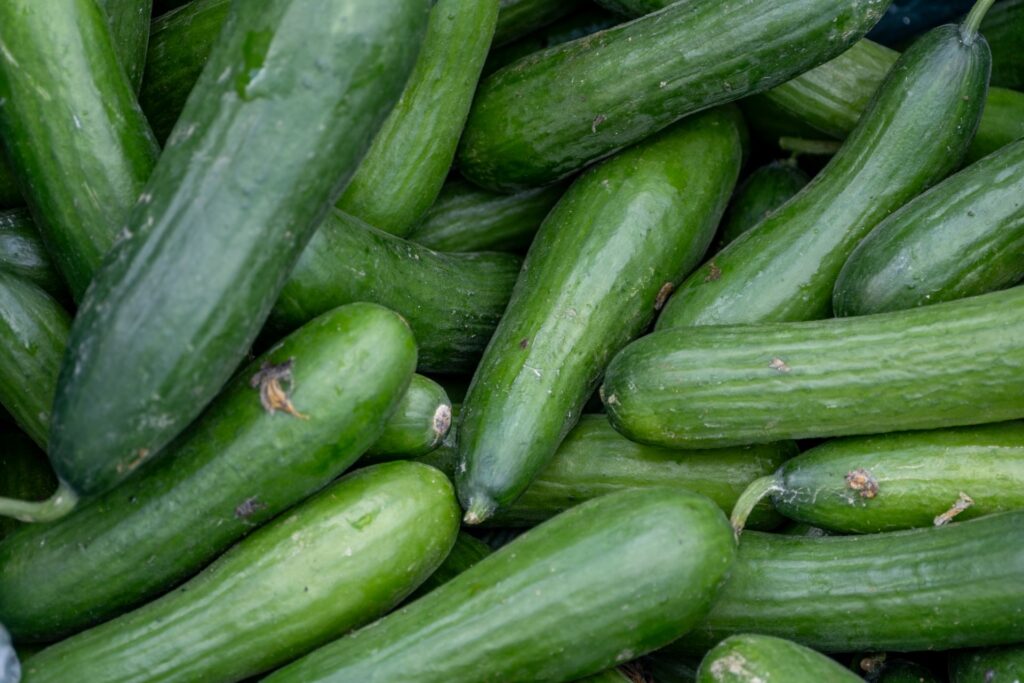
Cucumbers present a unique spacing challenge because the answer depends heavily on whether they are grown on the ground or trained up a trellis. This single decision changes the spacing requirements dramatically.
Ground-Grown Cucumbers
When cucumbers sprawl across the ground, which is the traditional method, they need significant room. Plants should be spaced 36 to 48 inches apart, with rows separated by roughly 5 to 6 feet. Cucumber vines can stretch well beyond 6 feet in length over the course of a season, and letting them sprawl means accounting for that entire length, not just the width of the original planting hole.
Trellised Cucumbers
Growing cucumbers vertically on a trellis, cattle panel, or A-frame structure is one of the most effective ways to save space in a small garden. When trellised, cucumber plants only need 12 to 18 inches between them, since the vine grows upward instead of outward. This method also keeps the fruit cleaner, reduces rot from soil contact, and makes harvesting far easier because the cucumbers hang at eye level instead of hiding under leaves on the ground.
Anyone working with a small raised bed or a compact backyard plot should seriously consider trellising cucumbers. It is one of the simplest changes that turns a space-hungry crop into one that fits comfortably alongside other vegetables. The Plant Spacing Calculator can help figure out exactly how many trellised cucumber plants will fit in a given bed length before planting day arrives.
A Note on Cucumber Pollination and Spacing
Cucumbers rely heavily on bees and other pollinators to move pollen between male and female flowers. Spacing plants too far apart in a small garden can actually reduce pollination success simply because pollinators have to travel farther between flowers. Keeping cucumber plants within the recommended range, rather than spreading them out excessively, tends to produce more consistent fruit set, especially in gardens with lower pollinator traffic.
Lettuce: The Forgiving Crop With Flexible Spacing
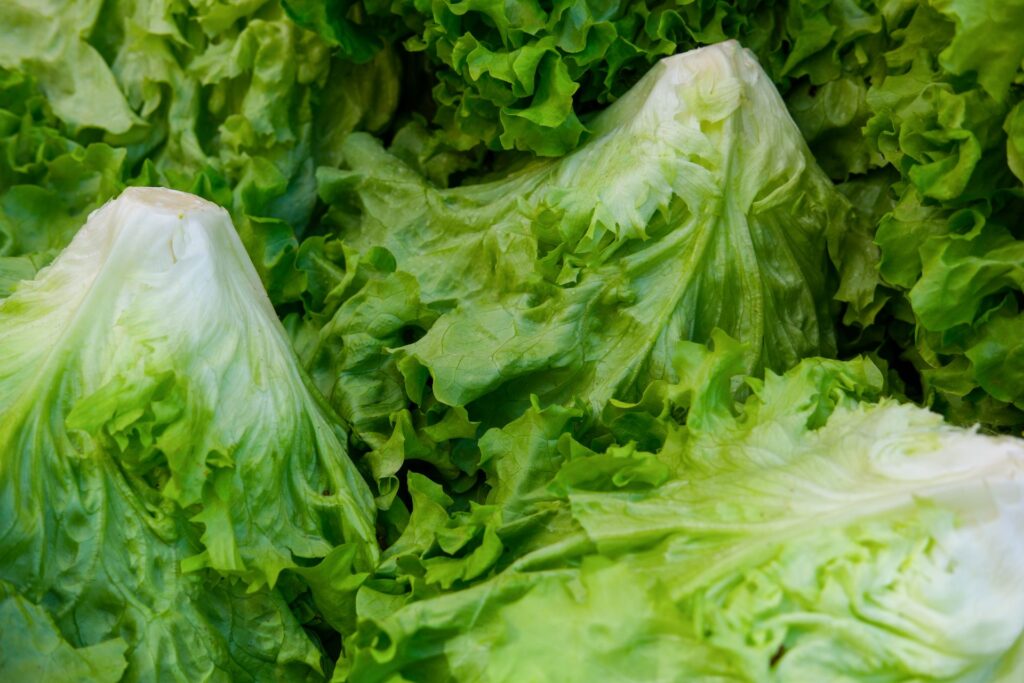
Lettuce is one of the most beginner-friendly vegetables to grow, and its spacing needs are far more forgiving than tomatoes, peppers, or cucumbers. Even so, getting the spacing right still makes a noticeable difference in leaf size and overall plant health.
Loose-Leaf Lettuce
Loose-leaf varieties, such as Black Seeded Simmons or Red Sails, can be planted as close as 4 to 6 inches apart. These varieties do not form a tight head, so crowding them slightly does not cause the same problems it would with a heading variety.
Head Lettuce
Head-forming varieties like Iceberg and Butterhead need more breathing room, typically 10 to 12 inches between plants. Because these varieties form a dense center, insufficient spacing prevents the head from rounding out properly and often results in smaller, looser heads than the variety is capable of producing.
Succession Planting and Spacing
One advantage of lettuce is how well it responds to succession planting, which means sowing small batches every couple of weeks instead of planting an entire bed at once. This approach naturally solves some spacing headaches because each new batch gets planted into fresh space as earlier lettuce gets harvested.
Gardeners who plant a 3-foot row of lettuce every two weeks throughout spring tend to get a steady, manageable harvest instead of a single overwhelming glut of lettuce that bolts before it can all be eaten.
Lettuce and Shade Companionship
Because lettuce prefers cooler temperatures and can bolt quickly in summer heat, many experienced gardeners plant it in the partial shade cast by taller neighbors like tomatoes or trellised cucumbers.
This companion approach means lettuce spacing sometimes gets planned around the shadow patterns of nearby plants rather than in a perfectly uniform grid. It is a small technique, but it extends the lettuce harvest window by several weeks in warmer climates.
Putting It All Together: A Sample Garden Bed Layout
For anyone planning a mixed vegetable bed, here is a practical example based on a standard 4-foot by 12-foot raised bed:
- Tomatoes (indeterminate): 3 plants along the back row, spaced 4 feet apart
- Peppers: 6 plants in the middle section, spaced 18 inches apart
- Cucumbers (trellised): 4 plants along one side on a vertical structure, spaced 15 inches apart
- Lettuce: filling the front border, spaced 6 inches apart for loose-leaf varieties
This layout takes advantage of height differences, placing taller plants like tomatoes and trellised cucumbers toward the back or side so they do not shade shorter crops like peppers and lettuce during peak sun hours.
It also respects each plant’s individual spacing needs instead of forcing a single spacing rule across the entire bed, which is a mistake many new gardeners make when they try to keep things simple.
Common Spacing Mistakes to Avoid
Ignoring Mature Plant Size
Seedlings look tiny at planting time, and it is tempting to squeeze in a few extra plants because there seems to be plenty of room. The mistake shows up 6 to 8 weeks later when everything has filled in and there is no longer any room to walk between rows or reach individual plants for harvesting.
Using the Same Spacing for Every Variety
Not all tomatoes, peppers, or cucumbers grow the same way. A compact determinate tomato and a sprawling indeterminate variety have very different footprints, and using one spacing number for both leads to either wasted space or serious overcrowding.
Skipping Row Spacing Planning
Plant-to-plant spacing gets most of the attention, but row spacing matters just as much. Without enough room between rows, watering, weeding, and harvesting become frustrating chores instead of quick, easy tasks.
Forgetting About Companion Shade and Sun Needs
Placing sun-loving peppers behind a wall of tall tomatoes, or planting heat-sensitive lettuce in full afternoon sun with no relief, creates stress on the plants regardless of how well the spacing numbers were followed. Spacing decisions should always factor in how plants interact with their neighbors, not just the raw distance between them.
Adjusting Spacing for Small Spaces and Containers
Not every gardener has access to a sprawling backyard plot. Many people grow tomatoes, peppers, cucumbers, and lettuce in containers on a patio or balcony, and spacing rules shift slightly in these situations.
In containers, it usually makes sense to dedicate one plant per pot for tomatoes and larger pepper varieties, since their root systems need dedicated space to develop fully. Cucumbers can be grown in a large container with a small trellis attached, following the same 12 to 18 inch spacing if multiple plants share one long container. Lettuce is the most container-friendly of the four, since it can be grown in shallow window boxes or grow bags spaced at the same 4 to 6 inch intervals used in ground beds.
Final Thoughts on Getting Spacing Right
Spacing might seem like a minor detail compared to soil quality, watering schedules, or fertilizer choices, but it quietly influences all of those other factors. Properly spaced plants develop stronger root systems, resist disease more effectively, and produce larger, healthier yields by the end of the season. Every recommendation in this guide comes from a combination of standard horticultural guidelines and real seasons spent watching plants grow too close together, then correcting course the following year.
The numbers above are not rigid rules carved in stone. Local climate, soil fertility, and personal garden goals can all shift these recommendations slightly. A gardener in a humid climate with high disease pressure might lean toward the wider end of every spacing range to maximize airflow, while someone in a dry climate with excellent soil might comfortably plant a bit closer. What matters most is understanding why these spacing guidelines exist in the first place, so adjustments can be made with confidence rather than guesswork.
Planning a garden bed on paper before planting day, whether with a simple sketch or a digital tool, remains one of the best habits any vegetable gardener can build. It turns spacing from an afterthought into a deliberate part of the growing process, and that small shift in planning tends to pay off with a healthier, more productive garden every single season.
A Quick Reference Chart for Busy Gardeners
For gardeners who just want the numbers without digging through paragraphs of explanation, here is a simplified reference:
- Determinate tomatoes: 24 to 30 inches apart, rows 4 to 5 feet apart
- Indeterminate tomatoes: 36 to 48 inches apart, rows 4 to 5 feet apart
- Sweet peppers: 18 to 24 inches apart, rows 24 to 36 inches apart
- Hot peppers: 12 to 18 inches apart, rows 24 to 36 inches apart
- Ground-grown cucumbers: 36 to 48 inches apart, rows 5 to 6 feet apart
- Trellised cucumbers: 12 to 18 inches apart
- Loose-leaf lettuce: 4 to 6 inches apart
- Head lettuce: 10 to 12 inches apart
Keeping a chart like this pinned near a potting bench or saved on a phone makes planting day much faster, especially when juggling multiple trays of seedlings and trying to remember which variety needs which amount of room.
Watching a Garden Teach Its Own Lessons
Every experienced gardener eventually learns that no chart or article can replace a season of direct observation. The numbers in this guide provide a reliable starting point, but the real education happens when a gardener notices which plants pushed past their boundaries, which ones stayed smaller than expected, and which combinations of crops thrived side by side. Keeping a simple notebook or even a few phone photos from week to week throughout the growing season builds a personal reference that becomes more valuable than any generic spacing chart over time.
Soil quality, sunlight exposure, watering consistency, and regional climate all interact with spacing in ways that are hard to predict perfectly on paper. A gardener in a cooler northern climate might find that tomato plants stay slightly more compact than the averages listed here, while a gardener in a hot, humid southern region might see the same variety sprawl even further than expected. Adjusting spacing slightly wider in humid regions, where fungal pressure runs high, tends to protect plant health better than sticking rigidly to the minimum recommended distance.
Ultimately, spacing is one small piece of a much larger puzzle that includes soil preparation, watering routines, pest management, and harvest timing. But it is also one of the easiest pieces to get right from the very first day of planting, simply by measuring twice before placing a single seedling in the ground. That one habit, more than almost any other single decision, tends to separate a frustrating, overcrowded garden from a productive, easy-to-manage one by the time midsummer arrives.
FAQs
How far apart should you plant tomatoes and peppers in the same garden bed?
Tomatoes need 24 to 48 inches between plants depending on the variety, while peppers only need 12 to 24 inches. Placing peppers toward the front of a bed and taller tomato varieties toward the back keeps both crops from competing for sunlight.
What is the best spacing for cucumbers on a trellis?
Trellised cucumbers only need 12 to 18 inches between plants since the vine grows upward instead of sprawling across the ground. This spacing also improves airflow and keeps the fruit cleaner by lifting it off the soil.
How close together can lettuce be planted?
Loose-leaf lettuce can be planted as close as 4 to 6 inches apart, while head-forming varieties like Iceberg need 10 to 12 inches to develop a full, tight head.
Does tomato spacing depend on the variety?
Yes. Determinate tomato varieties stay compact and only need 24 to 30 inches, while indeterminate varieties keep growing all season and need 36 to 48 inches to avoid overcrowding.
What happens if vegetables are planted too close together?
Overcrowded plants compete for sunlight, water, and nutrients, and reduced airflow raises the risk of fungal diseases like powdery mildew. This usually leads to smaller yields and weaker plants by midsummer compared to a properly spaced garden bed.