- Plant spacing is the gap between individual plants within the same row.
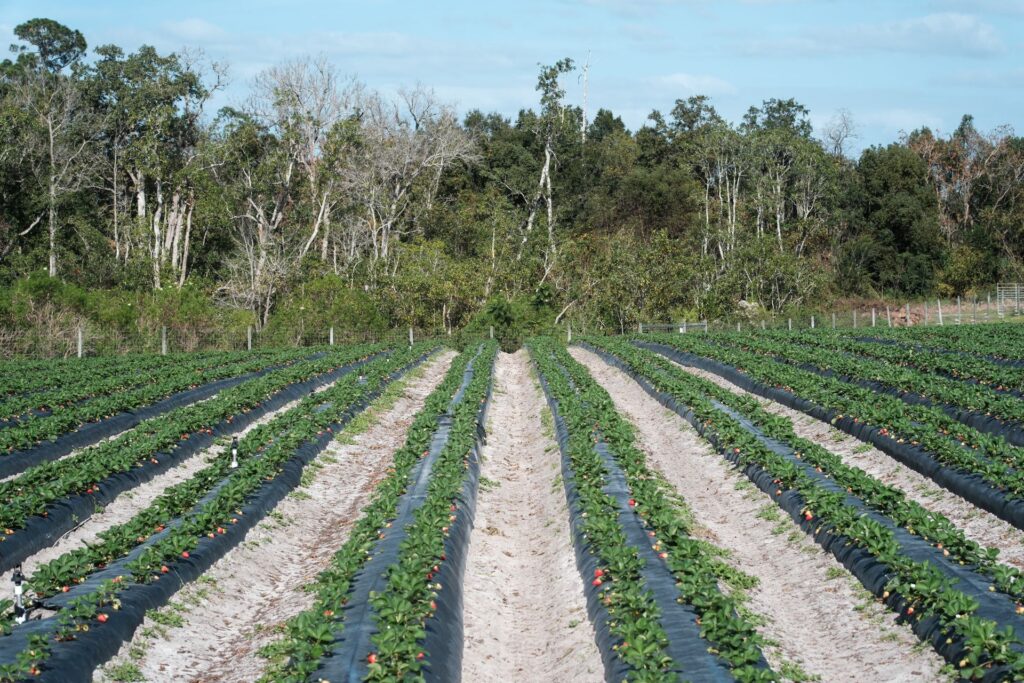
- Row spacing is the gap between one full row and the next.
- Plant spacing protects root and leaf room for each plant.
- Row spacing protects airflow, weeding access, and watering paths.
- Row spacing is usually larger than plant spacing, though compact crops like radishes and carrots can have similar numbers for both.
Every gardener eventually runs into a moment of confusion while reading a seed packet or a planting guide. The instructions mention two different numbers, and neither of them is explained very clearly. One number is about the gap between plants sitting side by side, and the other is about the gap between entire rows.
Mixing these two up is one of the most common reasons gardens end up overcrowded, underproductive, or harder to walk through than they need to be.
This guide breaks down exactly what each term means, why they matter for different reasons, and how to use both correctly so the garden actually performs the way it was designed to.
Understanding What Plant Spacing Actually Means
Plant spacing refers to the distance left between two individual plants that are growing within the same row. Think of a row of carrots or a line of lettuce heads planted side by side. The gap left between each seed or seedling in that line is the plant spacing. This number is usually smaller than row spacing because plants in the same row are competing for a narrower band of soil and light.
Plant spacing is decided mainly by how big the mature plant gets, both above and below the soil. A lettuce head might only need 8 to 10 inches between plants, while a full-grown tomato plant can require 24 to 36 inches just within its own row. Getting this number right prevents plants from crowding each other’s leaves, competing too hard for nutrients, and blocking airflow around the base of the stem, which is a major cause of fungal disease in home gardens.
From years of trial and error in raised beds, it becomes obvious pretty quickly that plant spacing recommendations on seed packets are often the bare minimum, not the ideal. Many gardeners find that adding an extra 2 to 3 inches beyond the packet suggestion leads to noticeably healthier plants with fewer pest problems, especially in humid climates where poor airflow invites mildew.
Understanding What Row Spacing Actually Means
Row spacing, on the other hand, is the distance between one entire row of plants and the next row over. This is not about individual plants touching each other. It is about giving enough working room between lines of crops so a gardener can walk through, water, weed, and harvest without stepping on anything or compacting the soil around the root zones.
Row spacing tends to be a larger number than plant spacing because it accounts for human movement, tool access, and sometimes irrigation lines running between the rows. For example, sweet corn is often planted with only 8 to 12 inches between individual stalks in a row, but the rows themselves might be set 30 to 36 inches apart to allow a hoe or a small cultivator to pass through comfortably.
In smaller raised bed setups, row spacing is often reduced compared to traditional field farming, since there is no need for tractor access or wide equipment paths. This is where the idea of intensive or square-foot gardening comes in, and it is one of the reasons row spacing numbers found in old farming guides can feel overly generous for a backyard raised bed.
Why These Two Measurements Are Often Confused

The confusion usually starts because seed packets list both numbers close together, sometimes without labeling them clearly. A packet might simply say “6-inch, 24-inch rows” without explaining which number applies to which direction. New gardeners often assume both numbers refer to the same kind of spacing, which leads to either wildly overcrowded rows or a garden bed with way more wasted space than necessary.
Another source of confusion is that some crops genuinely do not need much difference between the two numbers. Root vegetables like radishes and carrots sometimes have similar plant and row spacing because the plants themselves stay compact and low to the ground. But leafy or vining crops like squash, cucumbers, and tomatoes have a much bigger gap between the two numbers because their mature size differs so much from their seedling size.
Anyone who has tried to eyeball plant spacing rather than measuring it out has probably learned this lesson the hard way after a season of overcrowded beds.
Why Getting Plant Spacing Right Matters So Much
Correct plant spacing affects far more than just how tidy the garden looks. It directly impacts how much sunlight reaches the lower leaves, how well roots can spread out to find water and nutrients, and how quickly disease can spread if plants are touching. When plants are placed too close together, their root systems begin competing almost immediately, which slows down growth for both plants rather than helping either one.
There is also a yield factor that many new gardeners underestimate. A tomato plant given proper spacing can produce noticeably more fruit than one squeezed between two neighbors, simply because it has full access to sunlight throughout the day rather than being shaded for several hours by a nearby plant. Over the course of a growing season, that difference in sunlight exposure can mean the gap between a mediocre harvest and an excellent one.
Pest management also improves with correct spacing. Insects like aphids and spider mites move easily between plants that are touching or nearly touching, turning a small infestation on one plant into a garden-wide problem within days. Leaving proper space between plants creates small natural barriers that slow this kind of spread.
Why Getting Row Spacing Right Matters Just as Much
Row spacing is often treated as an afterthought, but it plays a huge role in how manageable a garden is over the entire season. Rows that are placed too close together become difficult to weed, since there is no room to kneel or reach in without damaging nearby plants. This often leads to weeds being left alone longer than they should be, simply because pulling them feels like more trouble than it is worth.
Watering is another area where row spacing matters. Drip irrigation lines and soaker hoses need enough room between rows to be laid out properly, and hand watering with a hose or watering can becomes much easier when there is a clear path to walk down. Cramped rows often mean water gets applied unevenly, with some plants getting soaked while others near the edges stay dry.
Airflow between rows also plays a bigger role than most people realize. Good spacing between rows allows breezes to move through the garden, which helps leaves dry off faster after rain or morning dew. Wet leaves that stay damp for long periods are a leading cause of fungal issues like blight and powdery mildew, so wider row spacing can genuinely reduce the amount of disease pressure a garden faces over a season.
How to Decide the Right Numbers for Each Crop
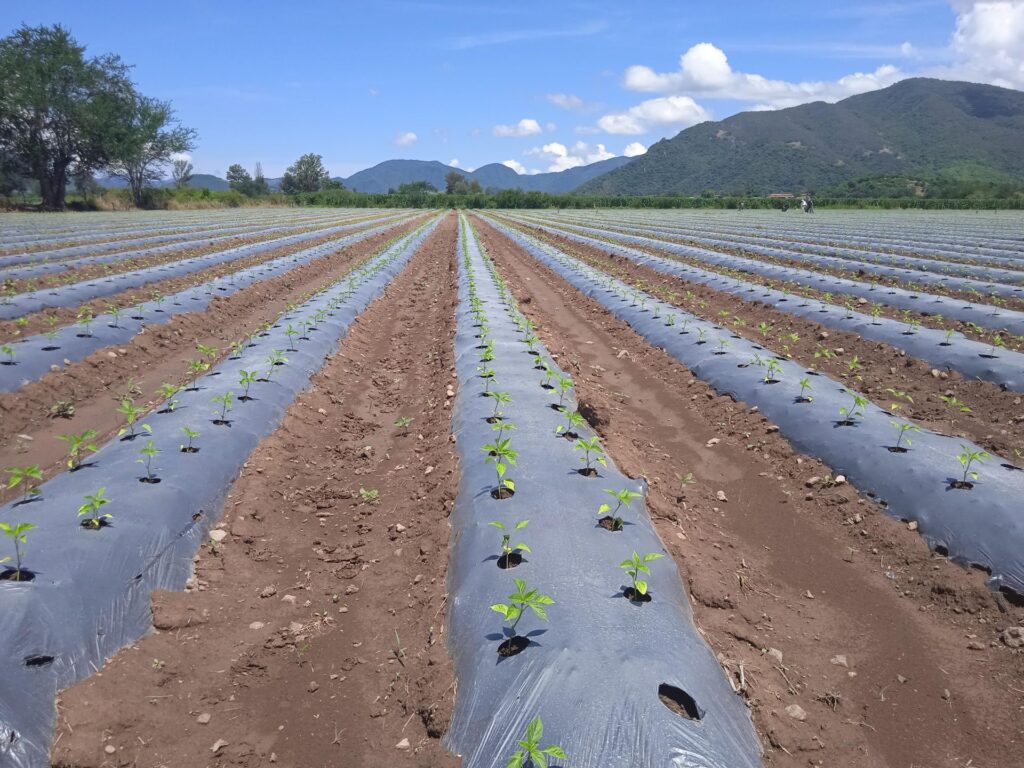
Deciding on the right plant and row spacing for a given crop starts with understanding the mature size of the plant, not the size it is at transplant time. A tiny pepper seedling barely six inches tall looks like it could survive being planted close to its neighbor, but that same plant can grow into a bushy shape nearly two feet wide by midsummer. Planning spacing based on the seedling stage is one of the most frequent errors gardeners make.
A helpful approach is to look up spacing guidelines specific to each crop rather than applying a single blanket rule across the whole garden. Someone planning a mixed vegetable bed with tomatoes, peppers, cucumbers, and lettuce will find that each of these crops has genuinely different spacing needs, and treating them the same way usually results in some plants being cramped while others have too much unused space around them. For anyone working through this exact combination, reviewing this spacing guide can save a lot of guesswork before the seeds even go in the ground.
Soil quality also plays a role in spacing decisions. Raised beds with rich, well-amended soil often allow slightly tighter spacing than plants grown in poor native soil, since the roots do not need to spread as far to find nutrients. This is not a rule to push too far, but it does explain why some experienced gardeners plant a bit closer than the packet suggests when working in a well-built raised bed.
Using a Calculator Instead of Guessing
Manually working out spacing for an entire garden bed, especially one with several different crops, takes a fair amount of math. Bed dimensions, plant spacing, and row spacing all need to line up so nothing is wasted and nothing is overcrowded. This is exactly the kind of task that becomes much faster with a dedicated tool rather than a notepad and a calculator app.
Using a Plant Spacing Calculator removes most of the guesswork by taking the bed size and desired crop into account and returning a clear layout suggestion. This is especially useful for anyone planning a new raised bed for the first time, since it prevents the common mistake of buying too many or too few seedlings for the space available.
Common Mistakes That Mix Up These Two Concepts
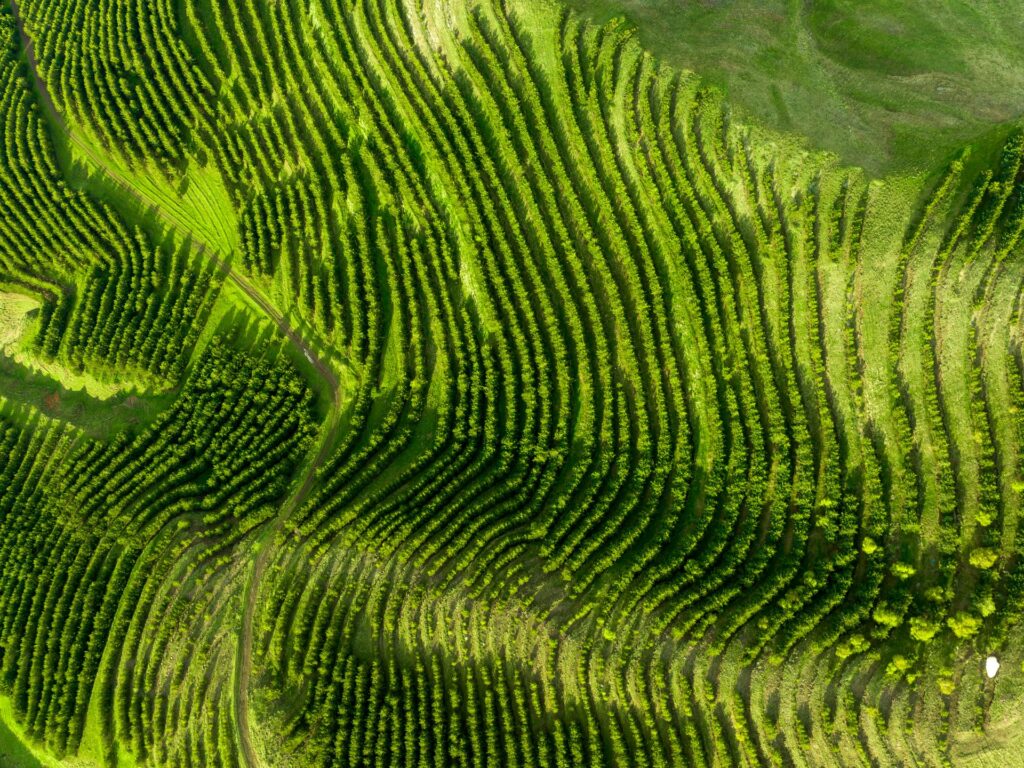
One of the most frequent mistakes is applying the plant spacing number to the row spacing, or vice versa. This usually happens when a gardener is working quickly and misreads a seed packet, resulting in rows that are too close together while individual plants within each row have plenty of room. The opposite mistake, tight plant spacing with wide rows, is less common but still happens, usually when someone is trying to fit as many rows as possible into a small bed.
Another mistake involves ignoring the difference between spacing needs at different growth stages. A plant that looks properly spaced as a seedling can become dangerously overcrowded by the time it reaches full maturity, especially with sprawling crops like squash or melons that can extend several feet beyond their original planting point. Reviewing a breakdown of frequent spacing errors before planting season starts is a smart way to avoid repeating mistakes that show up year after year in home gardens.
Overcrowding due to impatience is also worth mentioning. It is tempting to squeeze in one or two extra seedlings when there seems to be a bit of leftover space in a bed. In practice, this almost always backfires, since that “extra” space was usually left intentionally to account for the plant’s mature spread rather than being wasted room.
Adjusting Spacing for Raised Beds vs Traditional Rows
Raised bed gardening changes the spacing conversation slightly compared to traditional in-ground row farming. Because raised beds are accessed from the sides rather than walked through, the concept of row spacing becomes less about walking paths and more about airflow and light distribution within the bed itself. Many raised bed gardeners use a grid-style layout instead of long traditional rows, spacing plants evenly in all directions rather than only along a single line.
This shift means that the traditional row spacing numbers found on seed packets, which were often designed with tractor-width field rows in mind, need to be scaled down for raised bed use. A raised bed that is only four feet wide simply does not have room for the same row spacing used in a quarter-acre vegetable field, and applying those numbers directly would waste most of the bed’s usable space.
At the same time, plant spacing within a raised bed generally stays closer to standard recommendations, since the plant’s own biological needs for root space and sunlight do not change based on the type of garden it is growing in. The main adjustment raised bed gardeners make is in how rows are arranged, not in how far apart individual plants sit from each other.
Seasonal Considerations for Spacing Decisions
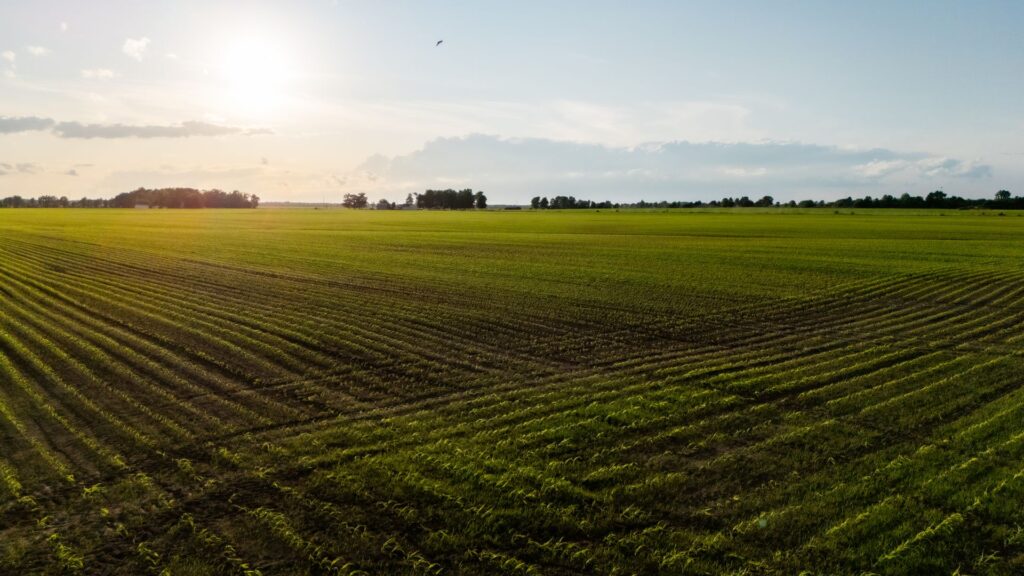
Spacing needs can shift slightly depending on the time of year and local climate conditions. In regions with intense summer heat, slightly wider spacing than the standard recommendation can help reduce heat stress by improving airflow and reducing how much plants shade and trap heat around each other. In cooler climates, slightly tighter spacing can sometimes help plants retain a bit more warmth around their base during cooler nights, though this should be balanced carefully against disease risk.
Rainfall patterns matter too. Gardens in humid or rainy regions benefit from wider spacing in both directions, since damp conditions combined with poor airflow are a recipe for fungal problems. Drier climates have a bit more flexibility to plant slightly closer together, since the lower humidity naturally reduces some of that disease risk.
Practical Steps to Apply This Information
Anyone planning a new garden bed can start by listing out every crop they intend to grow, along with the mature width of each plant. From there, plant spacing can be assigned based on that mature size, and row spacing can be added on top based on either walking access needs or grid layout preferences for raised beds. Sketching this out on paper, or using a digital tool built for this purpose, prevents the frustrating experience of running out of room halfway through planting.
It also helps to physically mark out spacing before planting begins, using stakes, string, or even just a ruler laid across the soil. This visual step catches spacing errors before they become permanent, which is much easier to fix than trying to transplant an already-growing seedling later in the season.
Finally, keeping notes from one season to the next makes future planning easier. A gardener who notices that a particular crop performed better with slightly wider spacing than the packet recommended can adjust that number the following year, building a personalized spacing guide based on real results rather than generic averages.
Summary
- Plant spacing is the distance between individual plants growing within the same row.
- Row spacing is the distance between one entire row and the next row over.
- Plant spacing is decided by a plant’s mature size, not its seedling size.
- Correct plant spacing improves sunlight access, root development, and yield.
- Row spacing affects airflow, weeding, watering, and disease prevention.
- Tight rows slow down weeding and often lead to uneven watering.
- Poor airflow between rows increases the risk of fungal disease like blight and mildew.
- Seed packets often list both numbers without labeling them clearly, causing confusion.
- Raised beds need scaled-down row spacing compared to traditional field rows.
- Grid-style layouts are common in raised beds instead of long traditional rows.
- Soil quality can allow slightly tighter plant spacing in rich, well-amended beds.
- Climate affects spacing too — humid regions need wider spacing than drier ones.
- Marking spacing with stakes or string before planting prevents permanent mistakes.
- Using a spacing tool removes guesswork for mixed vegetable beds with multiple crops.
- Keeping season-to-season notes helps build a personalized spacing guide over time.
Bringing It All Together
Row spacing and plant spacing solve two different problems, even though they often get lumped together in casual conversation. Plant spacing protects the health and productivity of individual plants by giving their roots and leaves enough room to develop properly.
Row spacing protects the overall usability and airflow of the garden as a whole, making it easier to maintain and less prone to disease. Understanding both numbers, and applying them correctly based on the specific crop and garden layout being used, is one of the simplest ways to noticeably improve a garden’s performance without spending any extra money on soil, fertilizer, or equipment. A little bit of planning before the seeds go into the ground pays off for the entire growing season that follows.
FAQs
Is row spacing always bigger than plant spacing?
Not always, but it usually is. Most crops need more room between full rows than between individual plants within a row, mainly to allow access for weeding and watering. Compact root vegetables are an exception, since their plant and row spacing numbers can end up fairly close.
Can plant spacing change based on soil quality?
Yes, to a small degree. Rich, well-amended raised bed soil sometimes allows slightly tighter plant spacing since roots do not need to travel as far for nutrients, though this adjustment should stay modest to avoid overcrowding.
Does row spacing matter in a small raised bed?
It does, though it looks different than in a traditional field. In raised beds, row spacing is more about airflow and even light distribution than about walking paths, since most raised beds are accessed from the sides.
What happens if plant spacing is too tight?
Plants placed too close together compete for sunlight, water, and nutrients, which usually leads to smaller yields, weaker stems, and a higher chance of fungal disease from poor airflow around the leaves.
Is there a fast way to figure out spacing for a mixed vegetable bed?
Yes, using a spacing tool built for garden planning removes most of the manual math and helps prevent overcrowding or wasted space when growing several different crops together in the same bed.