- Raised beds: Loose, nutrient-rich soil lets roots grow down instead of out, so plants can be spaced 30–50% closer together than in-ground.
- In-ground gardens: Native soil is usually less consistent, so roots spread wider searching for nutrients — plants need more space between each other and between rows.
- Tomatoes: 18–24 inches in raised beds vs. 24–36 inches in-ground.
- Peppers: 12–16 inches in raised beds vs. 16–20 inches in-ground.
- Leafy greens (lettuce, spinach, kale): Shallow roots tolerate tight spacing in both methods, though raised beds allow slightly closer rows.
- Vining plants (cucumbers, pole beans): Vertical trellising cuts the space needed in either setup.
- Soil depth: Raised beds typically offer 10–12 inches of loose soil, supporting closer spacing; shallow native soil needs wider spacing.
- Airflow: Even tight raised bed spacing needs enough gaps to prevent mildew and disease.
- Watering: Raised beds drain faster and need closer spacing for natural shade/mulch effect; in-ground soil holds moisture longer, so wider spacing helps prevent excess humidity.
Anyone who has stood in front of a seed packet, staring at the tiny instructions on the back, knows the quiet panic that comes with the words “space 18 inches apart.” Does that mean in every direction? Does it change if the garden sits inside a wooden box instead of the open dirt?
A longtime backyard gardener once ripped out an entire row of zucchini because she planted them the same way she always planted them in the ground, only to watch them fight for space in a raised bed that summer. That single mistake taught her more about spacing than any book ever could.
Why Plant Spacing Even Matters in the First Place
Spacing is not some arbitrary rule invented to make gardening harder. Roots need room to spread, leaves need room to catch sunlight, and air needs room to move between stems so fungal diseases do not settle in. A gardener who crowds plants too close together often ends up with smaller yields, weaker stems, and more pest problems than someone who gives each plant its fair share of space. On the flip side, spacing plants too far apart wastes precious growing area, especially in a small backyard where every square foot counts.
The tricky part is that spacing advice on seed packets is usually written for in-ground gardens, the traditional style of planting directly into native soil in long rows. Raised beds work differently, and that difference changes almost everything about how close plants can safely grow to one another.
The Real Difference Between Raised Beds and In-Ground Gardens
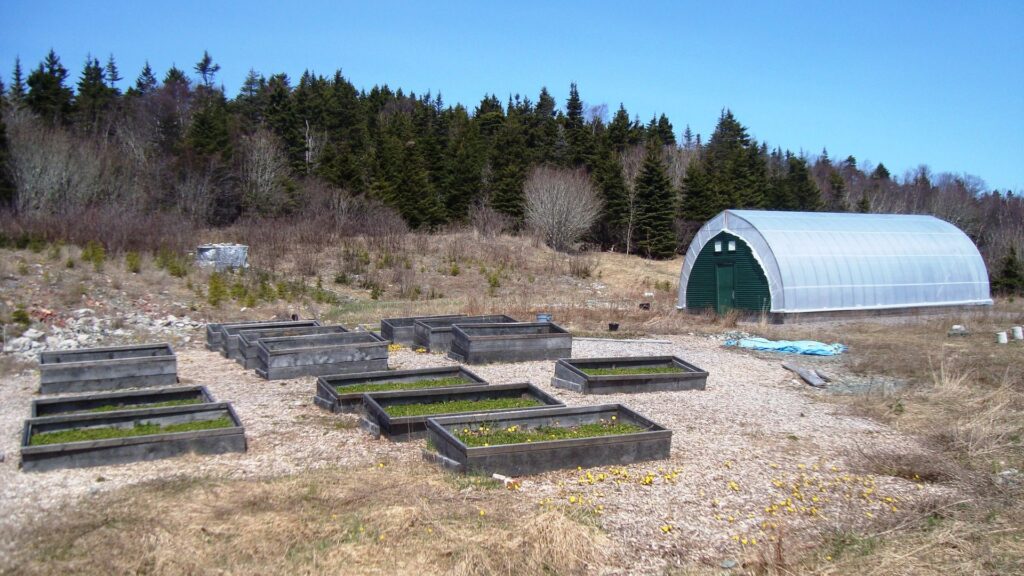
A raised bed is essentially a contained box, often built from wood, stone, or metal, filled with a custom blend of soil, compost, and other amendments. Because the gardener controls exactly what goes into that soil, it tends to be looser, richer, and better draining than the ground beneath it. Roots in a raised bed do not have to fight through compacted clay or rocky subsoil, so they can grow downward and outward more efficiently in less horizontal space.
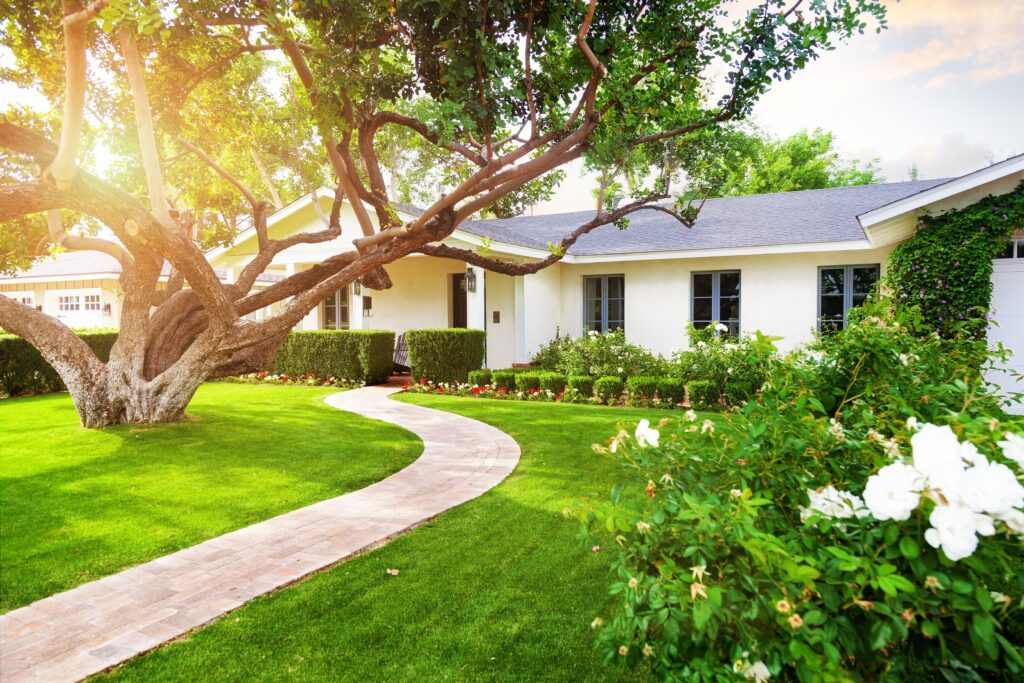
In-ground gardens rely on whatever soil already exists in the yard. That soil might be sandy, clay-heavy, rocky, or somewhere in between, and it usually has not been amended nearly as deeply as a raised bed. Roots in native soil often have to work harder and spread wider to find nutrients and moisture, which is one reason traditional spacing charts tend to recommend more room between plants.
This single difference in soil quality is the main reason a gardener cannot simply copy the spacing rules from an in-ground plot into a raised bed, or vice versa, without expecting some surprises.
How Raised Bed Soil Changes the Spacing Game
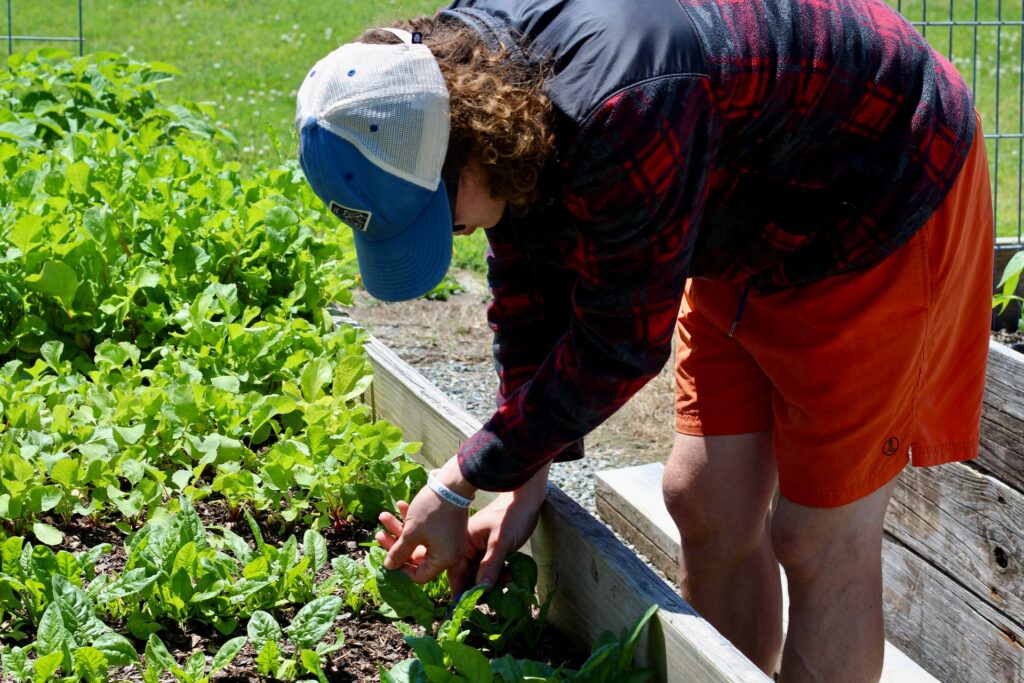
Because raised bed soil is loose and nutrient-dense, plants grown there can usually be spaced closer together than the same plants grown in native ground. Many experienced growers use what is often called square foot gardening, a method where a raised bed is divided into a grid of one-foot squares, and each square holds a set number of plants depending on their size. A single tomato plant might get one full square, while sixteen radishes could fit comfortably in that same square.
This tighter spacing works because raised bed roots do not need to travel far to find what they need. The soil is already rich in organic matter, moisture retention is more consistent, and drainage is improved, which reduces the competition between neighboring root systems. A gardener who has switched from in-ground rows to raised beds often notices they can fit nearly twice as many plants into the same physical footprint without sacrificing plant health.
That said, closer spacing is not an invitation to ignore spacing altogether. Air circulation still matters, and a raised bed packed too tightly can trap humidity around the leaves, inviting powdery mildew and other diseases. The goal is efficient use of space, not maximum crowding.
For anyone unsure exactly how far apart to place each vegetable in a new raised bed layout, it helps to run the numbers through a dedicated spacing tool rather than guessing, since bed dimensions and plant varieties can shift the ideal layout more than most people expect.
Why In-Ground Gardens Usually Need Wider Spacing
In-ground gardens, especially those planted in average backyard soil that has not been heavily amended, generally need more breathing room between plants. Roots have to search farther for water and nutrients, so giving them extra horizontal space reduces competition and helps each plant reach its full potential.
Traditional row gardening also factors in access. Gardeners walking between rows to weed, water, or harvest need enough space to move without stepping on roots or snapping stems. This is why classic spacing charts often list distances that seem generous compared to raised bed recommendations, sometimes calling for 24 to 36 inches between rows of larger vegetables like squash or corn.
Soil compaction is another factor unique to in-ground planting. Foot traffic, rainfall, and time all compress native soil, which can restrict root growth if plants are placed too close together. Raised beds avoid much of this problem simply because gardeners rarely step directly into the growing area, keeping the soil loose season after season.
A Closer Look at Popular Vegetables
Different plants have different needs, and spacing charts can vary quite a bit depending on the variety, the climate, and the growing method. A gardener who has grown tomatoes in both raised beds and open ground often notices that raised bed tomatoes can be planted slightly closer, sometimes around 18 to 24 inches apart, compared to 24 to 36 inches recommended for in-ground rows, largely because the richer soil supports a denser root system in less space.
Peppers behave in a similar way. In a raised bed, peppers often thrive when spaced about 12 to 16 inches apart, while in-ground peppers usually do better with a bit more room, closer to 16 to 20 inches, to compensate for less consistent soil nutrition.
Cucumbers, especially vining types, need generous space no matter where they grow, but raised beds allow for vertical trellising that can shrink the required footprint dramatically. Lettuce and other leafy greens are among the most forgiving crops, since they have shallow roots and can be packed fairly close together in either setting, though raised beds still allow for slightly tighter rows.
Because these differences add up across an entire garden layout, many gardeners find it useful to compare exact distances side by side rather than relying on memory, and a page covering ideal distances for common vegetables can save a lot of trial and error, especially for beginners planning their first mixed bed.
Row Spacing Versus Individual Plant Spacing
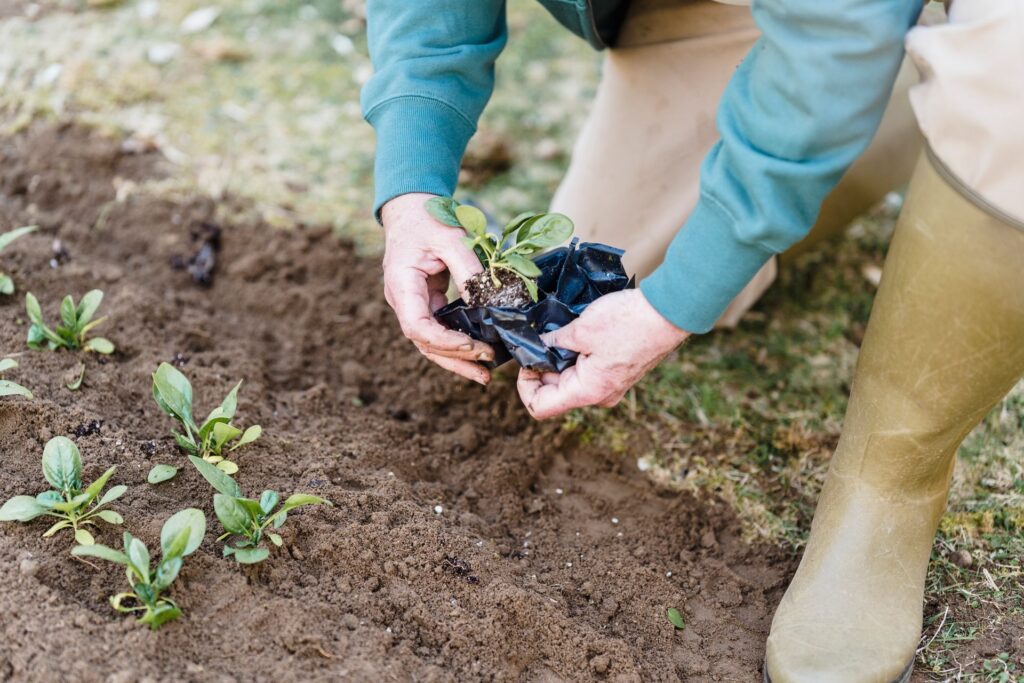
One confusion that trips up even experienced gardeners is the difference between the space between individual plants and the space between entire rows. These are not the same measurement, and mixing them up is one of the fastest ways to end up with an overcrowded or wildly inefficient garden.
Plant spacing refers to the distance between two plants sitting in the same row, side by side. Row spacing, on the other hand, refers to the distance between one row and the next, which usually needs to be wide enough for a gardener to walk through, kneel down, or wheel a small cart along. In an in-ground garden with long, traditional rows, this distinction matters quite a lot because access paths take up real space that has to be planned for.
In a raised bed, the concept of rows often gets replaced by the grid system mentioned earlier, but the underlying idea is still relevant. A gardener who understands the difference between row spacing and plant spacing tends to design far more efficient layouts, whether they are working with a 4-by-8-foot raised bed or a quarter-acre in-ground plot.
Common Mistakes That Ruin a Good Layout
Even gardeners who have been at this for years fall into a handful of predictable traps. Overcrowding is the most common one, usually born from optimism during planting season when tiny seedlings look like they could never possibly need that much room. A few weeks later, those seedlings have turned into a tangled jungle competing for sunlight and airflow.
Another frequent error is copying spacing instructions from one growing method directly into another without adjusting for soil quality. A gardener who follows an in-ground spacing chart while planting in a nutrient-rich raised bed often ends up with far more empty space than necessary, wasting valuable growing area that could have supported additional plants.
Ignoring mature plant size is another classic misstep. A seedling that looks small and harmless in April can spread three or four feet wide by July, especially with sprawling plants like squash or melons. Planning spacing based on the plant’s size at harvest time, not at planting time, prevents this kind of surprise.
Poor sunlight planning also ruins otherwise solid spacing decisions. Taller plants placed on the sunny side of a bed can shade out shorter plants nearby, stunting their growth regardless of how much horizontal space they were given. Because these errors are so common, it can be genuinely useful to review a full list of frequent spacing errors before finalizing a garden plan, since many of them are easy to avoid once a gardener knows what to look for.
Soil Depth and Root Development
Spacing decisions cannot be separated from soil depth. Raised beds typically offer at least 10 to 12 inches of loose, amended soil, which allows roots to grow downward instead of only spreading sideways in search of nutrients. This vertical growth pattern is a major reason raised bed plants tolerate closer spacing so well.
In-ground gardens vary wildly in depth depending on the natural soil profile. Some yards have deep, loamy soil that rivals a raised bed, while others sit on top of just a few inches of usable topsoil before hitting clay or rock. A gardener working with shallow native soil often has no choice but to widen plant spacing, since roots cannot travel down and must instead spread outward to access enough nutrients and moisture.
Testing soil depth and quality before planting season begins can save a tremendous amount of frustration later. A simple shovel test, digging down about a foot in a few different spots, gives a good sense of whether the ground supports tighter in-ground spacing or whether extra room should be built into the plan.
Watering Patterns and Their Effect on Spacing
Water access plays a bigger role in spacing decisions than most beginners realize. Raised beds drain faster than in-ground plots because of their loose soil structure, which means they often need more frequent watering, especially during hot summer stretches. Closer plant spacing in a raised bed can actually help here, since the plants’ combined canopy shades the soil and slows evaporation, working almost like a natural mulch layer.
In-ground gardens tend to retain moisture longer, particularly in soil with higher clay content, but that same moisture retention can become a problem if plants are spaced too closely, since excess humidity around crowded leaves invites disease. This is part of why in-ground spacing often leans wider, allowing airflow to dry out leaves after rain or watering sessions.
A gardener who pays attention to how quickly their soil drains after a good watering can use that information to fine-tune spacing decisions, tightening things up in fast-draining raised beds and loosening them in slower-draining ground.
Vertical Growing as a Spacing Solution
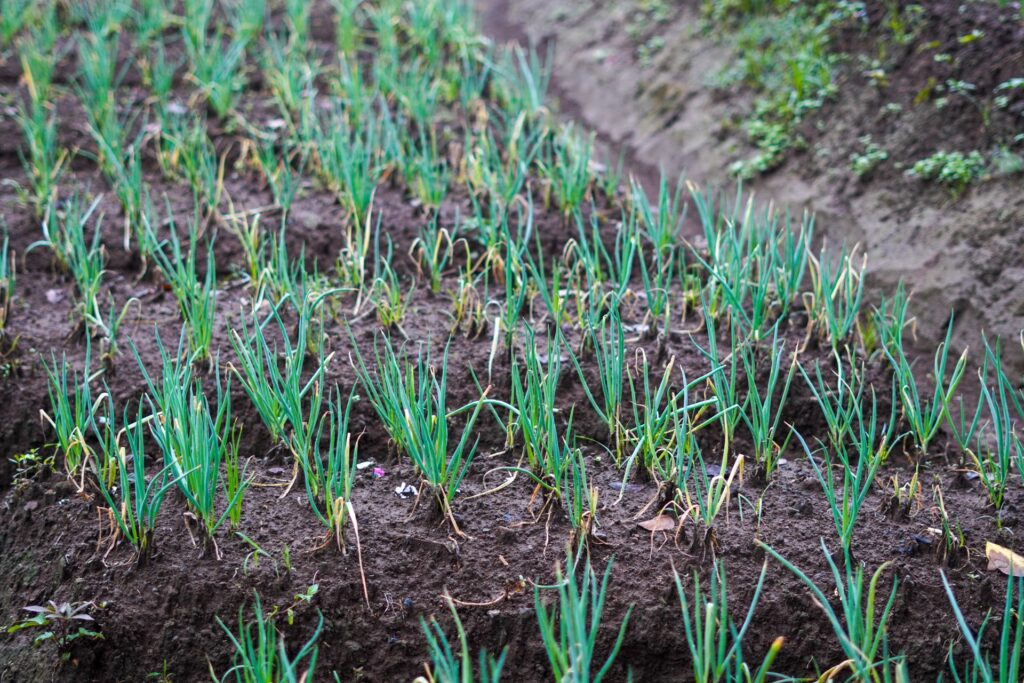
Vertical gardening has become one of the most popular ways to solve spacing challenges in both raised beds and in-ground plots. Trellises, cages, and stakes allow vining plants like cucumbers, pole beans, and even some melon varieties to grow upward instead of sprawling across the ground, freeing up significant horizontal space.
Raised beds are particularly well suited to vertical structures because their defined edges make it easy to attach trellising panels or install permanent stake systems. A raised bed that uses vertical supports can often hold two or three times as many vining plants as the same footprint left to sprawl naturally along the soil.
In-ground gardens can absolutely use vertical growing too, though the structures usually need to be sturdier and more securely anchored since there is no wooden frame to attach hardware to. Either way, thinking vertically is one of the smartest ways to maximize a small growing space without sacrificing the spacing each plant needs to thrive.
Using Tools Instead of Guessing
Spacing charts are helpful, but they rarely account for every variable a real garden presents, things like bed shape, companion planting choices, or specific plant varieties that grow larger or smaller than average. This is where digital tools have become genuinely useful for modern gardeners.
Plugging in bed dimensions and plant choices into a Plant Spacing Calculator takes the guesswork out of the equation entirely, generating a layout based on actual measurements rather than rough estimates. This kind of tool is especially helpful for anyone designing a raised bed for the first time, since it accounts for the tighter spacing that richer soil allows without requiring years of trial and error to figure it out.
Even experienced gardeners who have planted for decades often double-check their layouts against a calculator when trying a new vegetable variety or working with an unfamiliar bed size, simply because it removes the margin for error that comes with relying purely on memory.
Companion Planting and Its Influence on Spacing
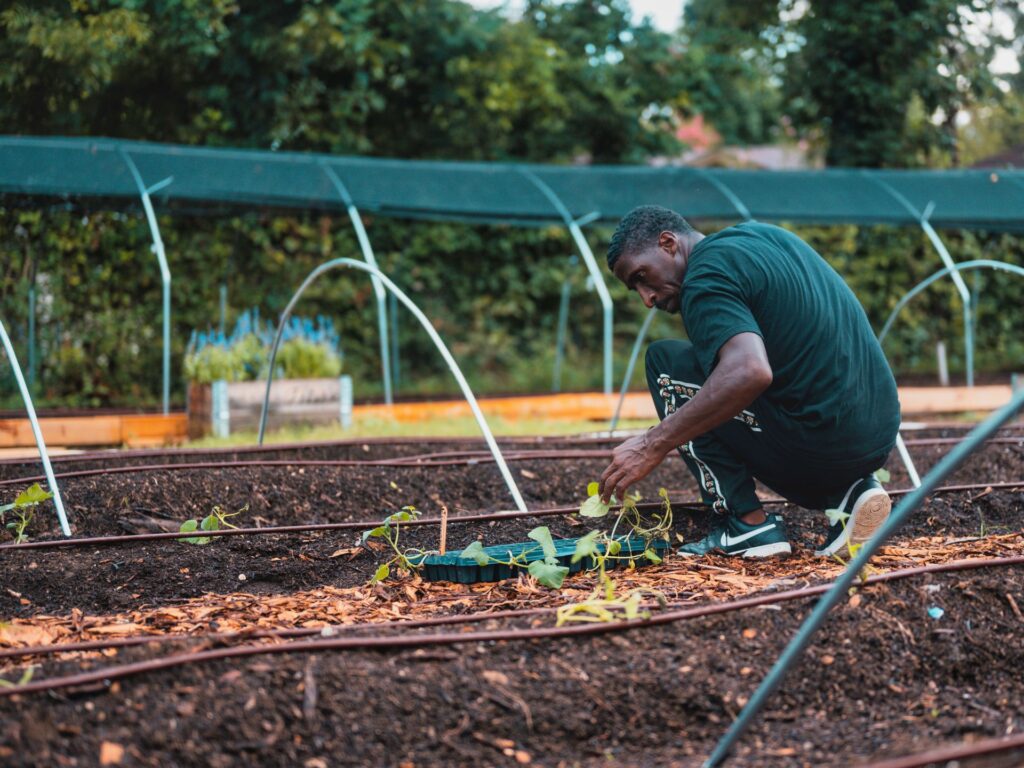
Spacing decisions also shift when companion planting enters the picture. Certain plant pairings, like basil next to tomatoes or marigolds bordering a vegetable patch, can be planted closer together than a spacing chart alone might suggest, since these combinations often support each other through pest deterrence or improved pollination.
Other combinations need more room than usual to avoid competition for the same nutrients. Members of the same plant family, such as multiple types of brassicas, often struggle when planted too closely together because they draw on nearly identical resources from the soil. A thoughtful gardener researches these relationships before finalizing a layout, adjusting spacing not just for plant size but for compatibility as well.
Raised beds, with their smaller and more controlled footprint, tend to make companion planting easier to manage, since it is simpler to track which plants sit next to which in a compact grid compared to sprawling in-ground rows that stretch across a much larger area.
Seasonal Adjustments Worth Remembering
Spacing needs can shift slightly from season to season depending on what is being planted and how the previous crop performed. A gardener who noticed powdery mildew creeping through a crowded raised bed of squash last summer might widen the spacing the following year, even if the original chart suggested tighter placement.
Cool-season crops like spinach, kale, and peas often tolerate closer spacing than heat-loving summer vegetables, since they grow more compactly and mature faster before disease pressure builds up. Warm-season crops, especially sprawling ones like melons and pumpkins, almost always benefit from extra room, particularly in-ground where they have space to spread their vines freely across open soil.
Keeping a simple garden journal from year to year, noting what spacing worked and what caused problems, turns out to be one of the most valuable habits a gardener can build. Over time, that journal becomes far more personalized and accurate than any generic chart could ever be.
Summary
- Plant spacing depends mainly on soil quality, not just the type of vegetable.
- Raised beds use loose, amended soil, so roots grow downward and plants can be spaced closer together.
- In-ground gardens rely on native soil, which is often less rich, so plants need wider spacing to find nutrients and moisture.
- Row spacing (between rows) and plant spacing (between individual plants) are different measurements and often confused.
- Popular vegetables like tomatoes, peppers, cucumbers, and lettuce each have different ideal distances depending on the growing method.
- Common mistakes include overcrowding, copying spacing charts across different growing methods, and ignoring a plant’s mature size.
- Soil depth affects spacing: deeper soil supports tighter spacing since roots can grow down instead of spreading out.
- Watering patterns differ — raised beds drain faster and often benefit from closer spacing, while in-ground soil holds moisture longer and needs more airflow.
- Vertical growing (trellises, stakes, cages) helps save space in both raised beds and in-ground plots.
- Companion planting can allow some plants to sit closer together, while others need extra room to avoid competing for nutrients.
Bringing It All Together
Choosing the right spacing for a raised bed versus an in-ground garden really comes down to understanding the soil beneath the plants. Raised beds, with their loose, nutrient-rich composition, generally support closer spacing and higher plant density, while in-ground gardens usually need extra room to compensate for less consistent soil quality and the practical need for walking access between rows.
Neither method is better than the other; they simply follow different rules. A gardener who takes the time to calculate spacing based on their specific setup, rather than copying advice meant for a different growing method, tends to end up with healthier plants, better yields, and far fewer surprises by midsummer. Spacing might seem like a small detail buried in the fine print of a seed packet, but it quietly shapes almost everything else that happens in the garden from that point forward.
Whether working with a brand-new raised bed or a decades-old in-ground plot passed down through the family, taking spacing seriously from the very first planting day pays off in stronger stems, fewer diseases, and a harvest that actually matches the effort put into growing it.
FAQs
How far apart should plants be spaced in a raised bed compared to in-ground?
Raised bed plants can usually be spaced 30–50% closer together than in-ground plants because the loose, nutrient-rich soil supports downward root growth instead of wide horizontal spreading.
What is the difference between row spacing and plant spacing?
Plant spacing is the distance between individual plants in the same row, while row spacing is the distance between one row and the next, which also needs to allow room for walking and access.
Why do raised beds allow closer plant spacing than in-ground gardens?
Raised beds contain loose, amended soil that’s rich in nutrients and drains well, letting roots grow deep instead of wide, while in-ground soil often forces roots to spread outward, requiring more space.
What is the ideal spacing for tomatoes in a raised bed?
Tomatoes in a raised bed typically do well spaced 18 to 24 inches apart, compared to 24 to 36 inches recommended for in-ground rows.
What are the most common plant spacing mistakes gardeners make?
The most frequent mistakes include overcrowding plants, copying in-ground spacing charts directly into raised beds, ignoring a plant’s mature size, and placing taller plants where they shade out shorter ones.