- Space plants based on their mature size, not their seedling size, since crowding cuts light, airflow, and nutrients.
- Tomatoes need 24 to 36 inches, while vining crops like cucumbers and squash need 4 feet or more of spread.
- Adjust spacing for soil quality — richer, well-amended soil supports slightly tighter planting.
- Give companion plants their own dedicated space instead of tucking them into leftover gaps.
- Use a Plant Spacing Calculator instead of guessing to get exact numbers for the bed size.
- Thin crowded seedlings mid-season and prune lower leaves to fix spacing mistakes after planting.
Every gardener remembers that one season when the tomatoes looked sad, the lettuce bolted early, and the peppers just refused to grow bigger than golf balls. Most of the time, the soil was fine, the water was fine, and the sunlight was fine too.
The real problem was hiding in plain sight: the plants were simply too close together, or too far apart, fighting each other for room, light, and nutrients. Spacing is one of those things that looks simple on a seed packet but trips up even people who have been growing food for years.
This article walks through the most common spacing mistakes gardeners make, why they happen, and how to fix them based on real growing seasons and real trial and error. Nothing here is theoretical. It comes from watching plants struggle, pulling them out, replanting, and learning the hard way what actually works in a backyard bed rather than in a textbook diagram.
Why Spacing Matters More Than Most Gardeners Realize
A lot of new gardeners think spacing is just about giving roots enough dirt to spread into. That’s part of it, but it’s not the whole story. Proper spacing controls four things at once: sunlight access, airflow, nutrient competition, and disease spread. When plants are crammed together, the lower leaves stop getting light, which weakens the whole plant even before disease shows up. Airflow drops too, and that’s when powdery mildew and blight start creeping in, especially in humid weeks.
On the flip side, spacing plants too far apart wastes garden space and lets weeds take over the gaps. It also means fewer plants per square foot, which directly cuts down on total harvest weight by the end of the season. Getting the balance right isn’t about following a single magic number. It’s about understanding what each plant actually needs to reach its full size without stepping on its neighbor’s roots.
Anyone who has used a simple tool to calculate plant spacing in garden beds before planting knows how much guesswork that removes from the process. Instead of eyeballing distances and hoping for the best, a quick calculation based on mature plant size gives a clear starting point that can then be adjusted for the specific variety being grown.
1. Planting Too Densely to “Save Space”
This is probably the single most common mistake, and it comes from a good place. Gardeners look at a young seedling, maybe three inches tall, and think there’s no way it needs eighteen inches of room in every direction. So they squeeze in extra plants, telling themselves they’ll thin things out later. Later rarely comes, because by the time the plants are crowding each other, pulling one out feels like a waste of a plant that’s already growing.
The result is a jungle of competing root systems by midsummer. Tomatoes planted twelve inches apart instead of the recommended twenty-four to thirty-six inches will grow taller and leggier as they stretch for light, but they’ll produce far fewer fruits per plant. Peppers packed too tight stay stunted and yellowish because they’re constantly competing for nitrogen. Even leafy greens like lettuce, which seem like they’d be fine crowded, end up small and bitter when they don’t have room to fill out properly.
The fix is almost embarrassingly simple: trust the spacing guidelines and thin ruthlessly when seedlings get crowded. It feels wasteful in the moment, but a garden with fewer, healthier plants almost always outproduces a garden stuffed with weak, competing ones. A gardener who has grown tomatoes, peppers, and cucumbers side by side for several seasons can attest that the year spacing was finally respected was the year harvests roughly doubled, even though fewer seedlings went into the ground.
2. Ignoring the Difference Between Varieties
Not all tomatoes are the same. Not all lettuce is the same either. This sounds obvious, but it’s one of the most overlooked spacing mistakes. A determinate tomato variety that stays compact and bushy needs very different spacing than an indeterminate variety that can grow six feet tall and keep sprawling all summer. Using a single spacing rule for every tomato plant in the bed is a recipe for some plants thriving while others get smothered.
The same logic applies across the vegetable patch. Cherry tomatoes need less room than beefsteak varieties. Bell peppers spread out more than smaller hot pepper varieties. Romaine lettuce grows upright and needs less lateral space than a loose-leaf variety that sprawls outward. Cucumbers grown on a trellis need far less ground space than cucumbers left to vine along the soil.
Checking variety-specific spacing before planting saves a lot of headaches later. There’s a detailed breakdown of ideal spacing for the most commonly grown vegetables that many home gardeners rely on each spring, comparing tomatoes, peppers, cucumbers, and lettuce side by side so the differences are easy to see at a glance. Reading through variety-specific numbers instead of relying on a general seed packet recommendation makes a noticeable difference in how evenly a bed fills in by midseason.
3. Forgetting That Plants Grow Sideways, Not Just Up
It’s easy to picture a plant’s final height and forget about its width. A pepper plant might only reach two feet tall, but it can spread just as wide, and that lateral growth needs just as much planning as vertical growth. Squash and cucumber vines are the worst offenders here. A single zucchini plant can spread four feet or more in every direction by late summer, yet gardeners often plant them like they’re small, tidy little bushes.
This mistake shows up most dramatically in vining crops. Someone plants a row of cucumbers a foot apart, thinking they look neat and orderly in June. By August, the vines have tangled into an impenetrable mat, fruits are hiding under leaves and rotting before anyone finds them, and disease is spreading through the dense foliage because air can’t move through it. The harvest ends up smaller and messier than if half as many plants had been given proper room.
The lesson here is to always plan for the plant’s mature footprint, not its current size. Sketching out a bed layout using mature spread numbers, rather than what the seedling looks like on planting day, prevents this problem entirely. Vertical trellising also helps enormously for vining crops, since it lets gardeners grow more plants in less ground space by sending the growth upward instead of outward.
4. Spacing Everything the Same Regardless of Soil Quality
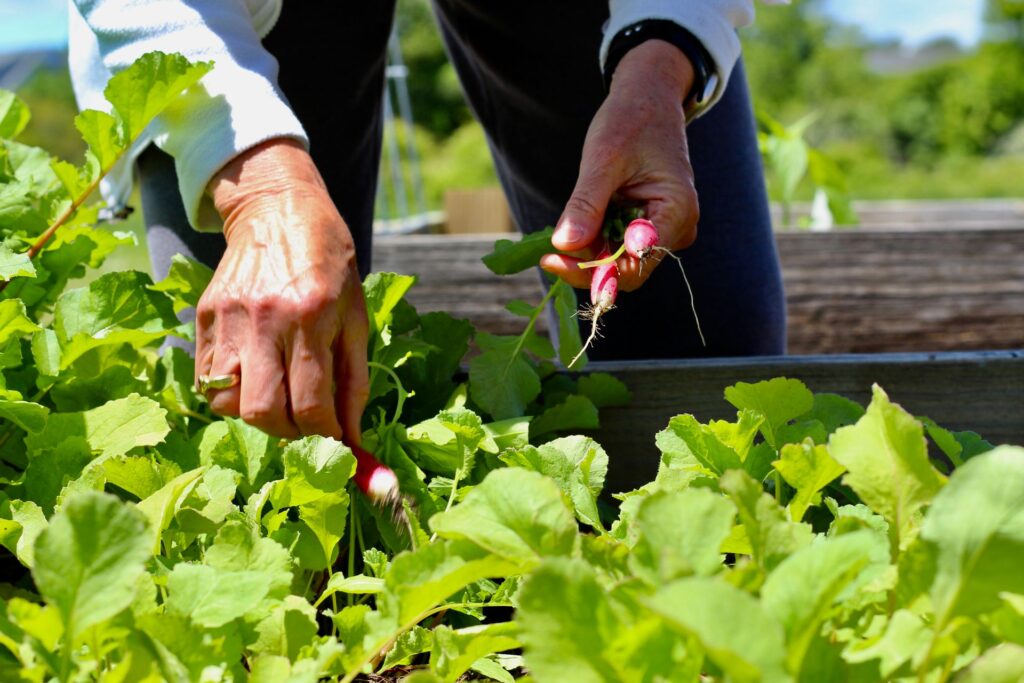
This one surprises a lot of people. Spacing recommendations on seed packets assume decent, average soil. But real garden soil varies a lot from bed to bed and even within the same bed. In rich, well-amended soil, plants can sometimes be spaced slightly closer because nutrients aren’t the limiting factor. In poorer or compacted soil, the same spacing might lead to stunted, competing plants because there simply isn’t enough available nutrition to go around.
Raised beds filled with a quality soil mix tend to support slightly denser planting than an in-ground bed with heavier clay or sandy soil. Gardeners who have compared results between a raised bed with a rich compost-based mix and an older in-ground plot with average native soil often notice the raised bed can handle plants a few inches closer together without any drop in yield, simply because the roots have better access to nutrients and moisture throughout the season.
This doesn’t mean spacing rules should be thrown out. It means they should be treated as a solid starting point that gets adjusted based on real conditions. A gardener who tests soil, adds compost, and improves drainage can often afford slightly tighter spacing than someone working with poor, unimproved ground.
5. Not Accounting for Companion Planting Needs
Companion planting is popular, and for good reason. Pairing plants that help each other, like basil near tomatoes or marigolds near just about everything, can improve pest resistance and even flavor. But companion planting adds a spacing complication that a lot of gardeners forget about: the companion plant still needs its own room.
Tucking a basil plant directly at the base of a tomato plant might look charming, but both plants end up competing for the same patch of soil and the same light. The tomato may shade out the basil completely by midsummer, or the basil’s roots may steal moisture the tomato needs during a dry spell. The better approach is to treat companion plants as part of the overall spacing plan from the start, giving each one its own defined area rather than squeezing it into leftover gaps.
Marigolds, nasturtiums, and other smaller companion plants are more forgiving because they take up less room, but even they need enough space to actually do their job of attracting pollinators or repelling pests. A companion plant that’s shaded out and struggling isn’t going to provide much benefit to its neighbors anyway.
6. Using a Flat Grid Instead of Thinking in Zones
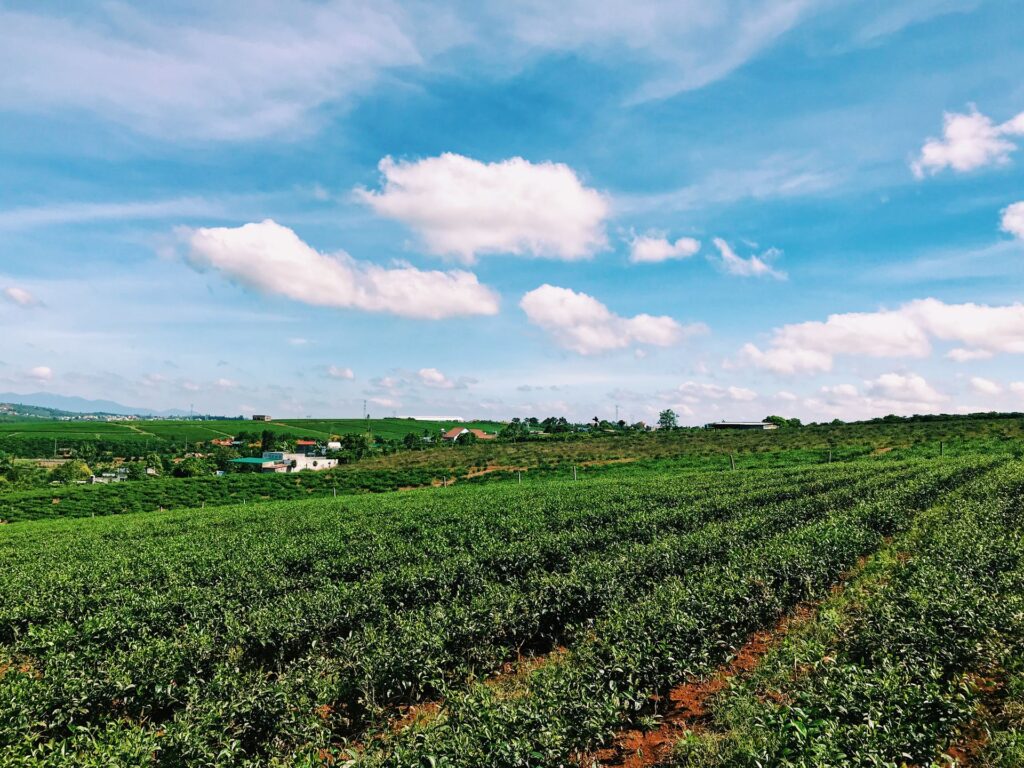
Many gardeners default to planting everything in straight, evenly spaced rows because it’s tidy and easy to plan. But a flat grid layout often wastes space and ignores how different plants actually grow. Taller plants like tomatoes and trellised cucumbers should generally go on the north side of a bed so they don’t shade shorter plants like lettuce and herbs throughout the day.
Thinking in zones, rather than a single uniform grid, solves a lot of spacing headaches at once. A tall zone, a medium zone, and a low zone allow every plant to get the light it needs without overcrowding on paper looking correct but performing poorly in reality. This is especially true in smaller backyard beds where every square foot counts and shade patterns shift noticeably as the season progresses.
Using a layout-based approach rather than a rigid grid also makes it easier to rotate crops each season, which helps prevent soil-borne diseases from building up in one spot year after year.
7. Skipping the Math and Just Guessing
This might be the most avoidable mistake on the list. A lot of gardeners plant by feel, using a hand span or a rough visual estimate to decide how far apart seeds or seedlings should go. That works fine for experienced growers who have made every mistake already and adjusted through instinct. For everyone else, it usually leads to either overcrowding or wasted space.
Using a Plant Spacing Calculator takes the guesswork out entirely. Instead of estimating, a gardener can plug in the specific vegetable, the bed size, and get a clear number of plants and exact spacing distances that fit the space perfectly. This is especially helpful for raised beds and square-foot gardens where every inch matters and there’s no room for a miscalculation that leaves half the bed empty or the other half overcrowded.
Gardeners who switch from guessing to actually calculating spacing before planting day consistently report more even growth across the bed, fewer competing plants, and less time spent thinning or transplanting mid-season to fix crowding mistakes made early on.
8. Ignoring Root Depth and Root Spread
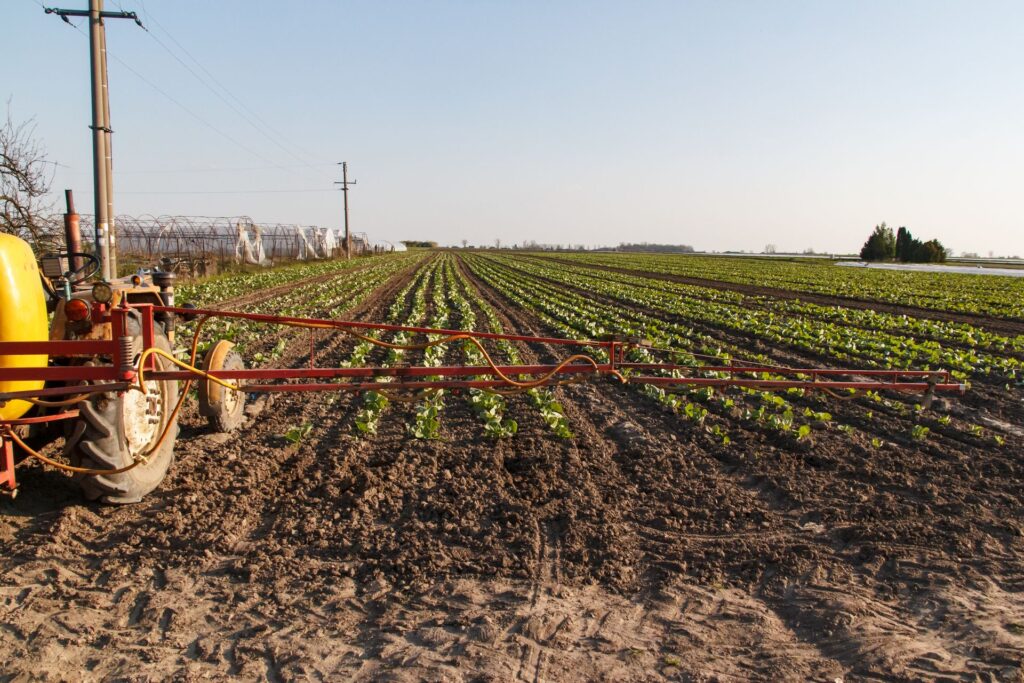
Spacing conversations almost always focus on what’s visible above the soil, but root systems matter just as much. Some plants, like carrots and radishes, have narrow, deep root systems and don’t need much lateral spacing at all. Others, like squash and melons, have wide, shallow root systems that spread out several feet in every direction, competing aggressively with anything planted nearby, even if the above-ground foliage looks like it has plenty of room.
Planting a shallow-rooted crop like lettuce too close to a wide-rooted crop like squash can lead to the lettuce losing the competition for surface moisture and nutrients, even though the two plants don’t look like they’re crowding each other visually. This is a subtle mistake that even fairly experienced gardeners overlook because it isn’t obvious just by looking at the bed from above.
Learning the general root habits of common vegetables, deep and narrow versus shallow and wide, helps avoid this invisible competition. Pairing deep-rooted and shallow-rooted plants together, rather than two shallow-rooted or two wide-spreading plants, tends to reduce underground competition significantly.
9. Not Adjusting Spacing for Container and Raised Bed Gardening
Standard spacing guidelines are usually written for traditional in-ground rows. Container gardening and raised bed gardening often need different math entirely. In a container, roots are physically limited by the pot walls, so spacing has to account for the reduced volume of soil available to each plant, not just the surface area.
A common mistake is applying in-ground spacing rules directly to a raised bed without adjustment. Raised beds typically have looser, richer soil than in-ground plots, which supports denser root growth, but they also have a fixed depth that in-ground plots don’t have. A tomato in a raised bed with only twelve inches of soil depth won’t develop the same root system as one in deep native soil, even if the horizontal spacing is identical.
Gardeners moving from traditional rows to raised beds for the first time often benefit from rethinking spacing from scratch rather than assuming the old rules still apply. Testing a slightly tighter spacing in a raised bed, then observing how plants respond over a full season, is a practical way to dial in what actually works for that specific bed’s soil depth and mix.
How to Fix Spacing Mistakes Mid-Season
Sometimes the mistake is already made and the plants are in the ground. The good news is that spacing problems can often be partially corrected even after planting. Thinning is the most direct fix. Pulling out the weakest of a group of crowded seedlings gives the remaining plants noticeably more room almost overnight. It feels wasteful, but a garden bed with healthy space between plants will outproduce a crowded one every time.
Pruning is another useful mid-season fix, especially for tomatoes and cucumbers. Removing lower leaves that aren’t getting light anyway improves airflow without reducing the plant’s overall size. Staking and trellising can also rescue a crowded bed by pulling growth upward instead of letting it sprawl sideways into neighboring plants.
For next season, taking notes on what worked and what didn’t is the single most valuable habit a gardener can build. Writing down which plants struggled, which thrived, and roughly how far apart everything actually ended up growing creates a personal reference that’s far more useful than any generic spacing chart, because it reflects the specific soil, climate, and growing style of that particular garden.
Summary
- Overcrowding is the most common spacing mistake, since gardeners squeeze in extra plants hoping to thin later, which rarely happens.
- Variety matters — determinate vs. indeterminate tomatoes, bushy vs. sprawling peppers, and upright vs. loose-leaf lettuce all need different spacing.
- Plants grow sideways as well as up, so vining crops like cucumbers and squash need room for their mature spread, not their seedling size.
- Soil quality affects spacing — richer, well-amended beds can handle slightly closer planting than poor or compacted soil.
- Companion plants need their own dedicated space rather than being squeezed into gaps near larger plants.
- Planting in a flat, uniform grid ignores sunlight patterns; grouping tall, medium, and low plants into zones works better.
- Skipping the math and guessing at distances often leads to overcrowding or wasted space.
- Root depth and spread matter as much as visible foliage — shallow and deep-rooted plants compete less when paired together.
- Container and raised bed spacing differs from in-ground rows due to limited soil volume and depth.
- Mid-season fixes like thinning, pruning, and trellising can rescue a crowded bed even after mistakes are made.
Final Thoughts
Spacing mistakes are easy to make and, thankfully, just as easy to fix once a gardener knows what to look for. Crowding plants out of excitement or a desire to maximize space is probably the most common misstep, followed closely by ignoring the differences between plant varieties and their root habits.
The good news is that none of these mistakes are permanent. A little planning before planting day, some thinning courage during the growing season, and a willingness to adjust based on real results year after year will steadily improve harvests.
Every experienced gardener has a story about the year they finally got spacing right and couldn’t believe how much bigger the harvest turned out. That transformation doesn’t require expensive tools or rare knowledge. It just requires respecting the space each plant actually needs to reach its full potential, and being willing to make adjustments based on what the garden itself is showing, season after season.
FAQs
How far apart should vegetable plants be spaced for the best harvest?
Spacing depends on the vegetable’s mature size, but most vegetables need 12 to 36 inches between plants. Tomatoes typically need 24 to 36 inches, while smaller crops like lettuce can be spaced 8 to 12 inches apart.
What happens if plants are spaced too close together?
Overcrowded plants compete for sunlight, water, and nutrients, which leads to weaker growth, smaller yields, and poor airflow that increases the risk of disease like powdery mildew and blight.
Does raised bed gardening need different spacing than in-ground rows?
Yes. Raised beds usually have richer, looser soil, which can support slightly tighter spacing, but limited soil depth means root systems don’t develop the same way as they would in deep native soil.
Can spacing mistakes be fixed after plants are already in the ground?
Yes. Thinning the weakest seedlings, pruning lower leaves for airflow, and using trellises for vining crops like cucumbers can correct overcrowding even mid-season.
Is there an easy way to calculate the right plant spacing before planting?
Yes. Using a Plant Spacing Calculator removes the guesswork by providing exact spacing distances and plant counts based on the specific vegetable and bed size.