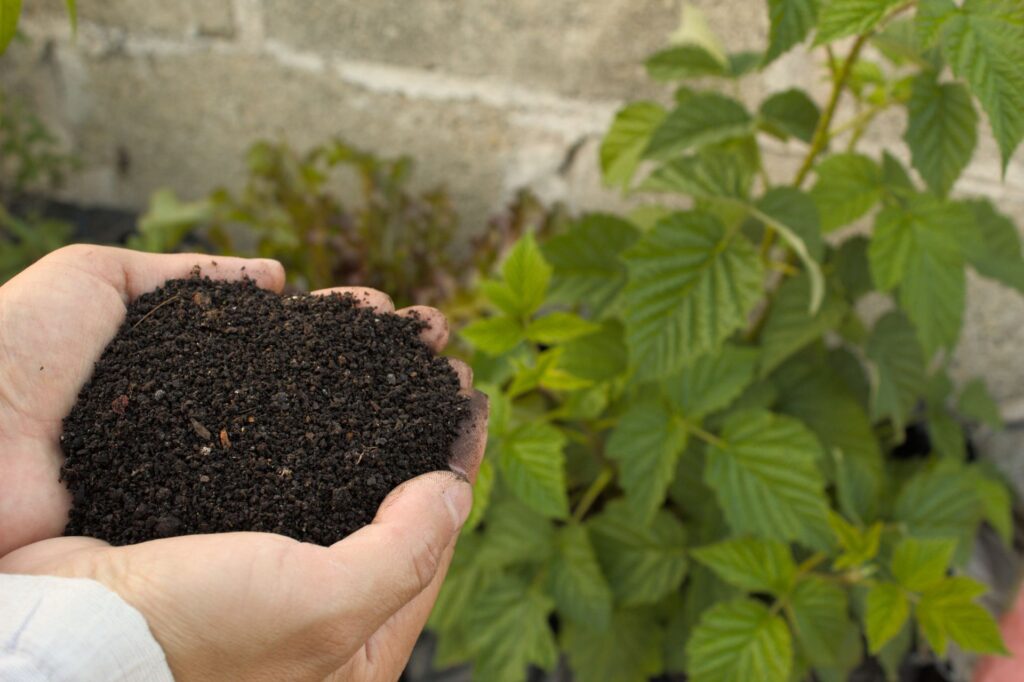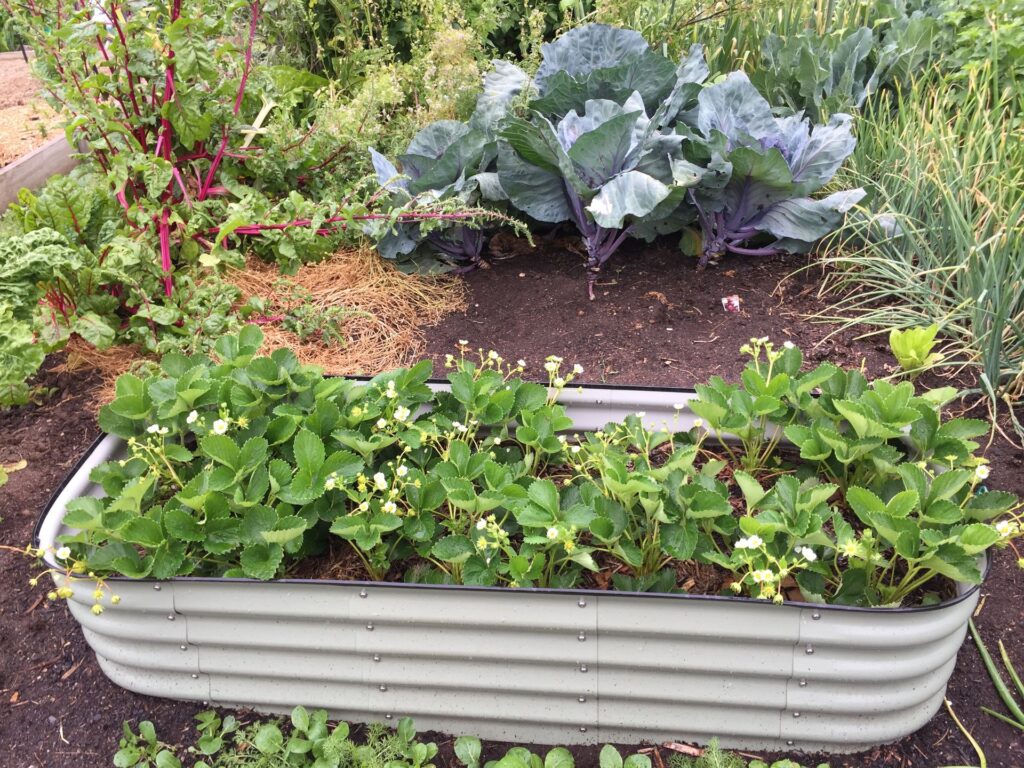
- Full soil replacement: every 5 to 7 years
- Partial refresh (top 2 to 4 inches): every 1 to 2 years
- Compost top-up: every growing season (spring and fall)
- Signs you need to act sooner: compacted or heavy soil, poor drainage, pale or stunted plants, soil level dropping noticeably, or a sour/musty smell
- If none of these signs appear: the existing soil is fine, just keep adding compost seasonally
Anyone who has spent a season tending a raised garden bed knows the soil does not stay the same forever. It shifts, settles, and changes character with every harvest. Gardeners often stand over their beds wondering whether the dark, crumbly mix from last year is still doing its job or whether it is quietly holding the garden back. That question deserves a clear, honest answer based on real gardening experience rather than guesswork.
This guide walks through exactly how often raised bed soil should be replaced, refreshed, or simply topped up, along with the signs that reveal when soil has worn out its welcome.
Why Raised Bed Soil Breaks Down Over Time
Raised bed soil is not like the ground beneath a forest, where leaves fall every year and nutrients cycle endlessly without human help. A raised bed is a closed system. Whatever nutrients the plants pull out of the soil do not return unless something is added back.
Every time a tomato plant grows fat red fruit or a row of carrots pushes out long orange roots, nitrogen, phosphorus, potassium, and dozens of trace minerals leave the bed along with the harvest. Watering compacts the particles together.
Micro organisms consume organic matter and turn it into carbon dioxide and water vapor, which simply drift away into the air. Over two to three years, this slow drain adds up, and a bed that once produced beautiful vegetables can start producing disappointing ones.
There is also a physical side to this breakdown. Soil that began as a fluffy, well-draining mix can compact into something closer to dense mud after repeated watering and foot traffic near the edges. Compacted soil holds less oxygen, and plant roots need oxygen just as much as they need water and nutrients.
A gardener who has dug into a three-year-old bed and felt how heavy and lifeless the soil has become understands this firsthand. It feels nothing like the airy mix that filled the bed on day one.
The Honest Answer: It Depends on the Bed, Not the Calendar
There is no single magic number that applies to every raised bed in every backyard. A bed that grows only herbs and lettuce will hold onto its quality far longer than one growing hungry crops like tomatoes, squash, and corn. Climate matters too. A bed in a rainy region loses nutrients faster through leaching, while a bed in a dry climate may compact faster from infrequent but heavy watering.
That said, most experienced gardeners follow this general rule:
- Full soil replacement: Every 5 to 7 years for most raised beds
- Partial soil refresh: Every 1 to 2 years, replacing the top 2 to 4 inches
- Nutrient top-up with compost: Every single growing season, ideally at the start of spring and again before fall planting
Notice that full replacement is the least frequent task on this list. Most raised beds never actually need to be emptied out and refilled from scratch as often as people assume. What they need is regular, smaller maintenance, the kind that keeps the soil alive and balanced without the labor and expense of starting over every year.
Signs That Tell You It Is Time for a Refresh
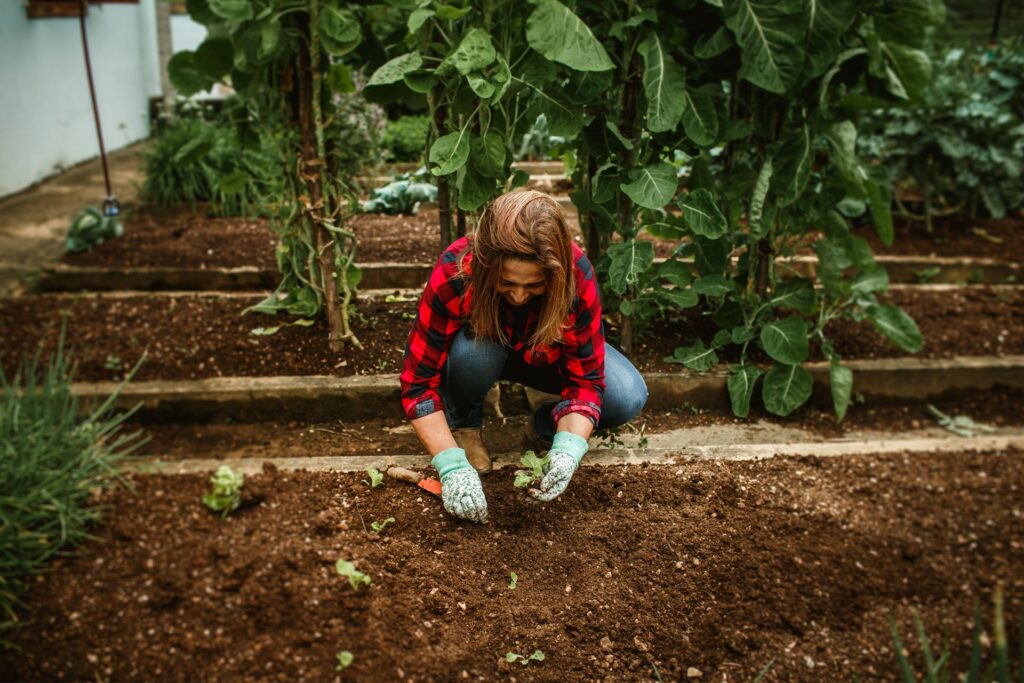
Numbers and timelines are useful, but soil does not actually read a calendar. It shows its age through physical and visual clues that any attentive gardener can learn to notice.
The Soil Looks Compacted and Heavy
Fresh raised bed soil should feel light in the hand, almost like a well-made cake batter that crumbles rather than clumps. When soil starts looking like dense clay, sticking together in heavy clods, or forming a hard crust on the surface after rain, this is one of the clearest signs that air pockets have disappeared. Roots struggle in compacted soil because they cannot push through it easily, and water tends to pool on top instead of soaking in.
Water Drains Too Fast or Not at All
Healthy raised bed soil holds moisture for a reasonable stretch of time without drowning the roots. When the mix has broken down too much, two opposite problems tend to show up. Either water rushes straight through because the organic matter has decomposed into something resembling powder, or water sits on top in puddles because compaction has sealed the surface. Either situation should be reviewed using a soil volume guide, which often helps gardeners realize the volume might need adjusting along with quality.
Plants Grow Slowly or Look Pale
A plant that should be a deep, healthy green but instead looks yellowish or stunted is often sending a signal about its soil, not just about pests or weather. Nutrient depletion shows up first in the older leaves, which often display the classic pale, washed-out look. If this happens across multiple plant varieties in the same bed, the soil itself is usually the common factor.
Soil Level Has Dropped Significantly
Raised beds naturally lose volume over time as organic matter decomposes and settles. A bed that started out filled to the brim but now sits 3 to 4 inches below the top edge has lost a meaningful portion of its material. This volume drop is not just a cosmetic issue, since less soil also means less root space and less of a buffer against temperature swings.
A Strange Smell or Visible Mold
Healthy soil has an earthy, pleasant smell, often compared to the scent right after rain. A sour, rotten-egg, or overly musty smell points to drainage problems and anaerobic conditions where beneficial organisms cannot survive. Visible white or gray mold on the surface, especially in shaded or humid beds, is another red flag that something in the soil composition has gone wrong.
Full Replacement vs Partial Refresh: What Is the Real Difference
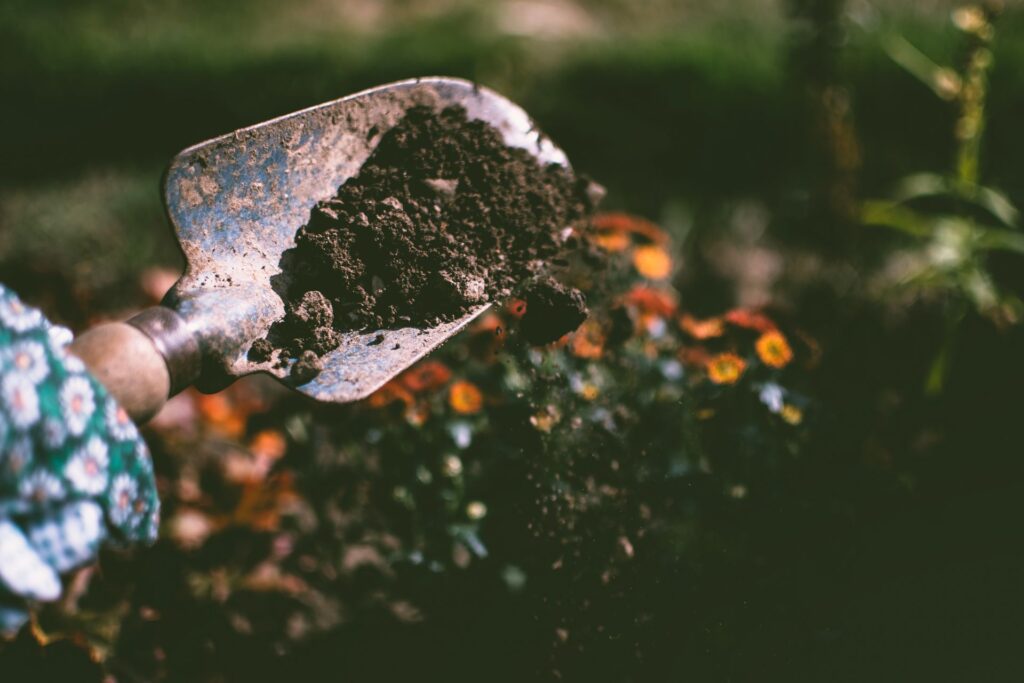
Many new gardeners assume that “replacing” raised bed soil always means digging everything out and starting over. In reality, gardeners with years of hands-on experience rarely do a complete teardown unless something has gone seriously wrong, such as contamination, severe pest infestation, or a bed that has been neglected for many years.
Full Replacement
This means removing all or nearly all of the existing soil and refilling the bed with a fresh mix. Full replacement makes sense in a few specific situations:
- The bed has been used for more than 7 years without any major amendment
- There has been a disease outbreak, such as blight or root rot, that lingers in the soil
- The soil tests positive for heavy metal contamination or chemical residue
- The bed was filled originally with poor-quality fill dirt rather than a proper growing mix
Full replacement is the most labor-intensive and costly option, so it should be treated as the exception rather than the routine. Before committing to a full teardown, it helps to check exact volume needs using a dedicated tool, since knowing the precise amount required prevents both running short midway through the project and overspending on excess material. A tool like the Raised Garden Bed Dirt Calculator makes this part of the process far less guesswork-driven, especially for beds with unusual shapes or depths.
Partial Refresh
This is the far more common and far more practical approach. A partial refresh involves removing the top layer, usually somewhere between 2 and 4 inches, and replacing it with new compost, aged manure, or a fresh soil blend. The deeper layers of soil, which have not been as heavily mined of nutrients and still retain decent structure, stay in place.
This method respects the fact that soil at depth often still contains valuable microbial life, beneficial fungi networks, and slow-release minerals that took years to establish. Disturbing all of that every season would actually set the garden back rather than help it.
How Bed Depth Affects Replacement Frequency
The depth of a raised bed plays a bigger role in soil longevity than most gardeners initially expect. A shallow bed, somewhere around 6 to 8 inches deep, holds a smaller total volume of soil, which means nutrients get depleted faster relative to a deeper bed of 18 to 24 inches. Shallow beds also dry out faster and heat up more quickly in summer, both of which accelerate the breakdown of organic matter.
Gardeners who are unsure whether their current bed depth is even appropriate for their crops should look into a depth reference guide, since correcting the depth itself can sometimes solve what looks like a soil replacement problem. A bed that is too shallow for the vegetables being grown will show the same symptoms as exhausted soil, things like stunted roots and poor yields, even if the soil itself is technically fine.
Deeper beds, by contrast, often need full replacement far less frequently because there is simply more soil volume acting as a nutrient reserve and more room for root systems to access undisturbed layers.
What Goes Into a Good Refresh Mix
When the time comes to top up or refresh raised bed soil, what goes back into the bed matters just as much as how often the task happens. A poor-quality refresh can undo all the benefit of doing the work in the first place.
A solid refresh mix generally includes:
- Compost, making up roughly 25 to 40 percent of the added material, to restore organic matter and feeding the soil’s microbial community
- Aged manure, in smaller proportions, for a slower nutrient release across the season
- Coconut coir or peat moss, to help retain moisture without causing waterlogging
- Coarse material like perlite or vermiculite, to keep drainage and aeration in check
Gardeners who want a dependable starting formula rather than building one from scratch often turn to a proven mix ratio, which lays out reliable ratios that work across most climates and crop types. Sticking to a tested recipe avoids the trial-and-error phase that often costs a season of poor harvests.
Common Mistakes That Shorten Soil Lifespan
Even gardeners who care deeply about their raised beds sometimes make small mistakes that quietly shorten the useful life of their soil. Recognizing these patterns early can stretch the time between major refreshes by years.
One frequent issue is over-tilling, where gardeners dig and turn the soil far more aggressively and far more often than necessary. This disrupts the delicate fungal networks that take a long time to establish and that actually help plants access nutrients more efficiently.
Another common problem is neglecting to rotate crops within the same bed, which causes specific nutrients to be drained disproportionately year after year, since different plant families pull different minerals from the soil at different rates.
Overwatering is another quiet culprit. It washes nutrients down past the root zone faster than plants can absorb them, essentially flushing fertility out of the bed entirely. On the flip side, letting soil dry out completely between waterings kills off beneficial microbes that need consistent moisture to survive.
A full breakdown of these issues can be found in a helpful mistakes rundown, which is worth a look for anyone trying to extend the lifespan of their current soil rather than rushing into a replacement.
A Realistic Maintenance Schedule
Rather than thinking about soil replacement as one big event, it helps to think in terms of a yearly rhythm. Here is what a well-maintained raised bed schedule tends to look like based on real seasonal practice:
Early spring, before planting begins, add a layer of compost roughly 1 to 2 inches thick and mix it gently into the top few inches of existing soil. This restores some of the nutrients lost over the previous growing season and reactivates microbial life that may have slowed down over winter.
Mid-season, particularly after a heavy-feeding crop like tomatoes or squash has been harvested, a light top-dressing of compost or worm castings can replenish nutrients before a second planting in the same bed.
Fall, after the final harvest, is the ideal time to assess the bed honestly. This is when compaction, drainage issues, and volume loss become most visible, since the bed is empty of plants and easy to inspect. Adding a layer of shredded leaves, straw, or compost at this stage and letting it break down over winter gives the soil a head start for spring.
Every 3 to 5 years, a deeper inspection should happen. Dig down 8 to 10 inches and check the texture, smell, and drainage of the soil at that depth. If it still feels loose and smells earthy, a partial refresh is probably enough. If it feels dense, smells off, or shows signs of disease, a fuller replacement becomes the more sensible option.
Does Soil Type Change the Timeline?

The type of original soil mix used when the bed was first filled does influence how often replacement becomes necessary. A bed filled with a high-quality blend of topsoil, compost, and aeration material from the start tends to need less frequent intervention than a bed filled cheaply with plain topsoil or unscreened fill dirt.
Beds built with a heavier ratio of compost from day one also tend to compact faster over time, since compost naturally settles and breaks down more than mineral soil does.
This means a bed that started out 70 percent compost might actually need a refresh sooner than one built with a more balanced 40 percent compost and 60 percent quality topsoil, even though the compost-heavy bed may have performed beautifully in its first year or two.
When Raised Bed Liners and Materials Play a Role
The material the bed itself is made from can subtly affect how often the soil inside needs attention. Wooden beds, especially untreated ones, can leach tannins into the soil as they age, which slightly alters soil pH over several years.
Metal beds can heat up significantly in direct sun, which accelerates moisture loss and organic matter breakdown in the top few inches. Beds lined with fabric or plastic sometimes trap excess moisture near the bottom if drainage holes are insufficient, leading to compaction issues much earlier than expected.
None of these factors mean a particular bed material is bad. They simply mean the replacement schedule outlined earlier should be treated as a flexible guideline, adjusted slightly based on what the bed itself is built from and how it behaves season after season.
Summary
- Why soil breaks down: Raised beds are closed systems — nutrients leave with every harvest and never return on their own, while watering compacts the soil over 2 to 3 years.
- General replacement schedule: Full replacement every 5 to 7 years, partial refresh (top 2 to 4 inches) every 1 to 2 years, and compost top-ups every growing season.
- Signs soil needs attention: Compacted or heavy texture, poor drainage (water pooling or rushing through), pale or stunted plants, soil level dropping 3 to 4 inches, or a sour/musty smell.
- Full replacement vs partial refresh: Full teardown is only needed for disease, contamination, or beds neglected over 7 years; partial refresh is the more common and practical choice.
- Bed depth matters: Shallow beds (6 to 8 inches) deplete faster than deep beds (18 to 24 inches), so checking proper depth can solve issues that look like soil problems.
- Good refresh mix: Roughly 25 to 40 percent compost, plus aged manure, coconut coir or peat moss, and perlite or vermiculite for drainage.
- Common mistakes to avoid: Over-tilling, skipping crop rotation, overwatering, and letting soil dry out completely.
- Maintenance rhythm: Add compost in early spring, top-dress mid-season after heavy feeders, refresh in fall, and do a deeper inspection every 3 to 5 years.
- Other factors: Original soil quality, compost ratio, and bed material (wood, metal, or lined) can all shift the timeline slightly.
- Bottom line: Watch the soil’s texture, smell, and plant response rather than relying purely on a calendar.
Final Thoughts
Soil in a raised bed is a living, evolving thing rather than a static ingredient that gets poured in once and forgotten. Most beds do not need a dramatic full replacement nearly as often as people assume, especially when small seasonal habits like adding compost, avoiding over-tilling, and rotating crops are kept up consistently.
A full teardown every 5 to 7 years, paired with lighter refreshes every 1 to 2 years and seasonal compost top-ups, keeps most raised beds productive and healthy for a very long time.
Paying attention to the soil’s texture, smell, drainage, and the way plants respond to it will always be a more reliable guide than any fixed number on a calendar. A gardener who checks in on their soil with curiosity rather than anxiety, season after season, will rarely be caught off guard by a bed that has quietly stopped performing.
FAQs
How often should you replace raised bed soil?
Most raised beds need a full soil replacement every 5 to 7 years, with smaller partial refreshes (top 2 to 4 inches) every 1 to 2 years and a compost top-up each growing season.
Can you reuse raised bed soil every year?
Yes, raised bed soil can be reused year after year as long as it gets replenished with compost or organic matter each season. Completely starting over every year is unnecessary and wastes both soil and money.
What are the signs raised bed soil needs to be replaced?
Common signs include compacted or heavy soil, poor drainage, pale or stunted plants, a noticeable drop in soil level, and a sour or musty smell coming from the bed.
Do you need to remove old soil before adding new soil to a raised bed?
Not usually. Most gardeners only remove the top 2 to 4 inches of old soil and replace it with fresh compost or mix, leaving the deeper layers undisturbed since they often still contain healthy microbial life.
How do you know if raised bed soil is depleted?
Depleted soil typically shows slow plant growth, pale or yellowing leaves, poor water retention, and a noticeable loss of volume compared to when the bed was first filled.