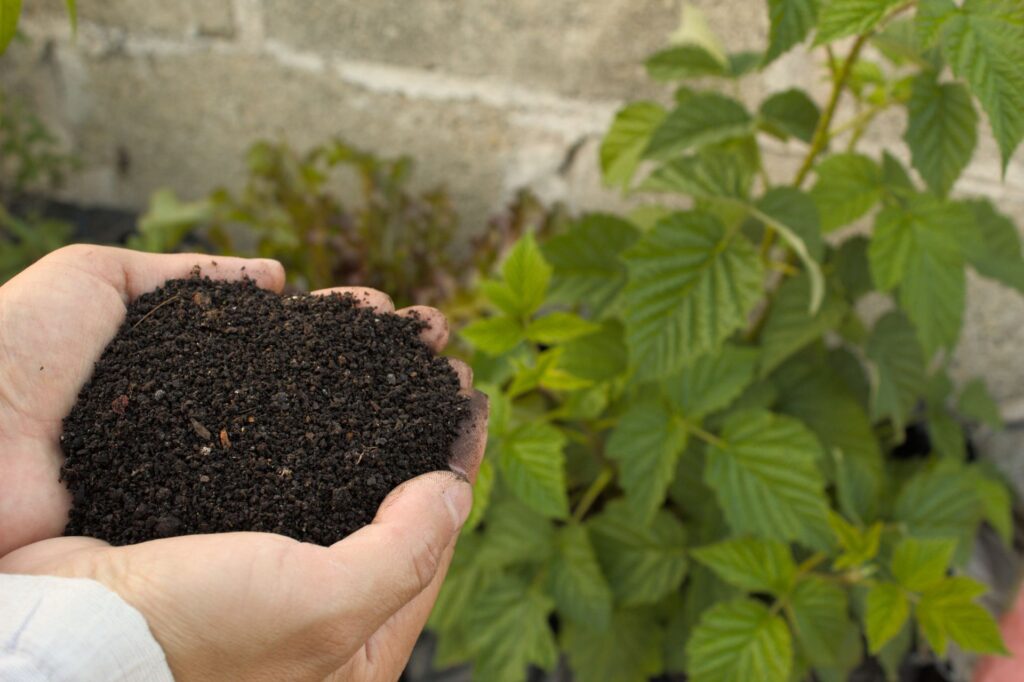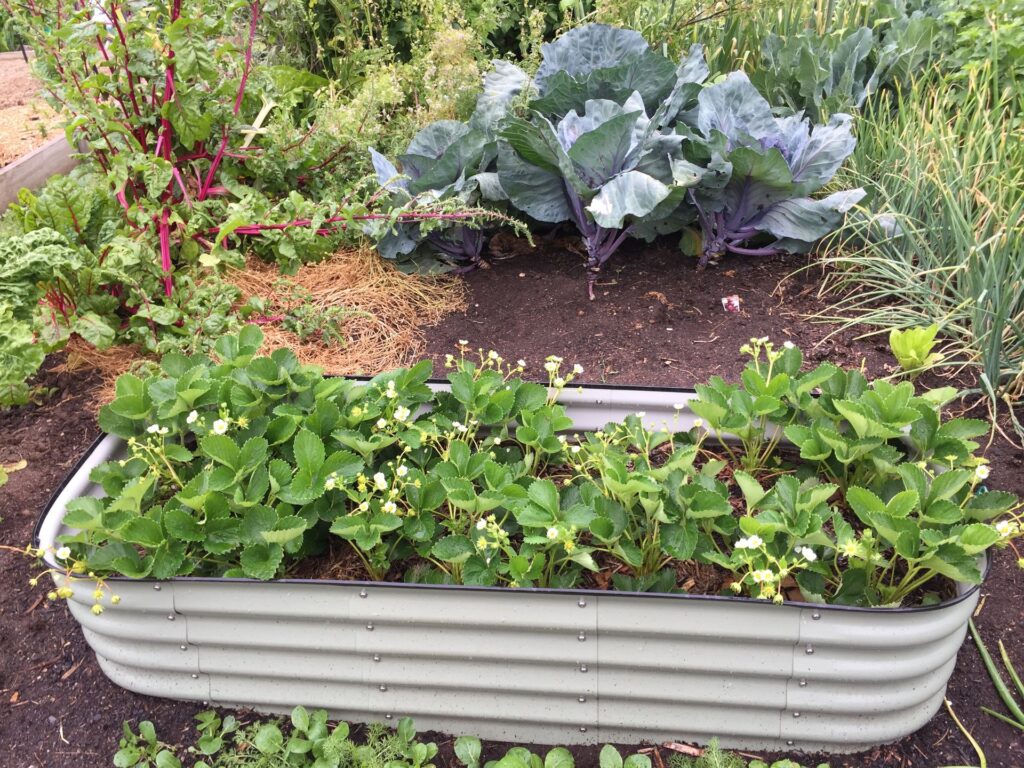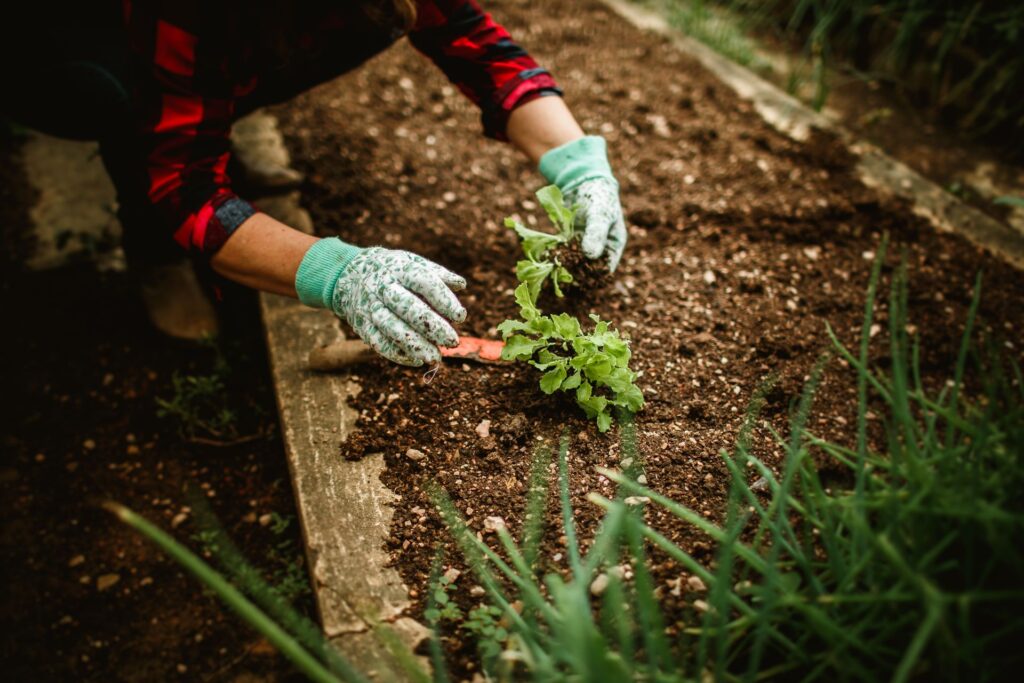
The best soil mix for Vego Garden raised beds is 40% compost, 30% topsoil, 20% perlite or pumice, and 10% coco coir. This blend keeps soil light, well-drained, and nutrient-rich, which helps roots grow deep and plants stay healthy through the whole growing season.
Every gardener remembers that first season when the plants just would not grow right. The leaves looked pale, the tomatoes stayed small, and the soil felt hard even after watering. It usually is not the seeds or the weather that causes this problem. Most of the time, it is the soil mix sitting inside the bed. A raised bed only performs as well as what fills it, and that single fact changes everything about how a garden turns out by the end of summer.
This guide walks through the best soil mix for Vego Garden raised beds, based on real gardening experience, tested ratios, and simple explanations that make sense even for a first-time grower. No confusing science talk here, just practical advice that actually works when the shovel hits the dirt.
Why Soil Mix Matters So Much in Metal Raised Beds
Vego Garden beds are made from galvanized steel, which is different from wooden or plastic beds in a few important ways. Steel beds drain differently, hold heat differently, and need a soil structure that stays light and airy instead of packing down into a brick-like layer.
A poor soil mix in a metal bed leads to three common problems: waterlogging near the bottom, compacted soil after a few months, and nutrient loss faster than expected. A well-built soil mix avoids all three issues by balancing drainage, moisture retention, and nutrition in one blended layer.
Many new gardeners assume that regular topsoil or bagged garden soil from a hardware store will do the job. It rarely does. Topsoil alone is often too dense, too heavy, and too poor in organic content for raised bed growing. Vego Garden beds need a lighter, richer blend designed specifically for container-style growing above ground level.
The Basic Formula That Works Best
After years of trial and error across different climates, most experienced raised bed gardeners agree on one core ratio that consistently produces strong, healthy growth:
- 40% high-quality compost
- 30% topsoil or garden soil
- 20% aeration material like perlite or pumice
- 10% coco coir or peat moss for moisture balance
This mix is not a random guess. It mirrors the structure of healthy natural soil while adding extra drainage and organic matter that raised beds specifically need. The compost feeds the plants, the topsoil provides mineral content and structure, the aeration material stops compaction, and the coir or peat holds just enough moisture without drowning the roots.
Gardeners who have grown tomatoes, peppers, squash, and leafy greens in this exact ratio often report fewer disease problems and noticeably deeper root systems by midseason. Deep roots mean stronger plants that handle heat waves and dry spells with far less stress.
Understanding Each Ingredient in the Mix
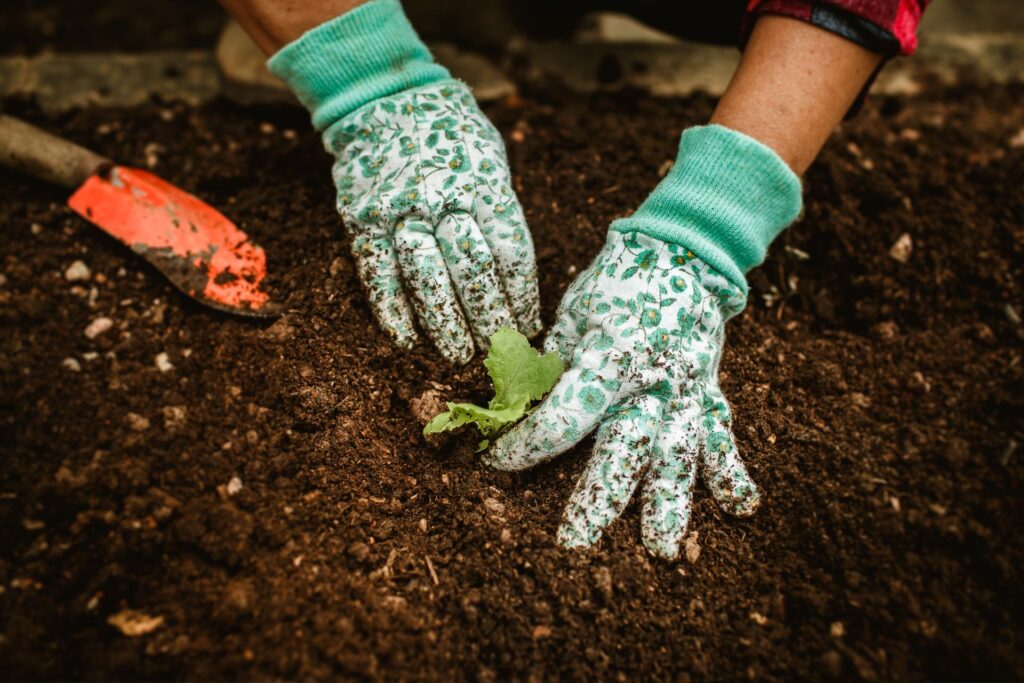
Compost: The Real Powerhouse
Compost is the single most important part of any raised bed soil mix. It introduces beneficial microbes, holds nutrients, and improves the texture of everything around it. Homemade compost works wonderfully if it has fully broken down, meaning it smells earthy rather than sour or rotten.
Store-bought compost also works well, though it pays to check the label. Compost with added mushroom compost or aged manure tends to perform better than plain leaf compost alone. A blend of two or three compost types often gives the richest results.
Topsoil: The Backbone Layer
Topsoil provides the mineral base that plants need for long-term nutrition. It should never make up more than 30% of the total mix because pure topsoil compacts quickly in a raised environment. Sandy loam topsoil tends to outperform clay-heavy topsoil by a wide margin since clay holds too much water and squeezes out oxygen from the root zone.
Perlite or Pumice: The Drainage Hero
This lightweight, porous material keeps the whole mix from turning into a dense block after a few rain showers. Perlite looks like small white pebbles and costs very little compared to the benefit it adds. Pumice works the same way but holds up slightly longer over multiple seasons, making it a smart long-term investment for anyone planning to reuse the same bed year after year.
Coco Coir or Peat Moss: The Moisture Manager
Coco coir has become the more popular choice recently because it is a renewable resource and holds moisture evenly without turning soggy. Peat moss still works fine, though it tends to be slightly more acidic, so a small amount of garden lime can balance the pH if peat moss is the chosen option.
A Step-By-Step Mixing Method That Actually Works
Mixing soil sounds simple, but doing it correctly saves a lot of trouble later. Here is a tested approach that many experienced Vego Garden owners follow:
- Lay out a large tarp on a flat surface, ideally near the raised bed itself to reduce carrying distance.
- Add the topsoil first since it is the heaviest material and sits at the bottom of the pile.
- Pour the compost directly on top and mix using a garden fork, turning the pile at least five to six times for even distribution.
- Sprinkle in the perlite or pumice gradually, mixing after each addition rather than dumping it all at once.
- Moisten the coco coir separately in a bucket before adding it, since dry coir resists mixing and clumps unevenly.
- Fold everything together one final time until the color and texture look uniform throughout the pile.
This method takes roughly thirty to forty-five minutes for a standard-sized bed, which is a small time investment compared to months of poor plant performance from a rushed, uneven mix.
Anyone who wants an exact number for how much material to prepare before starting this process can use the Vego Garden Soil Calculator to figure out precise volume needs based on bed dimensions, which removes the guesswork completely and prevents running short mid-project.
Adjusting the Mix Based on Bed Size
Vego Garden sells beds in several sizes, and the soil ratio shifts slightly depending on the depth and footprint of each model. Taller beds, especially those reaching 32 inches in height, need a modified layering approach since the bottom third rarely gets touched by plant roots.
For beds taller than 17 inches, filling the lower section with coarse organic material like small branches, wood chips, or straw creates a natural drainage layer while saving money on soil volume. This method, sometimes called the “lasagna method,” reduces the amount of purchased soil mix needed by nearly 30% without harming plant health, since roots for most vegetables rarely extend deeper than 12 to 14 inches anyway.
Shorter beds, such as the 11-inch models, need the full soil mix from bottom to top since there is no wasted depth to fill with filler material.
Common Mistakes That Ruin Good Soil Mixes
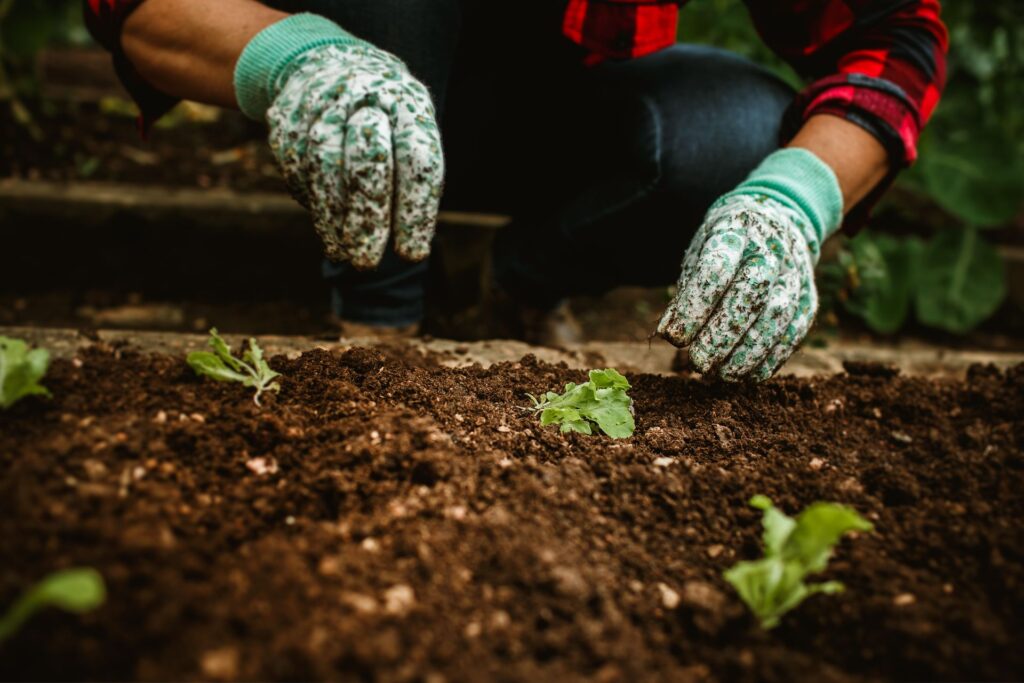
Using Straight Garden Soil
Garden soil pulled directly from the ground carries weed seeds, pests, and sometimes plant diseases. It also compacts far too quickly in a raised bed setting. This single mistake causes more raised bed failures than almost any other factor.
Skipping the Aeration Material
Some gardeners try to cut costs by skipping perlite or pumice entirely. Within a few months, the soil turns dense and hard, choking root growth and slowing water absorption dramatically.
Overloading with Compost
More compost does not always mean better results. Compost percentages above 50% can actually burn young seedlings due to excess nitrogen and salt content, especially with fresh or partially finished compost.
Ignoring pH Balance
Most vegetables prefer a soil pH between 6.0 and 7.0. Skipping a simple pH test before planting leads to nutrient lockout, where nutrients exist in the soil but plants cannot absorb them properly due to imbalanced acidity or alkalinity.
How Much Soil Does a Vego Garden Bed Actually Need
Volume calculations trip up a surprising number of gardeners, especially those filling a raised bed for the first time. Getting the depth wrong by even a few inches can throw off the entire soil budget for a project.
As a general reference point, a standard 4×8 foot bed at 17 inches deep requires close to 34 cubic feet of soil mix when filled completely. Using the lasagna filling method described earlier can reduce that number to roughly 24 cubic feet, saving both money and physical effort during setup.
Maintaining Soil Quality Season After Season
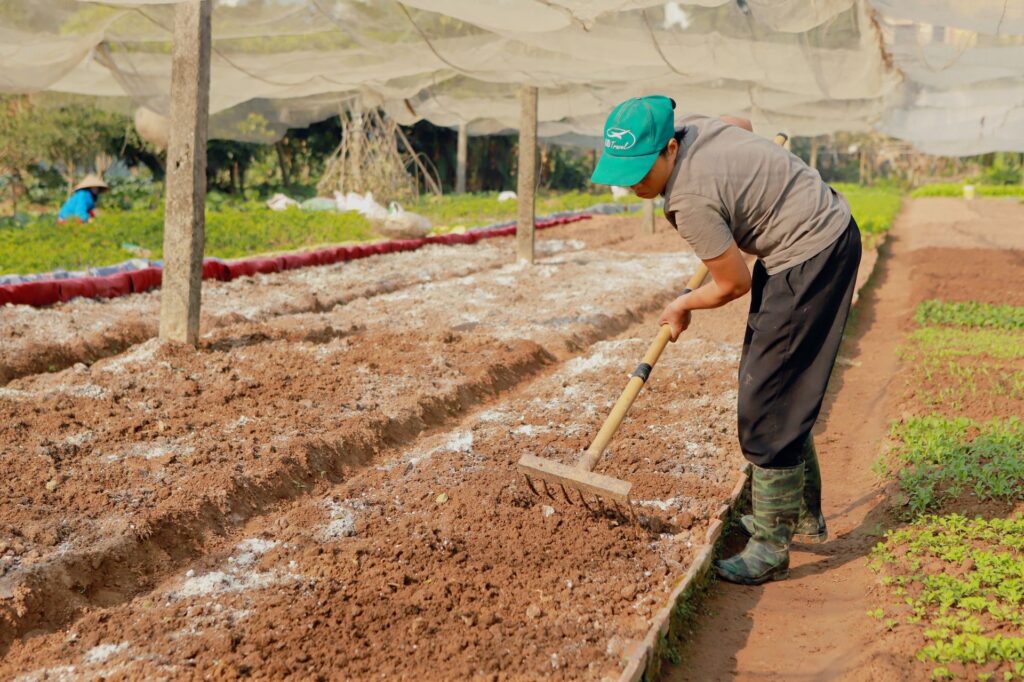
A great soil mix does not last forever without a little upkeep. Organic matter breaks down over time, nutrients get used up by growing plants, and the structure gradually settles and compacts under its own weight.
Top Up Compost Every Season
Adding a fresh 2-inch layer of compost at the start of each planting season replenishes lost nutrients and restores some of the airy texture that gets lost through natural settling.
Rotate Crops to Prevent Nutrient Drain
Growing the same plant family in the same spot year after year drains specific nutrients faster than the soil can naturally recover. Rotating between heavy feeders like tomatoes and lighter feeders like herbs keeps the soil balanced longer.
Avoid Walking or Standing on the Soil
This sounds obvious, but many gardeners accidentally compact their beds by stepping into them to reach far corners. Using a small wooden board to distribute weight, or simply reaching from the edges, keeps the soil structure loose and healthy.
Water Deeply But Less Frequently
Frequent shallow watering encourages roots to stay near the surface, making plants more vulnerable to heat stress. Deep watering two to three times per week, depending on climate, trains roots to grow downward into cooler, more stable soil layers.
Adjusting the Soil Mix for Different Climates
Climate plays a bigger role in soil mix decisions than most beginner gardeners realize. A ratio that works beautifully in a cool, humid region can behave very differently under hot, dry conditions, and the reverse is just as true.
Hot and Dry Regions
Gardeners living in warmer climates, such as parts of Arizona, Texas, or inland California, often benefit from slightly increasing the coco coir portion to around 15% instead of the standard 10%. This small adjustment helps the soil hold onto moisture longer between waterings, which matters a lot when daytime temperatures regularly climb above 95 degrees Fahrenheit. Adding a thin layer of mulch, roughly 2 to 3 inches thick, on top of the soil further reduces evaporation and keeps root zones cooler during peak summer heat.
Cool and Rainy Regions
In cooler, wetter climates like the Pacific Northwest or parts of the Northeast, drainage becomes the priority instead of moisture retention. Increasing the perlite or pumice percentage to around 25% helps prevent waterlogged roots during long stretches of rain. Gardeners in these regions also benefit from raising their beds slightly higher off the ground when possible, since better airflow underneath the bed helps excess water drain away faster.
Humid Southern Climates
Humidity introduces its own challenges, particularly around fungal issues and root rot. Gardeners in humid areas often find success by reducing compost slightly to around 35% and increasing aeration material, since overly rich, wet soil combined with high humidity creates the perfect environment for unwanted fungal growth. Good airflow around plants, achieved through proper spacing, matters just as much as the soil mix itself in these conditions.
Testing Soil Quality at Home Without Fancy Equipment
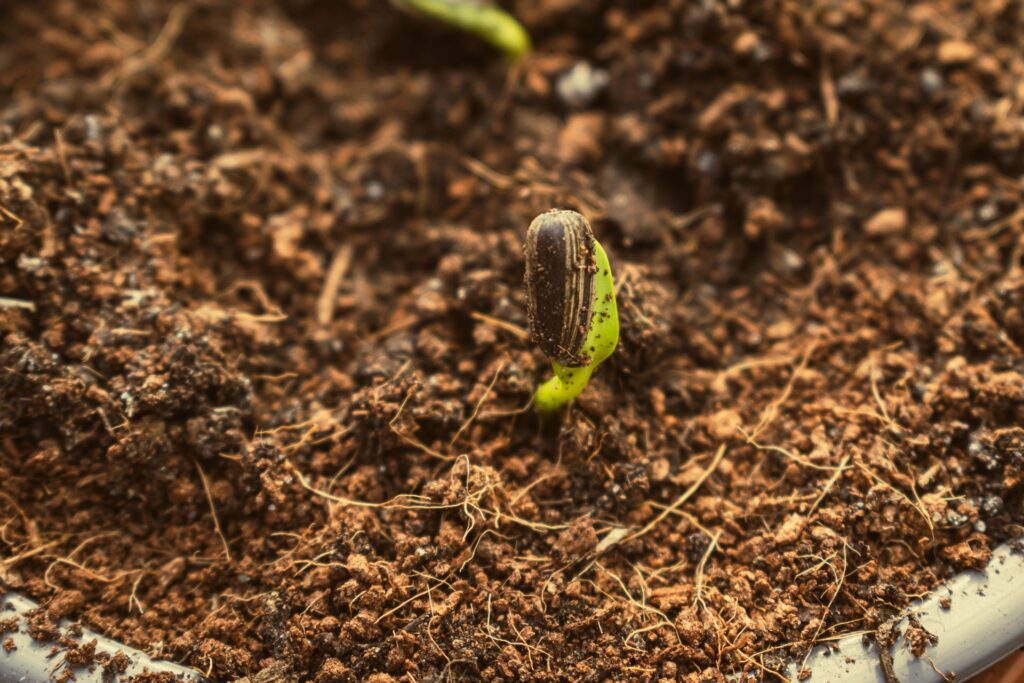
Not everyone wants to buy expensive lab kits just to check soil quality, and the good news is that a few simple home tests give surprisingly reliable results.
The Jar Test
Filling a clear jar about one-third full of soil, topping it off with water, shaking it well, and letting it settle overnight reveals the rough composition of sand, silt, and clay based on how the layers separate. A good raised bed mix should show a fairly even, crumbly settling pattern rather than a thick, solid clay layer at the bottom.
The Squeeze Test
Grabbing a handful of moist soil and squeezing it gently tells a lot about texture. Soil that crumbles apart easily after squeezing has good structure. Soil that stays clumped in a tight ball, holding its shape like wet clay, likely needs more aeration material mixed in.
The Drainage Test
Digging a small hole roughly 12 inches deep, filling it with water, and timing how long it takes to drain gives a clear picture of overall drainage speed. Water that disappears within an hour or two indicates healthy drainage, while standing water after several hours signals a mix that needs more perlite, pumice, or coarse organic material.
Real Experience From Long-Term Vego Garden Owners
Gardeners who have used the same Vego Garden beds for three or more seasons often notice something interesting: the soil actually improves with age when maintained correctly. The structure becomes darker, crumblier, and more alive with earthworms and beneficial organisms, similar to what happens in a well-managed compost pile.
One common observation shared among long-term users involves the difference between beds filled with a rushed, single-ingredient soil versus beds filled with the layered, balanced mix described in this guide. The properly mixed beds consistently show better drought tolerance, fewer pest issues, and noticeably larger harvests by the second and third growing seasons.
This pattern lines up with basic soil science. Healthy soil structure supports a diverse microbial community, and that community does much of the hard work of breaking down organic matter into forms plants can actually absorb. A rushed soil mix skips this biological foundation entirely, leaving plants to struggle with whatever nutrients happen to already be available in raw, unprocessed form.
Choosing Quality Materials Without Overspending
Budget concerns are real, and not every gardener wants to spend a fortune filling a large raised bed. A few practical tips help balance quality against cost:
- Buying compost in bulk from a local landscaping supplier costs significantly less than small bagged compost from retail stores.
- Perlite and pumice last for years, so a larger upfront purchase pays off across multiple seasons rather than needing to be bought fresh every year.
- Coco coir bricks are compact, lightweight to ship, and expand significantly once soaked in water, often stretching a small purchase much further than expected.
- Mixing homemade compost with a smaller amount of purchased compost cuts costs while still maintaining strong nutrient content.
Spending a little extra on quality ingredients at the start almost always saves money over time, since a strong soil mix needs far less replacement or amendment in future seasons.
Summary
- Best ratio: 40% compost, 30% topsoil, 20% perlite or pumice, 10% coco coir or peat moss
- Compost feeds plants and adds beneficial microbes; avoid going above 50% to prevent seedling burn
- Topsoil provides mineral structure but shouldn’t exceed 30% or it compacts
- Perlite/pumice prevents soil compaction and keeps drainage healthy
- Coco coir manages moisture evenly and works better than peat moss for most climates
- Mix soil on a tarp, layering topsoil first, then compost, then aeration material, then moistened coir
- Taller beds (17+ inches) can use the lasagna method to fill the bottom with wood chips or branches, cutting soil needs by nearly 30%
- A standard 4×8 foot bed at 17 inches deep needs about 34 cubic feet of soil mix
- Adjust the ratio slightly for climate: more coir in hot/dry areas, more perlite in cool/wet areas, less compost in humid regions
- Ideal soil pH sits between 6.0 and 7.0 for most vegetables
- Top up with 2 inches of fresh compost each season and rotate crops to keep nutrients balanced
Final Thoughts
Building the best soil mix for Vego Garden raised beds comes down to balance. Too much of any single ingredient throws off the structure, while a thoughtful blend of compost, topsoil, aeration material, and moisture-holding coir creates an environment where plants genuinely thrive rather than just survive.
Taking the extra time to mix properly, test the pH, and maintain the bed season after season pays off with stronger harvests, fewer pest problems, and soil that actually gets better with age instead of wearing out. Every raised bed tells a story through its plants, and that story almost always starts with what happens before a single seed ever touches the ground.
Gardeners who follow this approach consistently report the kind of results that make all the extra planning worthwhile: deep green leaves, heavy fruit set, and a garden that keeps producing right through the hottest weeks of the season.
FAQs
What is the best soil mix ratio for a Vego Garden raised bed?
The best ratio is 40% compost, 30% topsoil, 20% perlite or pumice, and 10% coco coir. This blend gives plants the right balance of nutrients, structure, and drainage needed for healthy growth in a metal raised bed.
Can I just use regular garden soil in a Vego Garden bed?
No, regular garden soil is too dense and often carries weeds, pests, or disease. It compacts quickly in raised beds, so mixing it with compost and aeration material like perlite works much better.
How much soil does a 4×8 Vego Garden bed need?
A standard 4×8 foot bed at 17 inches deep needs close to 34 cubic feet of soil mix. Using the lasagna filling method with wood chips at the bottom can lower that to around 24 cubic feet.
Is coco coir or peat moss better for raised bed soil?
Coco coir is usually the better choice since it holds moisture evenly, is renewable, and has a more balanced pH compared to peat moss, which tends to run more acidic.
How often should I add new soil or compost to a raised bed?
Adding a fresh 2-inch layer of compost at the start of each growing season replaces lost nutrients and keeps the soil structure light instead of compacted.