Most vegetables and herbs need 6 to 18 inches of soil depth in a Vego raised bed, depending on the crop. Herbs and leafy greens like lettuce and basil grow well in just 6–8 inches, medium feeders like beans, garlic, and broccoli prefer 8–12 inches, and deep-rooted crops like tomatoes, potatoes, and carrots need 14–18 inches for the best results.
Every gardener remembers the moment they first stood in front of a shiny new metal raised bed, shovel in hand, wondering exactly how deep to fill it. It sounds like a small detail, but depth is one of those quiet decisions that ends up shaping the entire harvest. A bed that is too shallow leaves roots cramped and thirsty by midsummer.
A bed that is too deep wastes soil, money, and effort on space the plants will never touch. This guide walks through the real depth needs of common vegetables and herbs, based on how roots actually grow inside a Vego metal raised bed, so the next planting season starts on solid ground.
Why Bed Depth Matters More Than Most People Think
Soil depth controls three things at once: how much water the bed holds, how far roots can stretch, and how stable the whole growing system stays during a hot spell. A shallow layer of soil dries out fast, sometimes within a single sunny afternoon, which forces constant watering and stresses the plant.
A deeper bed acts like a buffer, holding moisture longer and giving roots room to chase nutrients instead of hitting a wall of metal or hard clay underneath.
Vego beds come in several height options, commonly 17 inches, 11 inches, and 7 inches, and each one suits a different style of gardening. Someone growing mostly lettuce and herbs can get away with a shallower bed, while a gardener planning tomatoes, potatoes, or carrots benefits from going deeper.
Matching the bed height to the crop list, rather than picking a size just because it looks nice, is the difference between a garden that thrives and one that struggles by August.
How Root Depth Varies Across Vegetables and Herbs
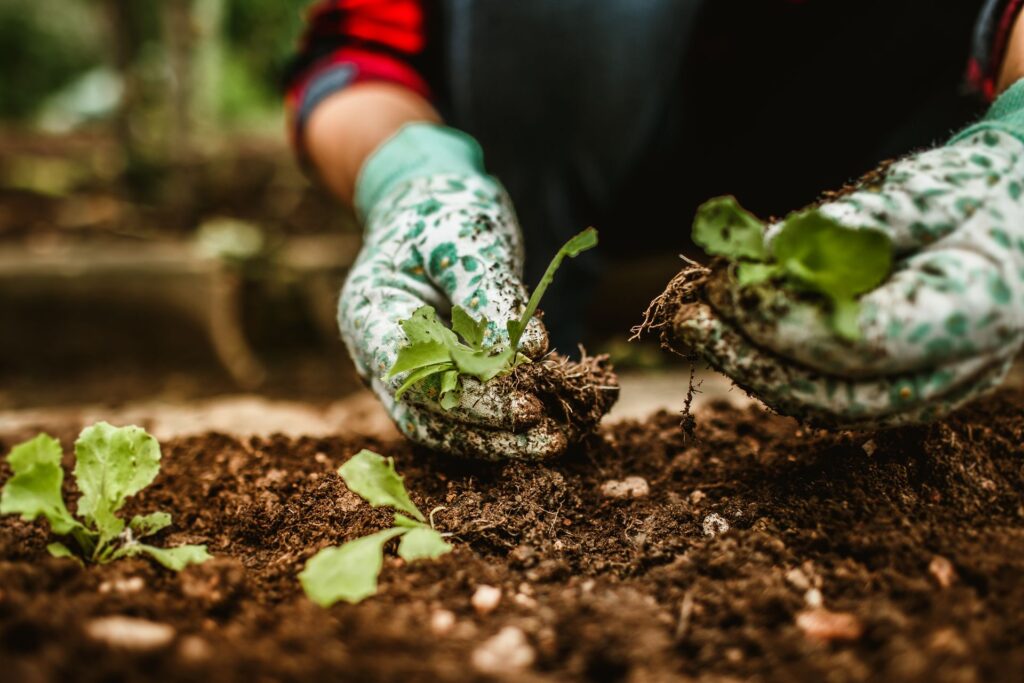
Not every plant sends its roots down the same distance, and that is really the heart of this whole topic. Some crops are shallow feeders that spread wide near the surface, while others push a long taproot deep into the ground in search of water and minerals.
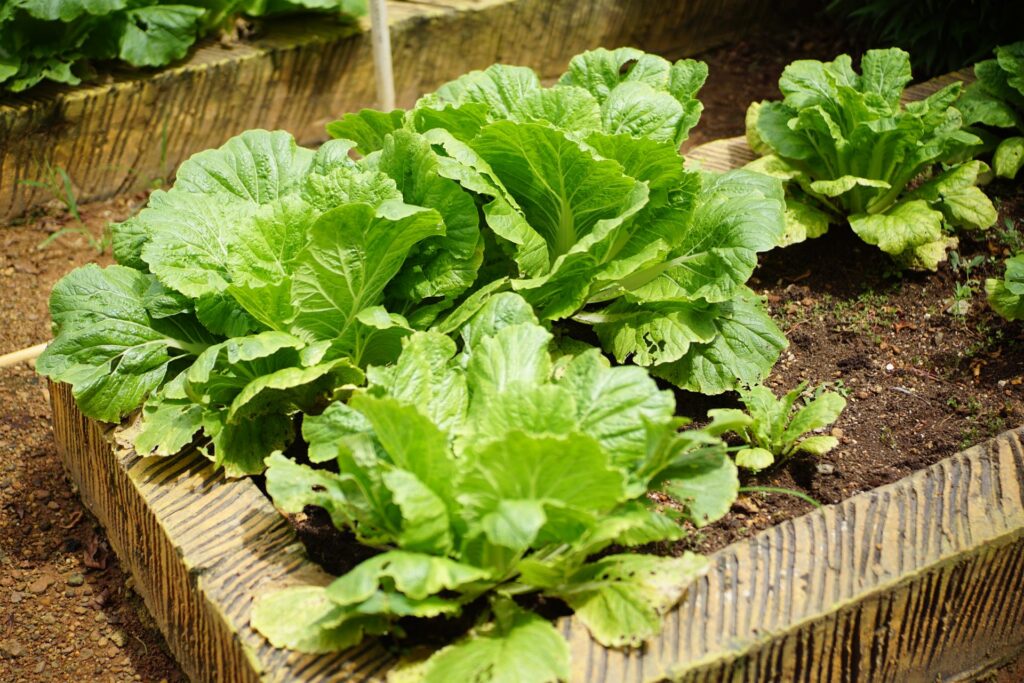
Leafy greens like lettuce, spinach, and most herbs sit in the shallow category, usually needing only 6 to 8 inches of quality soil to grow well. Root vegetables such as carrots, beets, and parsnips need more vertical room, often 10 to 14 inches, so the root itself has space to lengthen without hitting compacted ground.
Then there are the deep feeders, including tomatoes, peppers, squash, and potatoes, which appreciate 14 to 18 inches or more, especially once they mature and start producing fruit.
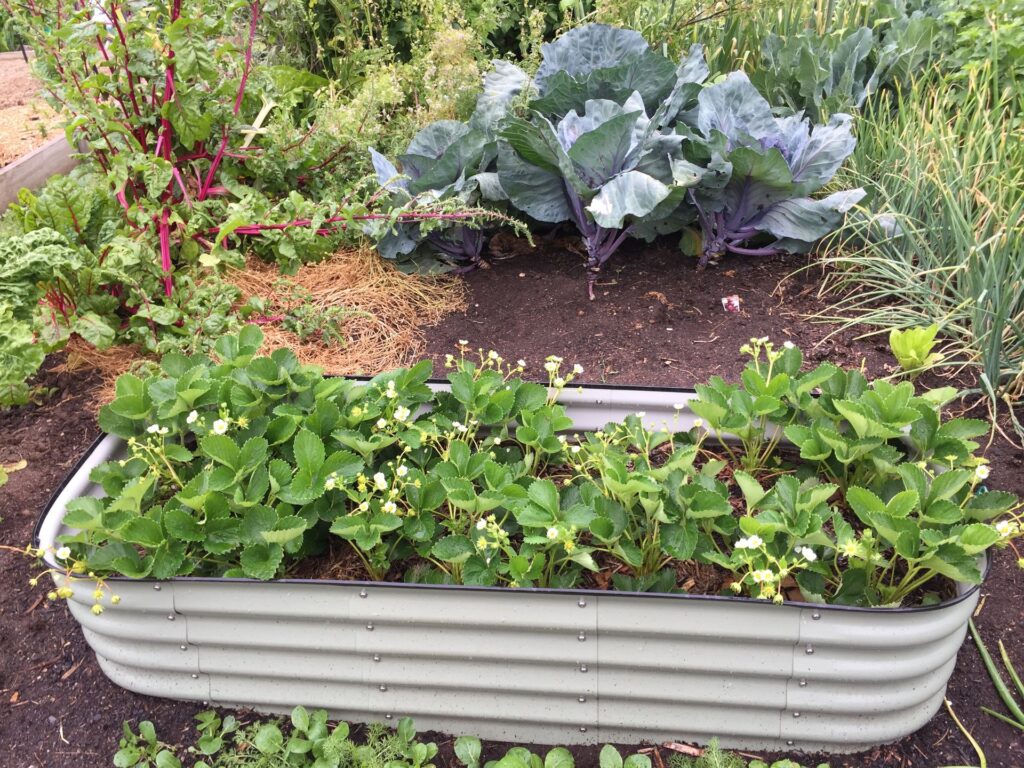
This is exactly why a one-size-fits-all bed rarely works for a mixed vegetable garden. A gardener who plants a little of everything usually gets the best results with a bed depth around 12 to 17 inches, since that range comfortably supports both shallow and deep-rooted crops without forcing tough compromises.
Shallow-Rooted Vegetables and Herbs (6–8 Inches)
Plenty of favorite kitchen crops are surprisingly happy with a modest amount of soil. Lettuce, arugula, spinach, and most salad greens rarely send roots past 6 inches, since they focus their energy on leaf growth rather than deep root systems. Herbs like basil, cilantro, thyme, and chives behave the same way, staying compact and shallow throughout their life cycle.
Radishes are another quick example. They mature fast, often within 25 to 30 days, and rarely need more than 8 inches of loose soil to form a plump, crisp root. Green onions and most microgreens fall into this same shallow group as well.
For anyone working with a smaller 7-inch Vego bed, this shallow category is where the bed truly shines. It is a smart, budget-friendly option for herb gardens, salad boxes, or a dedicated greens bed near the kitchen door.
Medium-Depth Vegetables (8–12 Inches)
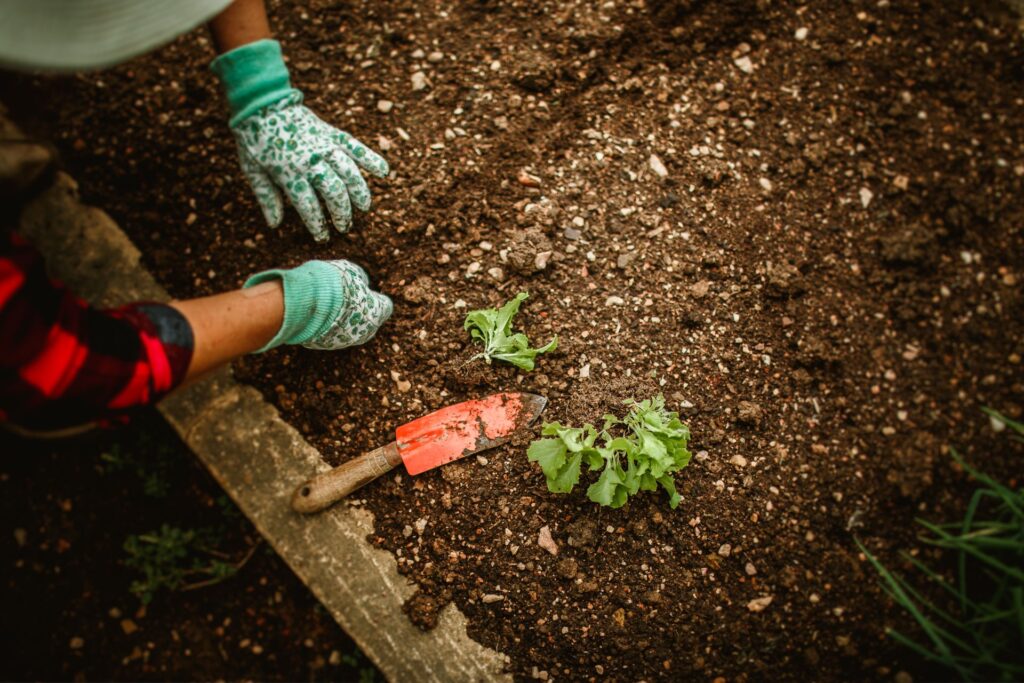
A step up from the shallow feeders, this group includes crops that want a bit more legroom but do not need a towering bed to thrive. Bush beans, peas, garlic, onions, and most brassicas like broccoli and cauliflower fall comfortably into this range.
Garlic in particular rewards a slightly deeper bed. Its cloves need room to swell underground over the long growing season, and 10 inches of loose, well-draining soil tends to produce noticeably larger bulbs than a shallower planting area.
Broccoli and Cauliflower, while their roots are not extremely deep, benefit from the extra soil volume because it holds more consistent moisture, which directly affects how tightly the heads form.
Beets and turnips also sit near this range, generally wanting somewhere between 10 and 12 inches so the swelling root has room to expand without pushing against a hard bottom layer or compacted native soil beneath the bed.
Deep-Rooted Vegetables (12–18 Inches)
This is where bed depth really starts to influence harvest size and plant health. Tomatoes are the classic example. A mature tomato plant can send roots down 18 inches or more when given the chance, and that deep root system is directly tied to drought tolerance and fruit production later in the season.
Peppers, eggplant, and squash all appreciate similar depth, generally thriving with 14 to 16 inches of soil. Potatoes are a special case since the tubers themselves need vertical room to form, and gardeners who plant potatoes in a shallow bed often end up with small, oddly shaped harvests simply because the tubers hit the bottom too soon.
Carrots deserve a specific mention here too, since their entire value is in the length and shape of the root. A 14-inch depth is usually the sweet spot for full-size carrots, though shorter varieties like Nantes types can do fine in slightly less.
For gardeners planning a bed dedicated to these deeper-rooted crops, the 17-inch Vego model tends to be the most forgiving choice, since it removes the guesswork about whether roots will run out of room mid-season.
Matching Vego Bed Sizes to Planting Goals
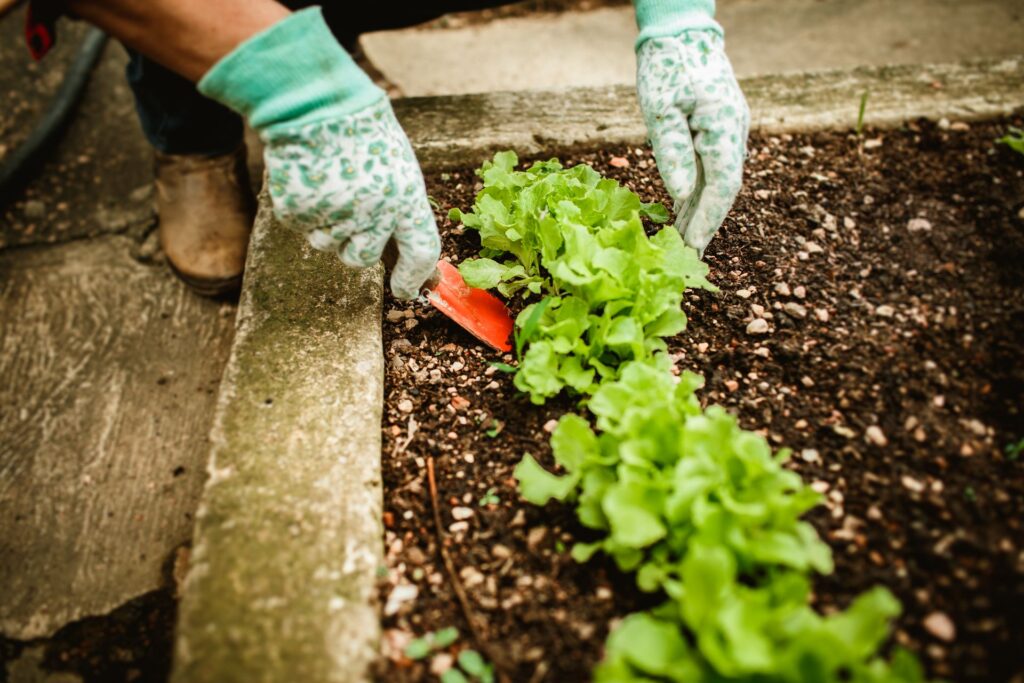
Vego Garden offers a lineup of bed heights, and understanding which one fits a particular growing plan makes the whole process much smoother. The 7-inch bed suits herb gardens, lettuce boxes, and quick-turnaround crops like radishes and green onions. It is also a popular choice for gardeners short on soil budget, since it needs noticeably less fill material.
The 11-inch bed lands in a comfortable middle ground, supporting most vegetables including beans, peppers, and many brassicas, while still keeping the soil cost reasonable. This size tends to be the most popular pick among first-time raised bed gardeners because it balances versatility with affordability.
The 17-inch bed is the go-to option for anyone growing tomatoes, potatoes, carrots, or a mixed vegetable garden with a bit of everything. The extra depth also brings a practical bonus: less bending over during planting, weeding, and harvesting, which matters a lot for gardeners dealing with back or knee discomfort.
Whichever size gets chosen, working out the exact soil volume ahead of time avoids the frustration of running short mid-fill. A Vego Garden Soil Calculator takes the bed dimensions and spits out the amount of soil needed, which saves an extra trip to the store on a Saturday afternoon.
The Layering Approach: Filling a Deep Bed Without Overspending
One trick experienced gardeners use, especially with the taller 17-inch beds, is layering the fill material instead of using premium soil mix all the way to the bottom. The bottom 4 to 6 inches can be filled with coarser organic material like small branches, untreated wood chips, or straw, which breaks down slowly over time and adds structure and drainage.
Above that layer, a mix of compost and topsoil fills the next section, followed by a finishing layer of quality raised bed soil mix in the top 8 to 10 inches, right where most root activity happens. This method, sometimes called a modified Hügelkultur approach, cuts down on the amount of purchased soil needed while still giving roots the depth and nutrition they want.
It is worth noting that this layering method works best in beds 14 inches or taller. In shallower beds, there simply is not enough vertical room to layer effectively without shortchanging the topsoil zone that plants actually rely on.
Signs the Soil Depth Is Wrong for What Is Planted
Sometimes a garden tells its own story, and paying attention to a few visual clues can reveal whether the current depth setup is working. Plants that wilt quickly on hot afternoons, even with regular watering, often have roots that hit a barrier sooner than expected. Stunted root vegetables, like carrots that fork or twist instead of growing straight, usually point to compacted or shallow soil beneath the surface.
On the flip side, a bed that stays soggy for days after rain might actually be too deep relative to the drainage setup, especially if the bottom layers were filled with dense material instead of something more porous. Checking root development by gently digging around one plant midseason gives a clear, honest answer about whether the depth is actually supporting healthy growth.
Common Mistakes Gardeners Make With Bed Depth
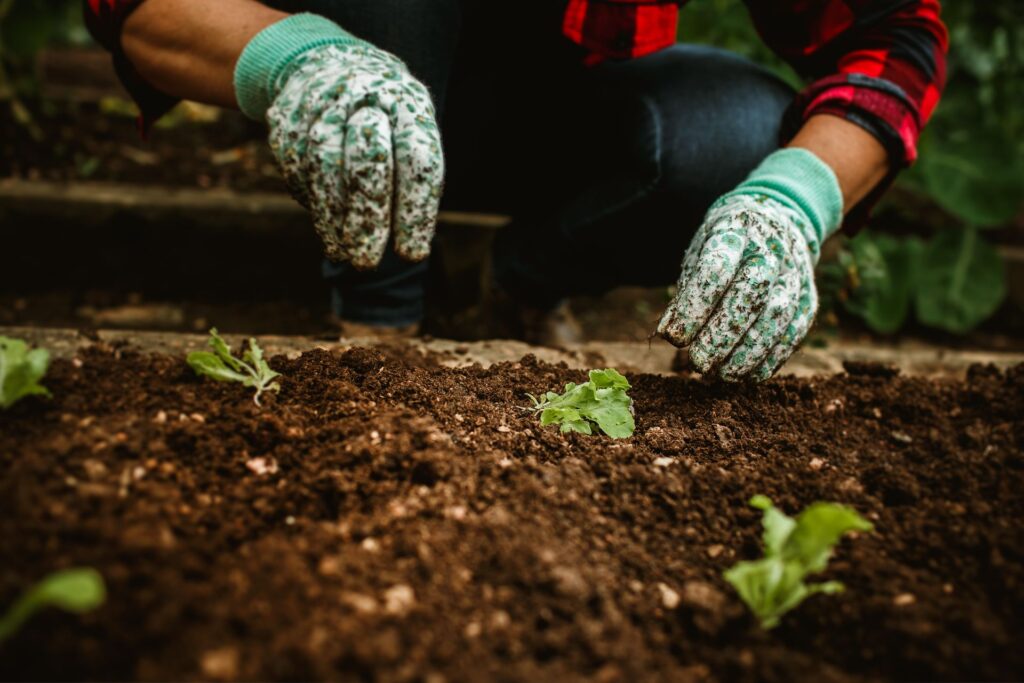
A frequent misstep is filling every bed to the same height regardless of what will be planted in it, which wastes soil in herb beds and shortchanges tomato beds.
Another common issue is packing the soil down too firmly during filling, which effectively reduces the usable depth even though the bed itself is tall enough. Loose, well-aerated soil always performs better than compacted soil of the same total height.
Skipping soil testing before planting is another overlooked mistake. Depth only matters if the soil within that depth actually supports root growth, so checking pH and nutrient levels once a season keeps the whole system working as intended. A well-planned best soil mix tailored to the specific bed depth and crop selection tends to outperform a random combination of leftover bagged soil, even when the total volume looks the same on paper.
Finally, many gardeners forget to account for settling. Fresh soil, especially compost-heavy mixes, can settle by several inches over the first few months as organic material breaks down. Topping off the bed once or twice during the first season keeps the depth consistent for root development.
Seasonal Considerations for Bed Depth
Depth needs can shift slightly depending on the season and what is being grown at different times of the year. Spring crops like peas, lettuce, and radishes generally stick to the shallow-to-medium range, meaning even a 7-inch or 11-inch bed handles them well.
Summer crops, particularly tomatoes, peppers, and squash, push toward the deeper end of the spectrum as they mature and their root systems expand.
Fall plantings often repeat the spring pattern, favoring shallow-rooted greens and quick-growing root vegetables like radishes and turnips.
Gardeners who rotate crops seasonally in the same bed sometimes find that a 14 to 17-inch bed offers the most flexibility year-round, since it comfortably accommodates whatever gets planted without needing separate beds for separate root depths.
Real Experience From the Garden
After several seasons of testing different bed heights side by side, one pattern becomes clear pretty quickly: deeper beds consistently produce larger, healthier root vegetables and more resilient tomato plants during dry spells.
A 17-inch bed planted with carrots regularly produces straighter, longer roots compared to the same variety grown in an 11-inch bed, simply because there is more room to grow downward instead of hitting resistance and forking sideways.
At the same time, herb beds at just 7 inches deep perform beautifully, showing that going deeper is not automatically better for every crop. The real skill lies in matching the bed to the plant rather than assuming one universal depth solves every gardening goal.
Keeping a simple garden journal noting bed depth, crop performance, and watering frequency across a season or two builds a personal reference that beats any generic chart, since local soil, climate, and sun exposure all play a role too.
How Bed Depth Affects Watering Habits
Depth does not just influence root growth, it also changes how often a gardener needs to reach for the hose. A shallow bed, holding only 6 to 8 inches of soil, dries out quickly because there is simply less material to hold onto moisture.
During a hot summer week, a shallow herb bed might need watering every single day, sometimes twice if the weather turns especially warm and windy.
A deeper bed behaves very differently. 14 to 17 inches of soil acts like a reservoir, storing moisture at the lower levels even after the surface has dried out in the sun.
Roots that have grown down into that deeper zone can keep pulling water long after a shallow-rooted plant would already be wilting.
This is one of the lesser-known reasons deep beds tend to perform better during heatwaves, and it also explains why two gardeners with the same watering schedule can get completely different results depending on bed depth alone.
Mulching helps regardless of depth, but it becomes especially valuable in shallow beds where there is less soil buffer to begin with. A 2-inch layer of straw or wood chip mulch on top of the soil can cut down watering frequency noticeably, giving shallow-rooted herbs and greens a bit more breathing room between watering sessions.
Depth Considerations for Container Gardening Alongside Vego Beds
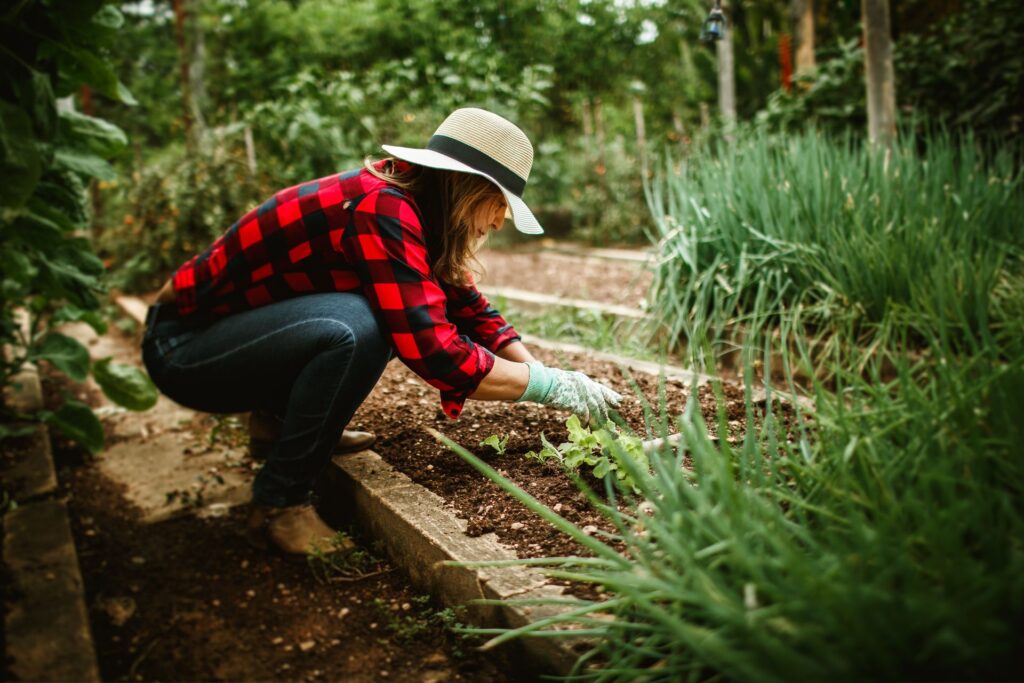
Many gardeners pair their Vego raised beds with containers and grow bags for extra planting space, and the same depth principles carry over almost exactly.
A 5-gallon container, for example, offers roughly 10 to 12 inches of usable soil depth, which comfortably supports peppers, bush beans, and most herbs but falls short for a full-size tomato plant or a long carrot variety.
Understanding this overlap is useful for anyone expanding their growing space beyond the main raised bed. A shallow 7-inch Vego bed dedicated to lettuce and herbs pairs naturally with a few medium containers for peppers or dwarf tomato varieties, creating a layered growing system without needing to invest in another large metal bed.
Thinking about depth across the whole garden setup, not just one bed at a time, helps make smarter decisions about where each crop actually belongs.
Building Healthy Soil Structure at Any Depth
Depth alone does not guarantee good root development. The structure of the soil within that depth matters just as much, if not more.
Compacted, heavy soil at 17 inches can actually perform worse than loose, airy soil at 10 inches, simply because roots struggle to push through dense material regardless of how much vertical room technically exists.
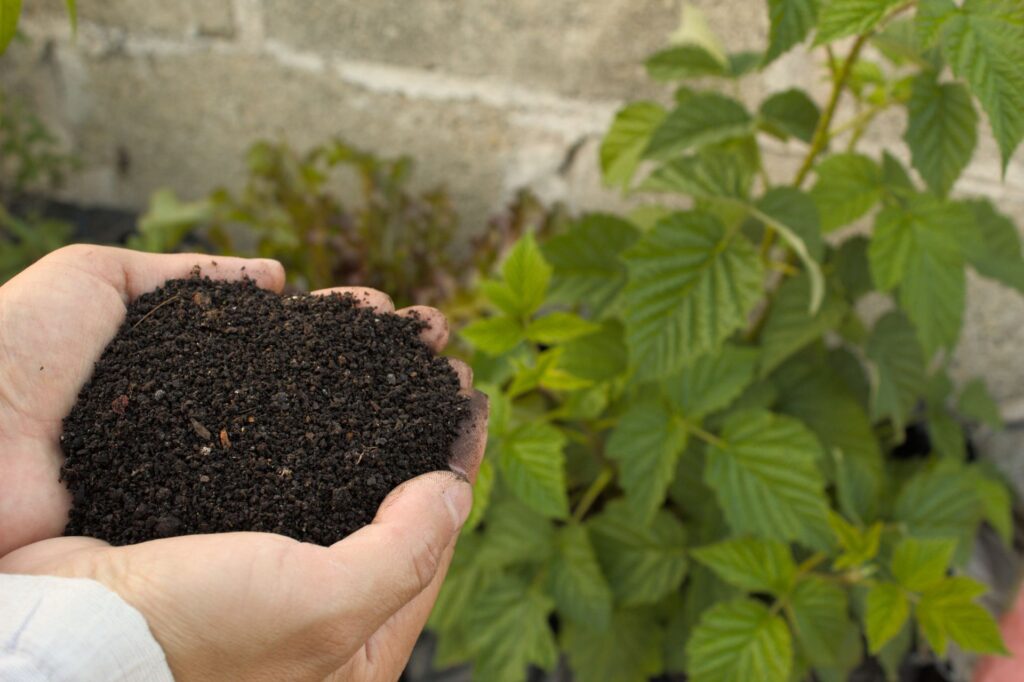
Adding organic matter such as compost, aged manure, or leaf mold improves soil structure at every level of the bed, creating small air pockets that let roots spread more easily and allow water to drain properly instead of pooling.
Earthworms and beneficial soil microbes also thrive in this kind of loose, organic-rich environment, and their activity naturally keeps the soil aerated over time without any extra digging.
Gardeners who mix in a generous amount of compost each season, roughly 20 to 30 percent of the total soil volume, tend to notice steadily improving results year after year, even without changing the bed depth at all.
This reinforces the idea that depth and soil quality work together, and neither one fully compensates for a shortfall in the other.
Summary
- Vego raised beds come in three main heights: 7 inches, 11 inches, and 17 inches, each suited to different crops.
- Shallow-rooted plants like lettuce, spinach, basil, and radishes thrive in just 6 to 8 inches of soil.
- Medium feeders such as beans, garlic, onions, and broccoli do best with 8 to 12 inches.
- Deep-rooted crops like tomatoes, peppers, potatoes, and carrots need 14 to 18 inches to grow properly.
- A 12 to 17-inch bed is the most versatile choice for gardeners growing a mix of vegetables.
- Deeper beds hold moisture longer, reducing watering frequency during hot weather.
- Layering fill material (branches, compost, then topsoil) works well in beds 14 inches or taller to save on soil costs.
- Soil settling of a few inches is normal in the first season, so topping off keeps depth consistent.
- Loose, compost-rich soil matters as much as depth itself for healthy root growth.
- Matching bed height to the actual crop list, rather than picking a size at random, leads to the best harvest results.
Final Thoughts
Picking the right bed depth comes down to knowing what will be planted and being honest about the space available. Shallow beds suit herbs and leafy greens perfectly well, medium depths handle a wide range of everyday vegetables, and deep beds unlock the full potential of tomatoes, potatoes, and long root vegetables. There is no single perfect number that works for every garden, but understanding how roots behave at each depth removes most of the guesswork.
Anyone planning a new bed this season benefits from mapping out the crop list first, then choosing a Vego height that matches those needs, rather than picking a size and hoping the plants adjust. A little bit of planning at the depth stage saves a lot of frustration later, when roots either run out of room or soil dries out faster than expected. Getting this one detail right sets the tone for a productive, low-stress growing season from the very first seed dropped into the soil.
FAQs
How deep should a Vego garden bed be for vegetables?
A Vego garden bed should generally be 12 to 17 inches deep for most vegetables. Shallow crops like lettuce and herbs only need 6 to 8 inches, while deep-rooted crops like tomatoes and potatoes need 14 to 18 inches to grow properly.
Is 11 inches deep enough for a raised garden bed?
Yes, 11 inches is enough for most common vegetables, including beans, peppers, garlic, and broccoli. It may fall short for full-size tomatoes, potatoes, or long carrot varieties, which prefer closer to 17 inches.
What vegetables need the deepest soil in a raised bed?
Tomatoes, potatoes, peppers, and carrots need the deepest soil, typically 14 to 18 inches. These crops develop long root systems or underground tubers that require extra vertical space to grow well.
Can herbs grow in a shallow 7-inch Vego bed?
Yes, most herbs like basil, thyme, cilantro, and chives grow very well in a 7-inch bed, since their root systems stay shallow and rarely extend past 6 to 8 inches.
How much soil do I need for a 17-inch Vego garden bed?
The exact amount depends on the bed’s length and width, but a Vego Garden Soil Calculator can calculate the precise volume needed based on the bed’s dimensions, helping avoid running short or over-buying soil.