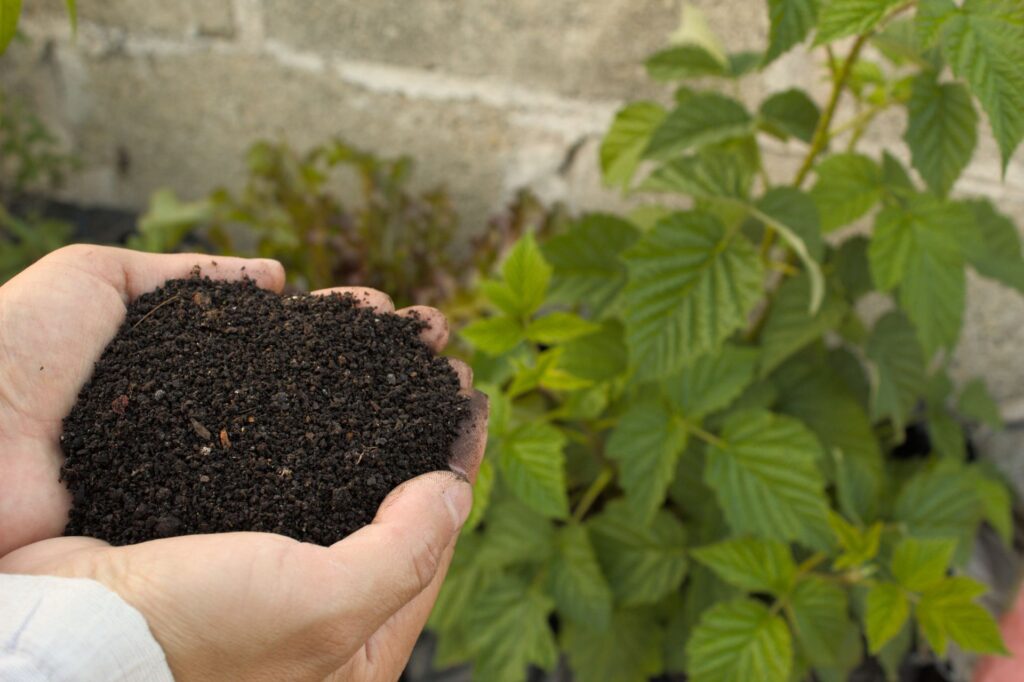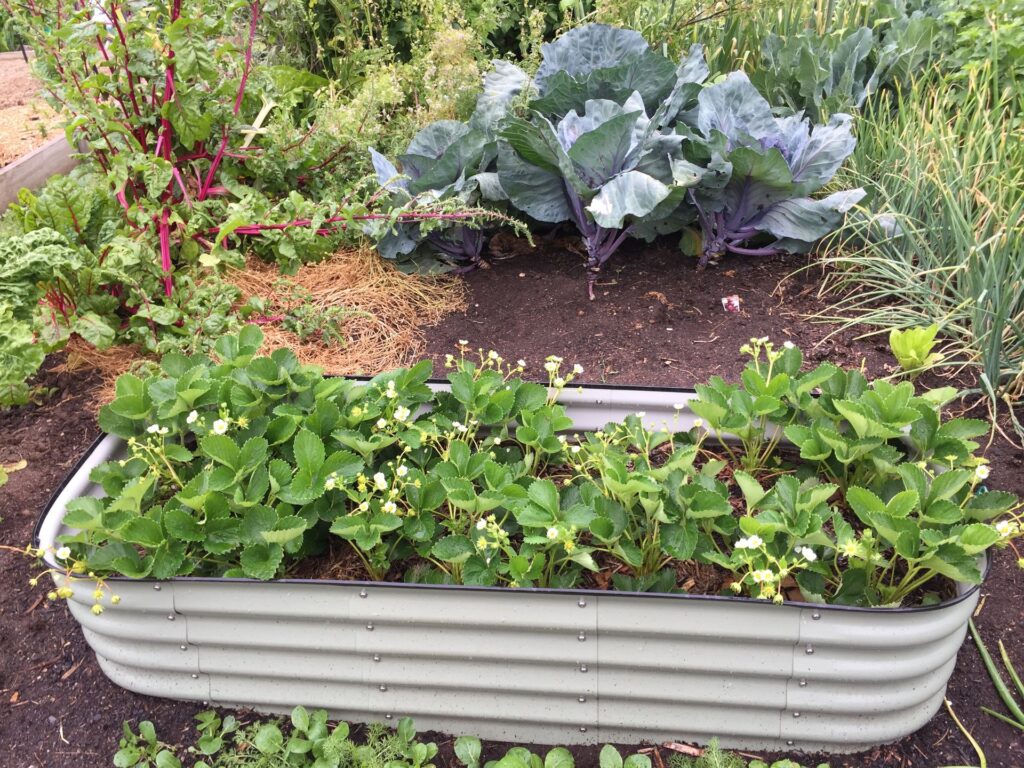
- Standard ratio: 60% topsoil, 30% compost, 10% organic matter (aged manure or coconut coir)
- Leafy greens: boost compost to around 40% for steady nitrogen
- Root vegetables: use less compost and more topsoil to prevent forking
- Heavy feeders (tomatoes, peppers, squash): standard 60-30-10 blend, or slightly more compost
- Before planting: let a fresh mix rest two to three weeks so compost finishes curing
- Yearly upkeep: top-dress with 1 to 2 inches of fresh compost each new season
Anyone who has ever stood next to an empty raised bed with a bag of compost in one hand and a bag of topsoil in the other knows the confusion that follows. Which one goes in first? How much of each is actually needed? And what happens if the mix is wrong? This guide breaks all of that down in plain language, using real numbers, real ratios, and lessons learned from filling and refilling Vego beds season after season.
Why the Right Mix Actually Matters
A raised bed is not just a box filled with dirt. It is a living system that needs air, water, nutrients, and structure all working together. When the balance between compost, topsoil, and organic matter is off, plants show it fast.
Too much compost and the soil becomes too rich, holding onto excess nitrogen and burning tender roots. Too much topsoil and the bed turns dense, compacted, and slow to drain. Too little organic matter and the soil loses its ability to hold moisture during hot afternoons.
Getting this balance right the first time saves money, saves plants, and saves the frustration of digging everything back out halfway through the season. This is one of those areas where a little planning up front pays off for years, especially since Vego beds are built to last and the soil inside them should be built to match that lifespan.
Understanding the Three Core Ingredients
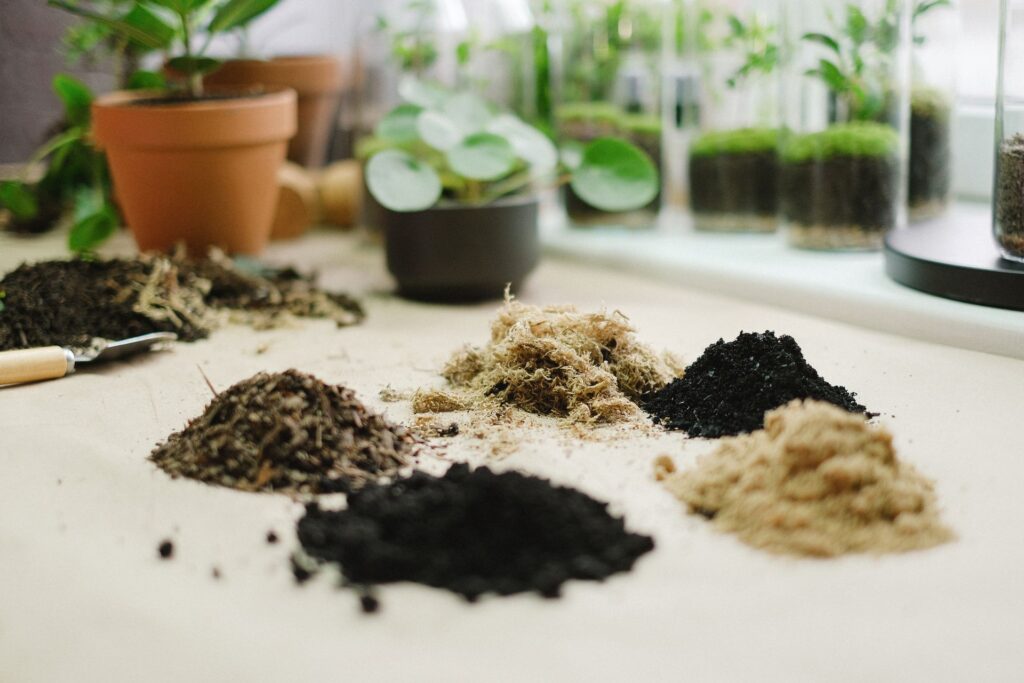
Before jumping into ratios, it helps to know exactly what each ingredient brings to the table.
Topsoil: The Foundation
Topsoil is the base layer that gives the bed its bulk and body. It is mineral-rich, meaning it contains the sand, silt, and clay particles that hold the whole structure together. On its own, topsoil is not enough to grow healthy vegetables because it lacks the biological activity and nutrient density that plants crave. Think of topsoil as the skeleton of the bed rather than the muscle.
Quality varies wildly depending on where it comes from. Screened topsoil from a reputable supplier tends to be free of rocks, debris, and weed seeds, while cheaper bulk topsoil can carry all three. It is worth paying a little more for a clean product, especially for a bed that will be growing food.
Compost: The Nutrient Engine
Compost is decomposed organic material, and it is where most of the nutrition and biological life in the bed comes from. Good compost is dark, crumbly, and smells earthy rather than sour or ammonia-like. It feeds the microbes, worms, and fungi that break nutrients down into a form plants can actually absorb.
There are many types of compost available, including mushroom compost, leaf mold, and standard yard waste compost. Each brings a slightly different nutrient profile, but all of them serve the same basic purpose of feeding the soil food web.
Organic Matter: The Structure Builder
This category covers materials like aged manure, peat moss, coconut coir, straw, and shredded leaves. Organic matter improves the soil’s ability to hold water and air at the same time, which sounds like a contradiction until it is seen in action. A well-aerated soil with good organic matter content drains excess water quickly while still keeping enough moisture around the root zone during dry spells.
Without organic matter, even a compost-heavy mix can turn hard and crusty over time, especially in beds that get full sun most of the day.
The Classic 60-30-10 Ratio
For most vegetable gardens, a ratio of 60% topsoil, 30% compost, and 10% organic matter (like aged manure or coconut coir) works extremely well. This blend gives the bed enough structure to hold its shape, enough nutrition to feed heavy-feeding crops like tomatoes and squash, and enough organic material to retain moisture through the growing season.
This ratio is not a strict law carved in stone. It is a starting point that has been tested repeatedly across different climates and bed sizes, and it tends to produce strong, consistent results without tipping into nutrient overload. Gardeners who have used this blend often report fewer issues with yellowing leaves or leggy growth compared to compost-heavy mixes.
Adjusting the Ratio by Crop Type
Not every plant wants the same soil recipe, and this is something that becomes obvious after a season or two of trial and error.
Leafy greens like lettuce, spinach, and kale tend to do best with a slightly higher compost ratio, closer to 40% compost, because they are light feeders that benefit from a steady, gentle supply of nitrogen. Root vegetables like carrots and beets prefer the opposite. They actually grow straighter and cleaner in a leaner mix with less compost and more topsoil, since overly rich soil can cause forking and misshapen roots.
Heavy feeders such as tomatoes, peppers, and squash appreciate the standard 60-30-10 blend or even a touch more compost, especially if the bed is being used for a full growing season without much supplemental feeding.
How Bed Depth Changes the Math
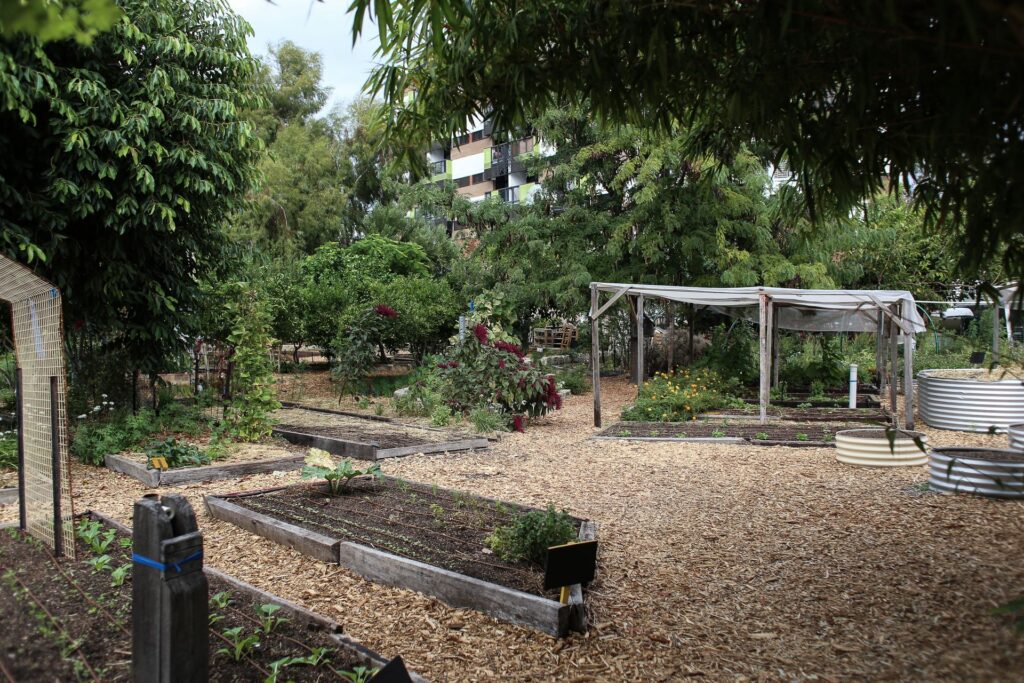
The depth of a raised bed changes how much of each ingredient is actually needed, and this is one of the most common questions gardeners ask before filling their beds for the first time. A shallow bed does not need the same volume as a deep one, and filling a deep bed with pure topsoil and compost from top to bottom can get expensive fast.
Many experienced growers use a layering trick for taller beds, filling the bottom portion with coarser organic material like small branches, straw, or untreated wood chips, then topping the rest with the compost and topsoil blend.
This method, often called hugelkultur-style filling, cuts down on the amount of purchased soil needed while still giving roots plenty of room to grow. Anyone unsure about how deep their particular setup should be filled can check a detailed bed depth guide that walks through the ideal fill heights for different vegetable types.
Calculating Volume Without the Guesswork
Figuring out exactly how many cubic feet or yards of material a bed needs used to involve a calculator, a notepad, and a lot of second-guessing. The math is simple in theory (length times width times height) but it gets confusing once someone starts converting between cubic feet, cubic yards, and bag sizes at the garden center.
This is where a Vego Garden Soil Calculator becomes genuinely useful. Instead of manually working through the conversions, a gardener can plug in the bed’s dimensions and get an instant breakdown of how much topsoil, compost, and organic matter to buy based on the desired ratio.
It removes the guesswork entirely and helps avoid the common mistake of buying too little (and running out mid-fill) or too much (and having leftover bags sitting in the garage all summer).
Signs the Mix Is Off
Soil problems rarely announce themselves clearly. Instead, they show up as subtle symptoms that take a bit of experience to read correctly.
- Yellowing lower leaves on otherwise healthy plants often points to a nitrogen imbalance, either too much or too little.
- Water pooling on the surface after watering usually means the mix is too heavy on topsoil and needs more organic matter worked in.
- Soil that dries out within a day of watering, even in cooler weather, usually means there is not enough organic matter to hold moisture.
- Stunted, slow growth despite good sunlight and regular watering can point to compacted soil that needs more aeration from compost or coir.
- A sour or ammonia smell coming from the bed is a strong sign that the compost used was not fully finished before it went into the soil.
Catching these signs early makes it much easier to fix the problem with a top-dressing of compost or organic matter rather than digging the whole bed out and starting over.
The Role of Organic Matter in Water Retention
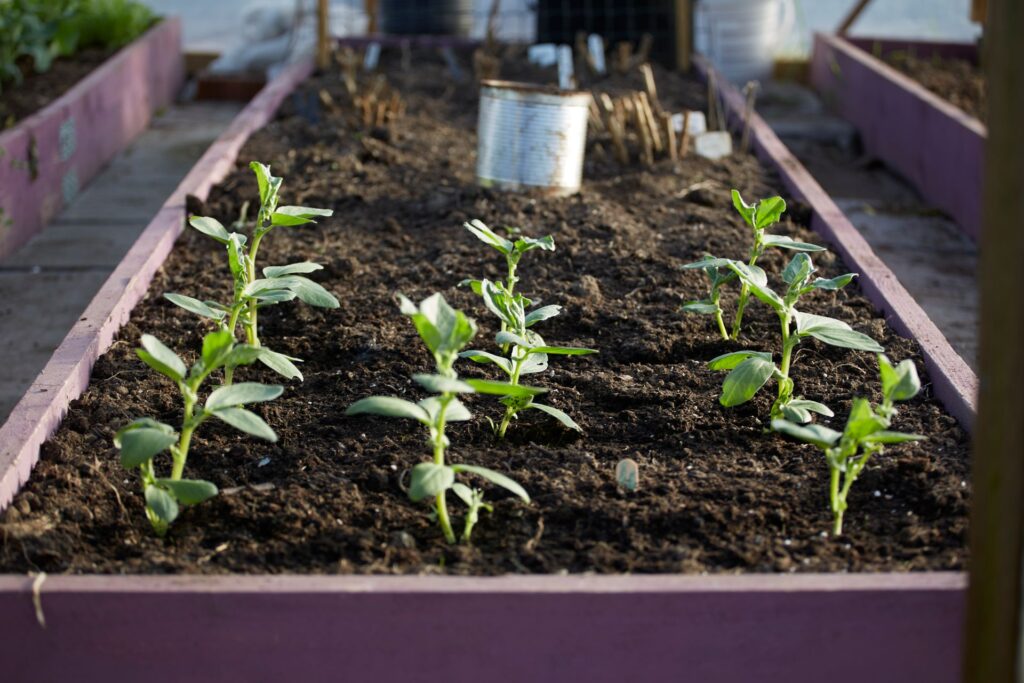
One thing that surprises a lot of new raised bed gardeners is how much organic matter affects watering frequency. A bed with plenty of organic material can go noticeably longer between waterings compared to a bed that is mostly topsoil, especially during the peak of summer.
Coconut coir is a favorite among experienced growers because it holds water like a sponge without becoming waterlogged, and it breaks down slowly, meaning it does not need to be replaced as often as some other organic amendments. Peat moss works in a similar way, though it is more acidic and works especially well for crops like blueberries that prefer lower soil pH.
Straw and shredded leaves, when mixed into the top few inches of soil, also help by acting as a light mulch layer that slows evaporation from the surface. This small addition can make a noticeable difference in how often a bed needs watering during a heat wave.
Building the Right Soil Mix From Scratch
For gardeners who want full control over what goes into their beds rather than buying a pre-mixed bag, building a custom blend is not complicated once the ratios are understood.
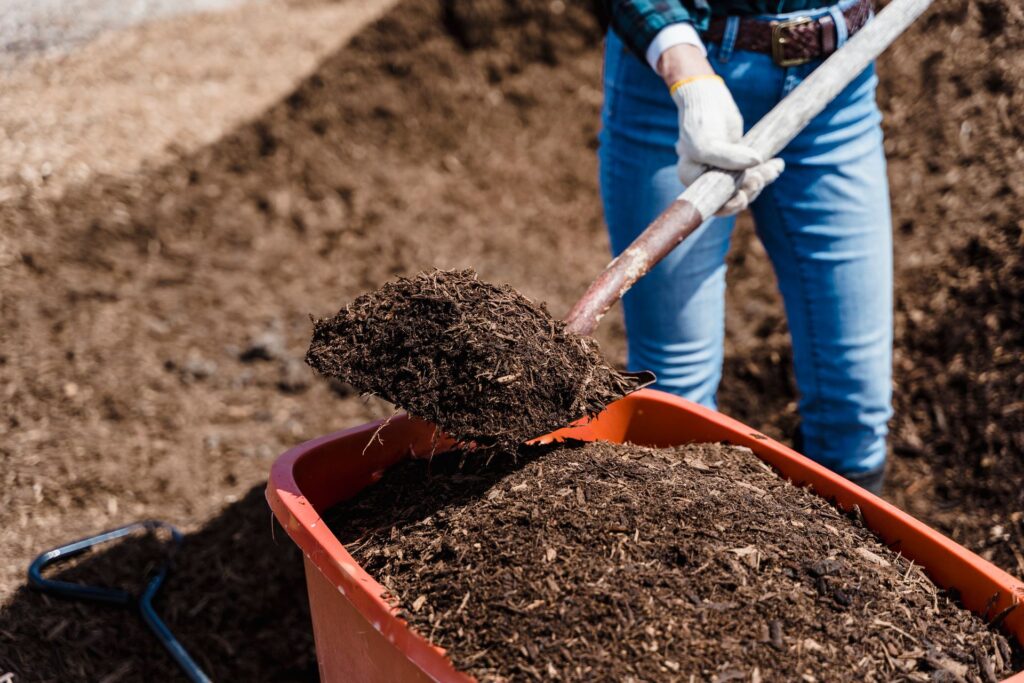
Start with the base layer of screened topsoil, spread evenly across the bottom of the bed. Add the compost next, mixing it into the top layer of soil rather than just laying it on top, since compost that sits unmixed on the surface breaks down more slowly and does not integrate as well with plant roots. Finally, work in the organic matter, whether that is aged manure, coir, or peat moss, making sure it is distributed evenly rather than clumped in one corner.
A garden fork or hand tiller works well for blending everything together, and it usually takes less time than expected, especially for smaller Vego bed sizes. Anyone looking for a tested, reliable recipe rather than building one from scratch can follow a proven soil mix formula that has already been fine-tuned for raised bed conditions.
First-Year Considerations
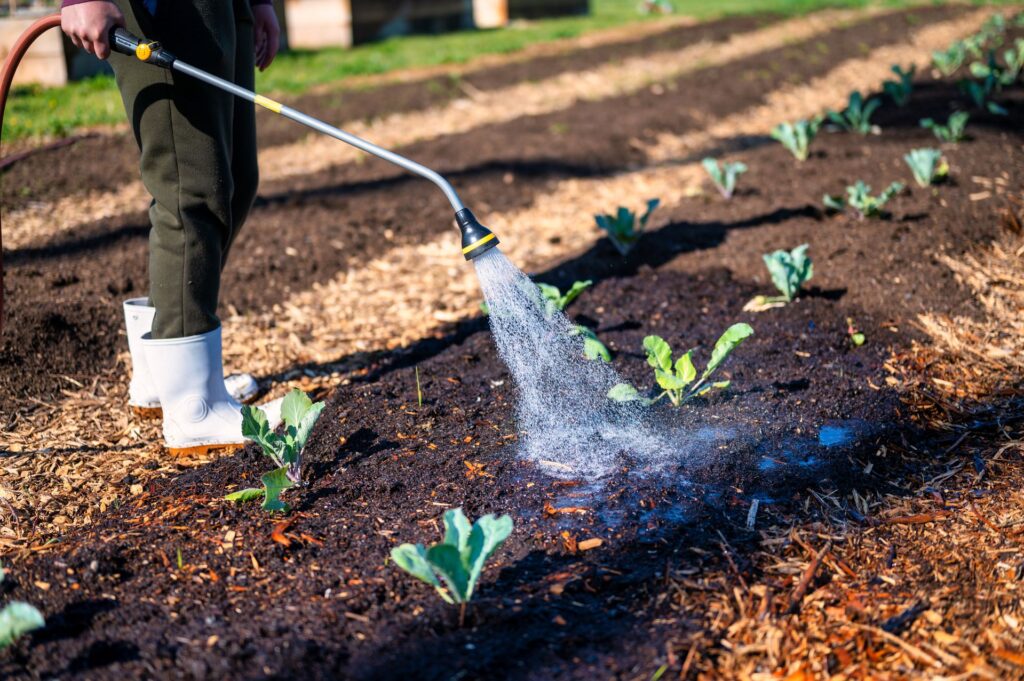
The first year in a new raised bed is a little different from every year after it. Fresh compost, especially if it is not fully finished, can still be actively decomposing when it goes into the bed, which uses up nitrogen in the process and can temporarily rob plants of the nutrients they need early in the season.
To avoid this, it helps to let a new mix sit for two to three weeks before planting, giving the compost time to settle and finish breaking down. Watering the bed lightly during this resting period keeps the microbial activity going without letting the soil dry out completely.
New gardeners filling a Vego bed for the first time often benefit from reading through a set of first-year planting guidelines, since timing, spacing, and initial watering all interact with how the soil settles during those early weeks.
How Much Soil Is Actually Needed
This is probably the single most common question raised bed gardeners ask before they even start shopping for materials. The answer depends entirely on the bed’s length, width, and height, and it is easy to underestimate just how much volume a standard bed actually holds.
A typical Vego bed that measures 4 feet by 8 feet by 32 inches deep holds close to 75 cubic feet of soil once fully filled, which comes out to roughly 28 bags of standard 40-pound topsoil or compost bags, depending on the brand. That number changes quickly with even small adjustments to bed height, which is why doing the math ahead of time rather than guessing at the store saves both money and multiple return trips.
Anyone wanting a precise number based on their exact bed dimensions can look into detailed soil requirements for different sizes rather than relying on rough estimates, since even a few inches of difference in depth can change the total volume by a surprising amount.
Maintaining the Ratio Over Time
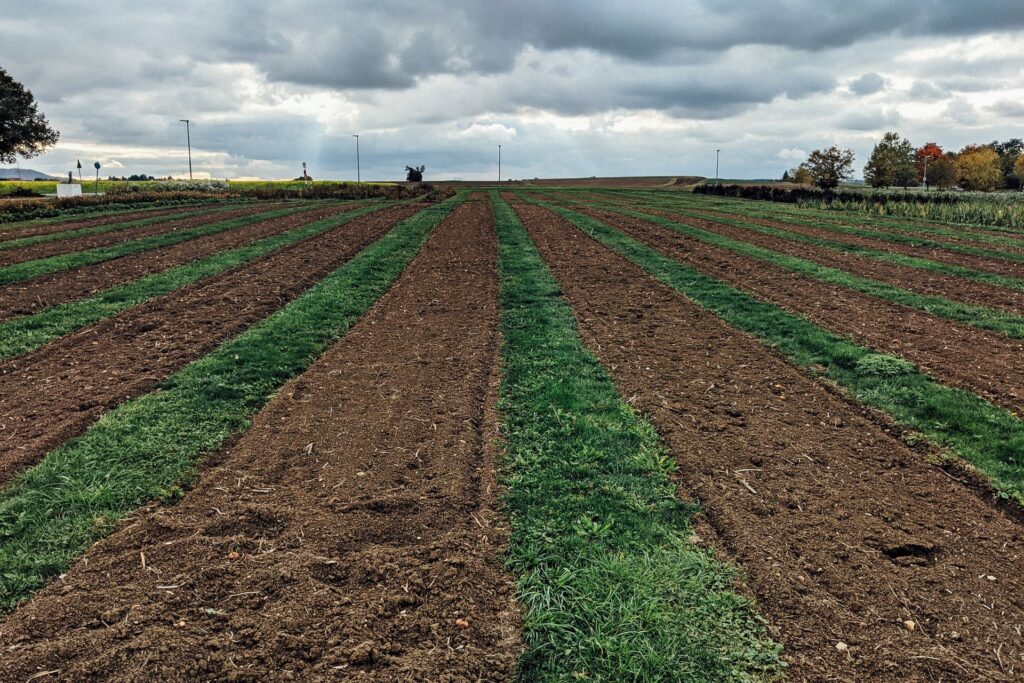
Soil in a raised bed is not a one-and-done project. Organic matter breaks down over the growing season, which means the volume of soil in the bed actually shrinks a little by the end of summer. This is completely normal and expected, but it does mean the ratio needs a bit of maintenance to stay balanced.
Adding a fresh 1 to 2 inch layer of compost at the start of each new season, worked gently into the top few inches of existing soil, keeps nutrient levels topped up without disturbing the established root systems of perennial plants. Every two to three years, a more thorough refresh, including new organic matter and possibly a partial topsoil replacement, keeps the bed performing at its best.
Skipping this maintenance step is one of the most common reasons raised beds seem to “lose steam” after their first couple of seasons, with yields slowly declining even though nothing else about the garden’s care routine has changed.
Common Mistakes to Avoid
A few mistakes show up again and again across raised bed gardens, and most of them are easy to avoid once someone knows what to look for.
Using fresh, unfinished compost straight from a hot pile is one of the biggest culprits behind poor first-season results. Compost needs time to cure before it goes near plant roots. Another common issue is packing the soil down too tightly while filling the bed, which squeezes out the air pockets that roots and beneficial microbes need to thrive.
Overloading the bed with a single type of organic matter, rather than blending two or three types together, can also cause problems. A mix that is all peat moss, for example, tends to be too acidic for most vegetables, while a mix that leans entirely on manure can carry too much nitrogen for delicate seedlings. Variety in the organic matter component tends to produce more balanced, resilient soil overall.
Summary
- Explains the roles of the three core soil ingredients: topsoil for structure, compost for nutrients, and organic matter (like manure or coconut coir) for moisture retention
- Recommends a starting ratio of 60% topsoil, 30% compost, and 10% organic matter for most vegetable gardens
- Details how to adjust the ratio by crop type — leafy greens benefit from closer to 40% compost, while root vegetables do better with a leaner, less compost-heavy mix to avoid forking
- Covers how bed depth changes the total volume of soil needed, including a layering trick for taller beds to cut down on cost
- Walks through how to calculate exact quantities of topsoil, compost, and organic matter needed for a specific bed size
- Lists key warning signs of an unbalanced mix, such as yellowing leaves, water pooling on the surface, soil drying out too fast, and stunted growth
- Explains the importance of organic matter for water retention, especially materials like coconut coir and peat moss
- Offers step-by-step guidance for building a custom soil mix from scratch, layer by layer
- Covers first-year considerations, including letting a fresh mix rest for two to three weeks before planting
- Breaks down how much soil a typical bed actually needs, using real bed dimensions and bag counts
- Provides seasonal maintenance tips, like adding 1 to 2 inches of fresh compost each year and doing a deeper refresh every two to three years
- Lists common mistakes to avoid, such as using unfinished compost or packing soil down too tightly
- Ends with a simple squeeze test and pH test method for checking soil balance before planting
Final Thoughts
Getting the compost, topsoil, and organic matter ratio right is less about following a rigid formula and more about understanding what each ingredient contributes and adjusting based on what a particular bed and its plants actually need. The 60-30-10 starting point works well for most situations, but every garden is a little different, and the best results usually come from paying attention, watching how plants respond, and making small adjustments season after season.
A well-built soil mix is one of the best investments a raised bed gardener can make, and it pays off in stronger roots, healthier plants, and better harvests for years to come.
A Quick Word on Testing Soil Before Planting
Before the first seed ever goes into a new bed, it is worth taking a few extra minutes to check how the soil is actually behaving. A simple squeeze test tells a lot: grab a handful of damp soil and squeeze it gently. If it holds together loosely and crumbles apart with a light poke, the balance of topsoil, compost, and organic matter is close to ideal.
If it forms a hard, sticky ball that refuses to break apart, there is too much clay or compacted topsoil in the mix and more organic matter should be worked in. If it falls apart instantly and will not hold any shape at all, the blend is too loose and could benefit from a bit more topsoil for structure.
A basic pH test kit, available cheaply at most garden centers, is another small step that saves a lot of trouble later. Most vegetables prefer a slightly acidic to neutral range, somewhere around 6.0 to 6.8, and knowing where a new bed sits before planting makes it much easier to correct course early rather than troubleshooting mysterious plant problems mid-season.
None of these checks take more than a few minutes, but they turn soil building from a guessing game into something closer to a science, which is exactly the kind of small habit that separates a so-so harvest from a genuinely great one.
FAQs
What is the best ratio of compost to topsoil for a raised garden bed?
The best starting ratio is 60% topsoil, 30% compost, and 10% organic matter, such as aged manure or coconut coir. This blend gives the bed enough structure to hold its shape while providing steady nutrition and good moisture retention for most vegetables.
How much soil do I need for a Vego raised garden bed?
It depends on the bed’s length, width, and height. A typical 4 feet by 8 feet by 32 inches deep bed holds around 75 cubic feet of soil, which is roughly 28 bags of standard 40-pound topsoil or compost. Using a soil calculator based on exact dimensions gives the most accurate number.
Can I use too much compost in a raised bed?
Yes. Too much compost can make soil overly rich in nitrogen, which may burn tender roots or cause leafy, weak growth instead of strong fruiting. Sticking close to a 30% compost ratio, and adjusting slightly based on crop type, helps avoid this problem.
How often should I add compost to a raised bed?
Adding a fresh 1 to 2 inch layer of compost at the start of each growing season keeps nutrient levels topped up, since organic matter naturally breaks down over time. A deeper refresh with new organic matter is usually recommended every two to three years.
How long should fresh soil sit before planting in a new raised bed?
It’s best to let a newly filled bed rest for two to three weeks before planting. This gives compost time to finish curing, which prevents it from pulling nitrogen away from young seedlings during the earliest and most vulnerable stage of growth.