A standard 4×8 Vego garden bed needs roughly 32 cubic feet of soil at the 17-inch height, or about 60 cubic feet (close to 2.2 cubic yards) at the taller 32-inch height. To find the exact amount for any bed size, multiply length × width × height in feet, then divide by 27 to convert to cubic yards.
Setting up a raised bed for the first time can feel exciting and a little overwhelming at the same time. There are so many small decisions to make, from where to place the bed to what to plant in it. One question that trips up almost every new gardener is figuring out exactly how much filler goes inside the frame before anything can be planted.
Getting this number right saves money, prevents wasted trips to the store, and helps plants grow strong from the very first season. This guide breaks everything down in plain, simple terms so anyone can plan their bed with confidence.
Why Getting the Right Amount Matters
Buying too little filler means a gardener ends up with a half-empty bed and shallow roots that struggle to find water and nutrients. Buying too much means wasted money and bags sitting around with nowhere to go. Vego beds are known for their tall, sturdy metal walls, which is one of the reasons gardeners love them, but it also means the volume needed is often larger than what people expect from a traditional wooden box.
A properly filled bed also drains better, holds moisture more evenly, and gives roots room to spread out. Plants grown in a bed that is filled correctly from the start tend to produce more food, resist disease better, and need less babysitting throughout the season. This is why taking a few minutes to calculate the volume properly, instead of guessing, pays off for months afterward.
Understanding Vego Garden Bed Sizes
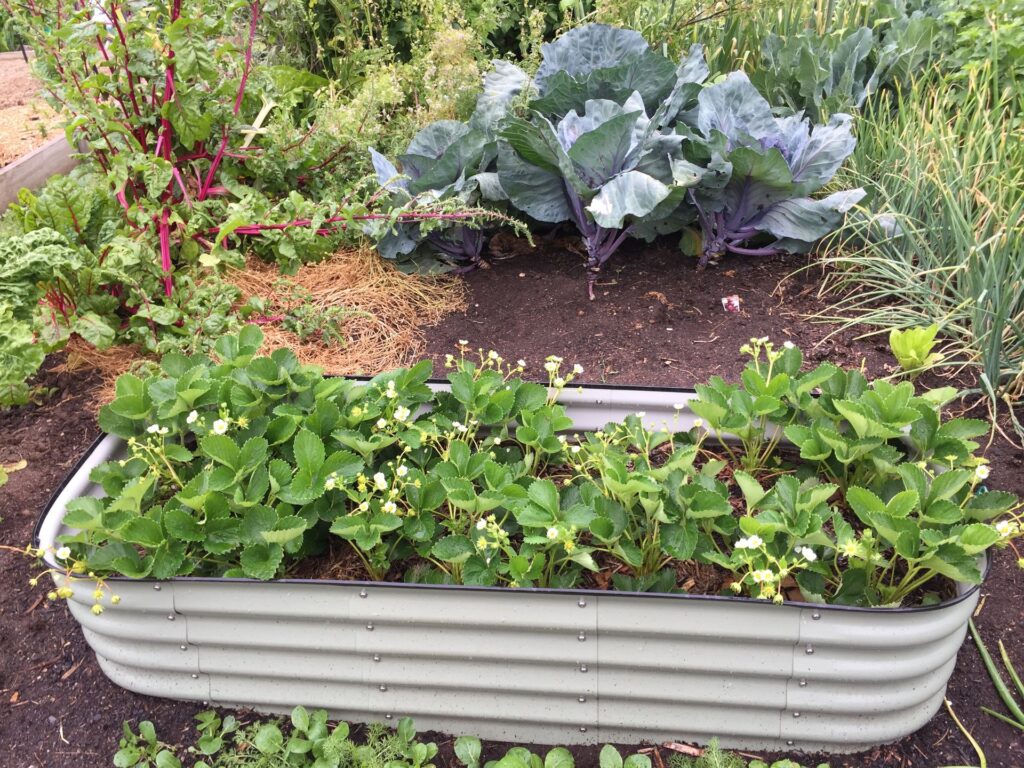
Vego beds come in several standard shapes and heights, and each one holds a different volume. The most popular options include:
- 8-in-1 Classic Kit – roughly 32 inches by 32 inches with a height of 32 inches
- Medium 6-in-1 Kit – around 17 inches tall
- Standard rectangular beds – commonly 4 feet by 8 feet, available in 17-inch or 32-inch heights
- Modular beds – customizable lengths that can be extended in 17-inch sections
Because the height varies so much between models, two beds with the same footprint can need very different amounts of filler. A 32-inch tall bed, for example, holds almost double what a 17-inch version of the same length and width holds. This is the first thing to check before doing any math, since assuming every bed is the same height is one of the most common planning errors.
The Simple Formula Anyone Can Use
The math behind figuring out volume is not complicated, even for someone who has never enjoyed math class. The basic formula is:
Length × Width × Height = Volume
All three measurements need to be in the same unit before multiplying, usually feet. Once the volume is found in cubic feet, it can be converted to cubic yards by dividing by 27, since there are 27 cubic feet in one cubic yard. Bags of soil sold at garden centers are usually labeled in cubic feet, so knowing both numbers is helpful when deciding whether to buy bagged product or order in bulk.
For example, a bed measuring 4 feet long, 4 feet wide, and 2.6 feet tall (which is close to the 32-inch height) works out to:
4 × 4 × 2.6 = 41.6 cubic feet
That single bed alone would need close to 1.5 cubic yards to fill completely. Numbers like this surprise a lot of first-time buyers who assumed a handful of bags would be enough.
Soil Needed for Each Vego Bed Size
To make things easier, here is a general breakdown based on common Vego dimensions. These numbers assume the bed is filled to the top edge.
Small 2×2 Kit (17-inch height) Approximately 8 cubic feet, or about 6 large bags.
Medium 4×4 Kit (17-inch height) Approximately 16 cubic feet, or roughly 12 bags.
Medium 4×4 Kit (32-inch height) Approximately 30 cubic feet, close to 1.1 cubic yards.
Large 4×8 Kit (17-inch height) Approximately 32 cubic feet, or around 24 bags.
Large 4×8 Kit (32-inch height) Approximately 60 cubic feet, close to 2.2 cubic yards.
These figures are estimates and can shift slightly depending on the exact model purchased, since Vego occasionally updates panel dimensions. It is always smart to measure the actual bed with a tape measure rather than relying only on the advertised size, since real-world assembly sometimes differs by an inch or two.
The Layering Method for Deep Beds

Tall beds do not need to be filled with expensive garden soil or compost all the way to the top. Many experienced growers use a layering approach, sometimes called hugelkultur, to save money while still giving roots what they need.
The bottom third of a tall bed can be filled with coarse organic material such as small logs, branches, or wood chips. This material slowly breaks down over the following seasons, adding nutrients and improving drainage. The middle third typically gets a mix of straw, leaves, or half-finished compost. Only the top third, roughly 8 to 10 inches, needs to be true planting-quality soil where roots will actually live and feed.
This method can cut the cost of filling a 32-inch bed by nearly 40 percent in the first year, since bulky organic filler is often free or very cheap compared to bagged soil. Over time, as the bottom layers decompose and settle, the bed may need occasional topping up, which is completely normal.
Best Soil Mix for Vego Garden Beds
Not all filler works equally well in a raised bed. Because Vego beds are enclosed and drain differently than open ground, the mix matters more than people expect. A reliable blend that many gardeners rely on includes:
- 40 percent high-quality topsoil
- 30 percent compost or aged manure
- 20 percent coarse material like perlite or coarse sand for drainage
- 10 percent peat moss or coconut coir to help retain moisture
This combination gives roots a balance of nutrition, air pockets, and moisture retention. Heavy clay soil straight from the backyard should never be used alone, since it compacts easily inside a raised frame and can suffocate roots. Similarly, using only compost without any mineral component can lead to a mix that breaks down too quickly and sinks within a single season.
Common Mistakes People Make When Estimating
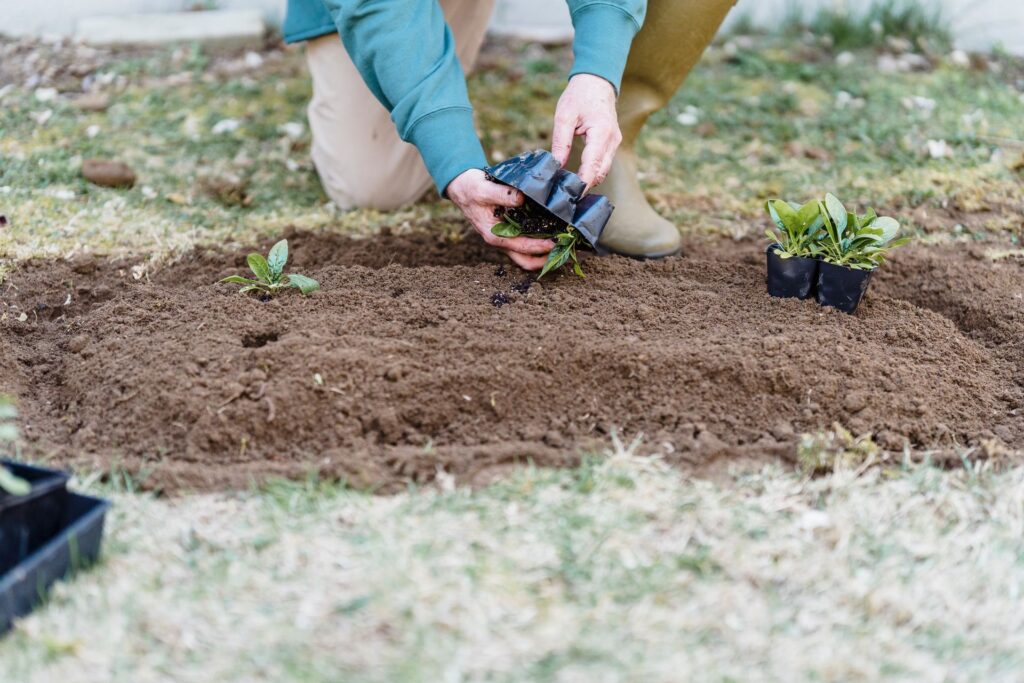
Even careful gardeners run into the same handful of errors when planning how much to buy. Knowing these ahead of time can save a lot of frustration.
Measuring in inches instead of feet. Mixing units during the calculation is one of the most frequent mistakes and can throw the final number off by a huge margin.
Forgetting the settling factor. Fresh soil and compost settle after the first watering, sometimes dropping by 10 to 15 percent in the first month. Buying a small extra amount to top off the bed after settling avoids a half-empty look later.
Ignoring bed height variations. As mentioned earlier, assuming every Vego kit is the same height leads to serious under-ordering, especially with the taller 32-inch models.
Not accounting for multiple beds. Gardeners who buy more than one kit sometimes calculate volume for a single bed and forget to multiply it out, leaving them short by hundreds of pounds of material.
Skipping the layering strategy. Filling a tall bed entirely with bagged soil is far more expensive than necessary and is rarely how experienced growers actually do it.
Real Experience From the Garden
Anyone who has filled a raised bed for the first time usually remembers the moment they realized bagged soil adds up fast. A gardener setting up a single 4×8 Vego bed at the taller height once assumed 15 bags would be plenty, only to discover the bed still looked half empty after all of them were emptied in. It took nearly double that amount to reach the top, plus a bit more after the first deep watering caused everything to settle.
This kind of experience is common, and it is exactly why planning ahead with real measurements, rather than guesswork, makes such a difference. Gardeners who take the time to sketch out their bed dimensions and calculate volume before shopping consistently report smoother setups, fewer surprise trips to the store, and healthier plants by midsummer because the roots had proper depth and nutrition from day one.
Using a Calculator to Save Time
Doing the math by hand works fine for a single bed, but it gets tedious quickly when someone is planning several beds of different sizes, or trying to figure out the split between bulk organic filler and premium topsoil. This is where an online tool becomes genuinely useful instead of just a nice extra.
The Vego Garden Soil Calculator lets a gardener plug in the length, width, and height of any bed and instantly see the total volume needed, along with a rough bag count for those who prefer buying pre-packaged product. It removes the guesswork and the unit-conversion headaches described earlier in this guide, which is especially handy for anyone setting up multiple beds at once.
How Much to Buy in Bulk vs Bags
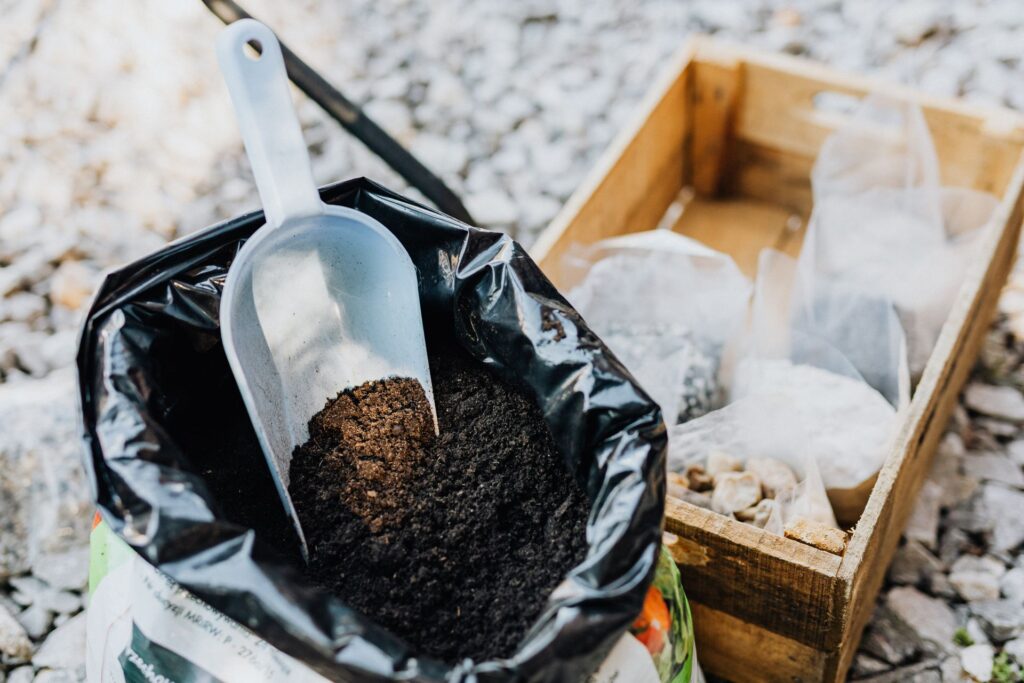
For a single small bed, bagged soil from a local garden center is usually the most convenient option, even if it costs a bit more per cubic foot. Once the total volume needed climbs above roughly 1 cubic yard, buying in bulk from a landscaping supplier almost always saves money.
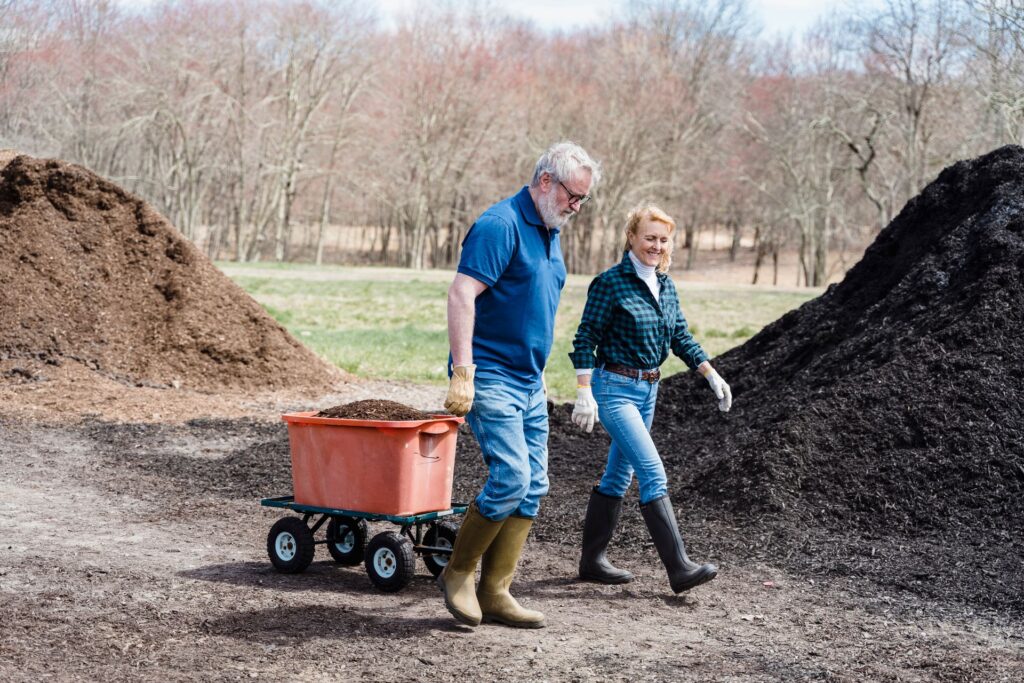
Bulk suppliers typically sell by the cubic yard and can deliver directly to a driveway, which is far easier than carrying dozens of heavy bags. A good rule of thumb many landscapers use is that bulk becomes cost-effective once a project needs more than about 20 bags worth of material, since delivery fees are spread across a much larger volume.
Topping Up Soil Over Time
Even a perfectly filled bed will need occasional maintenance. Organic material breaks down, worms and microbes consume matter, and rain compacts loose soil over months. Most gardeners find they need to add a fresh layer of compost or topsoil at the start of each new growing season, usually somewhere between 1 and 3 inches deep across the surface.
This is a normal and healthy part of raised bed gardening rather than a sign that something went wrong. Beds that are refreshed yearly tend to outperform beds that are filled once and never touched again, since the nutrient level naturally declines as plants use it up season after season.
Seasonal Considerations
The time of year a bed gets filled can also affect how much material is needed right away. Filling a bed in early spring before planting means the soil has less time to settle, so a slightly fuller initial fill helps account for compaction once watering begins. Filling in fall, ahead of a winter rest period, gives organic layers extra months to break down naturally, which can reduce how much premium soil is needed the following spring since the lower layers will have already started composting.
Gardeners in areas with heavy rainfall should also expect faster compaction and may need to top off beds more frequently than those in drier climates. Keeping an eye on the surface level after the first few big storms of the season is a simple habit that prevents roots from ever sitting too shallow.
Tools That Make Measuring Easier
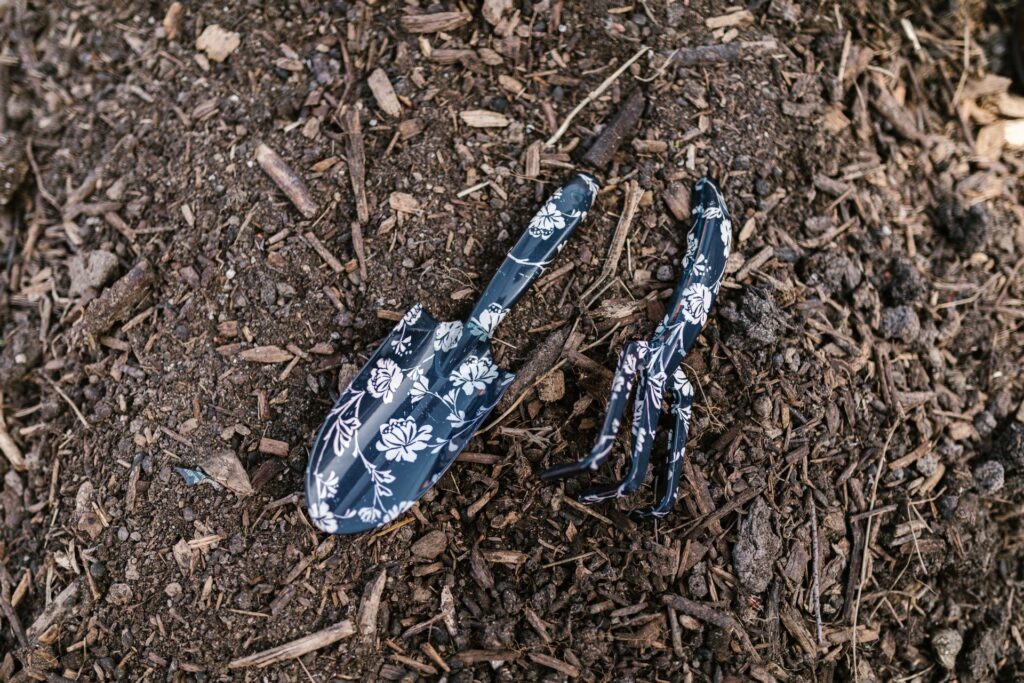
A few simple tools make the whole process faster and more accurate. A retractable tape measure is essential for getting exact inside dimensions, since outside frame measurements can be misleading once panel thickness is factored in. A notebook or phone note to jot down numbers on the spot prevents the common mistake of trying to remember measurements later and getting them wrong. A basic calculator app helps with the cubic feet to cubic yard conversion instantly, so there is no need to do long division by hand.
Some gardeners also find it helpful to sketch a rough diagram of their yard showing where each bed will sit, along with its planned height. This visual approach makes it much easier to spot mistakes, like accidentally listing the same bed twice or forgetting one entirely, before any money is spent on soil.
How Bed Placement Affects Soil Choice
Where a bed sits in the yard can influence how much and what type of filler makes sense. Beds placed on concrete, gravel, or a patio cannot rely on any nutrients from the ground below, so they need a fully complete soil mix from bottom to top, without shortcuts like the layering method described earlier. Beds placed directly on open soil or grass can use the layering approach more effectively, since the bottom layer will naturally interact with the earth underneath and support faster breakdown of organic material.
Sunlight exposure also plays a small role. Beds in full sun tend to dry out faster, so a slightly higher percentage of compost or coconut coir in the mix helps retain moisture during hot stretches of summer. Beds in partial shade can use a slightly leaner mix since moisture evaporates more slowly.
Comparing Vego Beds to Wooden Raised Beds
People switching from traditional wooden raised beds to Vego often assume the soil needs will be roughly the same, but that is not always true. Vego panels are typically taller than the average wooden box, which usually tops out around 11 to 12 inches. Because Vego beds frequently reach 17 or 32 inches, the volume required per square foot of footprint is noticeably higher.
This taller design is actually one of the biggest advantages of the system, since it gives root vegetables like carrots and potatoes far more room to develop without hitting a hard bottom. The trade-off is simply that new owners need to budget for more filler material than they might expect based on past experience with shallower boxes.
Budgeting for the First Fill
First-time buyers are sometimes caught off guard by the total cost of filling a large bed. A rough budgeting guide can help set expectations before shopping begins. Bagged topsoil and compost typically cost between $4 and $8 per bag depending on the region and brand, while bulk delivery often runs between $30 and $60 per cubic yard, not including delivery fees which vary by distance.
For a single 4×8 bed at the 32-inch height, bagged materials alone could cost anywhere from $180 to $350, while bulk delivery for the same volume might land closer to $70 to $130 plus a flat delivery charge. This price gap is exactly why the layering method and bulk buying options are worth considering for anyone filling more than one tall bed.
Signs the Bed Has Enough Soil
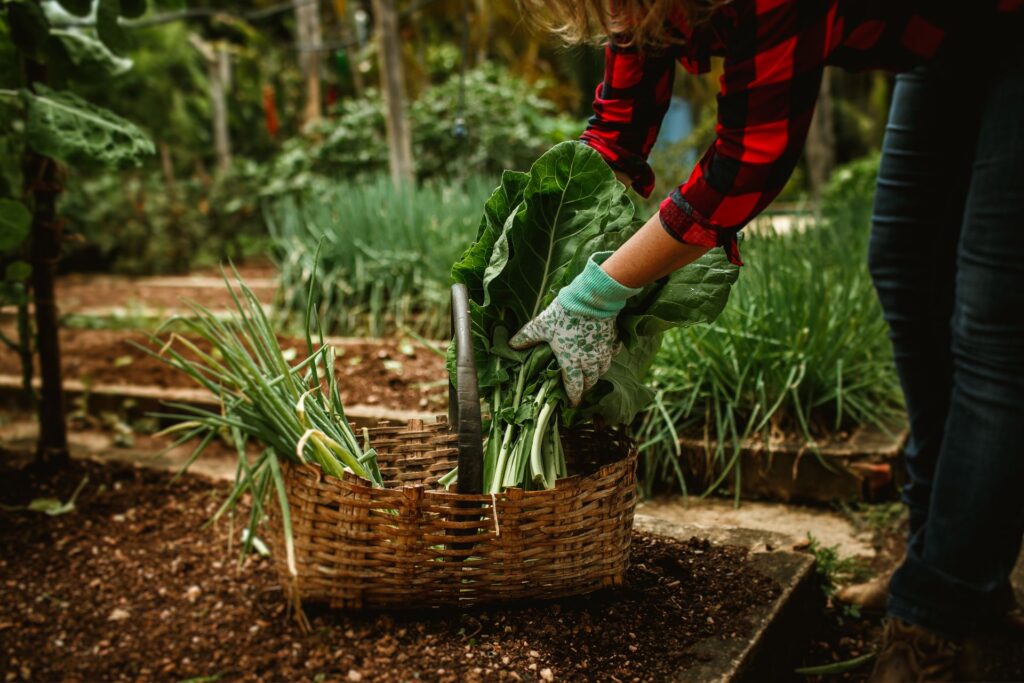
New gardeners often wonder if they filled the bed correctly, even after doing the math. A few simple signs help confirm the job was done right. The soil surface should sit roughly 1 to 2 inches below the top edge of the frame, leaving a small lip that keeps water and mulch from washing over the sides during heavy watering.
Pressing a finger into the surface should meet gentle resistance, not the hard, compacted feel of underfilled or overly dense soil.
Another good check is watching how water behaves during the first deep watering. Water should soak in steadily within a minute or two rather than pooling on top or draining straight through in a matter of seconds.
Pooling usually signals that the top layer is too heavy or compacted, while very fast drainage often means the mix is too loose and may need a bit more compost worked in to help it hold moisture.
Adjusting the Mix for Different Vegetables
Not every crop wants the exact same soil environment, and small adjustments can make a noticeable difference in yield. Leafy greens like lettuce and spinach thrive in a lighter mix with extra compost, since their shallow roots benefit from rich, easily accessible nutrients near the surface. Root vegetables such as carrots and beets prefer a looser blend with less clay and more sand or perlite, since compacted soil can cause roots to fork or stay stunted.
Tomatoes and peppers, both heavy feeders, do best with a deeper layer of compost mixed through the top half of the bed, since they draw nutrients steadily throughout a long growing season. Gardeners who plan to rotate crops each year often keep a bag of compost and a bag of coarse sand on hand so the mix can be nudged slightly in either direction depending on what is being planted that season.
Maintaining Soil Health Between Seasons
Healthy soil is not a one-time achievement; it is something that gets built up gradually. Adding a layer of mulch, such as straw or shredded leaves, across the surface between plantings helps regulate temperature, reduce water loss, and slowly feed the soil as it breaks down. Rotating what gets planted in each section of the bed from year to year also prevents the same nutrients from being pulled out repeatedly, which can leave soil tired and less productive over time.
Cover crops are another option worth considering during the off-season. Planting something like clover or winter rye after the main harvest and turning it into the soil before spring adds organic matter and helps loosen compacted areas naturally, without needing to buy additional bags of soil the following year.
Summary
- Vego garden beds come in multiple sizes and heights, most commonly 17-inch and 32-inch, and the height makes a big difference in how much soil is needed.
- The basic formula for calculating volume is length × width × height (in feet), then divide by 27 to convert cubic feet into cubic yards.
- A standard 4×8 bed needs about 32 cubic feet of soil at 17 inches tall, or roughly 60 cubic feet at 32 inches tall.
- A good soil mix includes 40% topsoil, 30% compost, 20% coarse material for drainage, and 10% peat moss or coconut coir for moisture retention.
- Tall beds can use a layering method, filling the bottom third with logs or branches, the middle with straw or leaves, and only the top 8 to 10 inches with true planting soil, cutting costs by nearly 40 percent.
- Common mistakes include mixing measurement units, ignoring the 10 to 15 percent settling factor, forgetting height differences between bed models, and skipping the layering approach on tall beds.
- Buying in bulk becomes more cost-effective than bagged soil once a project needs more than about 20 bags worth of material.
- Beds should be topped up yearly with 1 to 3 inches of fresh compost to maintain healthy nutrient levels.
- Soil mixes can be adjusted slightly depending on what’s planted, with leafy greens preferring lighter, compost-rich soil and root vegetables preferring looser, sandier blends.
Final Thoughts
Filling a Vego garden bed correctly is one of those tasks that seems small but has a big impact on how well plants perform all season long. Taking the time to measure the actual bed dimensions, understand the difference between bagged and bulk material, and consider a layering approach for taller beds can save real money without sacrificing plant health.
Every gardener’s setup looks a little different, but the same basic math and the same common mistakes apply across almost every situation. With the right amount of preparation, filling a bed becomes a quick, satisfying task rather than a source of stress, leaving more time and energy for the fun part: watching everything grow.
FAQs
How much soil does a 4×8 Vego garden bed need?
A 4×8 Vego bed needs about 32 cubic feet of soil at the 17-inch height, or around 60 cubic feet (roughly 2.2 cubic yards) at the 32-inch height.
How many bags of soil are needed to fill a Vego raised bed?
For a 4×8 bed at 17 inches tall, expect around 24 bags using standard 1.5 cubic foot bags. At 32 inches tall, that number nearly doubles to about 44 to 48 bags.
What is the best soil mix for a Vego garden bed?
A reliable blend includes 40% topsoil, 30% compost, 20% coarse material like perlite for drainage, and 10% peat moss or coconut coir for moisture retention.
Do tall Vego beds need to be filled completely with soil?
No. Tall beds can use a layering method, filling the bottom third with logs or branches, the middle with straw or leaves, and only the top 8 to 10 inches with true planting soil, which can cut costs by nearly 40 percent.
How often should soil be topped up in a Vego garden bed?
Most beds need a fresh layer of 1 to 3 inches of compost or topsoil at the start of each growing season to replace nutrients used up by the previous season’s plants.