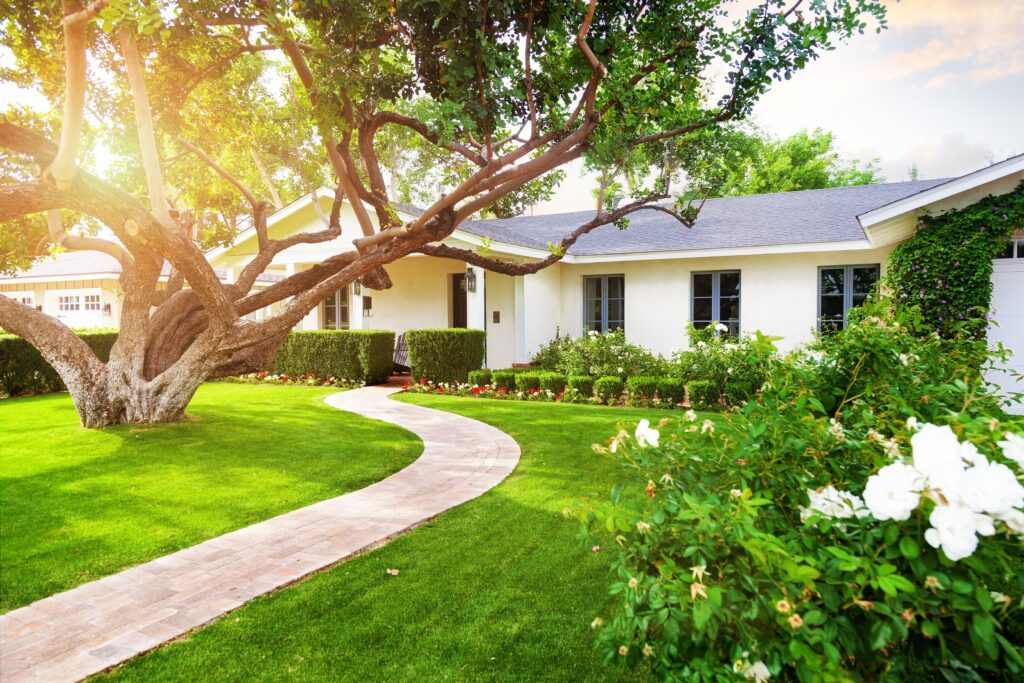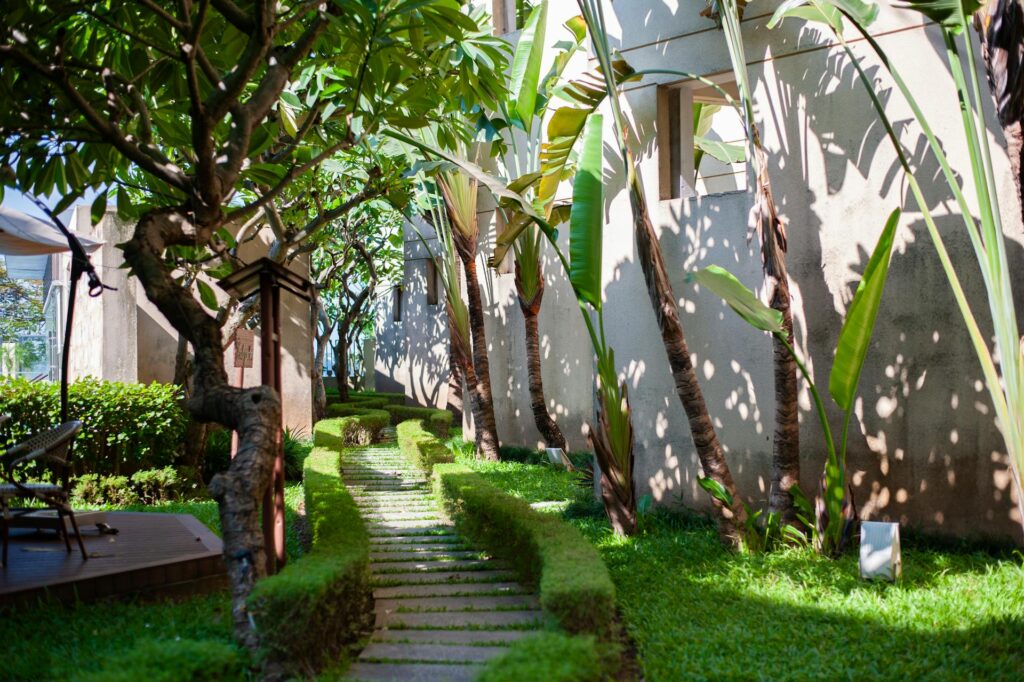
- Small yards (under 500 sq ft): Use vertical gardening (trellises, wall planters) and raised beds in a grid pattern to maximize limited space.
- Medium yards (500–2,000 sq ft): Zone the space into seating, planting, and lawn areas, and use curved beds to make it feel bigger.
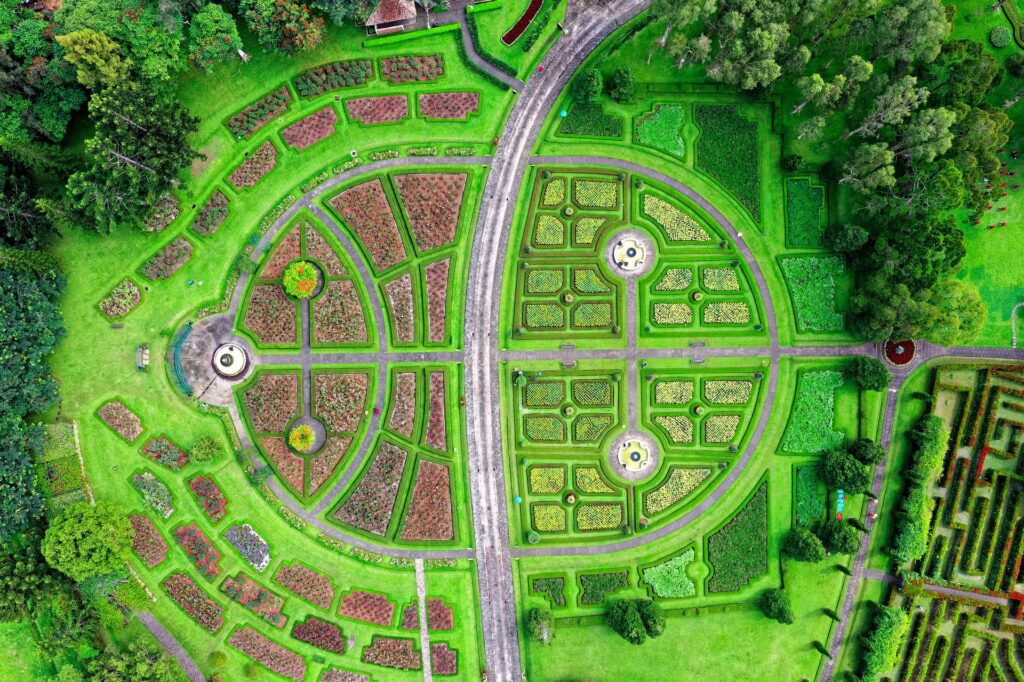
- Large yards (over 2,000 sq ft): Apply the “room” concept, dividing the yard into connected sections like a formal garden, orchard, and relaxation zone, so it doesn’t feel empty.
- Narrow/long yards: Break the space into a series of end-to-end sections instead of one long strip.
- Irregular/L-shaped yards: Use the “extra” corner for a hidden seating nook or play area.
Every yard tells a different story. Some homeowners work with a tiny balcony or a narrow side strip, while others have a sprawling backyard that feels almost impossible to fill. After walking through dozens of gardens over the years and helping friends and neighbors plan their own outdoor spaces, one thing becomes clear pretty fast: the best layout is never a one-size-fits-all template. It depends entirely on what a person is starting with.
This guide breaks down practical, tested layout ideas for small, medium, and large yards, along with tips that come from real trial and error rather than just theory. By the end, anyone reading this should feel confident about turning their own patch of land into something that actually works, looks good, and doesn’t fall apart after the first season.
Why Yard Size Should Guide the Layout, Not the Other Way Around
A lot of people make the mistake of picking a garden design they saw online and then trying to force it into their yard. This almost always backfires. A layout built for a quarter-acre lot will feel cramped and messy in a 200-square-foot courtyard, and a design meant for a small patio will look empty and awkward in a big backyard.
The smarter approach is to start with the actual dimensions of the space. This is where measuring the space accurately becomes so important before any digging or planting begins. Getting the numbers right from day one saves hours of frustration later, especially when it comes to buying materials or spacing out beds.
Small Yards: Making Every Square Foot Count

Small yards, anything roughly under 500 square feet, need a layout that feels open rather than cluttered. The goal is not to squeeze in as many plants as possible but to create a sense of flow.
Vertical Gardening Changes Everything
One of the biggest lessons learned from working with tight spaces is that going up solves the problem of not having enough room to go out. Trellises, wall-mounted planters, and tiered shelving can easily double the usable planting area without taking up extra ground space. Climbing plants like beans, peas, and small cucumber varieties do wonderfully on vertical structures and free up the soil below for shorter crops.
Raised Beds in a Grid Pattern
For small yards, a grid-style raised bed layout works better than scattered rows. A simple 4×4 foot bed, or even a 2×8 foot strip along a fence, keeps things tidy and easy to maintain. This kind of layout also makes it much simpler to rotate crops each season without losing track of what was planted where.
Corner and Edge Planting
Corners are often wasted space in small yards. Tucking in a compact herb spiral or a small pollinator patch in an unused corner adds function without eating into the main lawn area. Edges along fences or walkways are also perfect for narrow strips of flowers or low-growing groundcover.
Before finalizing any small-yard design, it genuinely helps to use a Garden Area Calculator to figure out exactly how much space is available after accounting for pathways, seating, and storage. Small yards leave almost no room for guesswork, so getting the math right upfront avoids the disappointment of an overcrowded bed a few weeks in.
Medium Yards: Balancing Beauty and Function
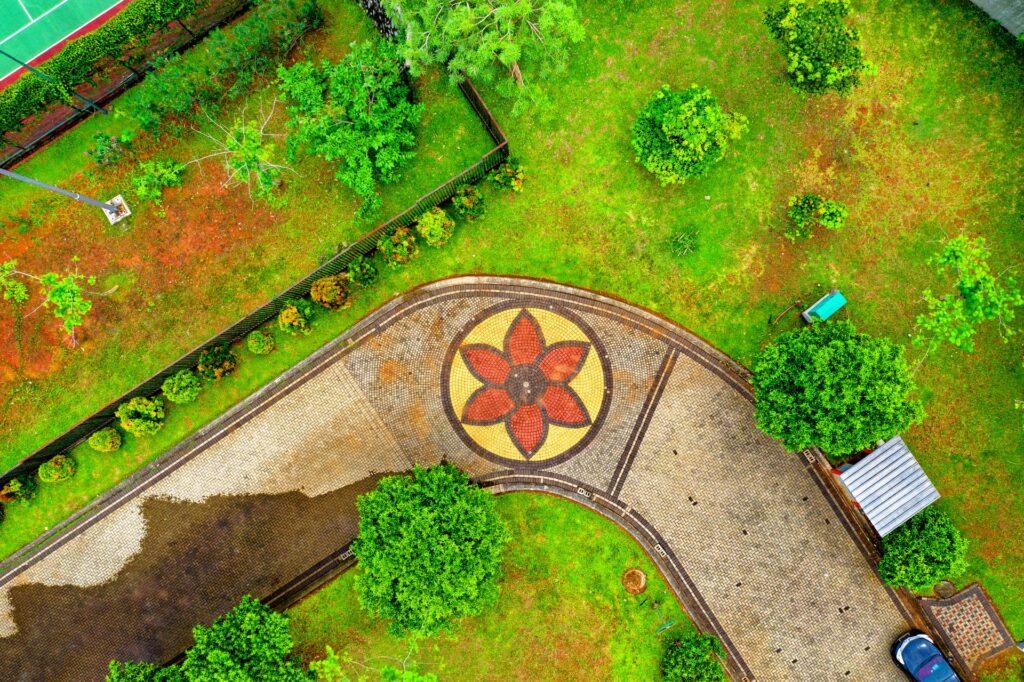
Medium-sized yards, somewhere between 500 and 2,000 square feet, offer the most flexibility, but they also come with a common trap. People either underuse the space by keeping it too simple, or they overdesign it and end up with a maintenance headache.
Zoning the Yard
The most effective medium-yard layouts divide the space into clear zones. A typical setup might include:
- A seating or entertaining area near the house
- A vegetable or cutting garden slightly further back
- A lawn or open play space for kids or pets
- A border planting strip along the fence line for privacy and color
This kind of zoning mirrors how professional landscapers approach medium lots, and it works because each zone has a clear purpose instead of everything blending together into one confusing mass.
Curved Beds Over Straight Rows
While straight rows are efficient, curved or kidney-shaped beds often make a medium yard feel bigger than it actually is. Curves soften the hard lines of fences and patios, and they naturally guide the eye around the space rather than straight across it.
Mixing Edibles With Ornamentals
Medium yards have enough room to combine a working vegetable patch with decorative plants, something small yards usually can’t afford to do. Interplanting marigolds or nasturtiums among tomato rows, for example, adds color while also helping with pest control naturally.
Getting the proportions right matters a lot here. Many people underestimate how much mulch, soil, or seed a medium-sized layout actually needs, which is why it’s worth taking time for estimating material needs before buying anything in bulk. Running short halfway through a project, or ending up with leftover bags of soil nobody needs, is a common and avoidable frustration.
Large Yards: Designing Without Losing Structure

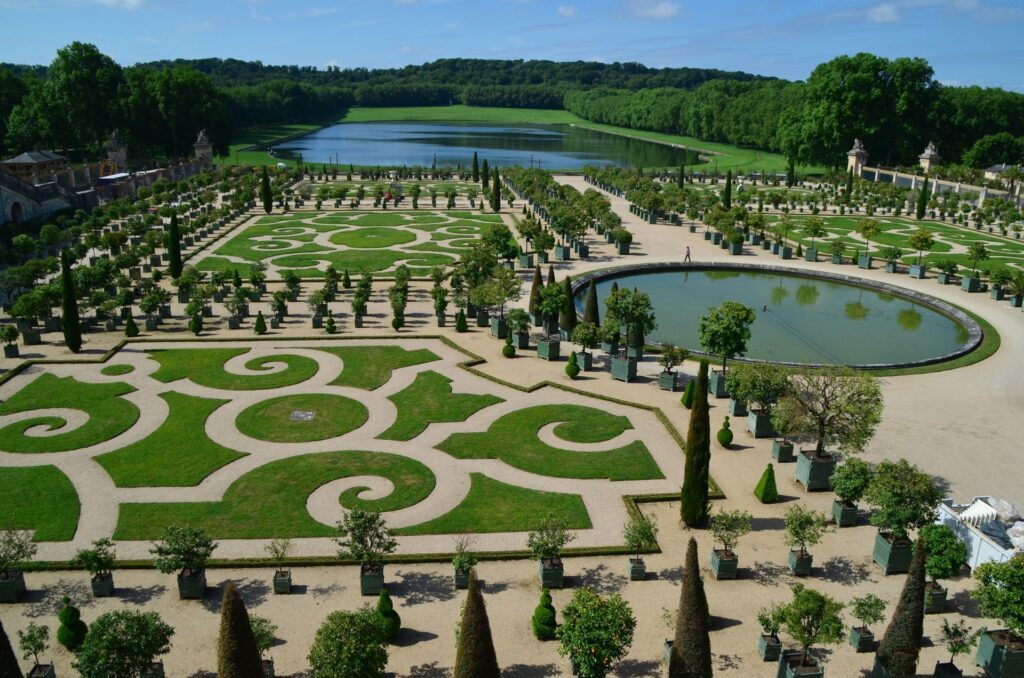
Large yards, anything above 2,000 square feet, come with their own unique challenge. Too much open space without structure can feel just as uninviting as a cramped small yard. The key is breaking the area into smaller, connected “rooms.”
The Room Concept
Think of a large yard the way an interior designer thinks about a big house. Instead of one giant open space, it works better divided into distinct areas connected by pathways:
- A formal garden or flower bed near the entrance
- A vegetable garden with wide rows for easier access
- An orchard or fruit tree section if space allows
- A relaxation zone with a pergola, fire pit, or hammock area
- A wildlife or pollinator meadow at the far edge
This approach keeps a large yard from feeling like an empty field while still giving each section room to breathe.
Wide Pathways and Focal Points
In bigger yards, narrow paths that work in small gardens start to look out of place. Wider pathways, around 3 to 4 feet, feel more proportional and make the space easier to walk through with tools, wheelbarrows, or even a small cart. Adding a focal point, like a large tree, a water feature, or a striking sculpture, gives the eye somewhere to rest instead of wandering aimlessly across the lawn.
Succession Planting for Bigger Beds
With more space comes the opportunity for succession planting, staggering planting times so something is always ready to harvest. This is one of the more experience-based lessons that only becomes obvious after a full growing season: planting everything at once in a large bed often leads to a huge harvest all in one week and then nothing for the rest of the month. Spacing out planting dates by two to three weeks solves this completely.
Because large yards involve significantly more planning, avoiding common measuring mistakes early on saves a lot of wasted effort. Miscalculating slope, sun exposure, or soil type across a big area can throw off an entire season’s planning, something that’s much harder to fix once beds are already built.
Layout Ideas by Yard Shape
Size isn’t the only factor. Shape plays a bigger role than most people realize.
Narrow, Long Yards
These are common in townhouses and older neighborhoods. The best approach is usually a series of “rooms” laid out end to end, similar to the large yard concept but on a smaller scale. Breaking a 60-foot long, narrow yard into three or four sections, each with a slightly different purpose, keeps it from feeling like a bowling alley.
Square or Boxy Yards
Square yards are the easiest to work with because they allow for symmetrical designs. A center path with beds on either side, or a classic four-square garden layout, tends to look balanced and intentional without much extra effort.
L-Shaped or Irregular Yards
Irregular yards actually offer more creative freedom than people expect. The “extra” section created by the L-shape often makes a perfect spot for a hidden seating nook, a compost area, or a children’s play zone tucked away from the main garden view.
Container Gardening for Extremely Tight Spaces
Some yards are so small they barely count as a yard at all, think a concrete patio, a balcony, or a narrow strip beside a driveway. In these cases, the “layout” isn’t about beds at all; it’s about container placement. The trick that works best here is grouping containers by height, tallest at the back or center and shortest toward the front or edges, so nothing blocks the sun from smaller plants.
Using a mix of container sizes also helps. A single 5-gallon container might hold a compact tomato plant, while a shallow 12-inch pot works fine for herbs like basil, thyme, or chives. Wheeled plant caddies are worth the small investment too, since they make it easy to shift containers around to chase sunlight throughout the day, something fixed beds simply can’t do.
Even in a container-only setup, thinking in terms of a layout, rather than just placing pots wherever there’s room, makes a noticeable difference. Grouping containers into a loose “cluster” near a doorway or railing tends to look far more intentional than scattering them randomly around the space.
Tools and Materials That Make Layout Planning Easier
A good layout doesn’t require expensive equipment, but a few simple tools make the process smoother:
- A measuring tape or wheel, at least 50 feet long for anything beyond a small courtyard
- Graph paper or a simple digital sketching app to draw the layout to scale
- Garden stakes and string to mark out bed boundaries before digging
- A basic soil test kit to understand what’s actually being worked with before choosing plants
Sketching the layout to scale first, even roughly, catches problems long before they become expensive mistakes. It’s much easier to erase a line on paper than to dig up an entire bed because it turned out to be two feet too close to a fence or tree.
How Family Needs Shape the Layout
Layout planning isn’t only about plants; it’s also about how the household actually uses the yard. A family with young kids probably needs open lawn space protected from delicate beds, while a household that entertains often might prioritize a patio zone with the garden pushed toward the edges. Pet owners often benefit from raised beds or fencing around vegetable areas, since dogs and rabbits alike tend to treat freshly turned soil as an open invitation.
Thinking through these everyday realities before finalizing a layout prevents the common regret of building a beautiful garden that ends up unused because it doesn’t actually fit how the space gets lived in day to day.
Sun Exposure and Layout: A Detail Too Many People Skip
Regardless of yard size, sun exposure changes everything about layout. A south-facing yard in most of the Northern Hemisphere gets the most consistent light, which is ideal for vegetable gardens. North-facing yards tend to stay shadier and work better for shade-loving plants like hostas, ferns, and certain leafy greens.
It’s worth spending a full day, or even just checking every few hours, tracking how sunlight moves across the yard before finalizing bed placement. This single step, often skipped by beginners, is one of the biggest reasons some garden layouts thrive while others struggle no matter how much care goes into them.
Budget-Friendly Layout Tips That Actually Work
Not every great layout requires a big budget. A few tried-and-true tricks:
- Reuse broken concrete pieces or leftover pavers for pathway edging instead of buying new border stone.
- Start with annual flowers in the first year to test a layout before committing to expensive perennials.
- Use cardboard and mulch for no-dig bed preparation instead of renting a tiller.
- Group plants with similar water needs together to cut down on wasted irrigation.
These small adjustments add up, especially for anyone designing a layout for the first time and still figuring out what actually works in their specific yard.
Planning Layouts Using the Square Foot Method
For people who like structure and precision, planning a garden by square footage is one of the most reliable ways to avoid overplanting or underplanting a bed. This method breaks each bed into a grid, typically one square foot per section, and assigns a specific number of plants to each square based on their mature size.
This works especially well for vegetable gardens where spacing mistakes are common. A single tomato plant, for example, might need an entire square to itself, while sixteen carrot seeds can comfortably share that same space. Using this kind of grid system removes a lot of the guesswork that trips up new gardeners.
Common Mistakes Across All Yard Sizes
A few mistakes show up again and again, regardless of whether the yard is tiny or massive:
- Ignoring mature plant size and spacing everything too close together at planting time
- Ignoring drainage patterns, leading to soggy beds after heavy rain
- Placing tall plants where they’ll shade out shorter ones later in the season
- Skipping a pathway plan, which leads to trampled beds within a few weeks
- Not leaving room for future expansion, especially in yards that start small but grow over time
Avoiding these issues isn’t complicated, but it does require slowing down during the planning phase instead of rushing straight into planting.
Seasonal Considerations for Layout Planning
Layouts shouldn’t be designed with only spring or summer in mind. A well-thought-out garden accounts for all four seasons. Leaving space for fall crops like kale or garlic, or planning a spot for spring bulbs to come up before anything else is planted, keeps the garden looking active and useful for more of the year rather than just a few peak months.
Perennial borders, in particular, benefit from this kind of long-term thinking. Placing spring bloomers toward the front of a bed and summer or fall bloomers toward the back creates a layered effect that keeps color going from March through October in most temperate climates.
Summary
- The best garden layout depends on yard size, not on copying a random design found online.
- Small yards (under 500 sq ft) do best with vertical gardening, grid-style raised beds, and using corners for herb spirals or pollinator patches.
- Medium yards (500–2,000 sq ft) work best when divided into zones — seating, planting, lawn, and border strips — with curved beds to soften hard lines.
- Large yards (over 2,000 sq ft) need a “room” concept, breaking the space into connected sections like a formal garden, vegetable patch, orchard, relaxation area, and pollinator meadow.
- Yard shape matters too: narrow yards work best broken into end-to-end sections, square yards suit symmetrical designs, and L-shaped yards can turn the “extra” corner into a hidden nook.
- Sun exposure should guide bed placement, with south-facing areas best for vegetables and north-facing areas better for shade-loving plants.
- Budget-friendly tricks — reused pavers, annuals for testing a layout, cardboard mulch beds — help keep costs down.
- Square foot planning is a reliable method for avoiding overplanting or underplanting in any size garden.
- Common mistakes across all yard sizes include ignoring mature plant size, poor drainage planning, and skipping pathway layouts.
- A good layout accounts for all four seasons, not just spring and summer, to keep the garden active year-round.
Final Thoughts
There’s no single “perfect” garden layout that works for everyone. What works beautifully in a 1,200-square-foot suburban backyard might feel completely wrong in a 150-square-foot urban courtyard.
The real secret, learned through plenty of trial and error, is starting with an honest look at the space available, the amount of sunlight it gets, and how much time can realistically be spent maintaining it.
Small yards reward creativity and vertical thinking. Medium yards thrive on balance and zoning. Large yards need structure to avoid feeling empty. And every single layout, no matter the size, benefits from careful planning before the first shovel ever hits the ground.
Taking the time to measure, calculate, and sketch things out before planting isn’t the most exciting part of gardening, but it’s the part that makes everything else easier down the line. A little planning now saves a lot of frustration later, and it turns any yard, big or small, into a space that actually gets used and enjoyed all year round.
FAQs
What is the best garden layout for a small backyard?
For small backyards under 500 square feet, vertical gardening paired with raised beds in a grid pattern works best. Trellises and wall-mounted planters free up ground space, while a simple 4×4 foot bed keeps things easy to maintain and harvest.
How much yard space is needed for a vegetable garden?
A basic vegetable garden can start in as little as 100 to 200 square feet, but a more productive setup usually needs 500 square feet or more. The right amount depends on how many crops are planned and how much space is left for pathways.
Should garden beds be straight or curved?
Straight beds are more space-efficient and work well in small or square yards, while curved beds tend to make medium and large yards feel bigger by softening hard lines and guiding the eye around the space naturally.
How do you divide a large backyard into sections?
A large backyard is best divided using the “room” concept, breaking the space into connected zones like a formal garden near the entrance, a vegetable patch, an orchard, and a relaxation area, all linked by wide pathways around 3 to 4 feet.
Does sun exposure affect garden layout?
Yes, sun exposure plays a major role in garden layout. South-facing areas get the most consistent light and suit vegetable gardens, while north-facing or shadier spots work better for shade-loving plants like hostas and ferns.