Square foot gardening divides a garden bed into a grid of one-foot squares, with each square planted with 1 to 16 plants based on size — 1 tomato, 4 lettuce, 9 spinach, or 16 carrots per square. A standard beginner bed is 4×4 feet, giving 16 total squares to plan and plant.
Growing your own food sounds simple until the day someone actually walks outside with a shovel and a bag of seeds and realizes they have no clue where to start. This happens to almost everyone. A person buys a packet of tomato seeds, a packet of lettuce, maybe some carrots, and then stands in the backyard wondering how much space each plant actually needs.
That confusion is completely normal, and honestly, it is the number one reason so many first-time gardens either get overcrowded or end up half-empty by mid-summer.
There is a method that solves this problem, and gardeners have been quietly using it for decades because it just works. It turns a messy guessing game into a simple grid system that anyone can follow, even someone who has never grown so much as a houseplant.
By the end of this guide, the whole process will feel far less intimidating, and there will be a clear plan for turning any small patch of dirt into a productive little farm.
What Square Foot Gardening Actually Means
The idea is refreshingly simple. Instead of planting in long rows like a traditional farm field, the garden bed gets divided into a grid of one-foot by one-foot squares. Each square becomes its own mini planting zone, and depending on the crop, that square might hold one plant, four plants, nine plants, or even sixteen plants.
A tomato plant, for example, needs a whole square to itself because it grows large and spreads out. Carrots, on the other hand, are small and can be packed sixteen to a square. This method was popularized decades ago by a civil engineer who got frustrated with how much wasted space traditional row gardening created, and honestly, once someone tries it, going back to messy rows feels like a step backward.
The beauty of this system is that it removes the guesswork. There is no more standing in the yard trying to eyeball how far apart seeds should go. The grid tells a person exactly where everything belongs, and that structure alone prevents most of the overcrowding problems that ruin beginner gardens.
Why This Method Works So Well for Beginners
New gardeners tend to either plant too much in too little space or spread things out so far that half the garden sits empty and full of weeds. Square foot gardening fixes both problems at once.
Because each square has a defined purpose, there is far less wasted soil. Traditional row gardens can waste up to 80 percent of their space on walking paths between rows, which sounds shocking, but it is true. A square foot layout flips that ratio, so almost every inch of soil actually grows something.
This method also makes weeding dramatically easier. Since plants grow close together, they naturally shade out weed seedlings before they get a chance to take hold. Someone who has fought weeds all summer in a traditional garden will notice within the first few weeks just how much less maintenance this style demands.
There is also a mental benefit that does not get talked about enough. A grid feels manageable. A giant open plot of dirt feels overwhelming. Breaking the garden into small squares turns a big scary project into a series of small, achievable tasks, and that shift in mindset keeps a lot of beginners from giving up halfway through the season.
Getting the Measurements Right Before Anything Else
Before buying a single seed packet, the very first step is figuring out exactly how much space is available. This sounds obvious, but it is the step most people skip, and skipping it causes problems later when the garden bed turns out to be the wrong size for the plan.
Grab a tape measure and walk the space that will become the garden. Write down the length and width in feet, not inches, since the whole square foot system is built around foot-sized units. If the shape is irregular, break it into smaller rectangles and measure each one separately, then add the totals together. Taking time to properly measure the space now saves a lot of frustration later, because resizing a garden bed after it has already been built is far more work than most people expect.
A standard beginner bed is usually four feet by four feet, giving a total of 16 squares. This size is popular because a person can reach the center from any side without stepping into the bed and compacting the soil. For those with more room, a four foot by eight foot bed doubles that to 32 squares, which is still manageable for one person to tend.
Building the Actual Grid

Once the bed dimensions are settled, the next step is physically marking the grid. This can be done with thin wooden strips, garden twine, or even leftover PVC pipe cut into one-foot sections. The grid does not need to be fancy. It just needs to be visible enough that anyone standing over the bed can tell where one square ends and the next begins.
A raised bed works wonderfully for this method because the soil stays loose and does not get compacted by foot traffic. Most experienced square foot gardeners recommend a bed depth of at least six inches, though twelve inches gives root vegetables like carrots and beets much more room to grow properly.
For the soil mix itself, a popular blend used by thousands of gardeners consists of one-third compost, one-third peat moss or coconut coir, and one-third coarse vermiculite. This mix drains well while still holding enough moisture to keep roots happy, and it avoids the heavy clay problems that plague a lot of native backyard soil.
Deciding What Goes in Each Square
This is where the fun really begins. Every vegetable has a recommended spacing, and once that spacing is known, figuring out how many plants fit in a single square becomes almost automatic.
Large plants like tomatoes, peppers, and broccoli generally take up one full square each. Medium-sized plants such as bush beans or Swiss chard usually fit four per square. Smaller plants like spinach or bush peas can handle nine per square, and the tiniest crops, like radishes or carrots, can be packed in at sixteen per square.
A helpful trick that longtime gardeners use is thinking in terms of a plant’s mature width rather than its seed size. A carrot seed looks tiny, but the real question is how much room the mature carrot needs underground and how close its leafy top can be to its neighbor without competing for sunlight. Once that mindset clicks, spacing decisions get much faster and more intuitive.
It also helps to mix quick-growing crops with slower ones in the same bed. Radishes, for instance, mature in about three to four weeks, so a square planted with radishes can be harvested and replanted with something else while a nearby square of tomatoes is still slowly ripening through the summer.
This kind of succession planting keeps the whole bed productive from spring through fall instead of sitting idle after an early harvest.
Estimating Soil, Mulch, and Seed Needs
Once the layout is planned, the next practical question is how much material to actually buy. Nobody wants to make three separate trips to the garden store because they underestimated how much soil a bed actually needs, and overbuying wastes money on bags that sit unused in a shed all year.
A four foot by four foot bed at a depth of twelve inches needs roughly 16 cubic feet of soil, which usually translates to somewhere between 10 and 12 standard bags depending on the bag size sold locally. Mulch coverage depends on the desired depth, but a general rule is that one cubic yard of mulch covers about 100 square feet at a three-inch depth.
Rather than doing all this math by hand every single season, it is much easier to use a tool built specifically for this purpose. Anyone can simply plug in their bed dimensions using the Garden Area Calculator and get accurate figures instantly, without pulling out a calculator app or guessing based on rough estimates. This alone saves a surprising amount of time, especially for beginners who are still getting comfortable with garden math.
For seeds specifically, packet instructions usually list how many seeds are needed per square foot, but doubling up slightly and thinning later is a common practice among experienced growers, since not every seed germinates.
Keeping a simple notebook of what was planted, when, and how much was used makes next season’s planning far faster, since there is no need to relearn these numbers from scratch every year. For a quicker starting point, it also helps to estimate mulch, soil, and seed amounts ahead of the shopping trip, so the cart only has what the bed actually needs.
Sunlight and Positioning Considerations
Most vegetables need at least six hours of direct sunlight daily, and leafy greens can tolerate a bit less, while fruiting plants like tomatoes and peppers really want closer to eight hours. Before finalizing the grid layout, it helps to observe the intended garden spot across a full day, checking how shadows move as the sun crosses the sky.
Taller plants like pole beans or trellised cucumbers should generally go on the north side of the bed so they do not shade shorter plants throughout the day. This small detail gets overlooked constantly by first-time planners, and it is one of the easiest ways to accidentally stunt half a garden without realizing why growth seems uneven.
Watering and Ongoing Maintenance
Square foot gardens dry out a bit faster than traditional in-ground rows because the raised soil mix drains so well, which is great for root health but does mean watering needs closer attention. A simple finger test works well here. Stick a finger about one inch into the soil, and if it feels dry at that depth, it is time to water.
Drip irrigation or a soaker hose laid across the grid makes life significantly easier than hand watering with a hose every day, especially once the growing season heats up in July and August. Mulching the surface between plants, even in a tightly packed square foot bed, helps retain moisture and keeps weed pressure even lower than the grid system already provides on its own.
Avoiding the Mistakes Most Beginners Make
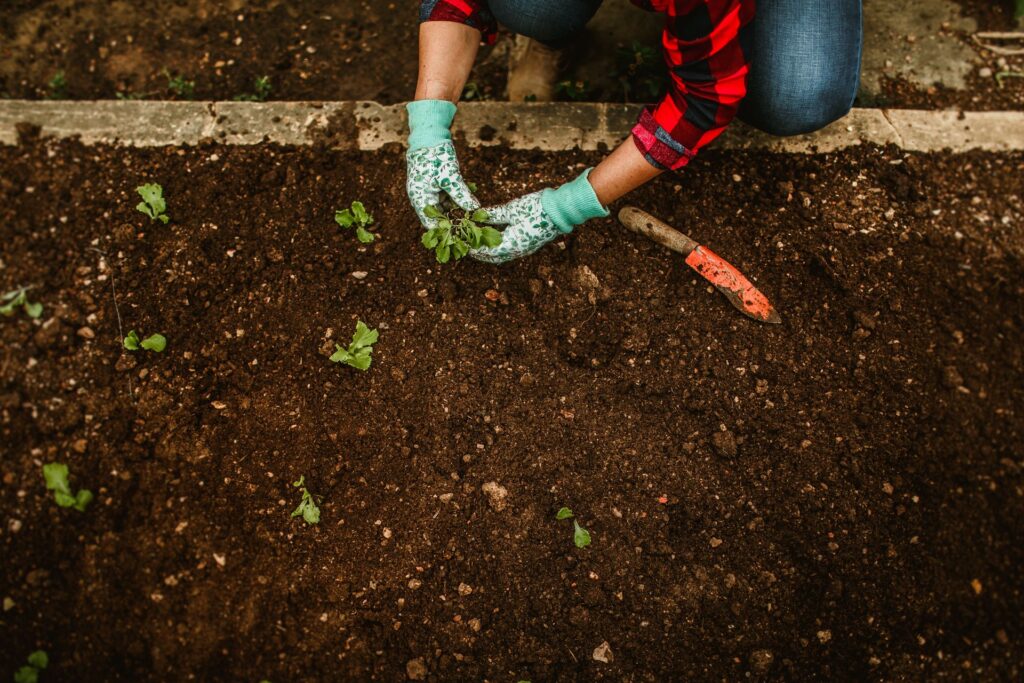
Even with a solid grid plan, there are a handful of errors that trip up new gardeners over and over again. Overcrowding a square with more plants than it can realistically support is probably the most common one, followed closely by placing tall plants where they end up shading everything around them later in the season.
Another frequent issue involves inaccurate initial measurements, which throws off the entire spacing plan from the very beginning. Reviewing the common measuring mistakes in garden planning before building a bed can prevent a lot of headaches down the road, since a small error in the early stages tends to snowball into bigger problems by midsummer.
Soil depth mistakes also show up often. Someone builds a beautiful grid on top of only four inches of soil, and then wonders why their carrots come out stubby and twisted. Root vegetables in particular punish shallow beds, so checking depth requirements for whatever crops are planned matters just as much as the horizontal spacing.
Rotating Crops Season After Season
A well-planned square foot garden does not have to look the same every year. In fact, it should not. Planting the same crop family in the same square year after year invites soil-borne diseases and depletes specific nutrients that particular plant family relies on heavily.
A simple rotation approach groups plants into families, such as nightshades (tomatoes, peppers, eggplant), legumes (beans, peas), brassicas (broccoli, cabbage, kale), and root crops (carrots, beets, radishes). Moving these groups to different squares each season, even within the same small bed, keeps soil healthier over the long run and tends to reduce pest buildup significantly.
Keeping a rough sketch of the previous year’s layout, even something as simple as a photo taken on a phone at the end of the season, makes this rotation planning far easier the following spring.
Personal Lessons Learned From Real Garden Beds
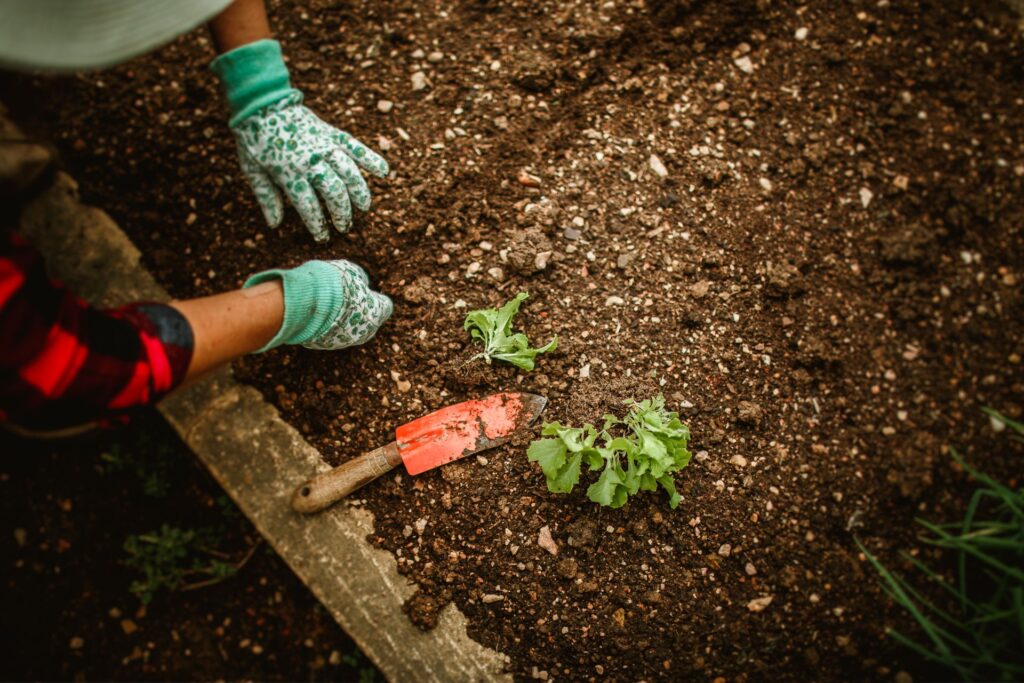
Anyone who has actually built a few of these beds over multiple seasons will say the same thing: the first attempt is rarely perfect, and that is completely fine.
A common early mistake is underestimating how large a tomato plant actually gets by August, leading to a jungle of vines swallowing up the neighboring lettuce square. That kind of trial and error teaches spacing lessons far faster than any chart ever could.
Another lesson that tends to surface after a season or two involves timing. Cool-season crops like spinach and peas thrive in the early spring squares, but if they are left in the ground too long once temperatures climb past 75 degrees, they bolt and turn bitter almost overnight.
Learning to swap those squares out for heat-loving plants like beans or peppers right around late spring keeps the whole bed productive instead of half-wasted during summer heat.
Experienced growers also tend to agree that keeping the grid visible year-round, rather than removing the dividers after planting, makes ongoing maintenance noticeably easier.
It becomes second nature to glance at a square and instantly know what belongs there, what needs watering, and what is ready for harvest, without needing to walk the whole bed every time.
Extending the Garden Beyond One Season
Once the first bed is up and running smoothly, many gardeners find themselves wanting to expand. A second four by four bed, or extending the original into an eight foot length, is a natural next step once the basic grid system feels comfortable. Vertical elements like trellises can also be added along one edge to grow climbing plants such as cucumbers or pole beans without eating into valuable square footage on the ground.
Fall planning deserves attention too. Many beginners assume the gardening season ends once summer crops finish, but squares that held spring lettuce or summer tomatoes can often be replanted with fall crops like kale, garlic, or more spinach, stretching productivity well into October or later depending on the local climate zone.
Summary
- Square foot gardening divides a raised bed into a grid of one-foot squares instead of traditional rows
- A standard beginner bed is 4×4 feet, giving 16 squares to work with
- Larger plants like tomatoes and peppers take 1 full square each
- Medium plants like bush beans fit 4 per square
- Smaller crops like spinach fit 9 per square, and carrots or radishes fit 16 per square
- A good soil mix is 1/3 compost, 1/3 peat moss or coconut coir, and 1/3 vermiculite
- Bed depth should be at least 6 inches, though 12 inches is better for root vegetables
- This method reduces wasted space by up to 80% compared to traditional row gardens
- Weeding is easier since plants grow close together and shade out weeds naturally
- Accurate measurements at the start prevent spacing and sizing problems later
- Crop rotation by plant family (nightshades, legumes, brassicas, root crops) keeps soil healthy season to season
- Most vegetables need at least 6 hours of direct sunlight, with fruiting plants preferring closer to 8 hours
Bringing It All Together
Square foot gardening takes something that feels overwhelming, an empty patch of dirt and a stack of seed packets, and turns it into a clear, structured plan that even a complete beginner can follow with confidence. The grid removes the guesswork, the spacing rules prevent overcrowding, and the small, manageable squares make the whole project feel far less intimidating than a traditional row garden ever does.
Getting the measurements right at the start, choosing appropriate soil depth, mixing a quality soil blend, and spacing plants according to their mature size all work together to create a garden that produces far more food in far less space than most people expect. Mistakes will happen along the way, and that is genuinely part of the learning process rather than a sign of failure.
Anyone standing in their backyard right now, staring at an empty patch of ground and feeling unsure where to begin, has everything needed to get started today. Grab a tape measure, sketch out a simple grid on paper, and take that first small step. The rest tends to fall into place one square at a time.
FAQs
How big should a beginner square foot garden bed be?
A 4×4 foot bed is the most common starting size for beginners, giving 16 total squares to plant. This size is easy to reach from every side without stepping into the soil, and it’s manageable for one person to build, plant, and maintain in a single weekend.
How many plants fit in one square foot?
It depends on the plant’s mature size. Large plants like tomatoes and peppers need 1 full square each. Medium plants like bush beans fit 4 per square, smaller crops like spinach fit 9 per square, and tiny plants like carrots or radishes fit 16 per square.
What is the best soil mix for square foot gardening?
A popular and reliable blend is 1/3 compost, 1/3 peat moss or coconut coir, and 1/3 vermiculite. This mix drains well while still holding enough moisture for healthy roots, and it avoids the dense, compacted texture common in native backyard soil.
How deep should a square foot garden bed be?
Most vegetables do fine with at least 6 inches of soil depth. Root vegetables like carrots and beets need more room to grow properly, so a depth of 12 inches is recommended for beds that include those crops.
Is square foot gardening better than row gardening for beginners?
Yes, for most beginners it is. Square foot gardening can reduce wasted space by up to 80% compared to traditional rows, since there are no walking paths between plants. It also makes weeding easier and gives clear, structured spacing that removes most of the guesswork new gardeners struggle with.