- Measuring only length and skipping the width
- Treating every garden shape as a rectangle
- Forgetting depth when calculating volume for soil, mulch, or gravel
- Using sloped distance instead of horizontal ground measurement
- Ordering materials before taking any measurements
- Confusing cubic yards and cubic feet when buying supplies
- Ignoring overlap and waste on linear projects like edging and fencing
- Measuring too early before soil and structures have settled
- Relying on memory instead of written notes
- Skipping the perimeter measurement for borders and edging
- Not subtracting existing plants and structures from total area
- Taking bag coverage claims as exact truths without checking the assumed depth
A garden that looks beautiful in someone’s head can quickly turn into a frustrating mess on the ground — and more often than not, the culprit is a measuring mistake made early in the planning process. Experienced gardeners and landscapers know this feeling all too well.
They have been there: buying too much mulch, running out of topsoil halfway through a raised bed build, or planting seeds in a space that turns out to be 30% smaller than expected. These are not rare problems. They happen to beginners and seasoned growers alike.
The good news is that most of these mistakes are completely avoidable. Once a gardener understands where things go wrong, fixing the process becomes much easier. This guide walks through the most common measuring mistakes people make in garden projects — and, more importantly, how to avoid them going forward.
Why Accurate Measuring Matters More Than People Think
Most people underestimate how much a small measuring error can snowball into a big problem. A 5% error in a small backyard garden might mean a missing bag of soil. But in a larger landscape project, that same 5% could translate into hundreds of dollars in wasted materials or a return trip to the nursery.
Getting the measurements right from the start protects the budget, saves time, and makes the whole project feel a lot more manageable. Whether someone is building a raised garden bed, installing a rock pathway, spreading mulch around trees, or laying sod on a lawn, accurate measurement is the single most powerful thing they can do before buying a single bag of anything.
1. Measuring Only Length and Ignoring Width
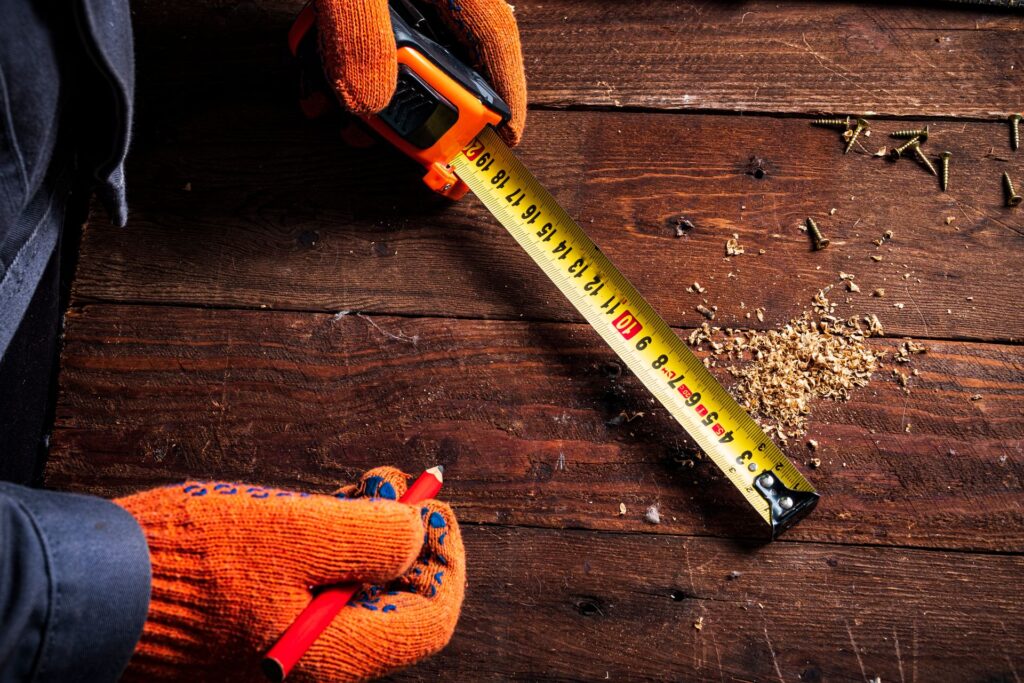
This one sounds almost too basic to mention, but it trips people up constantly. Someone measures the length of a garden bed — say, 12 feet — and heads to the store with that number in mind. They forget to account for the width, which might be 4 feet. The result? They are shopping for 12 square feet of coverage when they actually need 48 square feet.
Area requires two dimensions, always. Length multiplied by width gives the square footage of a rectangular space. Skipping that second measurement is one of the most common and costly errors in garden planning.
For beds with irregular shapes — curved borders, triangular plots, L-shaped areas — the math gets more complex, but the principle stays the same. The full plot measurements always need to be captured before any calculation can produce a useful result.
2. Treating Every Garden Shape as a Rectangle
Many gardens are not perfect rectangles. A curved flower border, a kidney-shaped pond surround, a circular herb garden — these shapes require different area formulas. But out of habit or convenience, many people measure the longest length and the widest width and multiply the two together, treating every space like a box.
This approach almost always overestimates the actual area of curved or irregular spaces. Someone might calculate 200 square feet for a curved bed that is actually closer to 140 square feet. They then buy materials for the larger number and end up with a significant surplus — which often goes to waste.
The right approach is to break an irregular shape into smaller, manageable sections. Triangles, circles, and half-circles all have their own area formulas. Breaking a curved bed into a rectangle plus a half-circle and adding the two results together gives a far more accurate number than treating the whole thing as one big box.
Using a tool like the Garden Area Calculator helps handle these irregular shapes quickly and accurately, reducing the risk of buying too much or too little of anything.
3. Forgetting to Account for Depth
Surface area is just one part of the equation. Whenever a project involves filling a space — with soil, mulch, gravel, or compost — depth matters enormously. And this is where many gardeners make a surprisingly expensive mistake.
Say someone is filling a raised bed that measures 4 feet by 8 feet. That is 32 square feet of surface area. But if that bed is 12 inches deep, the volume is 32 cubic feet — not 32 square feet. Buying material by square footage when the project actually requires cubic measurement will either leave the bed half-empty or lead to a massive overorder.
The general rule for converting: 1 cubic yard covers 324 square feet at 1 inch deep. Every additional inch of depth cuts that coverage significantly. A 3-inch layer of mulch, for example, covers far less area than a 1-inch layer from the same volume of material.
Thinking in three dimensions — not just two — is one of the most important mental shifts any gardener can make when planning a project.
4. Using a Single Measurement for Sloped Ground
Flat ground makes measuring easy. Sloped ground introduces a layer of complexity that catches many gardeners completely off guard.
When someone walks up a slope with a tape measure, they measure the sloped distance — which is always longer than the actual horizontal distance on the ground. That difference might seem small, but on a slope of even 10 to 15 degrees, the error can be meaningful enough to affect how much material gets ordered.
The correct approach for sloped areas is to measure the horizontal projection of the space — the distance it would cover if the ground were flat. This gives an accurate footprint of the area for planning purposes. Using a level, a string line, and a tape measure together makes this process much more straightforward than it sounds.
Additionally, sloped planting areas often need erosion control materials, retaining walls, or special soil mixes — all of which have their own measurement requirements. Failing to account for the slope from the start can throw off the entire project plan.
5. Not Measuring Before Ordering Materials
This one seems obvious, but it happens more often than anyone likes to admit. A gardener decides to add a new mulch layer to the entire front yard. They head to the garden center and estimate — based on memory and a rough mental picture — that they need about three bags. They get home and quickly realize the front yard is actually much larger than they thought. Another trip follows.
The fix is simple but requires discipline: always measure before ordering. Even a rough sketch with approximate dimensions, measured with a standard tape measure, produces a number far more reliable than any mental estimate.
For bigger projects, it helps to map out the entire space on paper before making a single purchase. Write down every dimension. Sketch the shape. Label each section. Then calculate the area — or use an online tool — before heading to the store.
6. Confusing Cubic Yards and Cubic Feet
Soil, mulch, gravel, and compost are all sold in either cubic yards or cubic feet, depending on the supplier. Many gardeners order in one unit while calculating in another — and the result can be wildly off.
Here is a concrete example: someone calculates they need 9 cubic feet of topsoil. They go to a landscape supplier who sells by the cubic yard. Without converting, they might order 9 cubic yards — which is 243 cubic feet. That is 27 times more material than they actually need.
The conversion to memorize: 1 cubic yard = 27 cubic feet. Always confirm what unit the supplier is using and convert accordingly before placing an order.
Many online tools now handle this conversion automatically. Using a reliable supply estimates calculator that outputs results in both units makes the whole process much less stressful.
7. Ignoring Overlap and Waste in Linear Projects
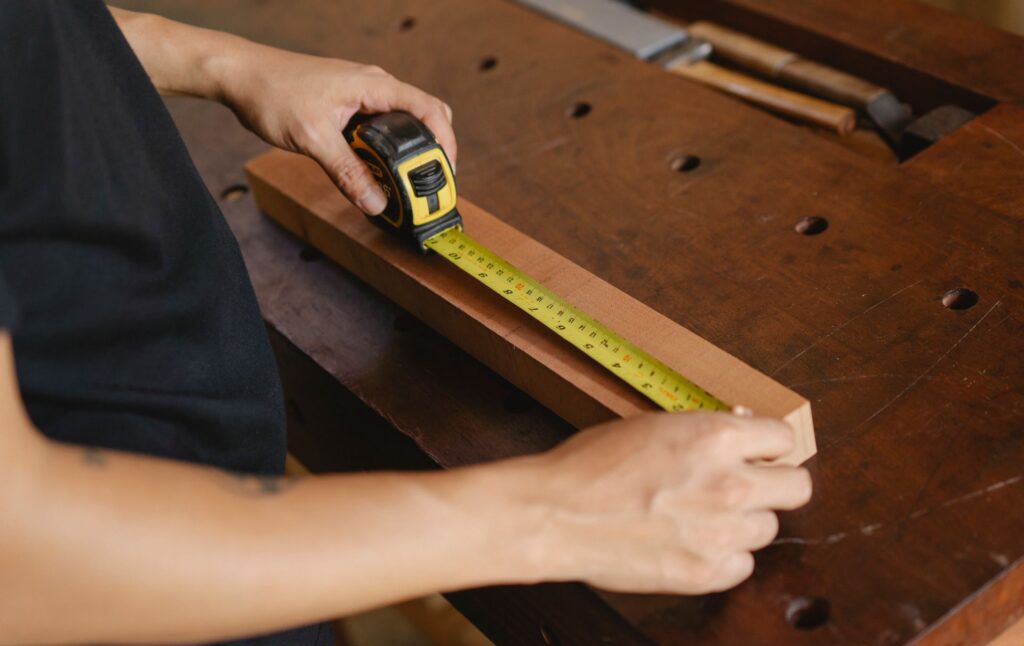
For projects that involve edging, fencing, path stones, or border materials, gardeners often measure the total perimeter distance and buy exactly that amount of material. They forget to account for corners, cuts, overlaps, and waste.
When cutting materials like stone edging or timber to fit corners and curves, some material is always lost. A standard rule in landscaping is to add at least 10% to 15% to any linear material order to account for cuts and waste. For complex or highly irregular shapes, 20% is a safer buffer.
This applies to weed barrier fabric, drip irrigation tubing, border edging, and many other linear products. Ordering the exact measured amount almost guarantees running short before the project finishes.
8. Measuring Too Early in the Season
This one surprises many new gardeners: the physical dimensions of a garden can shift. Soil settles. Raised bed walls can bow outward under pressure. Ground freezes and thaws, shifting paths and edging.
Measuring a space in early spring right after thaw — and then planting or ordering materials for it immediately — sometimes leads to working with dimensions that will not hold through the growing season. A raised bed that measures 48 inches wide in March might settle and shift slightly by May, especially if it was newly built over winter.
For new installations, especially raised beds and retaining walls, it is worth waiting until the structure has had time to settle. Re-measuring before the final material order adds an extra step but prevents wasted purchases.
9. Relying on Memory Instead of Written Notes
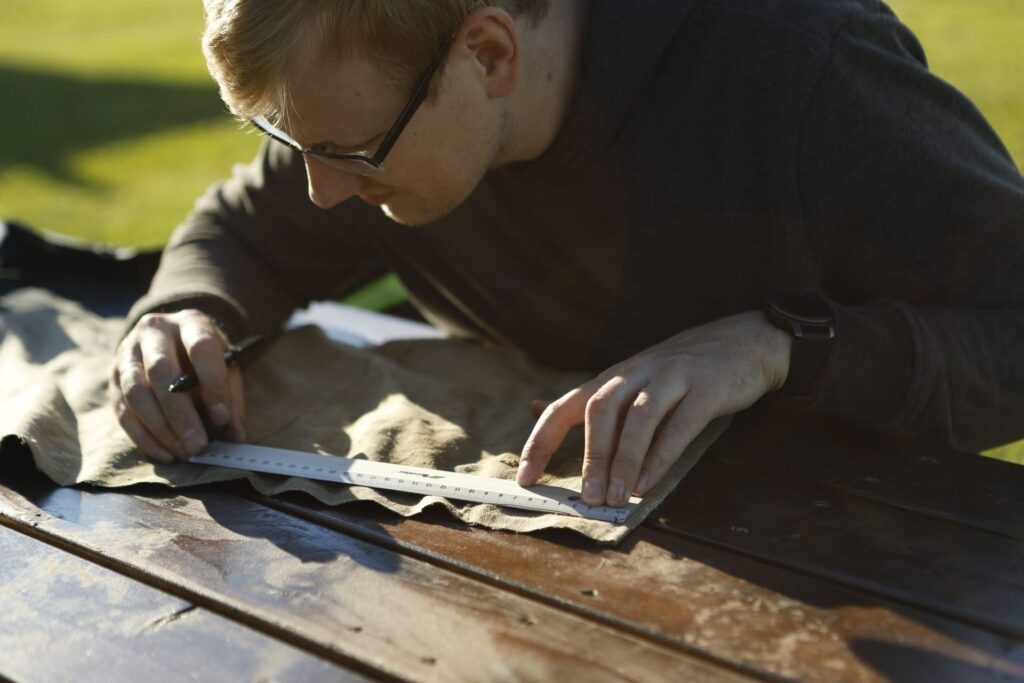
Experienced gardeners share one universal piece of advice: write everything down. Memory is not a reliable measuring tool. A gardener who measures the garden on a Tuesday afternoon and heads to the store on Thursday morning is working from a memory that has likely faded or shifted.
The solution is to carry a small notebook or use a phone to record measurements immediately. Better yet, draw a rough diagram of the space and label every dimension directly on the sketch. This becomes a reference that travels with the gardener to the store, preventing the guesswork that leads to over- or under-ordering.
Even the most experienced landscapers take written notes. It is not about skill — it is about creating a reliable system that works every single time.
10. Skipping the Perimeter Measurement for Borders and Edging
Many gardeners focus exclusively on area and completely forget about perimeter — the total distance around the outside edge of the garden space. This matters enormously for projects like installing edging, laying a decorative border, or planning a pathway that wraps around a bed.
The perimeter of a rectangular space is simple: 2 × (length + width). For a 10-foot by 6-foot bed, that is 2 × 16 = 32 linear feet of edging. But for a curved or circular bed, the perimeter calculation changes entirely — and a rough estimate without careful measurement leads to short orders almost every time.
Walking the perimeter with a measuring wheel — a simple tool that rolls along the ground and counts distance — is one of the fastest and most accurate ways to measure curved borders. For small spaces, a long tape measure laid along the curve works just as well.
11. Not Accounting for Existing Plants and Structures
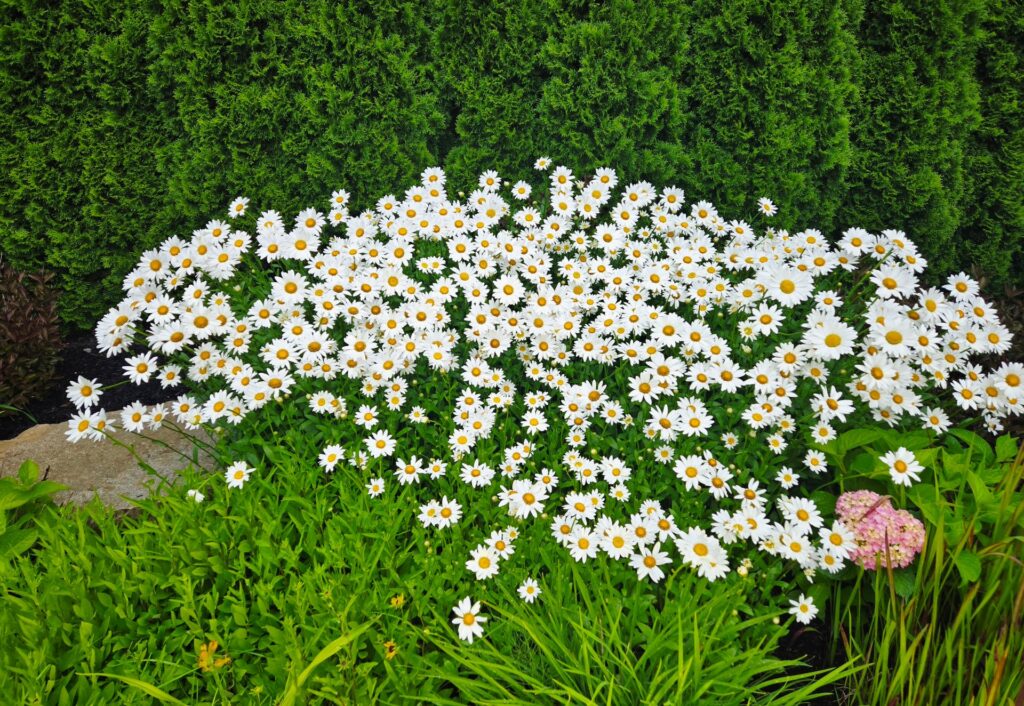
When measuring a garden bed or planting area, some gardeners measure the total space and plan to fill the whole thing — forgetting that existing plants, trees, posts, or garden art already occupy part of that area.
A bed that is 6 feet by 12 feet might already contain a large shrub, a decorative rock, and a birdbath that together take up roughly 8 square feet. Ordering mulch or soil for the full 72 square feet means buying material for 8 square feet of space that cannot receive it.
Before finalizing any material order, it helps to sketch the bed and mark any existing features that take up space. Subtract those areas from the total before calculating how much material to buy. This small step consistently improves the accuracy of supply orders.
12. Assuming Bag Coverage Claims Are Always Accurate
Bags of mulch, soil, and seed carry coverage estimates right on the label. But many gardeners take these numbers as exact truths rather than approximate guidelines.
Coverage estimates assume a specific depth of application. A bag of mulch that claims to cover 8 square feet at 3 inches deep will cover 24 square feet at 1 inch deep — or only 4 square feet at 6 inches deep. The coverage number is meaningless without knowing what depth it assumes.
Always read the fine print. Check what depth the coverage claim is based on, compare it to the depth the project actually requires, and adjust the order quantity accordingly. This single habit can prevent both significant overbuying and frustrating shortfalls.
How to Build a Better Measuring Habit
Avoiding these mistakes does not require special skills or expensive equipment. It requires a consistent, repeatable approach to measuring before every project. Here is what works:
- Sketch the space first. Even a rough hand-drawn map helps organize the thinking before the tape measure comes out.
- Measure twice, order once. Check every dimension at least twice before writing it down as final.
- Convert units carefully. Always confirm whether a supplier works in cubic yards or cubic feet and convert accordingly.
- Add a buffer. For most materials, adding 10% to 15% to the calculated amount prevents running short.
- Use calculators. Online garden calculators remove the risk of manual math errors and speed up the planning process significantly.
- Keep written records. Store measurements in a notebook or phone so they are available at the point of purchase.
The Real Cost of Getting It Wrong
Most measuring mistakes in garden projects result in one of two outcomes: buying too much or buying too little. Both cost money. Too much means leftover materials that take up space, degrade, or get thrown away. Too little means extra trips to the store, project delays, and the frustration of running out mid-task.
Research in the landscaping industry suggests that up to 30% of material waste on residential projects stems directly from inaccurate measurements at the planning stage. That is a significant figure — and it represents money that could stay in the gardener’s pocket with just a little more care upfront.
The investment of 15 to 20 extra minutes spent measuring carefully before a project begins consistently pays off in time saved, money protected, and better results on the ground.
Summary
- Accurate measuring protects the budget, saves time, and prevents wasted materials
- Always measure both length and width — area needs two dimensions, not one
- Irregular shapes like curves and circles need proper formulas, not rectangle math
- Depth is just as important as surface area when ordering soil, mulch, or gravel
- Sloped ground must be measured horizontally, not along the slope
- Always measure before ordering — never rely on memory or rough estimates
- Know the difference between cubic yards and cubic feet before placing any supply order
- Add 10% to 15% extra on all linear materials to cover cuts, overlaps, and waste
- Re-measure new raised beds and structures after they have had time to settle
- Always write measurements down immediately — never trust memory alone
- Calculate perimeter separately for edging, fencing, and border projects
- Subtract existing plants and structures from total area before ordering materials
- Always check what depth a bag coverage claim assumes before buying
- Up to 30% of landscaping material waste comes directly from inaccurate measurements
- A simple habit of sketching, double-checking, and using online calculators prevents nearly all of these mistakes
Final Thoughts
Garden projects are deeply satisfying. They transform outdoor spaces, support growing food, attract pollinators, and make neighborhoods more beautiful. But all of that potential rests on a foundation of good planning — and good planning starts with accurate measurement.
The mistakes covered in this guide are not signs of failure. They are simply patterns that show up repeatedly across all experience levels and all types of garden projects. Recognizing them is the first step toward avoiding them. With the right habits, the right tools, and a clear plan, any gardener can measure with confidence and execute their project without the waste, frustration, and extra cost that come from getting the numbers wrong.
A measuring tape, a pencil, a piece of paper, and a reliable online calculator are all it takes to plan smarter and garden better. The plants will thank everyone for it.
FAQs
What is the most common measuring mistake in garden projects?
The most common mistake is measuring only the length of a garden space and forgetting to measure the width. Area requires both dimensions multiplied together. Skipping the width means calculating the wrong square footage, which leads to buying too much or too little of every material ordered for the project.
How do I measure an irregular shaped garden bed accurately?
Break the irregular shape into smaller, recognizable sections such as rectangles, triangles, and half-circles. Calculate the area of each section separately using the correct formula, then add all the results together for the total area. Using an online garden area calculator speeds up this process and removes the risk of manual math errors.
What is the difference between cubic yards and cubic feet in gardening?
One cubic yard equals 27 cubic feet. Soil, mulch, and gravel are sold in both units depending on the supplier. Confusing the two when ordering can result in buying 27 times more or less material than needed. Always confirm which unit the supplier uses and convert accordingly before placing any order.
How much extra material should I order for a garden edging project?
Always add 10% to 15% on top of the measured linear footage for any edging, fencing, or border project. This buffer covers cuts, corners, overlaps, and unavoidable waste. For highly curved or complex shapes, adding 20% is a safer margin to avoid running short before the project is complete.
Why does garden measuring accuracy matter so much?
Research in the landscaping industry shows that up to 30% of material waste on residential projects comes directly from inaccurate measurements made during the planning stage. Getting measurements right from the start saves money on wasted supplies, prevents extra trips to the store, and keeps the entire project on schedule and within budget.